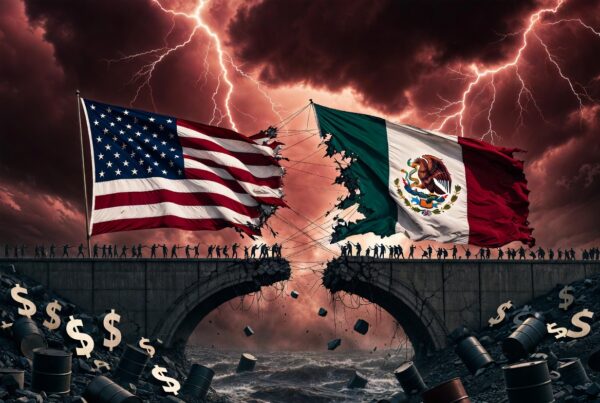
Interference, Morena-style.

Claudia Sheinbaum’s recent speech emphasized Mexico’s sovereignty amid U.S. accusations of drug trafficking links with her party, Morena. She criticized U.S. legal actions, asserting they aim to interfere in Mexico’s electoral processes. Despite calling out U.S. interventionism, her administration has financially supported political projects in other Latin American countries.

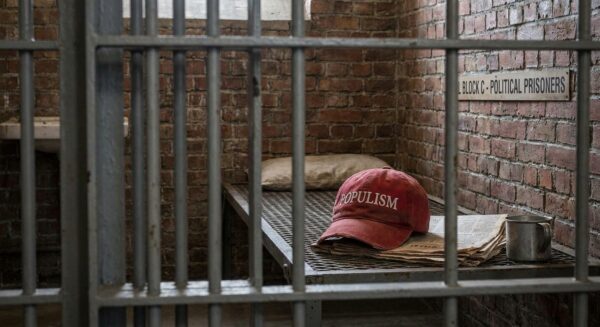
Populism Behind Bars.

The U.S. has intensified its campaign against Latin American populism, exposing corruption and failures of leaders who once positioned themselves as champions of the people. Many are now facing legal repercussions as the underlying promise of justice has devolved into privilege and authoritarianism, ultimately leading to a crisis of legitimacy for populist movements across the region.

Youth Challenges in Modern Society.

The text examines the complexities faced by contemporary youth, including the romanticization of youth as a positive force while grappling with issues like unemployment, mental health, and educational challenges. It highlights their frustrations with societal structures and questions the efficacy of youth participation in political movements, emphasizing the need for nuanced understanding and diverse solutions.

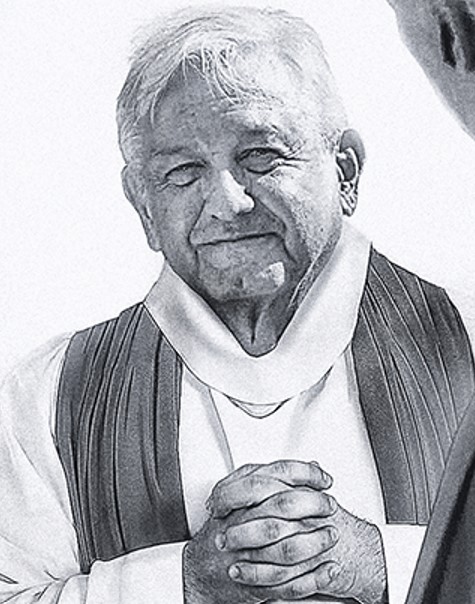
AMLO: Priest of the São Paulo Forum.

The post critiques Andrés Manuel López Obrador (AMLO), comparing his governance style to Evo Morales, emphasizing corruption within the Mexican political system. It outlines the adherence to the São Paulo Forum’s principles, highlighting manipulations of the judiciary and military. Despite initial success, the author argues this approach is ultimately doomed to fail, leaving Mexico isolated.

The Decline Of Leftist Regimes In Latin America.

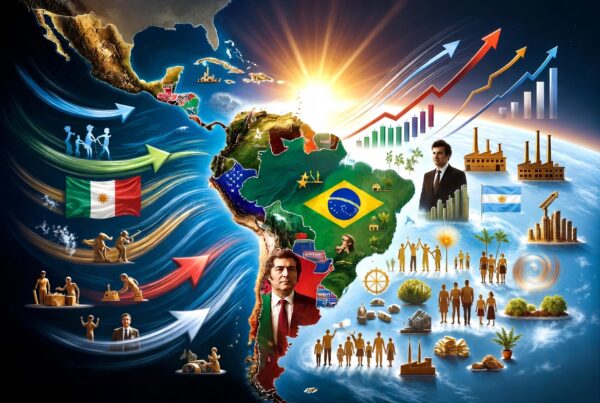
The Latin American left is facing decline, with countries like Chile and Argentina rejecting leftist governance. The isolation of Cuba’s regime signals a potential overthrow, exacerbated by the lack of solidarity from Latin American nations. Mexico’s hesitant support reflects broader struggles, as authoritarian practices threaten regional legitimacy.

What You Don’t Decide Today, Others Will Do For You.

The article critiques Claudia Sheinbaum’s absence from the Davos meeting, emphasizing the missed opportunity to engage with global leaders and understand the dynamics shaping US-Mexico relations. It highlights looming threats to Mexico’s strategic position due to US demands on narcotics management and oil shipments, urging a proactive response from the Mexican government to maintain credibility.

Neither Less Poverty, Nor Less Violence.

The National Institute of Statistics and Informatics (INEGI) reported optimistic economic data for Mexico, claiming job growth and reduced crime. However, real incomes are declining, and most workers are in the informal sector, leading to increased poverty. The government’s statistics misrepresent the harsh realities facing many citizens, particularly regarding violence and economic hardship.

Mexico’s Espionage Crisis: The Unseen Consequences.

The Mexican Foreign Ministry disclosed a confidential list of 14 countries with security personnel in Mexico, revealing a potential weakness in diplomatic relations. Notably absent are nations like Russia, Cuba, and Venezuela, prompting questions about Mexico’s transparency and complicity in espionage. This situation undermines Mexico’s credibility and complicates future foreign negotiations.

Claudia Sheinbaum and Maria Corina Machado: A Clash of Political Ideologies.

The imagined meeting between María Corina Machado and President Claudia Sheinbaum would be fraught due to their contrasting views on Venezuela. Machado aims to discuss resistance to Maduro’s regime, while Sheinbaum defends Mexico’s support for Maduro, highlighting a principled non-intervention stance. Ultimately, their positions are irreconcilable, making the meeting unlikely.

On How Mexico’s Government Deceives The World.

Mexico’s President Claudia Sheinbaum’s absence from key international forums has drawn criticism, particularly regarding drug trafficking and violence. This lack of engagement coincides with a demoralized diplomatic corps and a government hesitant to openly address controversial issues. Mexico’s foreign policy operates in secrecy, reflecting a disconnect with its economic partners and democratic values.

Shares