The Curse of Absolute Power.

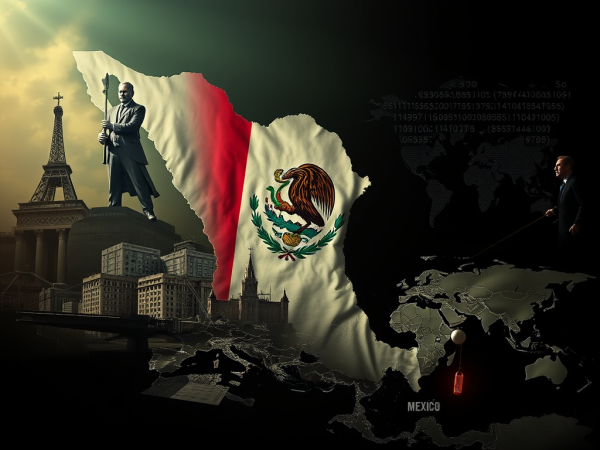
Andrés Manuel López Obrador has established a powerful, authoritarian regime in Mexico, erasing checks and balances and promoting corruption. Despite promising financial benefits to citizens, he has severely undermined healthcare and education. The situation is reminiscent of historical totalitarian regimes, as societal values decline and democracy faces grave threats under his rule.

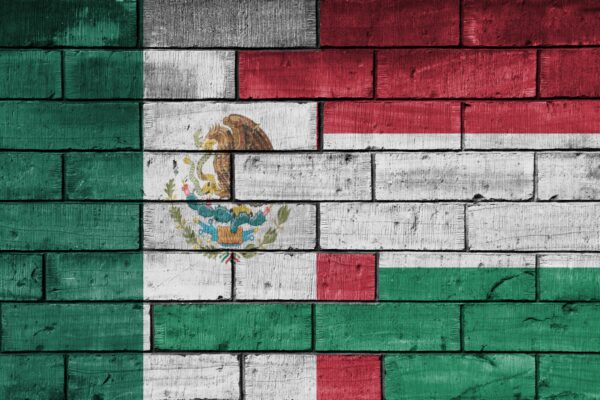
From Hungary, with love for Mexico.

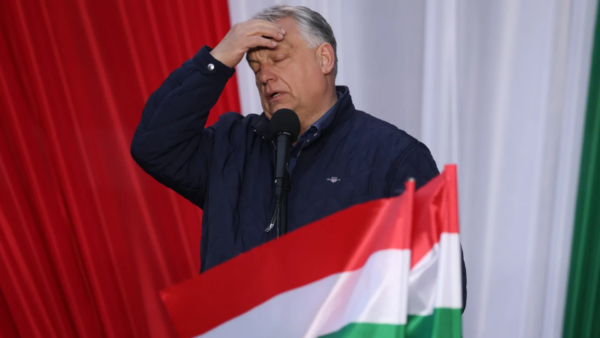
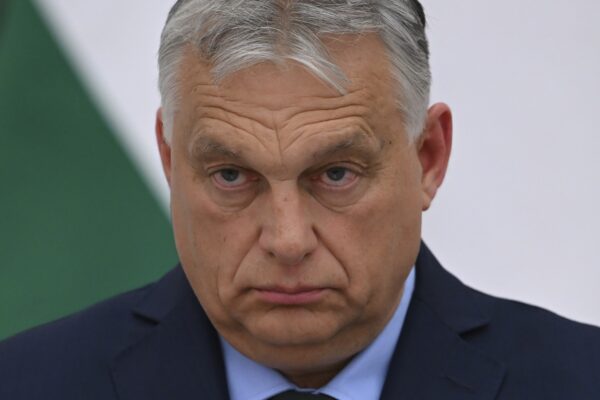
Viktor Orbán’s electoral defeat in Hungary reflects his 16-year regime’s failure, marked by concentrated power, media control, and widespread corruption. Irresponsible economic policies led to a deteriorating quality of life, while his transformation of state institutions aimed to secure power. Ultimately, his disregard for citizens’ welfare resulted in his downfall.

Orbán’s Autocracy: Lessons for Mexico.

During a dinner with Mexican business leaders, keynote speaker Anne Applebaum criticized Viktor Orbán’s autocratic methods, highlighting his use of extortion to maintain control. She warned that similar authoritarian tendencies are emerging in Mexico, urging awareness of governmental overreach and the importance of democratic institutions, emphasizing that change is possible.

The Aftermath of the Berlin Wall—and Mexico’s Missing Lesson.

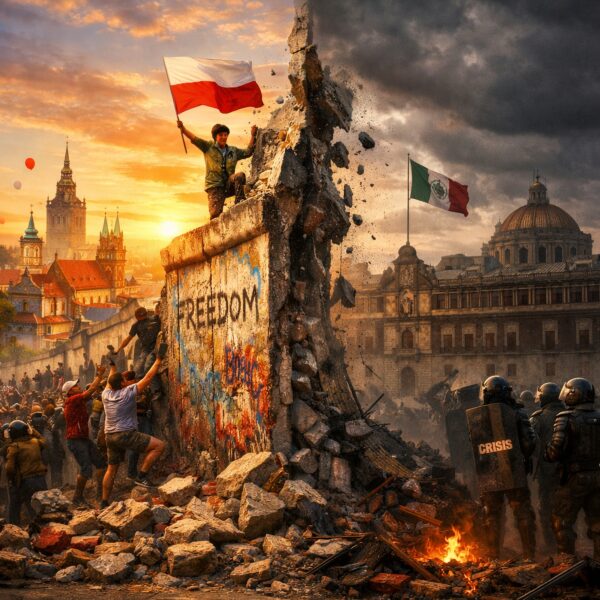
The fall of the Berlin Wall in 1989 allowed Eastern European nations to reshape their political and economic landscapes. While countries like Poland thrived under effective leadership, Mexico’s current government, lacking opposition and relying on flawed policies, is likely headed for stagnation. This raises concerns about the sustainability of its strategies.

Its Name Is Terrorism.

Sometimes societies become so used to certain outbreaks of violence that they lose sight of what they really represent. We name the events lightly, soften concepts, or reduce them to convenient explanations. But in doing so, we also dilute our ability to understand the true scope of what we are facing. When a government refuses to call terrorism what—by definition—is terrorism, it ends up defenseless against those who have decided to use fear as a tool of power.

Tariffs, Justice, and Mexico’s Future.

The text emphasizes the unpredictability of current global circumstances, highlighting the challenges faced by countries like Mexico, France, Italy, and Spain. It discusses economic realities, social tensions, and the impact of immigration and crime. The need for effective leadership and cooperation for stability and justice is stressed, particularly concerning tariffs and accountability.

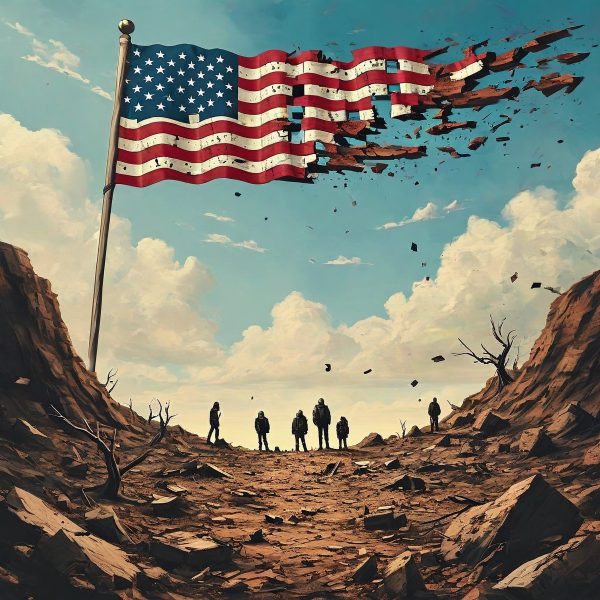
The United States: The Consequences of Broken Leadership.

Pristina, Kosovo.– In this Muslim-majority capital, there is a statue of President William Clinton; you enter via George W. Bush Boulevard. In front of the hotel where I am staying, there is a bronze bust of former Secretary of State Madeleine Albright.

Why Ukraine’s War Cannot End.

The article highlights the persistent historical amnesia regarding the Ukraine conflict, emphasizing the need to understand the roots of Russian insecurities and the implications of NATO’s eastward expansion. It argues that resolution requires a reassessment of post-Cold War security dynamics, acknowledging the fears of both Russians and Europeans to achieve peace.

Shares