Sheinbaum’s Spain Visit: A Political Statement Against Trump.

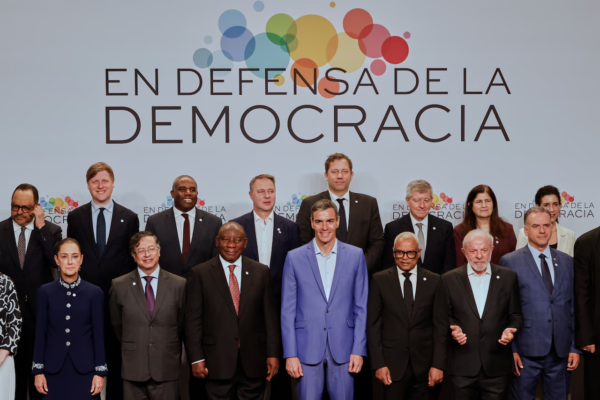
Claudia Sheinbaum’s trip to Spain, framed as non-political, is criticized for its hidden agenda linked to a global leftist gathering opposing right-wing movements like Trump’s. Despite her denial, her involvement in the Global Progressive Mobilization raises concerns of deception towards both Washington and the Mexican public about the trip’s true purpose and implications.

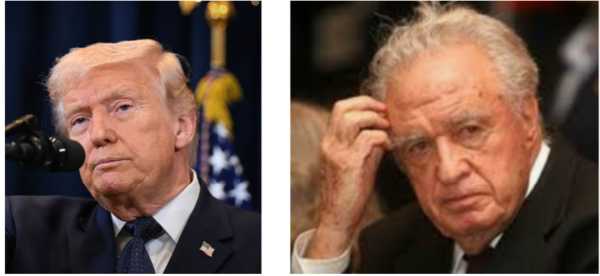
Trump and Sherer.

Pakistan demonstrated that, at critical moments when preserving the international harmony, diplomacy remains an effective tool for the peaceful resolution of international disputes. Julio Sherer was born to make people uncomfortable. To speak out when others were silent… Scherer made freedom of expression …a way of life,”

Negotiating Peace: The U.S. Strategy in the Ukraine Conflict.

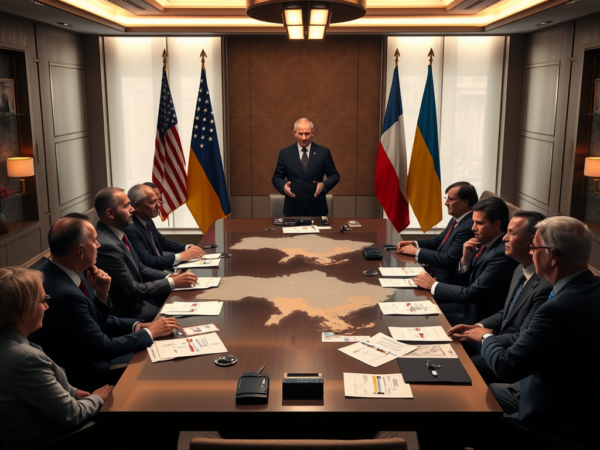
Russia’s ongoing aggression in Ukraine faces diplomatic challenges, with the U.S. pushing for agreements by June 30, coinciding with elections. Key obstacles include Putin’s rejection of settlements, Ukrainian sovereignty concerns, and NATO’s status. Proposed solutions, like a Reconstruction Trust Fund, reflect resource exploitation ambitions, highlighting the complexities of negotiations.

Mexico Under Siege: Exploring Government Mismanagement

Mexico is facing internal and external crises, exacerbated by a government blind to reality. Economic mismanagement, excessive subsidies, and a lack of investment confidence are driving the nation towards stagnation. The government’s denial of its failures and refusal to accept criticism contribute to severe challenges, both domestically and internationally.

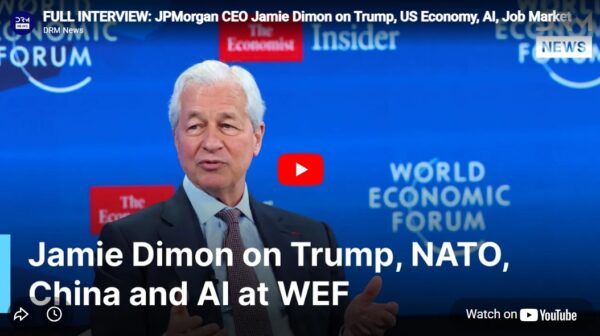
JPMorgan CEO Jamie Dimon on Trump, US Economy, AI, Job Market,…, at WEF.

JPMorgan Chase CEO Jamie Dimon discussed the impact of AI on jobs and banking in a conversation with Zanny Minton Beddoes at the World Economic Forum. He addressed various topics including NATO, geopolitical tensions, the global economy, and the implications of a transactional U.S. foreign policy, highlighting significant risks ahead.

U.S. State Department Strategy 2026-2030.

The content includes a download link for the Agency’s Strategic Plan covering fiscal years 2026-2030, along with a selection of articles addressing various topics such as economic outlooks, political risks, national defense strategies, and global growth trends. These resources provide insights into future challenges and strategies.

2025: A Year to Remember.

The end of the year reflects a challenging global climate, with wars and economic instability. Trump’s administration has shifted power dynamics in the U.S., sidelining traditional political structures. The upcoming USMCA renegotiation will be crucial for regional economic stability, as issues of leadership ineptitude underline a deeper crisis in democracy and governance.

The Year of War.

ith less than four weeks to go before we bid farewell to 2025—amidst the fury, the din, the missiles, and the drones—it is inevitable that we pause and take stock of how, in our political and social sphere, we will close out the year. Now that the first quarter of the century is over, we understand that we are not living in exceptional circumstances. Each period leading up to the world wars was unique in its time, yet they all shared the same air of menace.

The United States: The Consequences of Broken Leadership.

Pristina, Kosovo.– In this Muslim-majority capital, there is a statue of President William Clinton; you enter via George W. Bush Boulevard. In front of the hotel where I am staying, there is a bronze bust of former Secretary of State Madeleine Albright.

From Yalta to Alaska.

Eighty years after the Yalta Conference, where major powers divided post-World War II territories, the recent Trump-Putin summit in Alaska starkly contrasts in purpose and outcome. Unlike Yalta, which established frameworks for future peace, the Alaska meeting failed to address the Ukraine conflict. Their approaches and lacks of vision highlight contemporary geopolitical challenges.

Shares