Latin America Is Shifting To The Right.

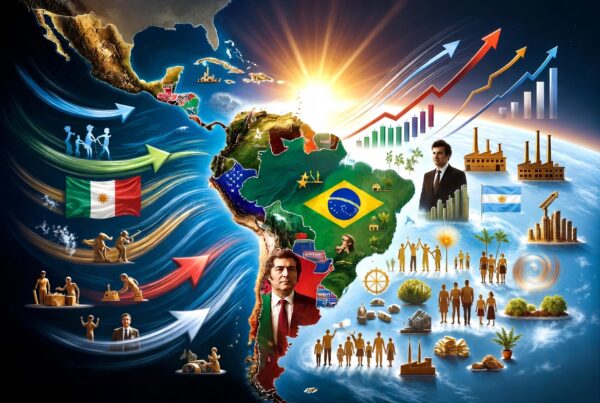
The potential election of Abelardo de la Espriella as president of Colombia signals a significant rightward shift in Latin America, exacerbating political polarization and authoritarianism. The failure of leftist governments to implement effective policies and address issues like crime and corruption has facilitated the rise of radical right leaders across the region.

“The Dystopian World Cup with Utopian Soccer”

The content explores the contrast between dystopia and utopia, particularly in the context of the 2026 World Cup amid geopolitical turmoil. While dystopian elements define the background, the unifying power of soccer brings joy and a sense of community, temporarily mending societal fractures despite the overwhelming challenges faced in the world.

The Revival of Gorbachev’s Ghost.

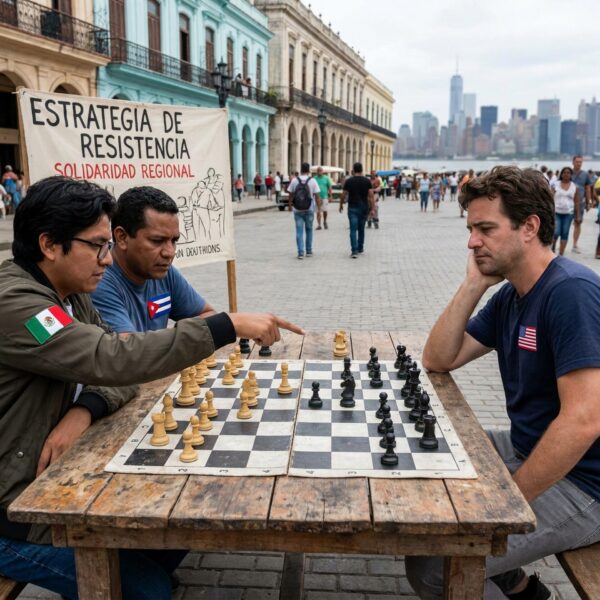
Mikhail Gorbachev’s legacy is revisited in light of Cuba’s current existential crisis. The article discusses the potential paths Cuba could take: embracing profound internal reform similar to Gorbachev’s perestroika and glasnost or facing inevitable foreign intervention. Cuba’s leadership must act decisively and urgently to avoid impending collapse.

Waiting for November.

The upcoming U.S. midterm elections on November 3 are pivotal, with President Trump’s approval rating falling to 35%. Many Americans disapprove of his economic handling and the war in Iran, anticipating repercussions on global tensions. A potential shift in U.S. foreign policy could occur depending on election outcomes, particularly regarding Europe and Latin America.

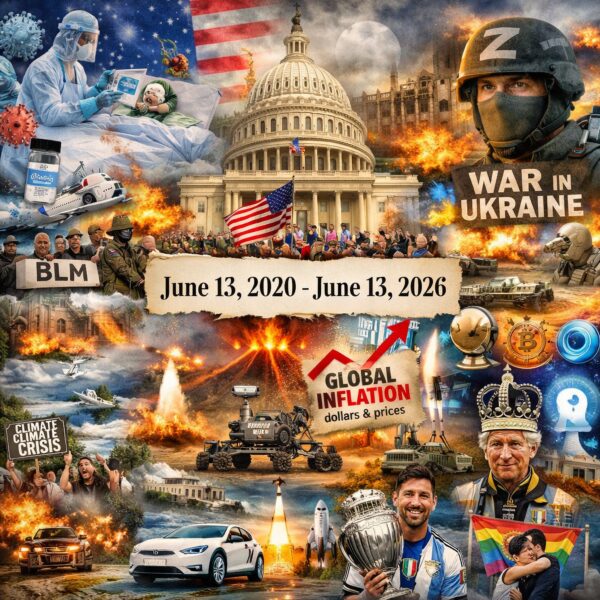
June 13, 2020-June 13, 2026.

SEPGRA, established on June 13, 2020, has published extensive content covering global events and societal changes, totaling 2,237 posts over 2,192 days. The organization expanded its linguistic reach and accurately predicted significant shifts in Mexico’s political landscape. Looking ahead, SEPGRA embraces the complexity of emerging global dynamics with optimism.

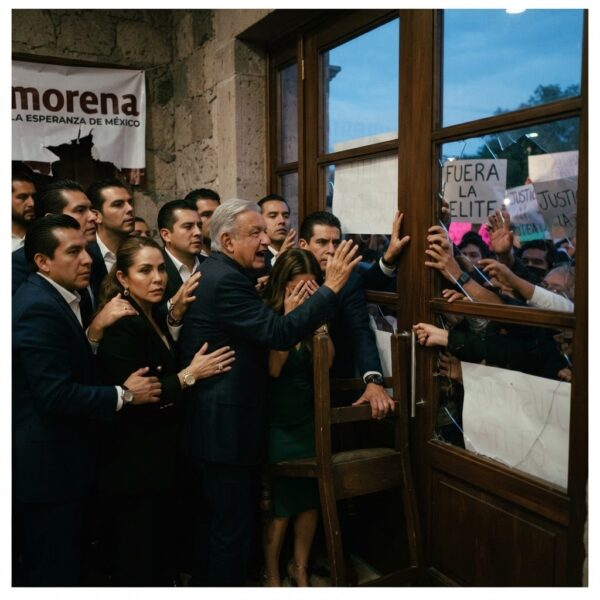
Sometimes, letters arrive.

The relationship between Mexico and the U.S. is increasingly tense, highlighted by unclear communications between current and former presidents. A recent letter from López Obrador seemingly reiterates past collaborations but raises concerns about political divides. The shifting dynamics underscore the precariousness of bilateral ties amid internal and external pressures facing both administrations.

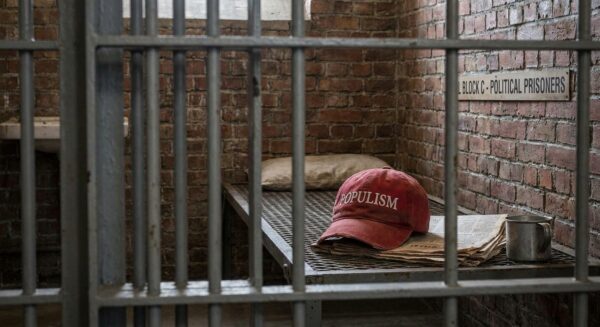
Populism Behind Bars.

The U.S. has intensified its campaign against Latin American populism, exposing corruption and failures of leaders who once positioned themselves as champions of the people. Many are now facing legal repercussions as the underlying promise of justice has devolved into privilege and authoritarianism, ultimately leading to a crisis of legitimacy for populist movements across the region.

Crisis in Mexico: The Consequences of Drug Ties with Morena.

Sheinbaum and Morena are struggling to defend against claims of drug trafficking collusion amidst significant declines in their approval ratings. With public distrust in the government growing, many Mexicans now believe U.S. intervention may be necessary to combat the drug crisis. The urgent need for authentic government reform and accountability is clear.

Why Isn’t Sheinbaum Going To Washington?

Trump accused Colombian President Gustavo Petro of shielding drug traffickers, which Petro denied after a successful meeting with the U.S. president. Meanwhile, Brazilian President Lula also visited Washington amid accusations from Trump. Mexico’s President Sheinbaum has avoided such meetings, adhering strictly to radical rhetoric, complicating U.S.-Mexico relations.

What Is Sovereignty, and for whose defense?

The discussion on sovereignty centers around its historical definition, emphasizing Mexico’s power to legislate without foreign influence. It critiques the current landscape where sovereignty is threatened both by external forces like the U.S. and internal corruption linked to organized crime. A comprehensive defense is deemed essential for genuine sovereignty.

Shares