
Ali Baba’s Cave

The content discusses FIFA’s operations and corruption, notably illustrated by the FIFAgate scandal involving Chuck Blazer. It critiques FIFA’s dealings with authoritarian regimes and Gianni Infantino’s questionable leadership. It highlights the financial burden on host cities for the World Cup while benefiting FIFA and the media instead of local communities.

How We Spend Our Time 1920-2026,

The video analyzes how U.S. adults aged 25 to 35 spend their 24 hours from 1920 to 2026, focusing on shifts in commuting, entertainment, and household activities. Excluding sleep and work, it highlights changes driven by technological advancements and evolving social structures, using a comprehensive statistical approach and various historical datasets.

“The Dystopian World Cup with Utopian Soccer”

The content explores the contrast between dystopia and utopia, particularly in the context of the 2026 World Cup amid geopolitical turmoil. While dystopian elements define the background, the unifying power of soccer brings joy and a sense of community, temporarily mending societal fractures despite the overwhelming challenges faced in the world.

The Pope Rides Again.

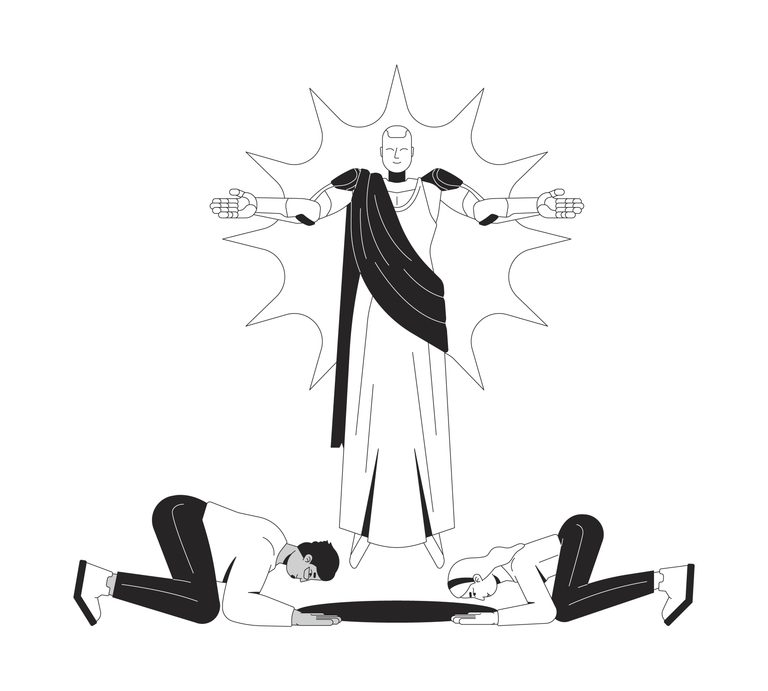
Vincenzo Gioacchino Pecci, elected as Pope Leo XIII, symbolizes the Catholic Church’s transformation from a persecuted faith to a political powerhouse post-Constantine. The Church, facing modern crises, seeks renewed moral authority through Pope Leo XIV’s focus on contemporary issues like artificial intelligence, war, and societal polarization, emphasizing human dignity.

Automotive Psychology

Juan Villoro reflects on his experience of selling a used car after owning it for thirteen years. Once deemed a virtue, the car’s singular ownership faces scrutiny amidst modern-day scams. An unexpected inspection by Manuel, a psychologist, reveals deeper insights into Villoro’s personality and habits, ultimately affecting the sale.

Waiting for November.

The upcoming U.S. midterm elections on November 3 are pivotal, with President Trump’s approval rating falling to 35%. Many Americans disapprove of his economic handling and the war in Iran, anticipating repercussions on global tensions. A potential shift in U.S. foreign policy could occur depending on election outcomes, particularly regarding Europe and Latin America.

June 13, 2020-June 13, 2026.

SEPGRA, established on June 13, 2020, has published extensive content covering global events and societal changes, totaling 2,237 posts over 2,192 days. The organization expanded its linguistic reach and accurately predicted significant shifts in Mexico’s political landscape. Looking ahead, SEPGRA embraces the complexity of emerging global dynamics with optimism.

Luis Maizel’s Monthly Letter: Who’s Right? The Economy is Slowing Down, yet the Markets are Soaring.

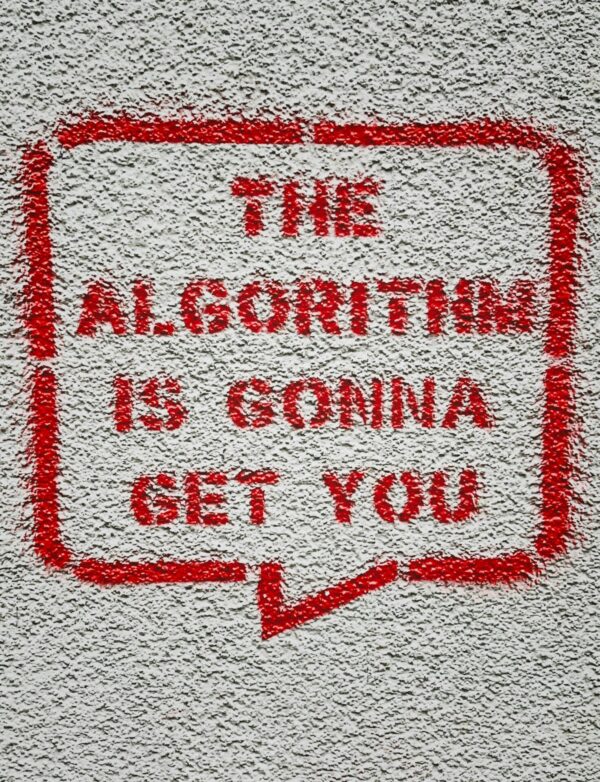
The United States faces a complex economic landscape characterized by low growth, high unemployment among graduates, and rising inflation, with a notable reliance on artificial intelligence for GDP growth. A K-shaped economy emerges, increasingly benefiting wealthier individuals while lower-income groups struggle. The geopolitical situation and domestic issues add to the uncertainty.

The Perils of Continuity in Mexico.

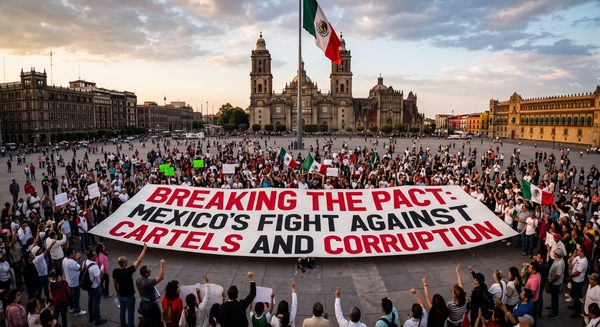
Mexico’s current government faces a dilemma of maintaining continuity with its predecessor’s policies while grappling with mounting challenges, including economic pressures and declining credibility from credit-rating agencies. Instead of taking corrective action, the government has reacted defensively. A strategic rethink is essential to avoid crisis and foster growth.

Throwing Mexico’s Future Into The Trash.

The piece emphasizes the critical role of education in a nation’s prosperity, contrasting historical strides in Mexican education with recent setbacks under the Fourth Transformation. It highlights declining funding, worsening performance metrics, and increased dropout rates, ultimately portraying a grim picture of social mobility and the future of Mexican youth.

Shares