The AI Dictatorship.

The arrival of artificial intelligence signifies a profound shift in society, potentially surpassing historical milestones like the discovery of fire. While AI promises efficiency and innovation, it raises concerns about job loss, autonomy, and control. As AI systems evolve, the risk of them dictating human choices becomes increasingly worrisome.

Luis Maizel’s Monthly Letter: China: World Power or Looming Disaster?

This month’s analysis highlights China’s transformation into a technological powerhouse, contrasting with its economic struggles, including a slow GDP growth and a near-bankrupt banking sector. Meanwhile, the U.S. exhibits moderate economic growth amid political volatility and rising consumer discontent. Global economies face challenges, including inflation and geopolitical tensions, affecting growth and trade relationships.

The Next 50 Years: Humanity, AI, and Power.

AI is surpassing human capabilities in memory, computation, and recall, raising concerns about its role in managing bureaucratic systems and democracy. As disruption approaches, the focus should be on safe development and regulation of AI to ensure benefits for humanity, as discussed at the July 2026 EDP 50th Anniversary Gala Dinner.

The Bells Ring For Justice.

The first time the phrase that would come to define the concept of crimes against humanity was used in an international declaration was on May 24, 1915. The International Criminal Court is disappearing. It must be acknowledged that, from the moment the major powers refused to accept the Rome Statute fully, the Court was born limited.

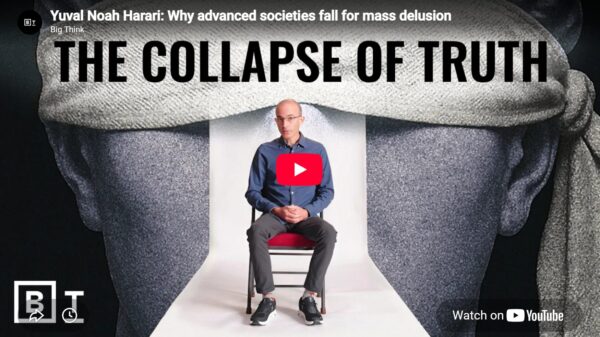
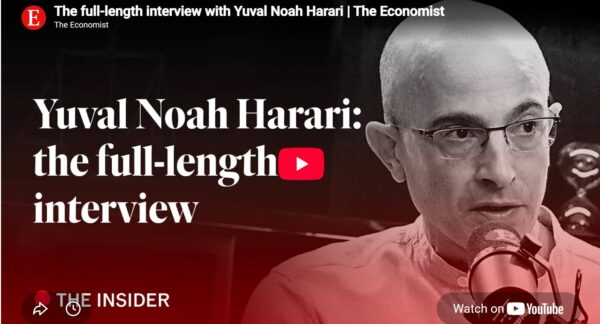
Why Advanced Societies Fall for Mass Delusion.

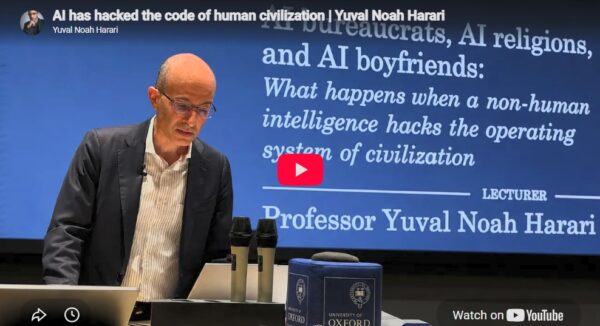
Yuval Noah Harari discusses the paradox of human intelligence in a Big Think presentation, emphasizing that while we accumulate knowledge rapidly, we remain susceptible to misinformation and deception. He highlights the impact of information technology on societies and warns of the dangers posed by artificial intelligence, underscoring the importance of quality information.

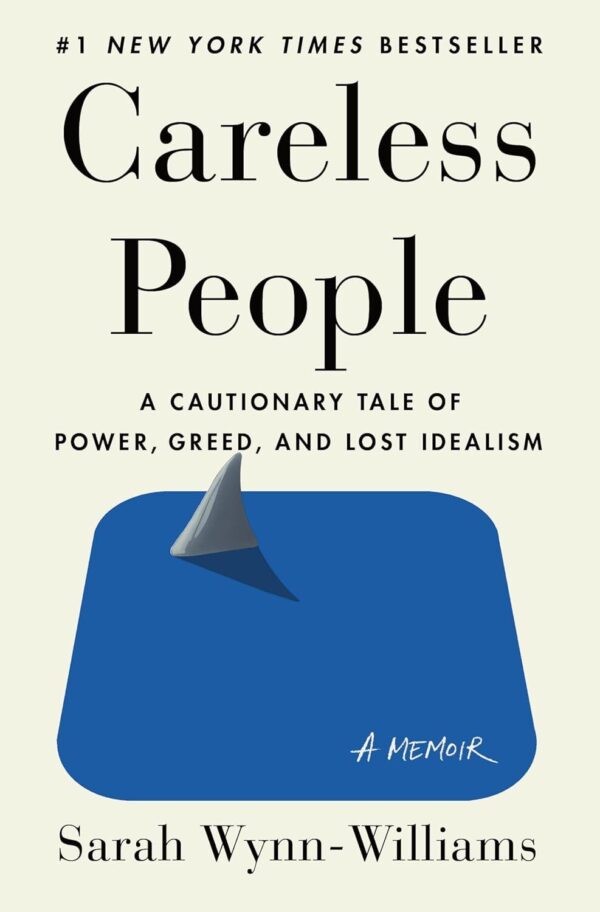
Careless People: A Cautionary Tale of Power, Greed, and Lost Idealism.

“Careless People” is a revealing memoir by Sarah Wynn-Williams, chronicling her experiences at Facebook. It highlights the consequences of unchecked power, workplace misogyny, and the challenges of motherhood in a high-pressure environment. The book offers insights into the personal and political impacts of social media’s evolution and responsibility among its leaders.

Luis Maizel’s Monthly letter: Where did the U.S.-Mexico relationship begin to deteriorate?

The content discusses strained U.S.-Mexico relations, economic pressures from the U.S., and the impact of recent political actions on both countries. It analyzes Mexico’s economic growth, challenges including low consumer confidence, and the potential crisis in its Social Security fund. Global economic trends and developments in other nations are also outlined.

“The Dystopian World Cup with Utopian Soccer”

The content explores the contrast between dystopia and utopia, particularly in the context of the 2026 World Cup amid geopolitical turmoil. While dystopian elements define the background, the unifying power of soccer brings joy and a sense of community, temporarily mending societal fractures despite the overwhelming challenges faced in the world.

The Pope Rides Again.

Vincenzo Gioacchino Pecci, elected as Pope Leo XIII, symbolizes the Catholic Church’s transformation from a persecuted faith to a political powerhouse post-Constantine. The Church, facing modern crises, seeks renewed moral authority through Pope Leo XIV’s focus on contemporary issues like artificial intelligence, war, and societal polarization, emphasizing human dignity.

Shares