
National Sovereignty or Hemispheric Security?

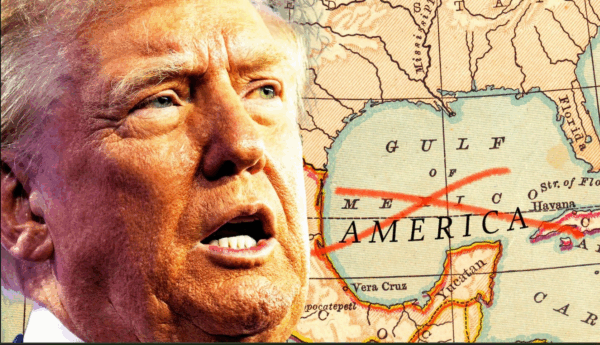
The U.S. elections present both opportunities and risks for Mexico’s political landscape. While some factions advocate for closer ties with authoritarian regimes, others push for strengthening North American relations. The election outcome will crucially dictate Mexico’s foreign policy direction, particularly regarding its relationships with the U.S., Russia, and China.

Cuba’s Degradation

The Cuban government has systematically suppressed its citizens’ fighting spirit, leading to mass emigration amidst worsening economic turmoil. Persistent power outages result from policy failures and budgetary misallocation, prioritizing repression over public welfare. This strategy aims to control dissent, as over a million Cubans have fled the dire living conditions and lack of freedom.

Oppositions

The post discusses the contrasting trajectories of the PAN and PRI political parties in Mexico. While the PAN began as a reaction to the PRI and aimed for governance, it ultimately mirrored its predecessor’s corrupt practices. Both parties now face pressure to reinvent themselves amid rising challenges from the Morena party.

The Nobel is Scared of his Creature.

Geoffrey Hinton, a Nobel laureate in Physics and AI pioneer, warns of the potential dangers of advanced artificial intelligence, suggesting that its development could threaten humanity’s control. He emphasizes the urgent need for collaboration among scientists to address these issues and prepare for a future where AI might surpass human intelligence.

Think of the living

The text emphasizes the need to focus on the living rather than past atrocities, using examples like post-war cooperation in Europe, Japan’s transformation, and Vietnam’s resilience despite historical wounds. It calls for a shift towards future-building and reconciliation, advocating for understanding and compassion rather than hatred.

Beyond Words

The text critiques the ineffective political discourse in Mexico over the past six years, indicating how language has failed as a governing tool. It highlights the rise of cartels and their integration into power structures, emphasizing the need for concrete actions to restore state control and improve national security, moving beyond mere rhetoric.

Neighbors With Increasingly Conflicting Issues.

The United States and Mexico share a complex relationship characterized by economic interdependence alongside political tensions. Mexico’s support of authoritarian regimes, including Cuba and Venezuela, and its neutrality towards Russia fosters conflict with U.S. interests. This ideological divide complicates Mexico’s commitment to market economies amidst growing ties with China and organized crime.

The First Skirmishes

The poll results indicate a lack of clarity about the future under the new presidency, with initial optimism fading into resignation for many citizens. While approval ratings are high, concerns about security, the economy, and public services persist, mirroring issues from the previous administration. Internal party dynamics could complicate governance.

Why are US elections complex and what is the rationale for the Electoral College?

Manuel Suárez Mier’s columns explore the complexities of the U.S. electoral system, the evolution of political parties, and the current threats to democracy. He highlights historical contexts, such as the founders’ intentions and modern-day political polarization, emphasizing the risks posed by extremist ideologies and the potential for undermining democratic principles.

An Opportunity

In July 1914, as World War I loomed, Mexico faces a similar uncertainty due to a controversial judicial reform. It divides opinions on its necessity and implications. The Supreme Court’s review could present President Sheinbaum with a chance to strengthen governance and the Rule of Law, albeit the reform prioritizes political motives over justice.

Shares