Antonio Navalón
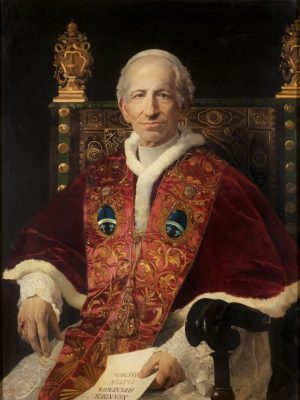
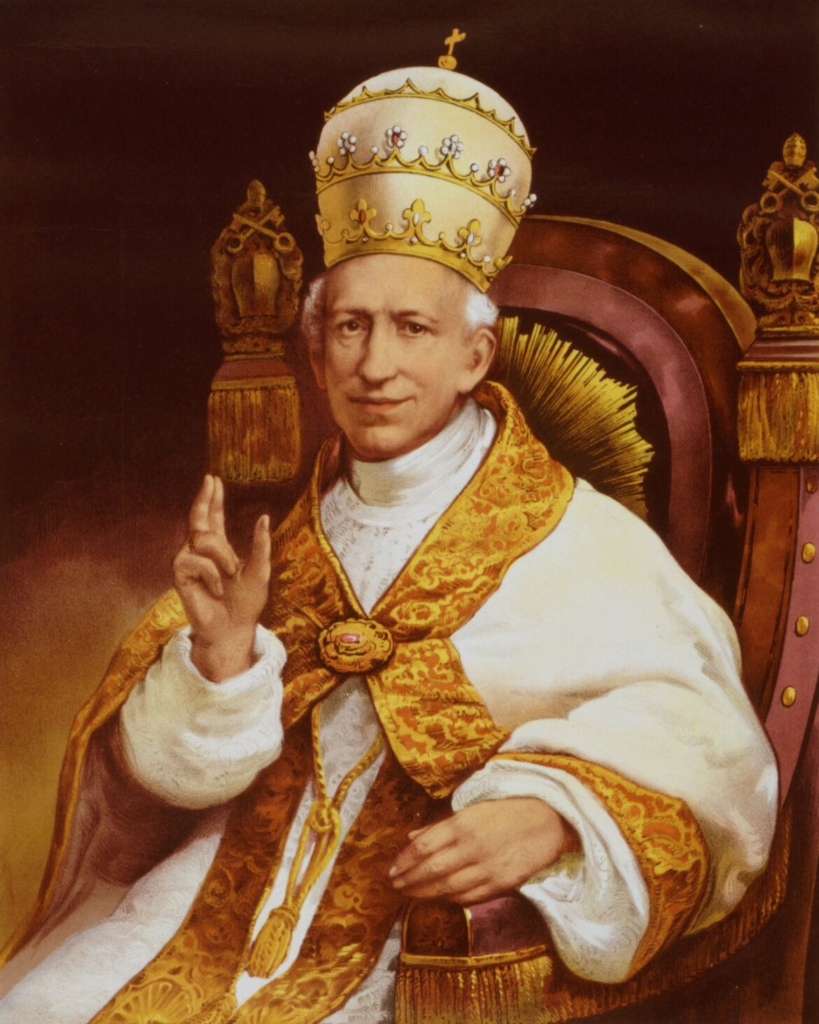
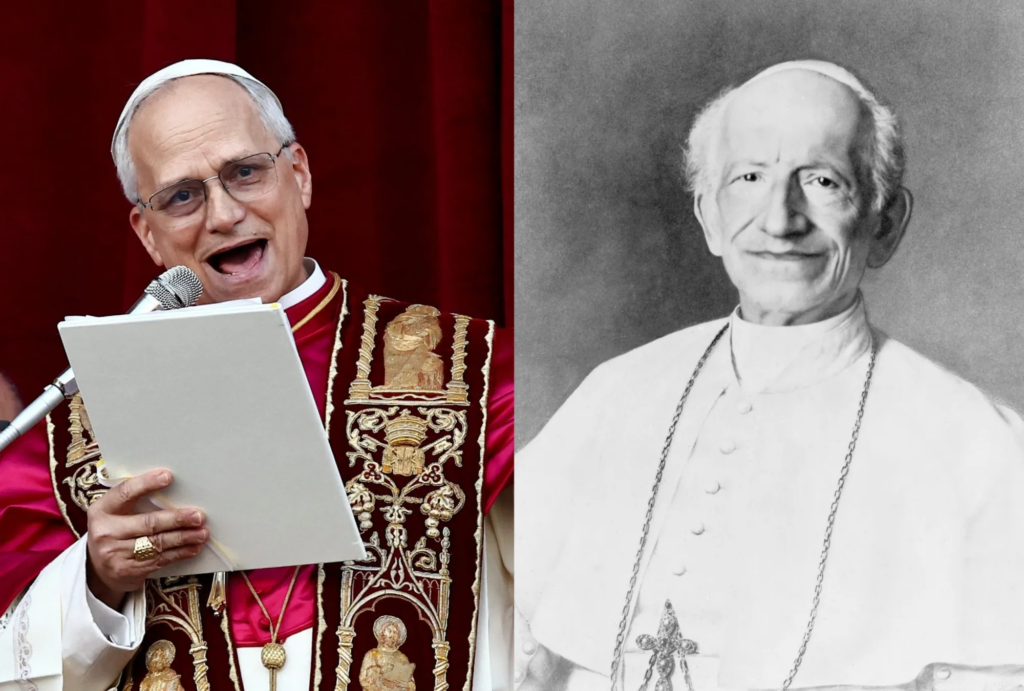
His name was Vincenzo Gioacchino Pecci. He was an Italian cardinal. He was elected toward the end of the 19th century, almost at the dawn of the 20th century, and took the name Leo XIII.
It is curious, and at the same time very interesting, that ancient papal custom according to which, once your fellow cardinals elect you in the famous conclave in the Sistine Chapel, you yourself choose the name by which you will be presented to the world. From that moment on, you are no longer just the man you once were. Nor are you the Lamb of God—for that title belongs solely to Christ—but you are indeed invested as the successor of Peter, Vicar of Christ, and spiritual head of one of the oldest, most sophisticated, and most powerful institutions in history. From that point on, when you speak from the Chair of Peter and under the doctrinal conditions recognized by the Church, you speak ex cathedra. And anyone who wishes to argue with you runs the risk of becoming—according to the old logic of religious power—an anathema, a dissident, or a satellite.
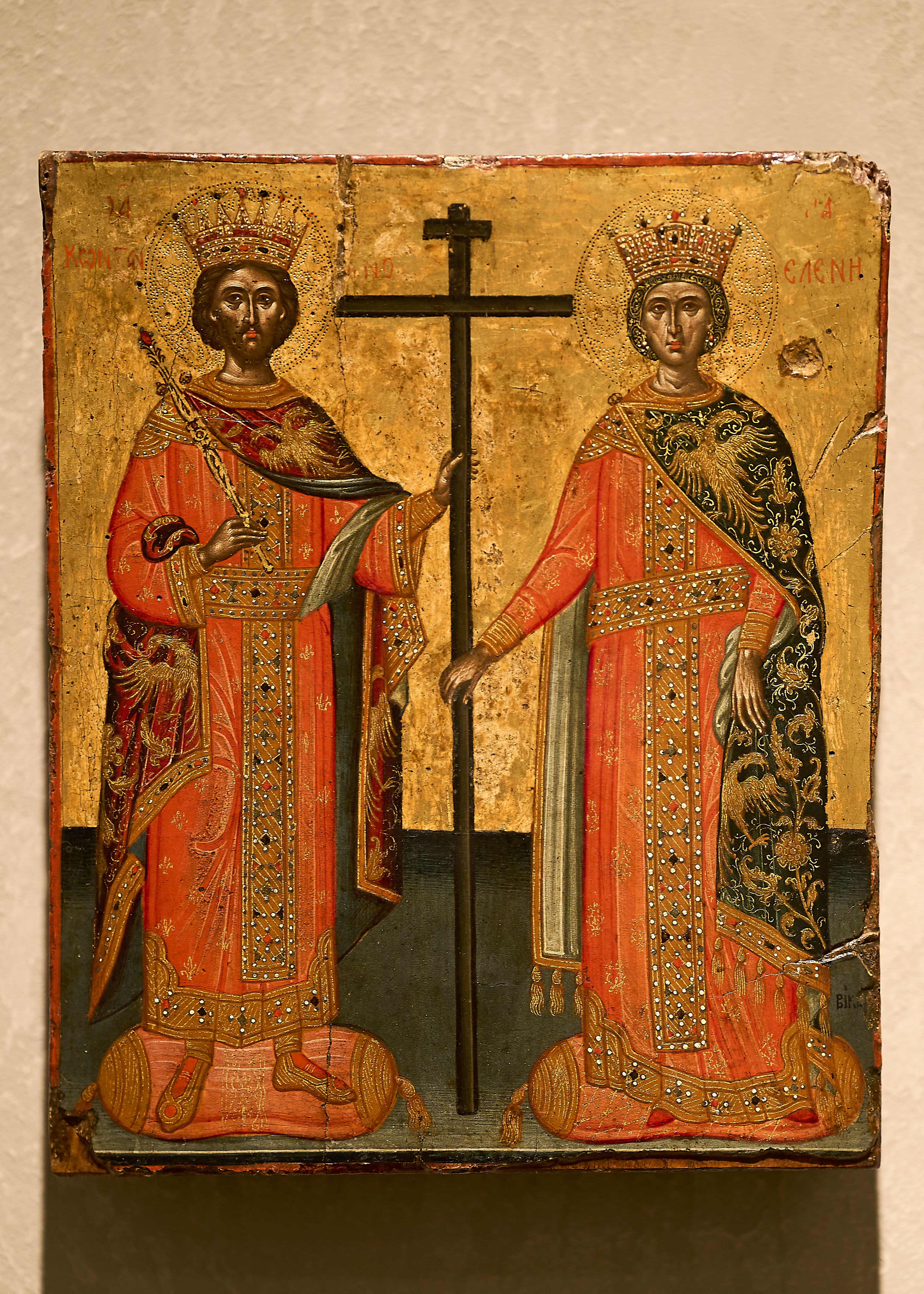
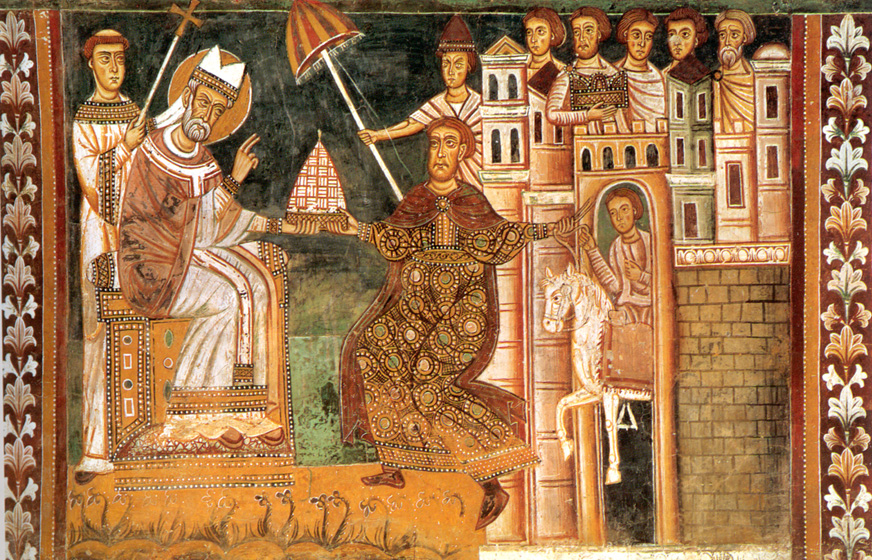
For centuries, ever since it took shape as a powerful organization, the Catholic Church has been arguably the wisest, oldest, and most resilient institution in the West. It has survived through shifting coalitions, pacts, balances of power, silences, doctrines, and alliances with temporal powers. Its decisive entry into the political history of the Roman world cannot be understood without Constantine, without the cross, without the vision of victory, and without the Edict of Milan of 313, which ended the systematic persecution of Christians and granted them legal recognition within the Empire. From that point on, Christians ceased to be merely fodder for the lions in the Roman circus and began, slowly but inexorably, to take their seat at the table of power.
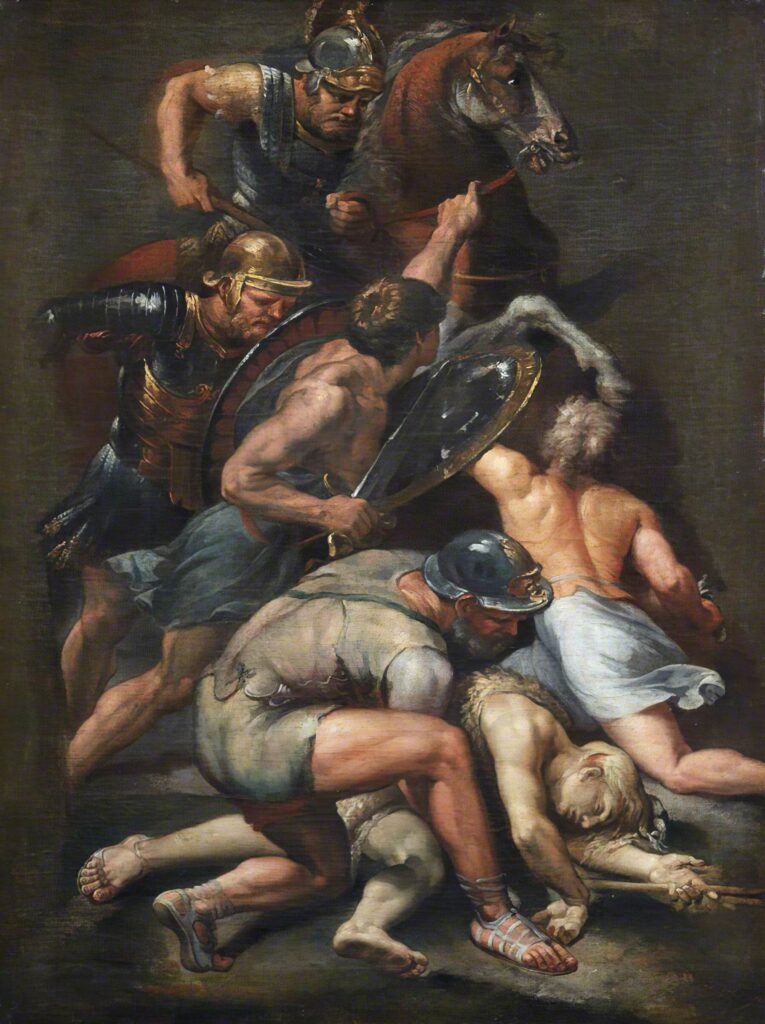
From that day forward, the cross and Constantine’s political success brought a new force to the table—one whose full extent no one at that time, nor even today amid all the existing crises and doubts, could have foreseen. Christianity ceased to be merely a persecuted faith and began to evolve into a spiritual, cultural, legal, and political framework capable of organizing entire civilizations.
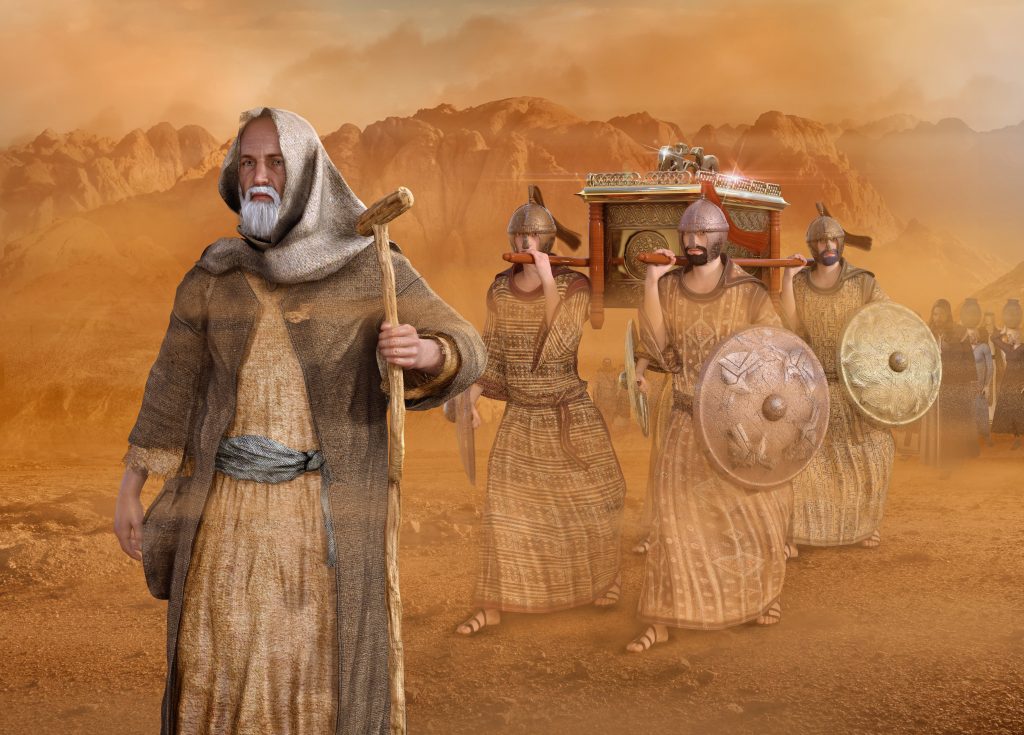
Perhaps this is because we humans, ever so aware of our weaknesses, our failings, and our shortcomings, resist accepting that the foundation of Judeo-Christian civilization rests on two essential pillars. On the one hand, the old covenant of the God, called Yahweh—“I am who I am”—when He chooses His people. On the other hand, the embodiment of the new covenant, when God decides to send His Son as a man, establishes not only the forgiveness of all forgiveness, but also the opportunity to make a covenant on a human scale.
In either of these two covenants, the potential for failure is very great. But so too is the level of hope, faith, and possible fulfillment. That promise of what tomorrow might be like has survived all the structural changes of history.
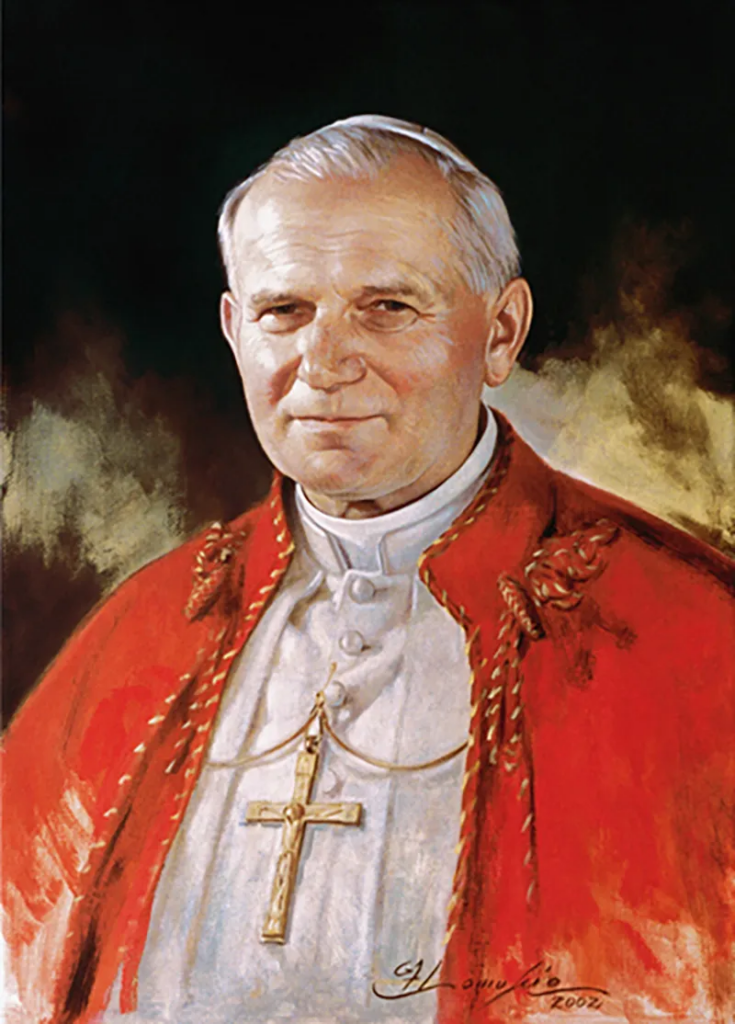
John Paul II was not merely a pope; he was a driving force behind the fall of European communism, the moral renewal of the West, and the restoration of the Church’s political authority on the international stage.
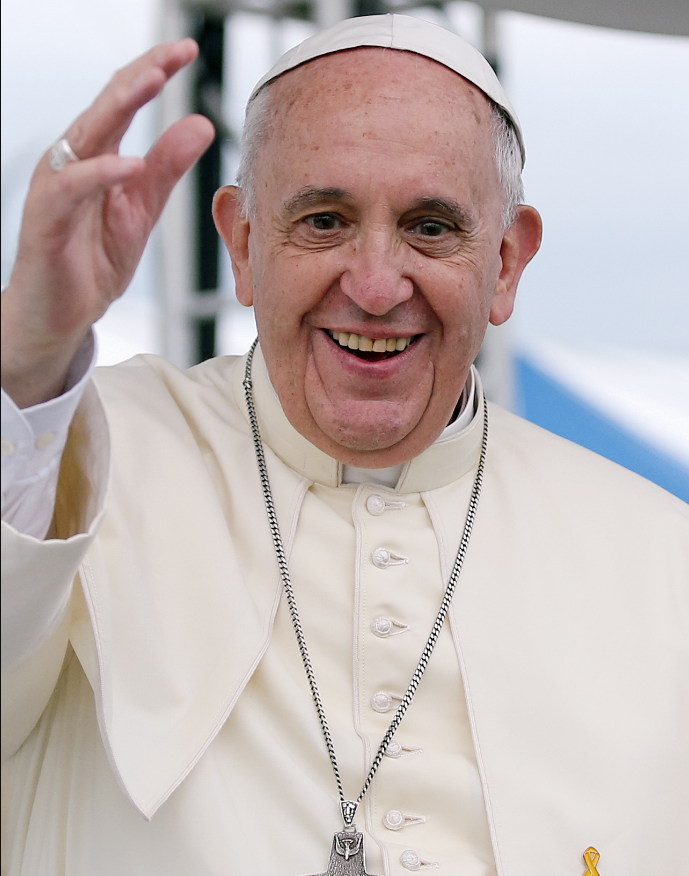
Then came Benedict XVI, with his theological acumen and his historic resignation—the first in nearly six centuries. Next came Francis, a Latin American breath of fresh air who deserves careful understanding: not only did he speak Spanish, but he also embodied a distinct sensibility. He was Argentine, and Argentines—however one looks at it and whoever sees it—are in a league of their own. Pope Francis brought a new breath of fresh air to the Vatican: more social, more peripheral, more pastoral, and more unsettling for the traditional balances of ecclesiastical power.
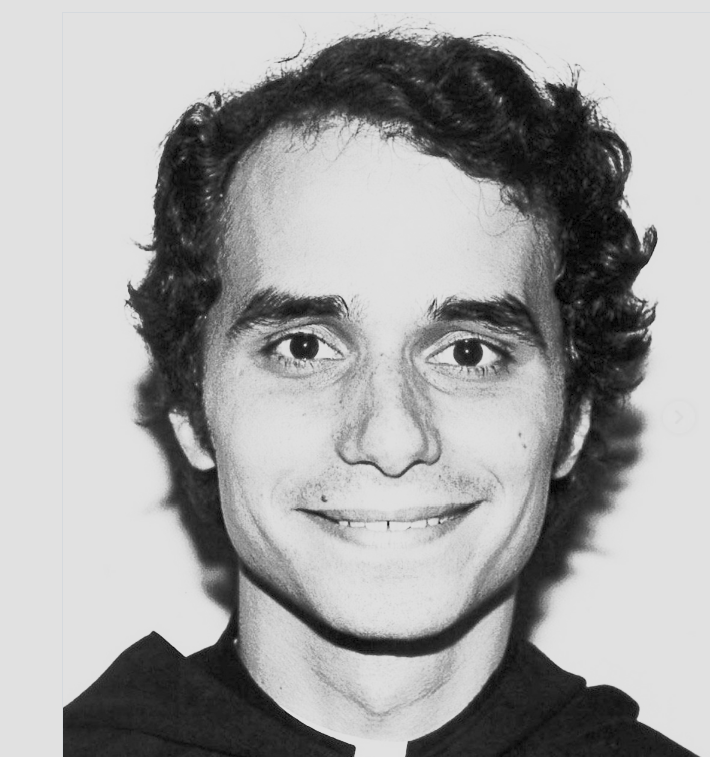
Robert Francis Prevost led a seemingly normal life. He was born in Chicago, attended ordinary schools, discovered a calling to the faith, entered the Augustinian seminary, became a priest, and eventually rose to be a trusted figure within the Church. He was one of those priests who not only administer the sacraments but are sent to difficult places to resolve complicated issues. Peru was pivotal in his life: Chulucanas, Trujillo, Chiclayo. It was no minor chapter, but a school in pastoral ministry, politics, and humanity.
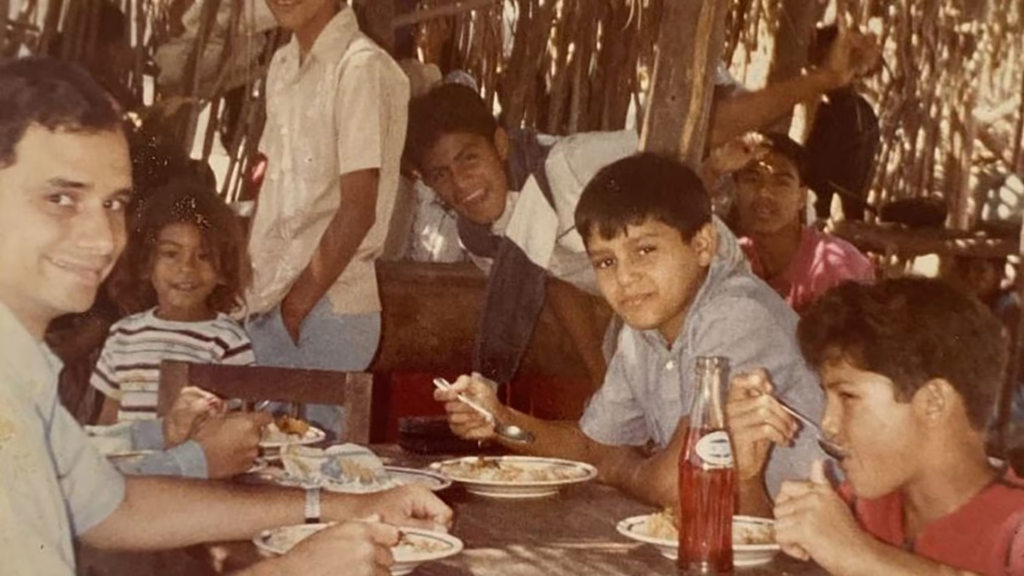
In his blood—as an American and a man raised in Chicago—he possessed firsthand knowledge of the weaknesses and strengths of the American Empire. But through his personal life and spiritual development as a missionary, apostolic administrator, and later bishop of Chiclayo, he also learned that there are people who are neither Anglo-Saxon nor “gringa,” nor do they eat three meals a day. He learned that there are people for whom every day of life—and often every meal of the day—is a manifest miracle.
That blend made him an ideal, almost perfect figure—first to engage with the issues of our time and then as an antidote to that disease that has swept politically from north to south, from West to east, and practically across the entire world: populism. In less than two years, he went from being a cardinal to Leo XIV.
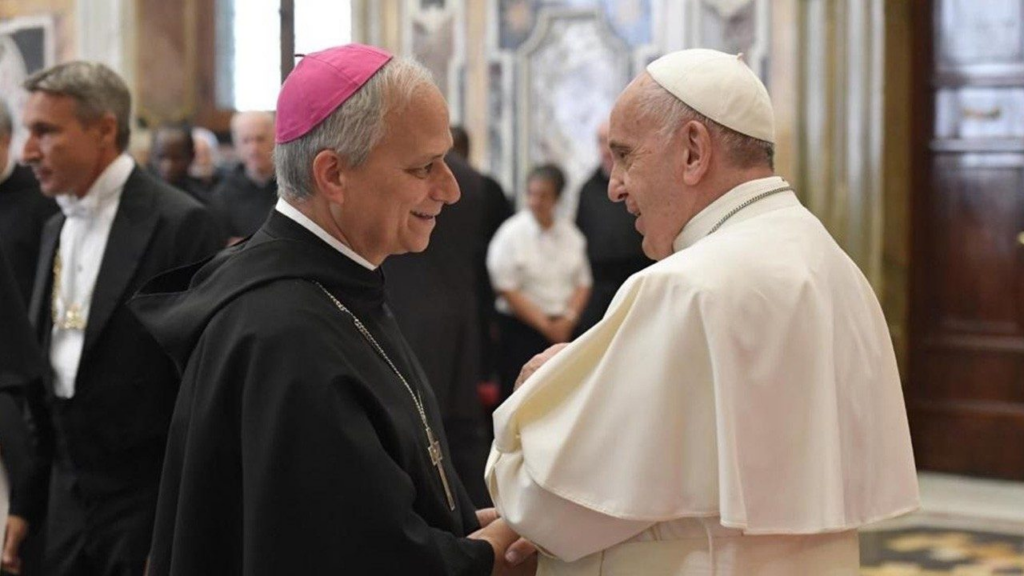
Prevost has experience in the Curia and understands the historical weight of the contemporary papacy. He knows that John Paul II’s legacy not only endowed the Church with a leader whom—without error and without fear of admitting it—one can call the man of the century, but also changed the world.
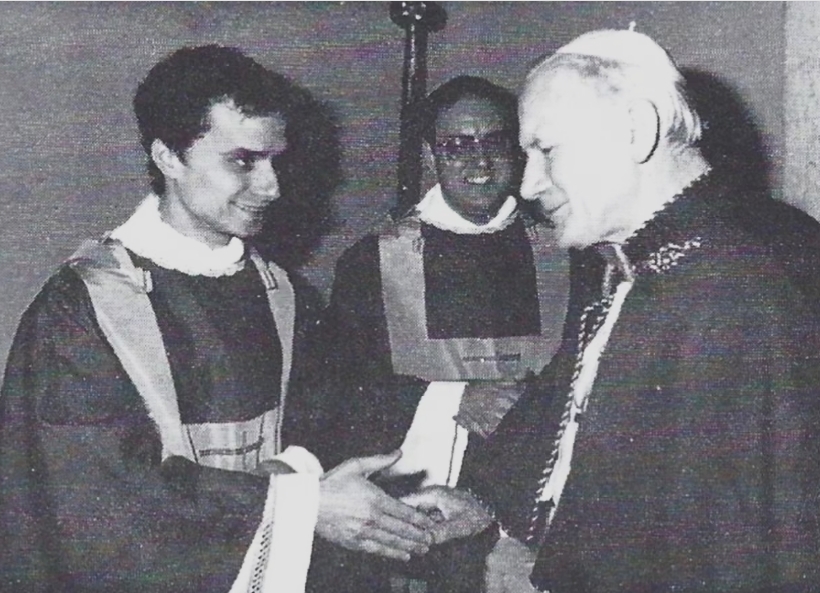
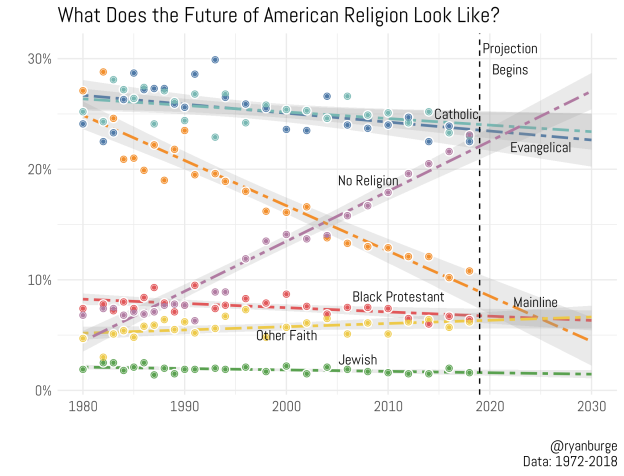
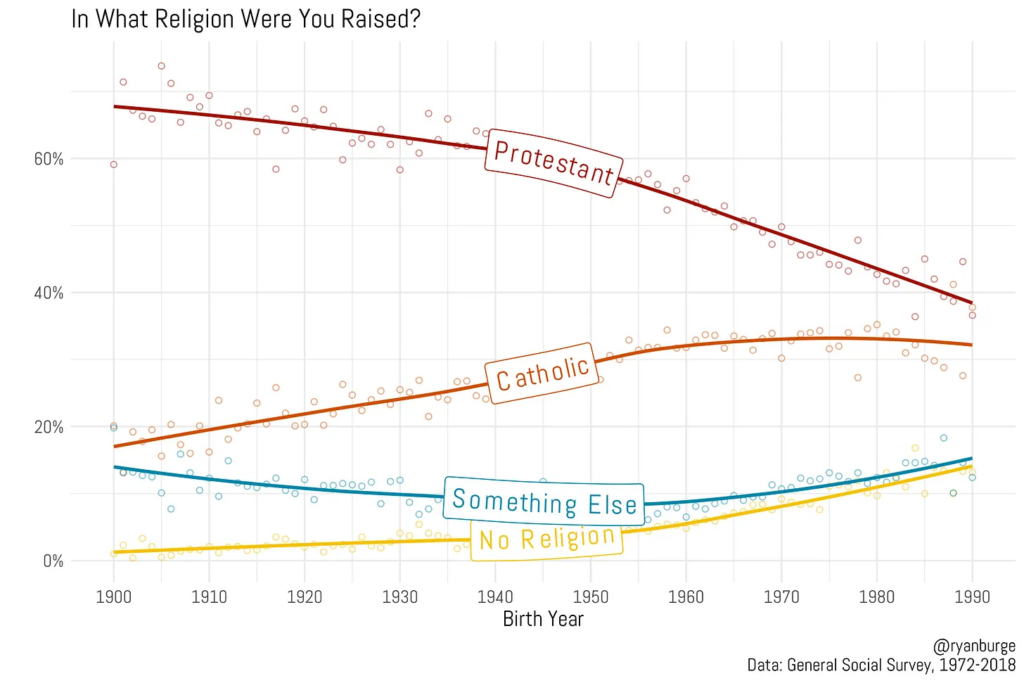
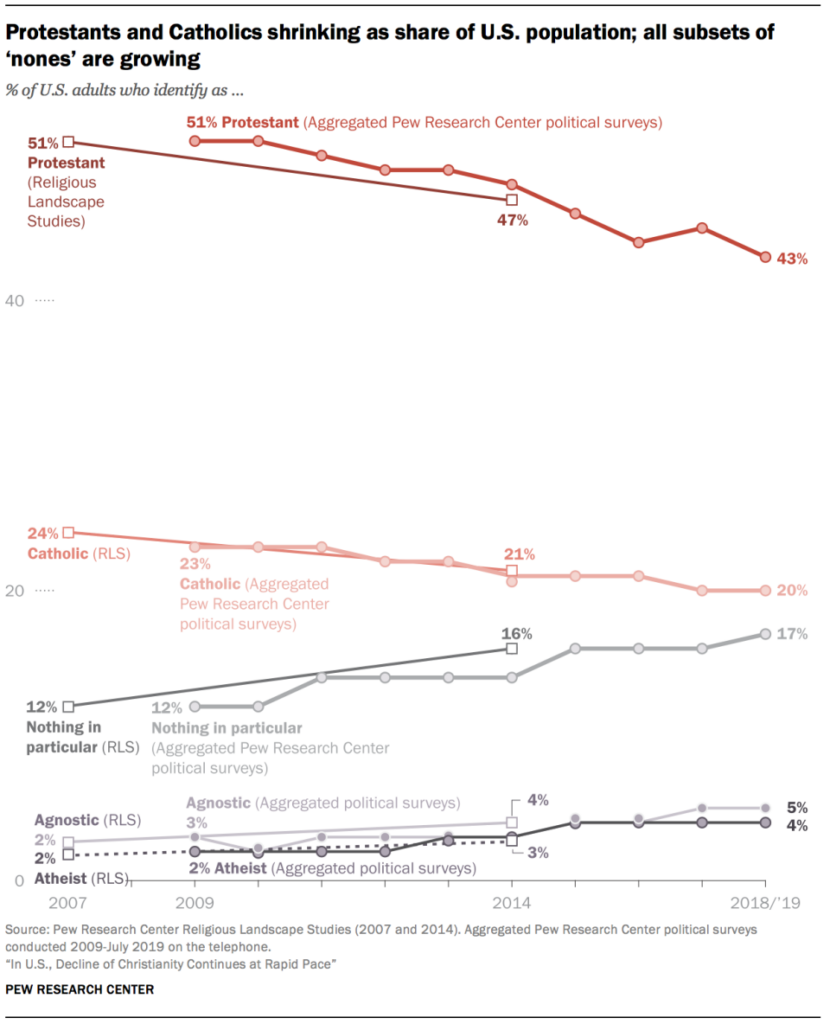
However, since the passing of John Paul II, the Church has been in a state of constant crisis. Benedict XVI’s resignation opened an enormous symbolic rift. Catholicism—with all its liturgy, all its traditions, all its riches, and all its claims to be the presence of God on earth, but also with its long history of serving earthly power—ended up facing a serious crisis of credibility. Membership rolls, lists, churches, and registries of those who still consider themselves Christians in an institutional sense were depleted.
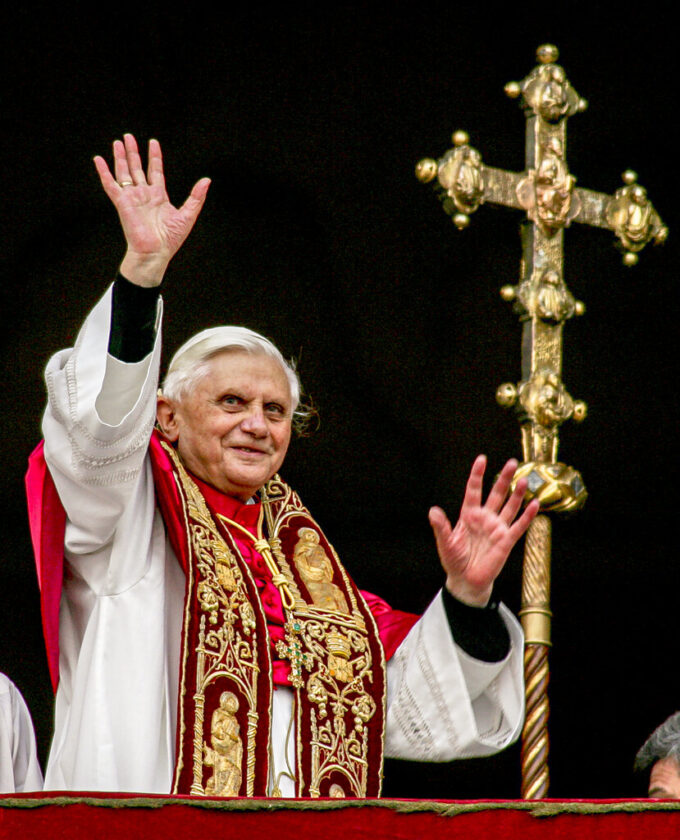
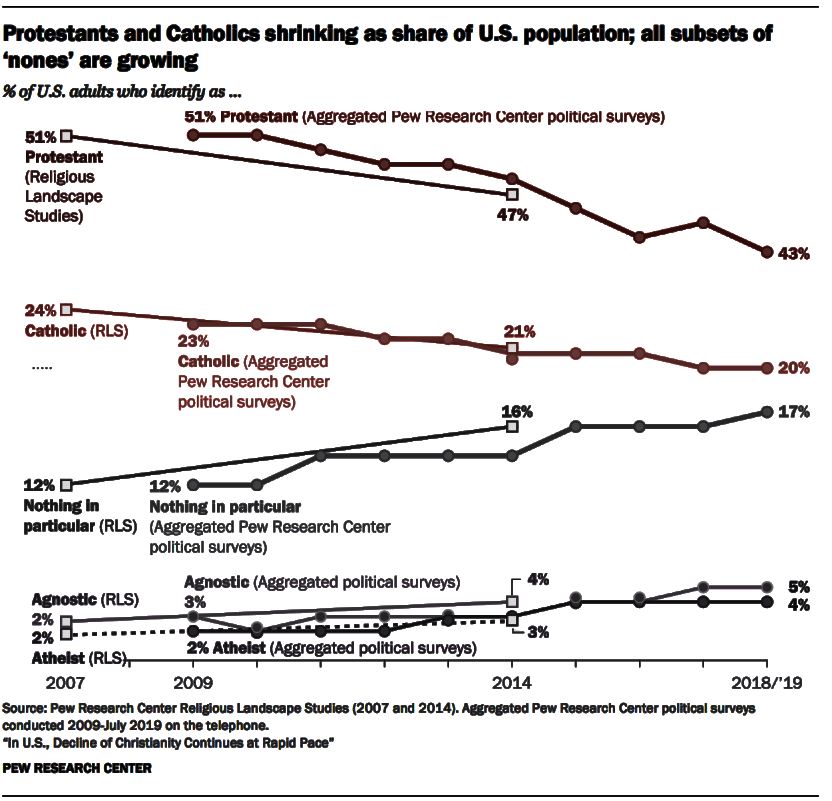
It cannot be said, strictly speaking, that Catholicism has disappeared. Globally, the number of Catholics has continued to grow. But it is evident that in the West—and very clearly in the United States—Catholicism is losing relative influence, cultural authority, and institutional appeal, while Christianity is fragmenting into new churches, evangelical movements, independent communities, and religious expressions that are more emotional, more direct, and better adapted to the contemporary spiritual marketplace.
Even so, we must acknowledge that the school is the same. From the first great alliance between the papacy and modern political powers—think of Alexander VI, the Catholic Monarchs, Isabella and Ferdinand, the papal bulls, and the symbolic and legal division of the world—what emerged was not merely an ecumenical or pastoral consolidation. A power structure was also born. A structure capable of killing in the name of civil incorporation, of dictating loyalties, of demanding taxes, of imposing obedience, and of defining who was included and who was excluded from the regime of salvation.
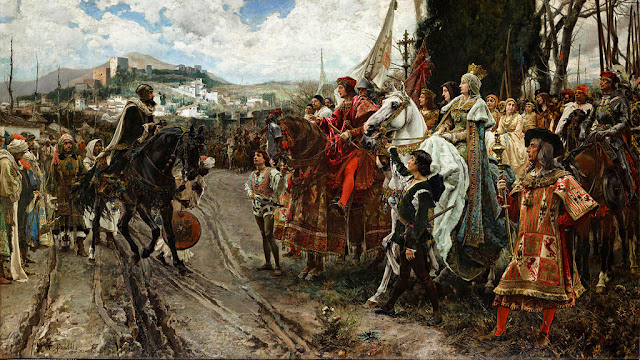
To put it another way: in addition to paying the taxes that were required at the time, and in addition to being loyal unto death as if they were members of the 4T, one had to understand that, to be a good Christian, one had to be fully part of the Catholic regime. Why? Because political regimes and the Catholic regime merged for centuries into a single logic of obedience, belonging, and control.
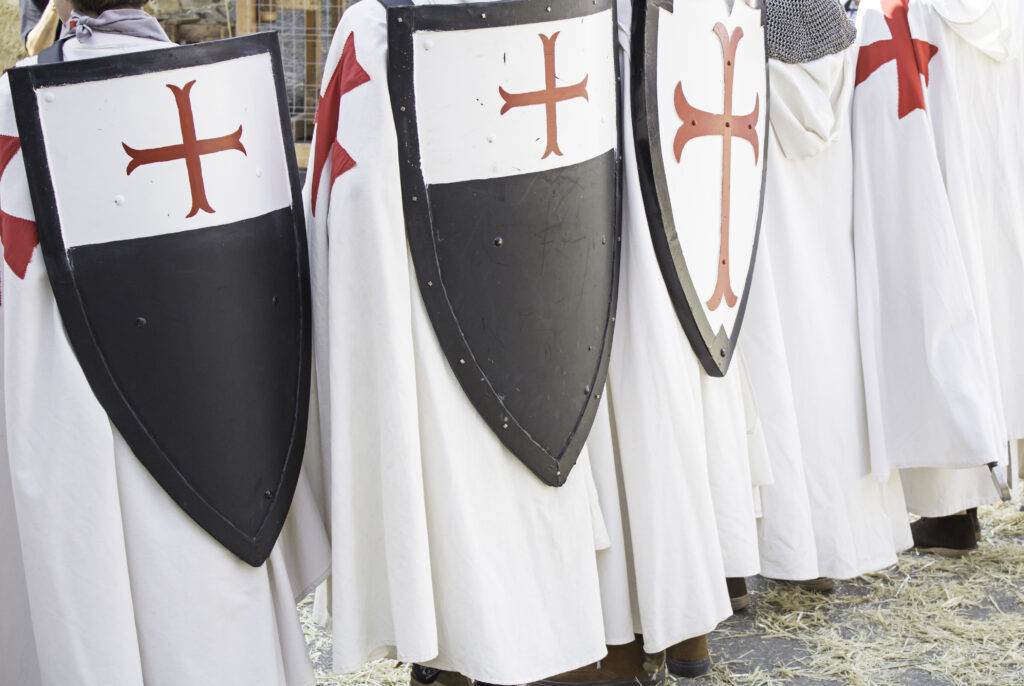
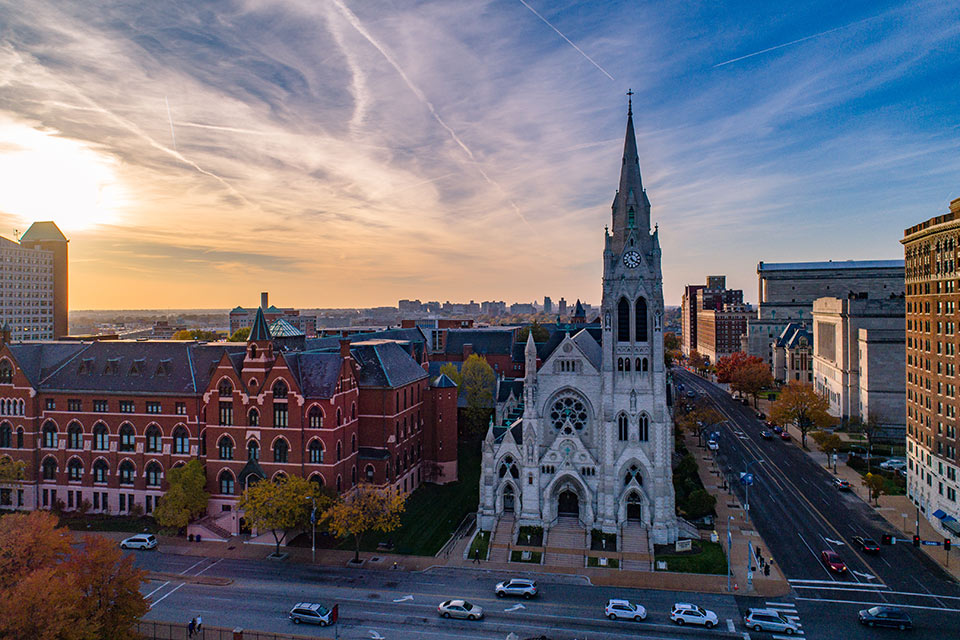
The Church derived its power from its alliance with politicians, but also from its monopoly on meaning, public morality, education, and the social sciences of its time. The most important arena for the Church and institutional Christianity to exercise their power was through universities, schools, elite education, and the cultural stewardship of truth.
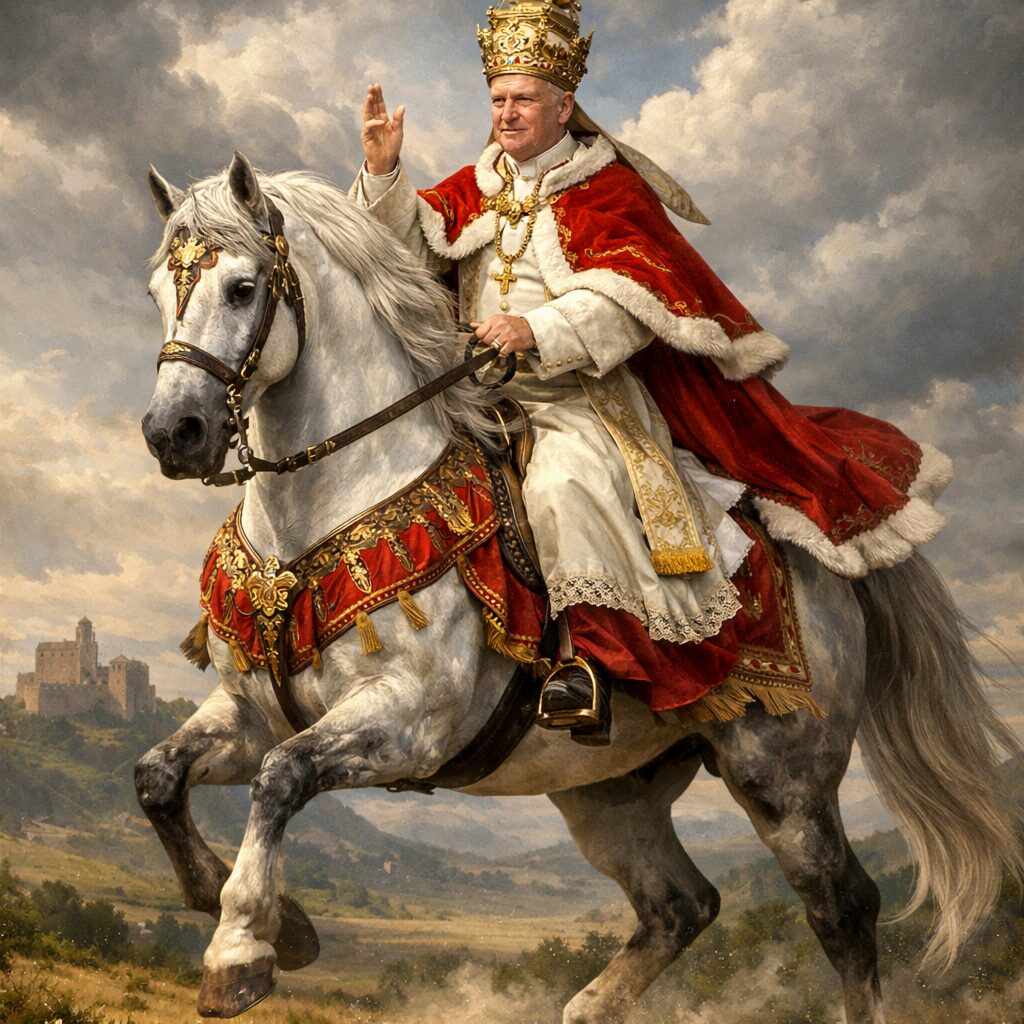
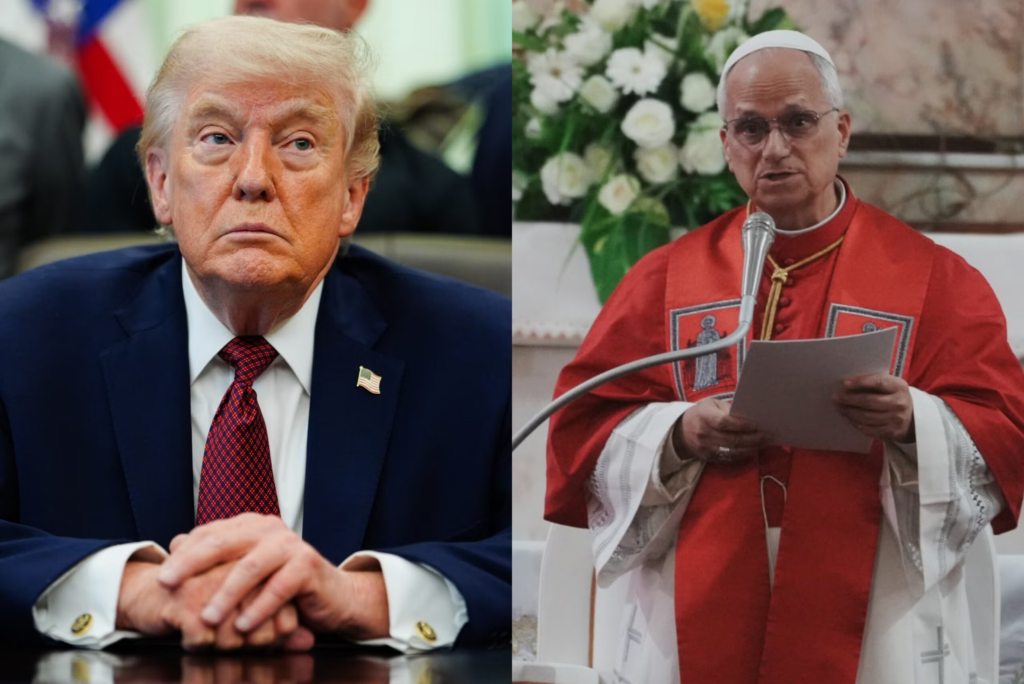
That is why Leo XIV began his pontificate by placing himself at the center of major contemporary debates. It did not take long for him to clash, directly or indirectly, with the president of his own country. As an American and as Pope, he told Donald Trump that he was against war and that Trump was wrong. This prompted a harsh reaction from Trump against the papal figure. This development cannot be downplayed when we consider that, although the United States is predominantly Protestant as a whole, Catholics remain one of the country’s largest religious groups and outnumber any single Protestant denomination.
The problem is that crimes linked to abuse within the Church, the loss of moral authority among a segment of the clergy, and the rise of new Christian movements in contrast to the established churches have weakened the Catholic voice’s ability to shape public debate. A connecting point was missing. Something was needed to bring the papal voice back to the forefront of the news and social influence.
That point was artificial intelligence.

Artificial intelligence is, today, one of the world’s greatest challenges. That is why it is not surprising that, in a plan perfectly premeditated and executed in true Vatican style, Leo XIV’s first major encyclical, *Magnifica Humanitas*, was dedicated to the defense of the human person in the age of artificial intelligence. It was not an impromptu gesture. It was a way of saying that, just as Leo XIII addressed the labor issue, industrial capitalism, and the conflict between capital and labor in *Rerum Novarum*, Leo XIV intends to confront the new technological revolution, the power of algorithms, the automation of human decision-making, and the threat of a civilization governed by soulless systems.
But he didn’t stop there. He took up his “rifle”—in a political and moral sense—and stood up to Trump. When Trump struck back, he struck back again with an even stronger stance: not from a partisan political perspective, but from the perspective of peace, human dignity, the rejection of war, and the moral obligation to declare that there is a better way to resolve conflicts.
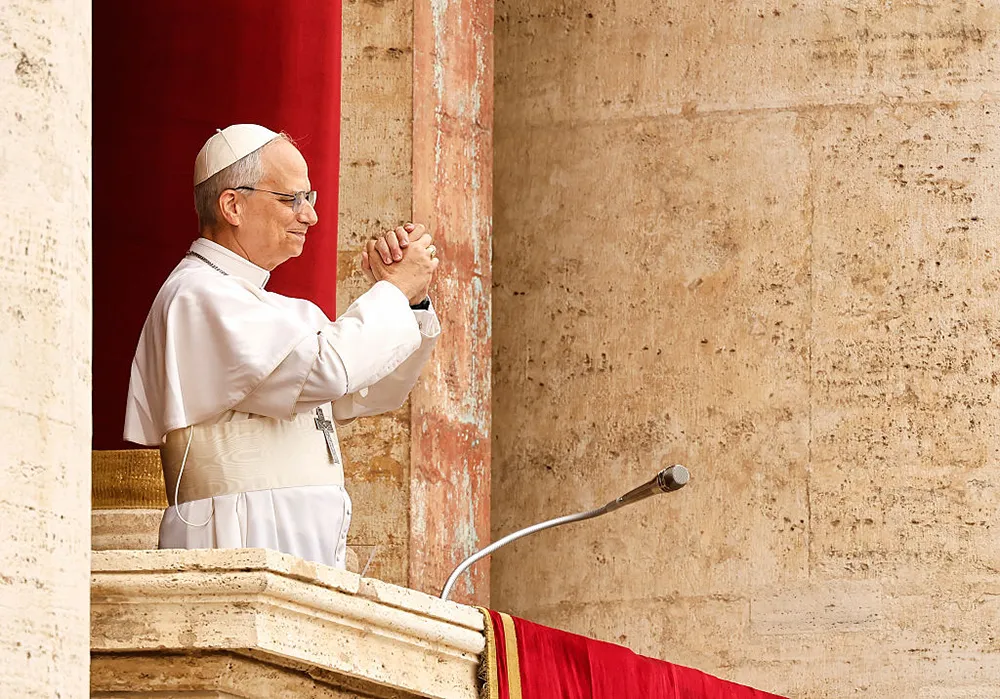
Then he boarded his plane and flew to Spain, where he made one of the most memorable papal visits to a deeply divided and polarized Spain. There, he not only gave Pedro Sánchez a political lifeline by taking a stand against war, but he also addressed the Spanish Parliament and stated—with the precision of someone who knows exactly what he’s talking about—that the polarization among politicians is one of the surest paths to war. When politics becomes polarized, it eliminates the adversary and creates an enemy. And wars, in the end, are waged against enemies.
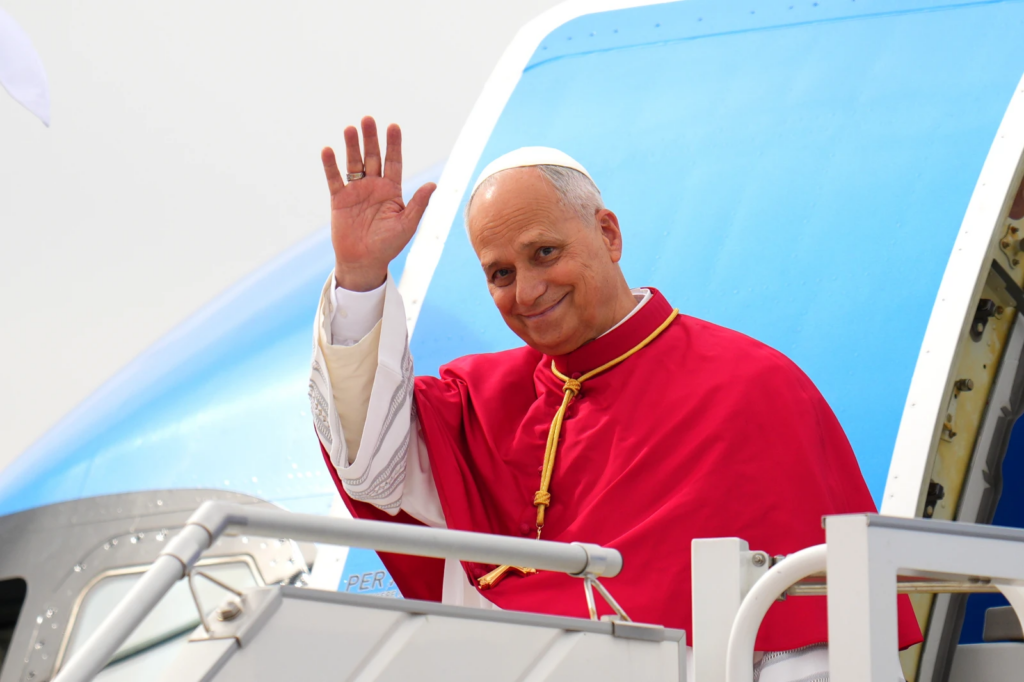
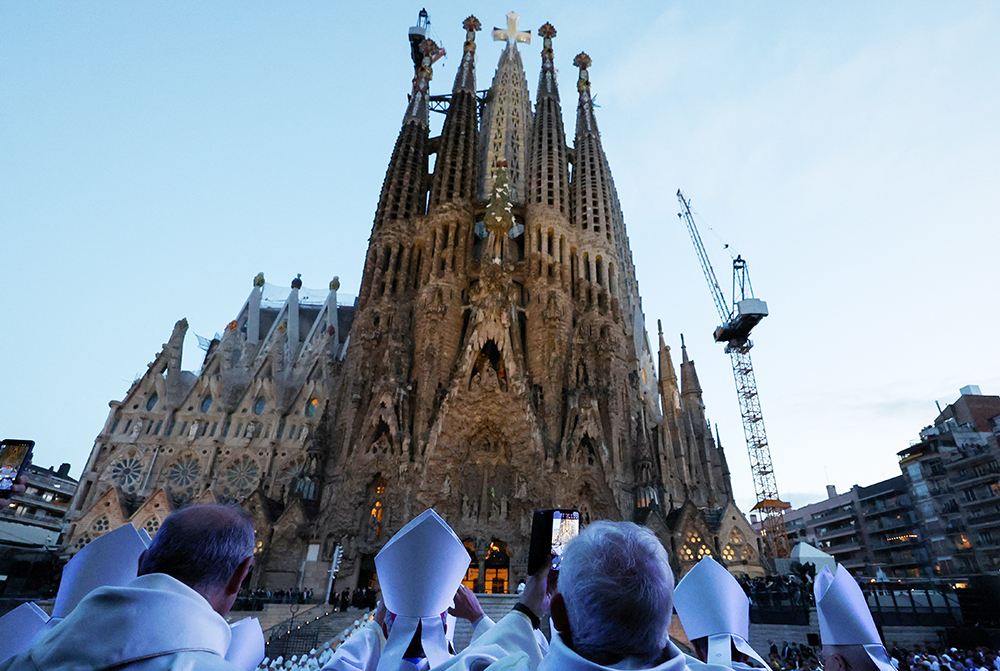
He then went to Barcelona, knowing that Catalonia remains one of Spain’s persistent territorial issues. Not because all Catalans do not want to be Spanish, but because a significant portion of the Catalan political establishment has for years been advocating an emotional, institutional, and national break with the Spanish state. From the Sagrada Familia, as he blessed and inaugurated the tower of Jesus Christ—the tallest in the basilica and a symbol of one of the world’s tallest churches—he called for unity, understanding, and reconciliation.
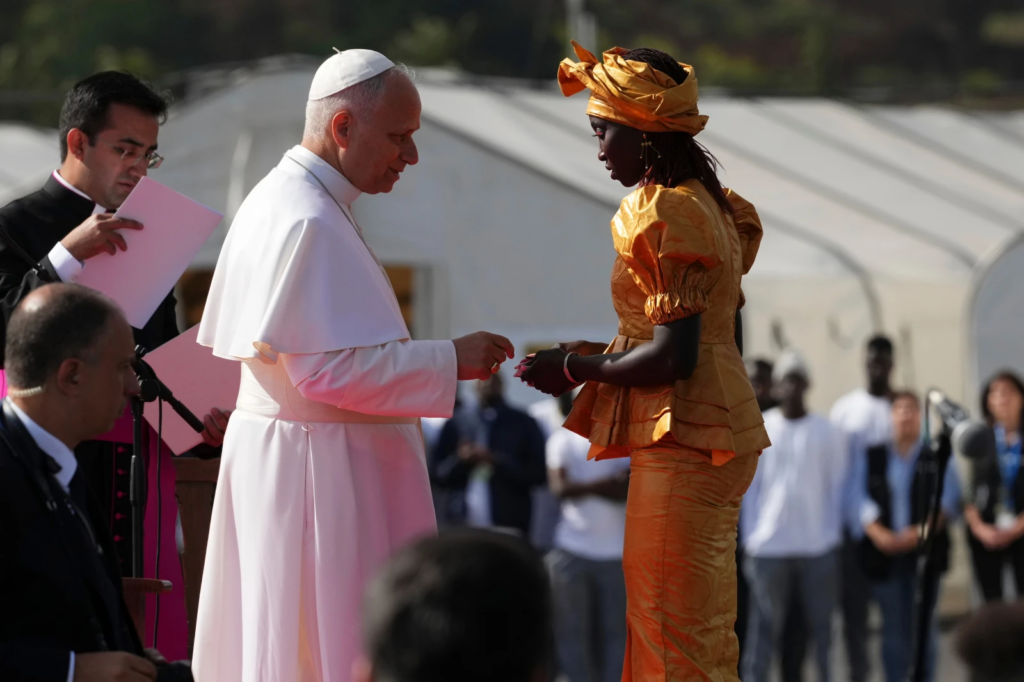
Finally, his farewell in the Canary Islands touched on one of Europe’s deepest wounds. The waters surrounding the Canary Islands are littered with the bodies of far too many migrants who attempt to reach Europe and drown at sea. His description was brutal in its simplicity: “Europe cannot proclaim human dignity and grow accustomed to the Mediterranean and the Atlantic being cemeteries without headstones.”
He left no fundamental issue on the table unaddressed. He touched on artificial intelligence, war, polarization, migration, the crisis of democracy, the fragmentation of nations, rearmament, human dignity, and the loss of morality in politics. But he did not address them to fuel conflicts, to create new problems, or to highlight the gravity of each. He addressed them to warn that, if we continue down the path of polarization, dehumanized immigration, internal divisions within nations, contempt for our adversaries, and a fascination with war, what awaits us is not a passing crisis, but an eternal war.
León XIV is named after Leo XIII, the pope who wrote *Rerum Novarum*, the first major social encyclical in the Vatican’s modern history and the text that established the Church’s social doctrine regarding labor issues, industrial capitalism, and the dignity of work. León XIV has not only lived up to that legacy—he has brought it up to date. He has illuminated with tremendous clarity the need to reclaim moral authority in today’s world.
And that is perhaps the key to it all. In an era when politicians hurl insults at one another, countries are fracturing, societies are polarizing, technologies are advancing without conscience, and wars are once again being presented as an inevitable fate, the emergence of a moral voice with global reach is no minor matter. It is, once again, the Church attempting to do what it does best when it grasps the magnitude of history: riding out the chaos to remind us that power, without human dignity, always ends in ruin.
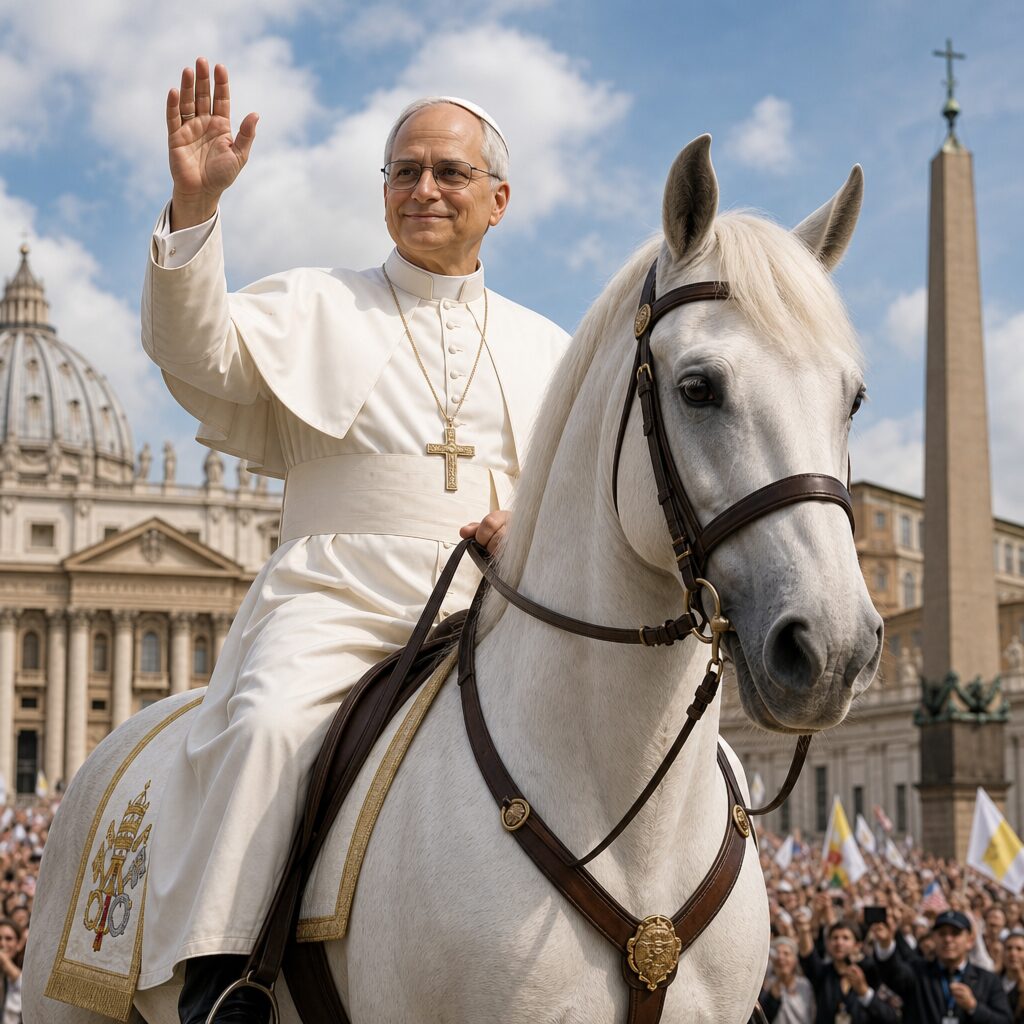
At the end of the day, the only constant since the beginning of time has been faith grounded in the belief in God’s existence. Today, amid these times of crisis, change, and uncertainty, faith is stronger than ever. That is why it is essential to reclaim the moral message of faith and belief in God.

Further Reading: