
Luis Rubio
A government that claims to put the poor first has, over the past eight years, delivered something closer to the opposite: a steady, deliberate erosion of opportunity—especially the kind that shapes the future. Earlier administrations were hardly exemplary, but the downturn today is unmistakable. The goal should be a more equitable future. Without economic growth, that goal is out of reach. And nothing in Mexico’s current policy landscape points toward growth.

Start with electricity. Globally, energy—especially reliable electricity—has become the defining constraint on development. In an age driven by high technology and artificial intelligence, power supply is not just another input; it is the bottleneck. Even under ideal political and legal conditions, investment will not flow where electricity does not.
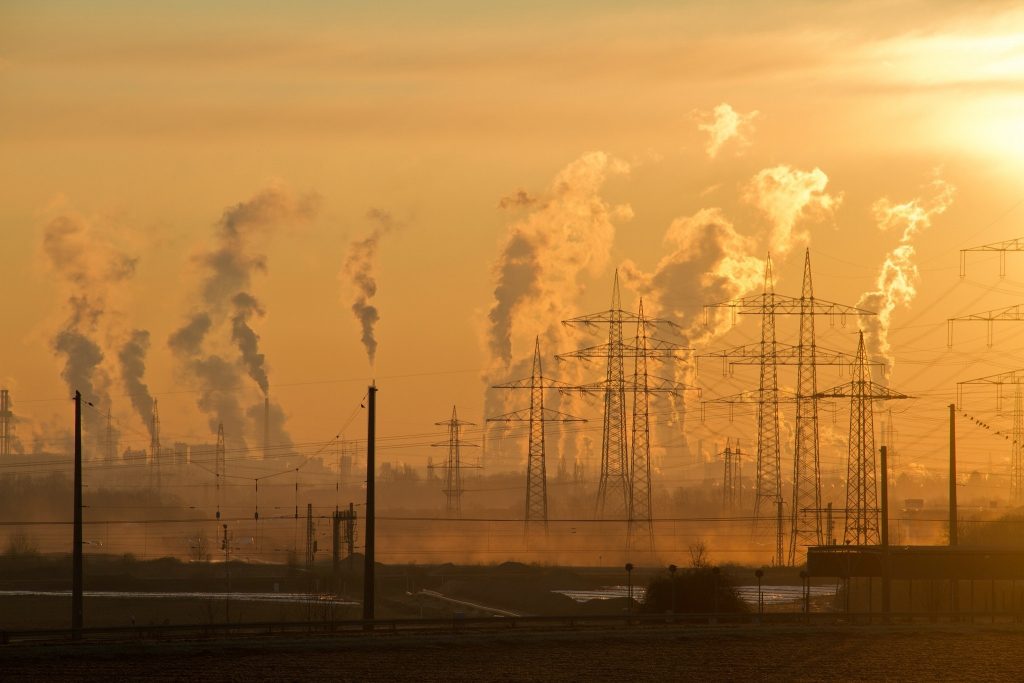
Yet Mexico’s last two governments have treated energy less as an engine of growth than as a nationalist emblem—closing doors instead of opening them, as if the sector were a relic to be preserved rather than a system to be expanded. Layer onto that a steady stream of political and legal changes, and the odds of economic reactivation shrink further.

Consider exports. Since the North American trade framework took hold, they have been Mexico’s main growth driver. But they never lifted the entire country. The oft-quoted “2 percent” average growth rate obscures more than it reveals: some regions surged—at times at near-Asian speeds—while others barely moved. The gap between export-linked states and the rest widened dramatically. It is striking that a government committed to the poor failed to create conditions for the southern states—the country’s poorest—to replicate the transformation long underway in the north.

Rather than deepening Mexico’s role as a manufacturing powerhouse, current policies have weakened the link between exports and the broader domestic economy, reducing local value-added and pushing the country back toward a maquiladora model. Assembly plants generate jobs, but the real objective should be to move up the value chain. That requires two things the current nationalist mindset resists: an education system that emphasizes skills—math, language, and respect for entrepreneurship—and a legal framework that actively promotes investment in electricity.

The rest of the world is moving in the opposite direction. Massive investment in power generation is fueling entire ecosystems—computing, engineering, construction, materials—and transforming sectors from health care to transportation to robotics. The opportunities are obvious. But Mexico’s aversion to private investment and its rigid nationalism are turning those opportunities into missed chances—and, ultimately, into lower living standards.

The contrast is stark: a world accelerating, and a Mexico standing still. As global industries evolve, Mexico risks being locked into a narrow role—an assembly platform benefiting only a slice of its population—rather than riding the broader wave of growth, especially alongside its largest trading partner.

Instead of enabling progress, policy choices increasingly look designed to block it—limiting value creation in existing industries and stifling the emergence of new ones.

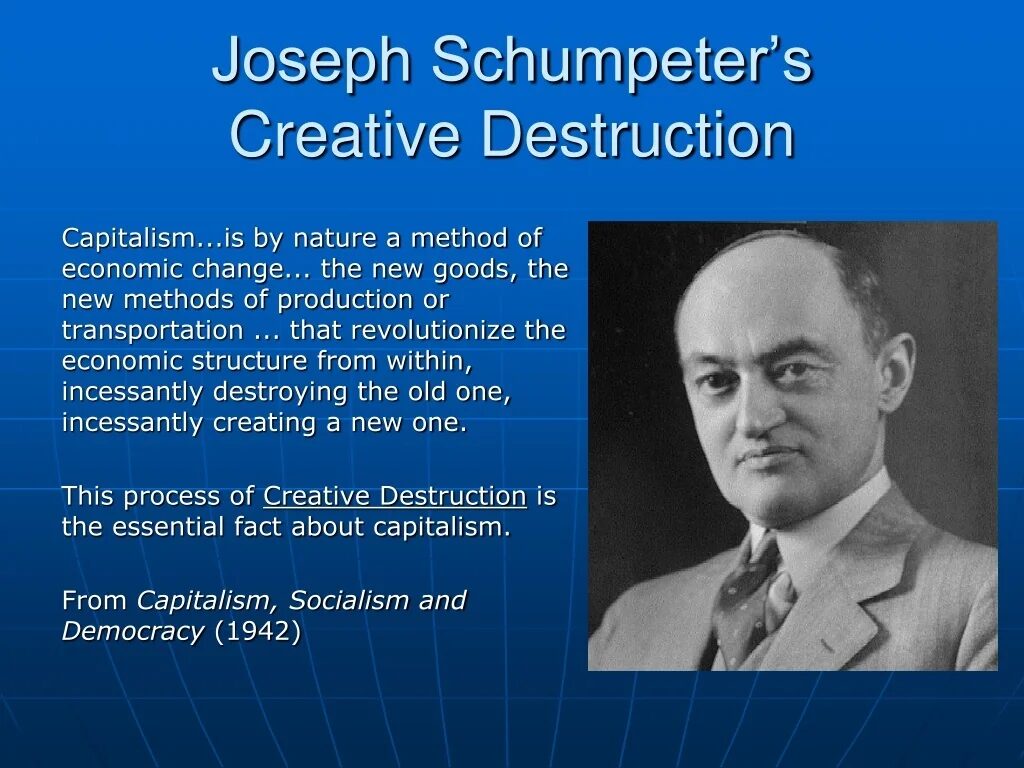
The economist Joseph Schumpeter called this process “creative destruction”: economies advance by breaking outdated structures and assumptions. Mexico today needs precisely that—a break from the constraints it has imposed on itself. Delivering it should be the defining test—and legacy—of President Sheinbaum’s administration.
@lrubiof
The original Spanish version of this article can be found at www.luisrubio.mx
Further Reading: