Luis Rubio
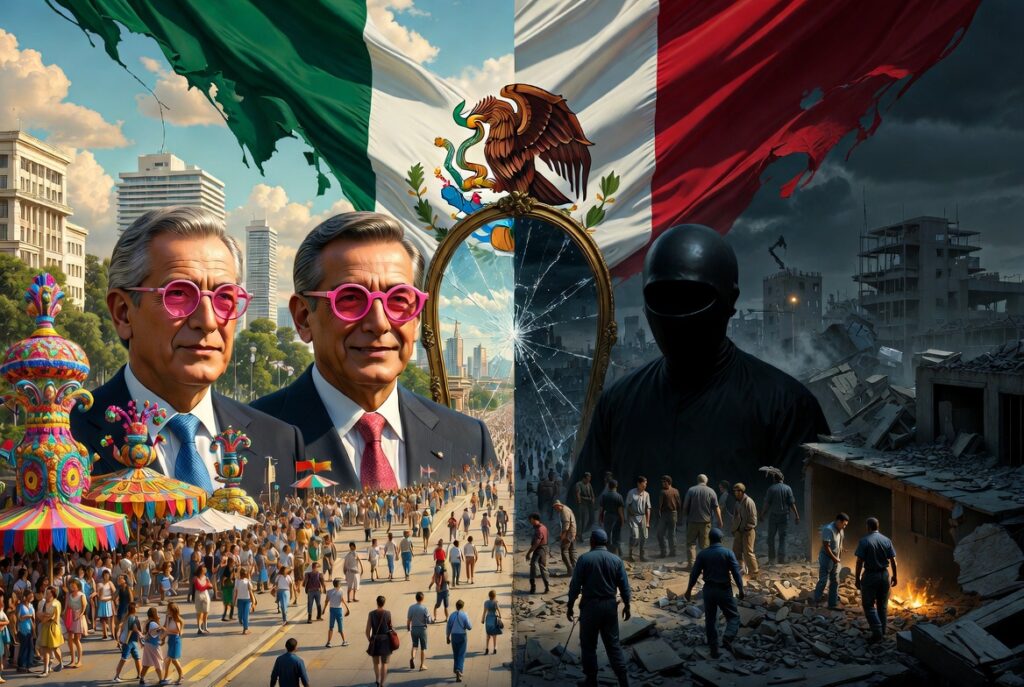
An old Soviet joke tells of a man who asks for a doctor specializing in both eyes and ears. The clinic says no such specialist exists—only eye doctors or ENT physicians. The man insists he needs someone who can explain why what he sees doesn’t match what he hears.
That gap between narrative and reality captures today’s Mexico.
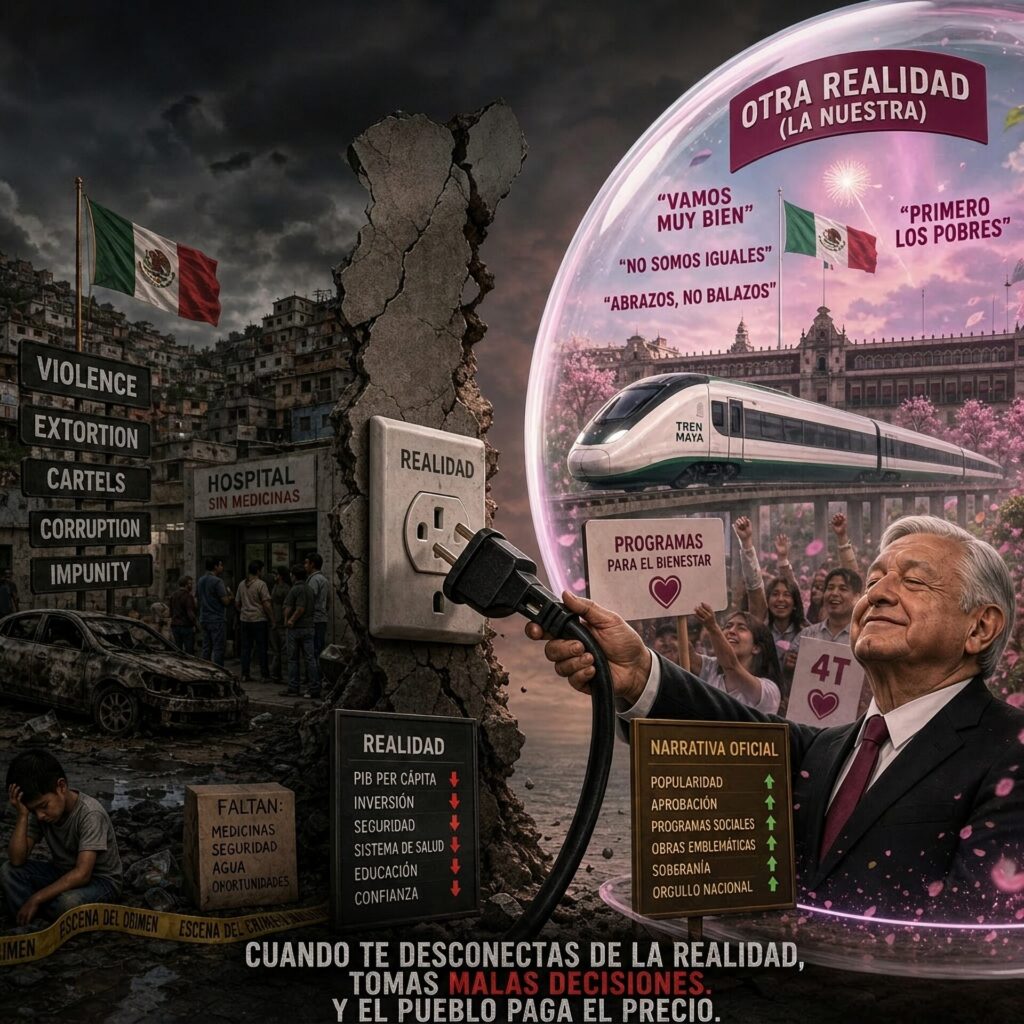
The official story is familiar: a thriving democracy, a broadly loved government, an economy “moving like a train,” a health system nearing Danish standards, and growing security for families. That’s the message.
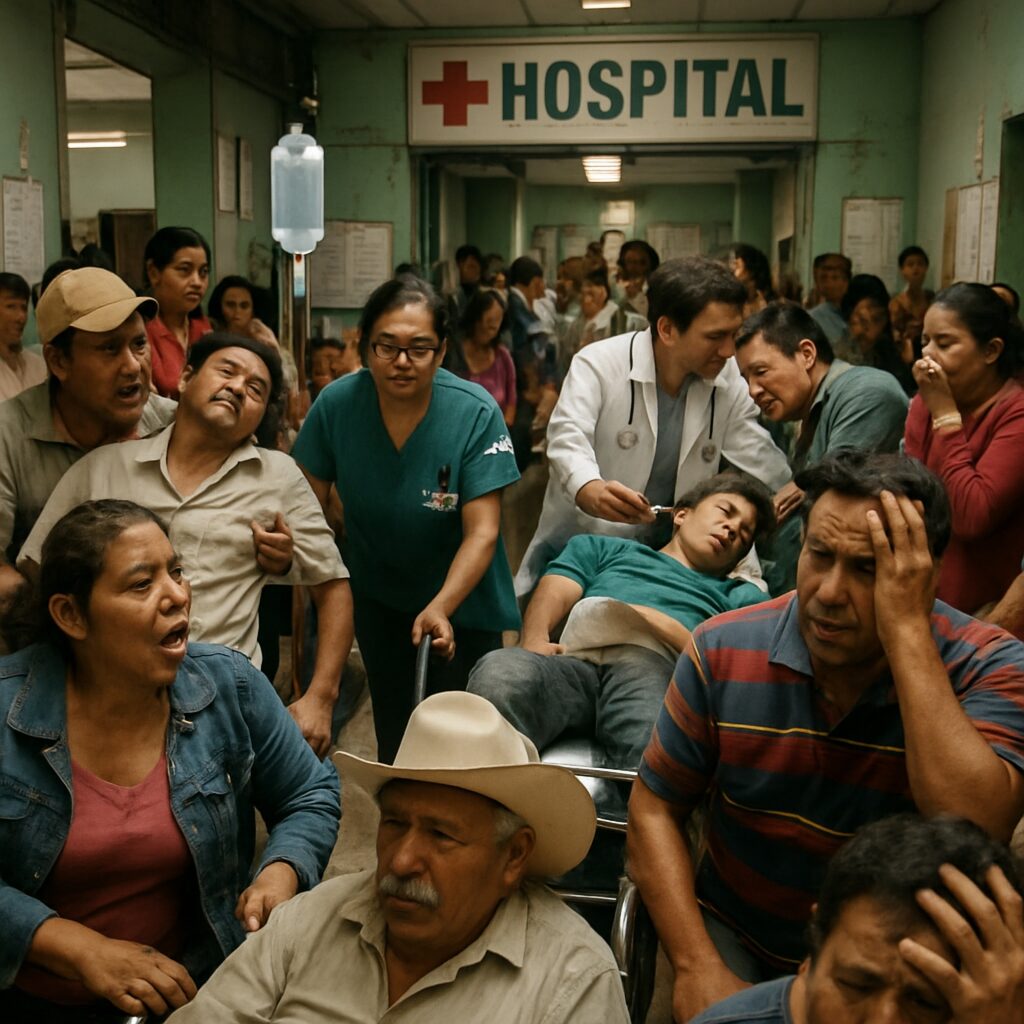
Reality tells a different story. Power is increasingly concentrated, tolerance is shrinking, and authoritarian tendencies are more visible. The economy is weakening, public debt is rising, and vast subsidies continue to flow into black holes like Pemex. The health system lacks even basic medicines. Homicides may be down in some areas, but extortion remains pervasive. On top of it, the government is brewing a conflict with Mexico’s main trading partner and neighbor.
Mexico’s political system has indeed changed—just not in the way its proponents claim. High approval ratings are held up as proof of democratic vitality. But the institutional foundations of democracy—checks and balances, independent courts, autonomous regulators—are steadily eroding. Power is being centralized, not constrained.

The regime has indeed changed, in an attempt to recreate the old 20th-century system. In truth, the resemblance is superficial. Yes, the presidency is once again dominant, albeit agitated. But unlike the institutional presidency of the past, today’s version is more personalistic and less bounded. And unlike the old regime, it lacks the professional political class, internal discipline, and statecraft that once underpinned stability.
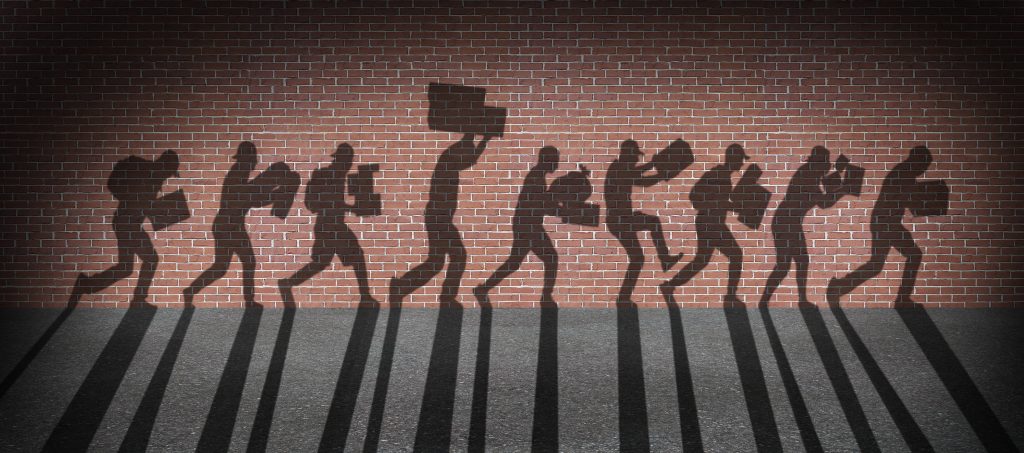
What is returning, instead, are the worst habits of that era: opacity, mendacity, manipulation, corruption, and abuse—this time without the administrative competence that once accompanied them. Slower economic progress should come as no surprise.
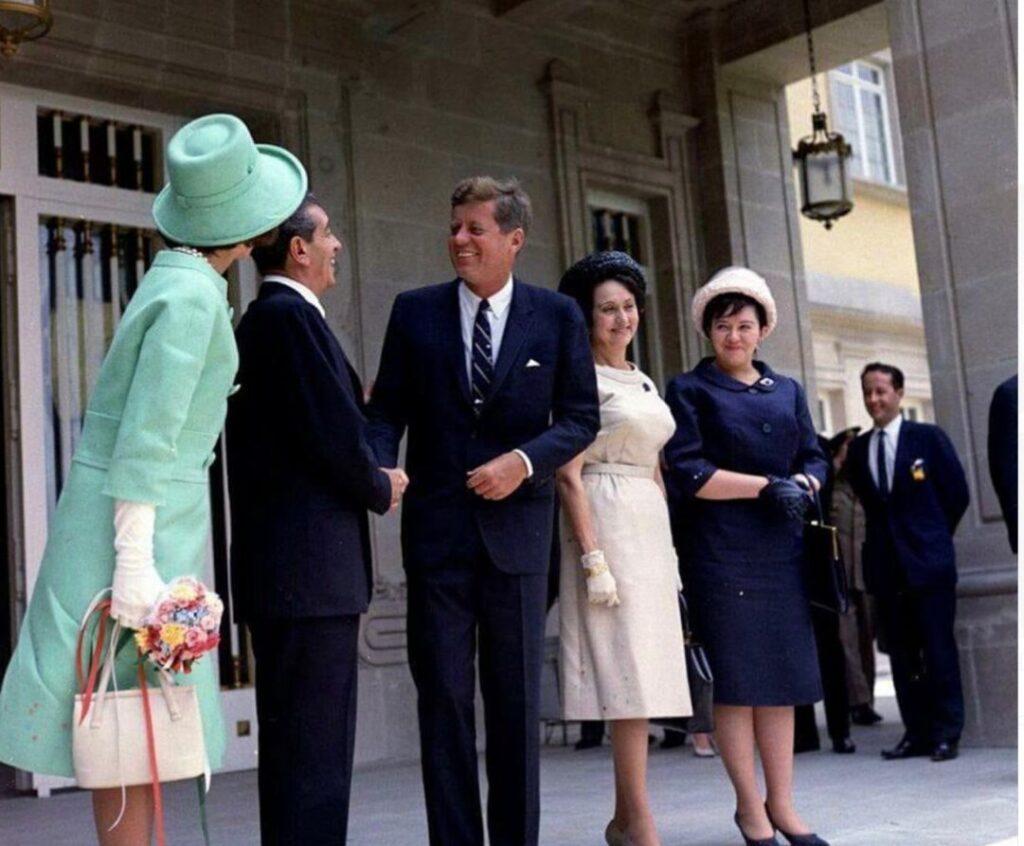
The original post-revolutionary system, shaped by leaders like Plutarco Elías Calles and Lázaro Cárdenas, emerged to solve a vacuum of political order. It built a centralized but functional structure: a disciplined ruling party, a focus on economic development, a professional political class, and a set of unwritten rules that, however imperfect, maintained stability and managed crises. Today’s ruling party offers no equivalent.
Two conclusions follow. First, both the old and new systems share an authoritarian streak. A classic test of democracy holds that in dictatorships, politicians laugh at citizens; in democracies, citizens laugh at politicians. By that measure, Mexico appears to be regressing after three decades of democratic liberalization.
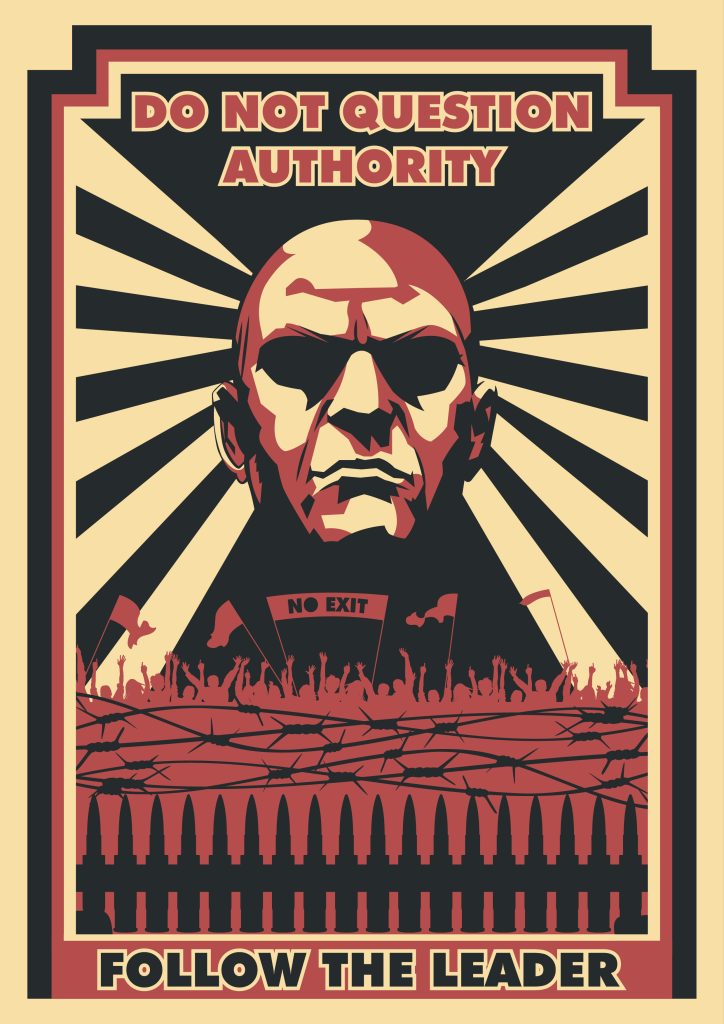
Second—and more troubling—the current leadership seems convinced it is succeeding. But its inability to reconcile rhetoric with reality obscures deeper risks building beneath the surface. That disconnect may prove costly.

Ernest Hemingway once described how bankruptcy happens: “gradually, then suddenly.” Mexico’s leaders would do well to keep that warning in mind.
@lrubiof
The original Spanish version of this article can be found at www.luisrubio.mx
Further Reading: