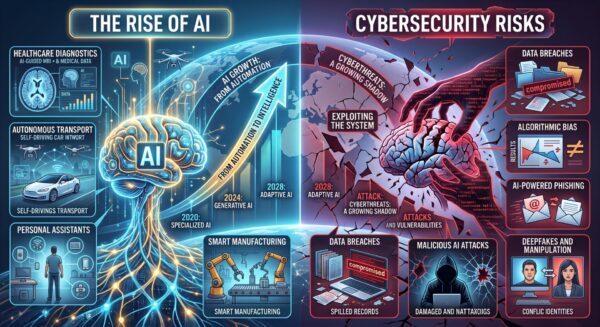

The AI Dictatorship.

The arrival of artificial intelligence signifies a profound shift in society, potentially surpassing historical milestones like the discovery of fire. While AI promises efficiency and innovation, it raises concerns about job loss, autonomy, and control. As AI systems evolve, the risk of them dictating human choices becomes increasingly worrisome.

Foreign Policy Begins at Home.

The article discusses Mexico’s shifting diplomatic strategy under its current government, which has retreated from its historical active participation in international forums. It highlights the importance of a diversified foreign policy to reduce dependence on the U.S. and engage with like-minded nations, while criticizing the current government for prioritizing ideological preferences over strategic interests.

The Right to Die with Dignity: Global Perspectives on Assisted Suicide.

The French National Assembly has legalized euthanasia and assisted suicide for patients with irreversible illnesses, marking a significant shift in societal control over end-of-life choices. Meanwhile, Mexico’s progress in this debate remains slow, with active euthanasia still criminalized, necessitating reflections on individual rights and dignity in dying amidst ethical and religious complexities.

The Next 50 Years: Humanity, AI, and Power.

AI is surpassing human capabilities in memory, computation, and recall, raising concerns about its role in managing bureaucratic systems and democracy. As disruption approaches, the focus should be on safe development and regulation of AI to ensure benefits for humanity, as discussed at the July 2026 EDP 50th Anniversary Gala Dinner.

Mexico’s Media Under Siege: A Chronicle of Control.

The post critiques the current political climate in Mexico, highlighting the manipulation of media and education for indoctrination, the suppression of journalistic freedom, and the erosion of democratic institutions. It emphasizes the rising authoritarianism and the impact on society, with calls for accountability and international attention to human rights violations.

Self-Inflicted Decline.

The article critiques the Mexican government’s policies over the past eight years, arguing they have hindered economic growth and opportunity, particularly for the poor. It emphasizes the importance of reliable energy and a strong education system to foster development. The current nationalist approach risks locking Mexico into a low-value assembly role, stifling broader progress.

The Designed Society.

The text explores the paradox of imagining an apocalypse while capitalism persists, highlighting humanity’s fascination with disaster narratives and the implications of artificial intelligence. As AI evolves, it poses benefits and challenges, with a contrasting global response—China anticipates societal changes, whereas the West faces vulnerabilities in a commodified digital landscape.

Science: A New Golden Age.

The report highlights the pivotal role of American science in achieving historic victories and driving innovation. While government funding for research has grown, private sector investment now dominates. The report calls for reforms to enhance scientific efficiency, adapt to emerging technologies, and ensure equitable benefits from advancements in science and technology.

Inteligencia Artificial: Cómo Entenderla Sin Miedo.

José Ignacio Latorre analiza las implicaciones de la inteligencia artificial (IA) y la computación cuántica, y destaca la necesidad de regulación y comprensión en nuestra evolución junto a las máquinas. Hace hincapié en los riesgos, entre los que se incluyen la erosión de la privacidad y la pérdida de soberanía ética, y propone un nuevo contrato social centrado en la educación para proteger la esencia humana en una era impulsada por los algoritmos.

Red Eyes.

The article reflects on the evolution of photography and its impact on how people are perceived in images. It discusses the challenges of looking good in photos, cultural shifts in posing and smiling, and personal stories that reveal emotional complexities tied to memories. Ultimately, it highlights how technology shapes our visual representation and self-awareness.

Shares