Luis Rubio
For decades, the country’s greatest diplomatic success lay in its remarkable ability to project an image that often exceeded its domestic reality—and to derive tangible advantages from doing so.
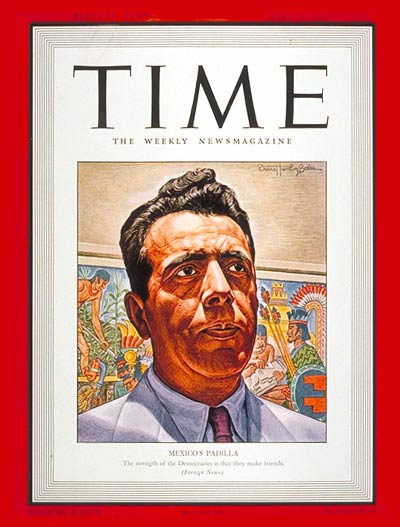
The old PRI regime built an international presence that gave Mexico influence far beyond what its economic or military weight might have suggested. Mexican diplomats were active in multilateral institutions, governments cultivated relationships across ideological divides, and the country presented itself as an equal even among major powers. It was, in many ways, political theater. But it was effective theater because its authors never confused performance with reality.
Today’s government has revived many of the domestic instincts of that earlier era while abandoning one of its greatest strategic assets. It has concentrated political power at home but largely withdrawn from the international forums where Mexico spent decades building credibility and goodwill. That retreat is particularly puzzling at a moment when President Trump’s own international standing has become more contested, creating diplomatic space that Mexico could have used to strengthen ties with like-minded countries.
The world, of course, is no longer the one the PRI governed. Mexico is now deeply integrated into North America in ways that cannot simply be wished away. Geography ultimately prevails over ideology, and neither political rhetoric nor protectionist impulses in Washington can undo the profound economic and social integration that has developed over the past three decades.
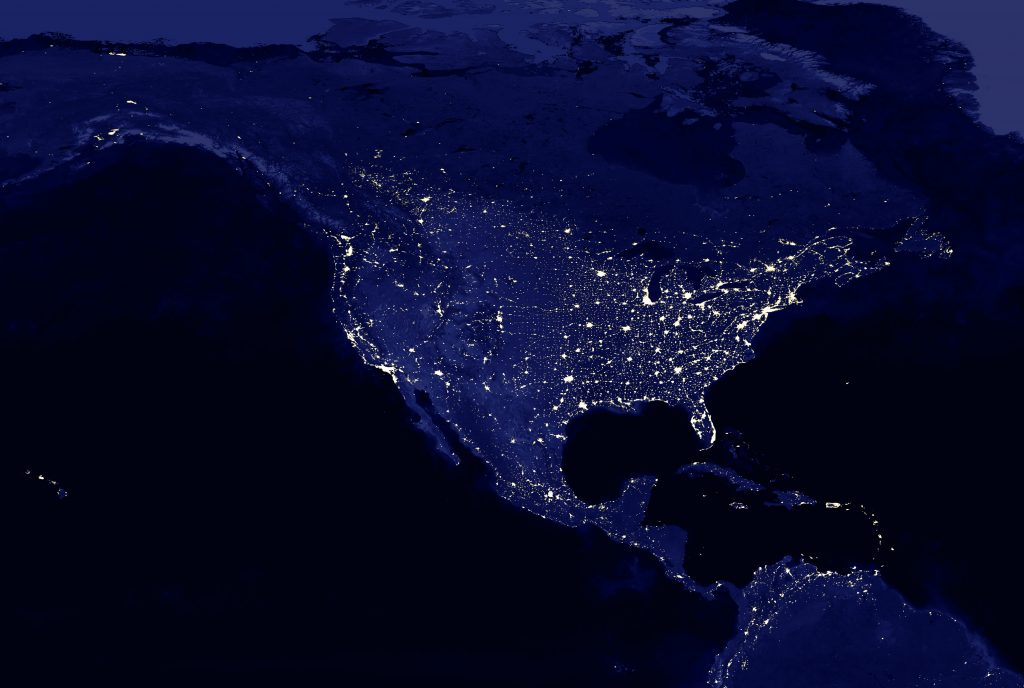
Successive Mexican governments understood this reality while recognizing another one as well: dependence on the United States made diplomatic diversification essential. A broad international presence served two strategic purposes. It reduced the country’s vulnerability to pressure from its northern neighbor while simultaneously reinforcing Mexico’s legitimacy abroad. However imperfect its domestic institutions may have been, the country projected itself as a constructive and responsible international actor.
The current administration has preserved the first insight but discarded the second. It rightly recognizes the overriding importance of the bilateral relationship with the United States and devotes enormous effort to managing it. Yet it appears to confuse priority with exclusivity. A middle power such as Mexico does not strengthen its position by limiting its diplomacy to Washington; as long as it does not poke the bear, it does so by expanding its network of partnerships with countries that share similar interests and challenges.
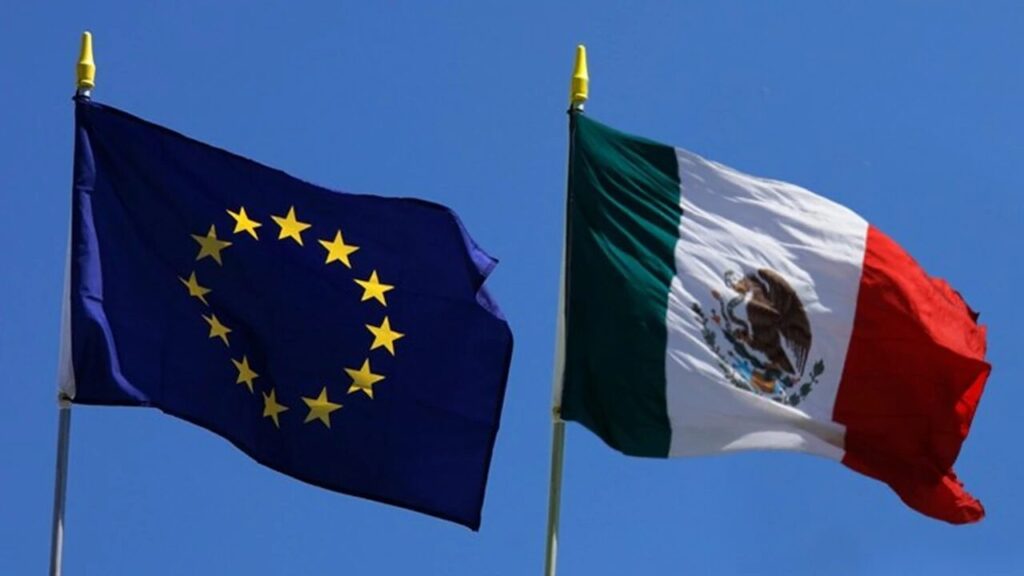
That does not mean confronting the United States, nor attempting the impossible task of replacing it. Mexico’s prosperity will remain inseparable from its northern neighbor. But a more diversified diplomatic strategy—beginning with Canada and democratic partners in Europe—would increase Mexico’s room for maneuver precisely because it would reinforce, rather than weaken, its position in North America.
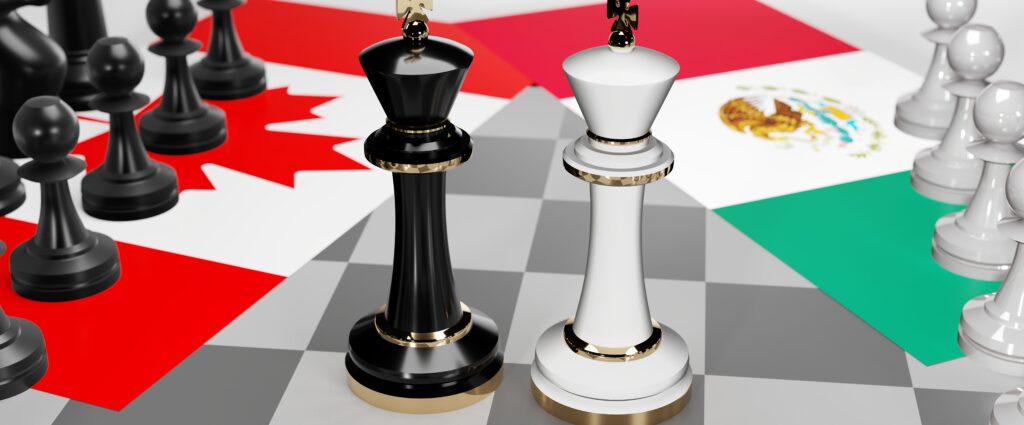
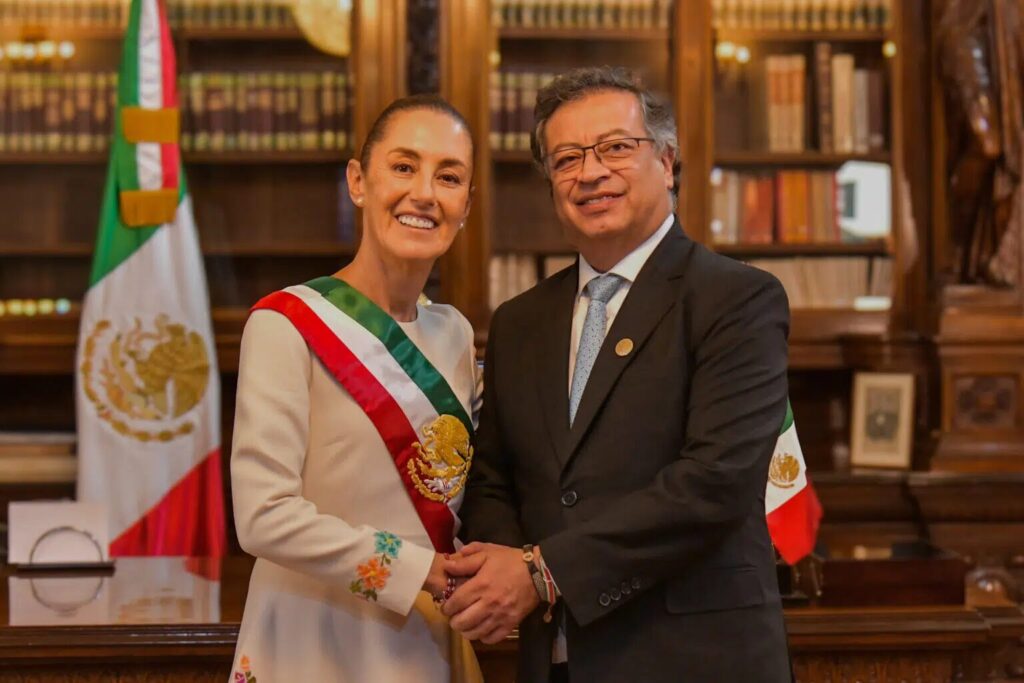
Instead, foreign policy increasingly reflects ideological preferences. Unnecessary disputes with Peru and Ecuador, continual affinity with Gustavo Petro’s Colombia, and persistent sympathy for Venezuela’s Chavista project narrow Mexico’s diplomatic options while adding little to its strategic interests. Such choices substitute political affinity for national strategy.
The deeper explanation may lie closer to home. Governments project abroad what they believe they can defend domestically. The PRI sought international legitimacy to compensate for domestic deficiencies. The governments of the democratic transition attempted to leverage genuine—if fragile—advances in democracy, economic modernization, and institutional development. The current administration faces a different reality. Democratic checks have weakened, economic performance has stalled, and public institutions inspire less confidence than they once did. Under those circumstances, international scrutiny becomes less attractive than domestic message control.
This also helps explain the growing fascination within parts of Mexico’s governing coalition with the notion that authoritarian governments can deliver superior results. China’s rapid economic rise has become an appealing reference point, despite mounting evidence* that the relationship between authoritarianism and economic performance is far less straightforward than its admirers suggest—and despite the enormous political and social costs such systems entail.
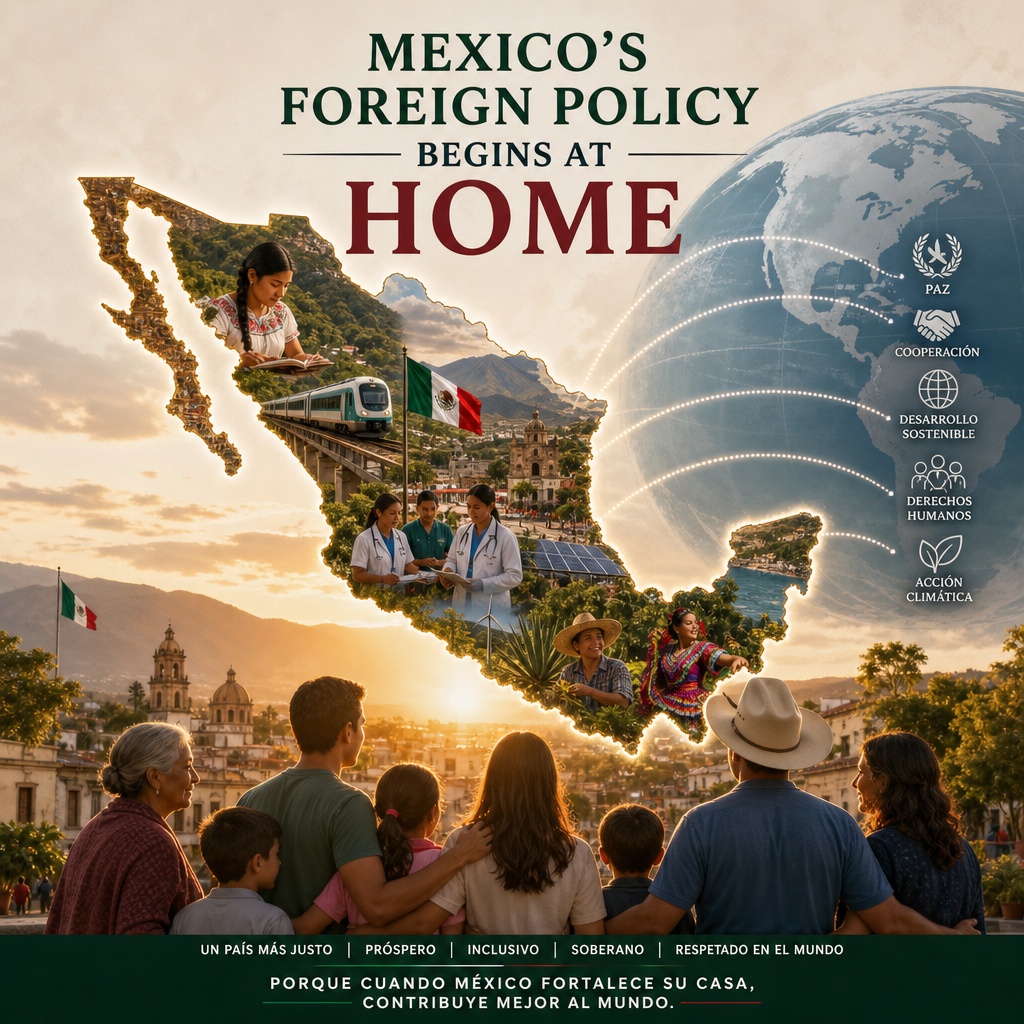
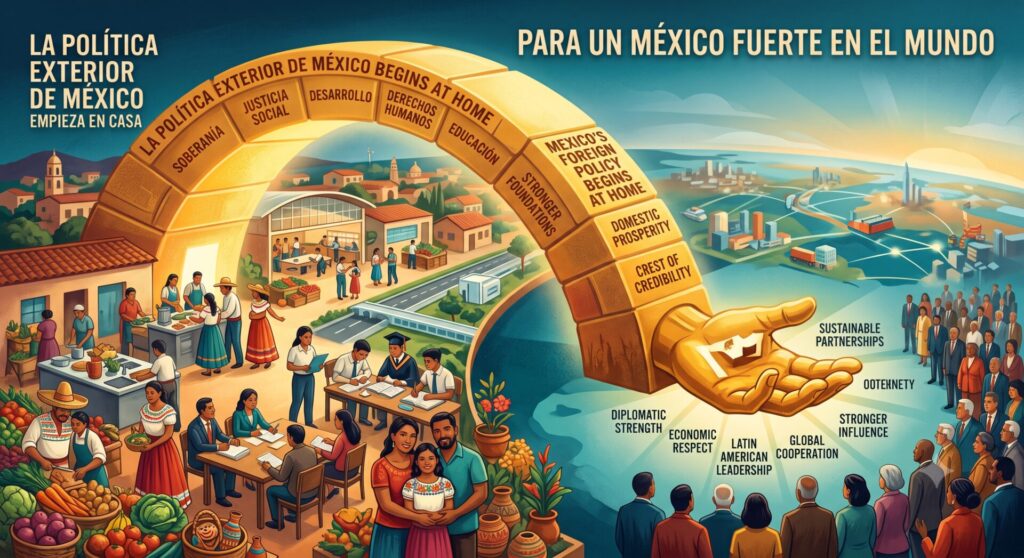
Mexico’s foreign policy ultimately cannot be separated from the condition of the country itself. A government that enjoys confidence at home has little reason to fear engagement abroad. Ideally, Mexico would strengthen its economy, protect individual liberties, and govern on behalf of all its citizens. But even short of that ambition, it could recover one of its most valuable traditions: using an active, diversified, and confident diplomacy to advance the country’s interests rather than narrowing its horizons to fit its domestic politics.
@lrubiof
The original Spanish version of this article can be found at www.luisrubio.mx
Further Reading: