
Luis Rubio
Dante imagined hell as nine descending circles. He never included the rhetorical excesses of modern politicians, but today’s leaders might have earned a circle of their own.

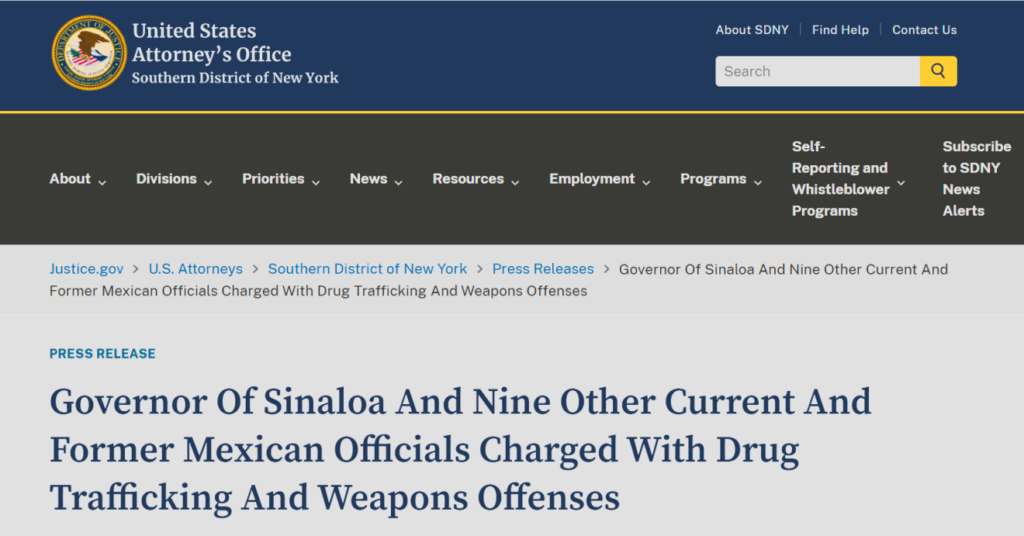
Since the U.S. Justice Department requested the extradition of ten Mexican politicians and officials, President Claudia Sheinbaum has steadily escalated her public attacks on Washington. Each day has raised the political stakes without offering an obvious way back.
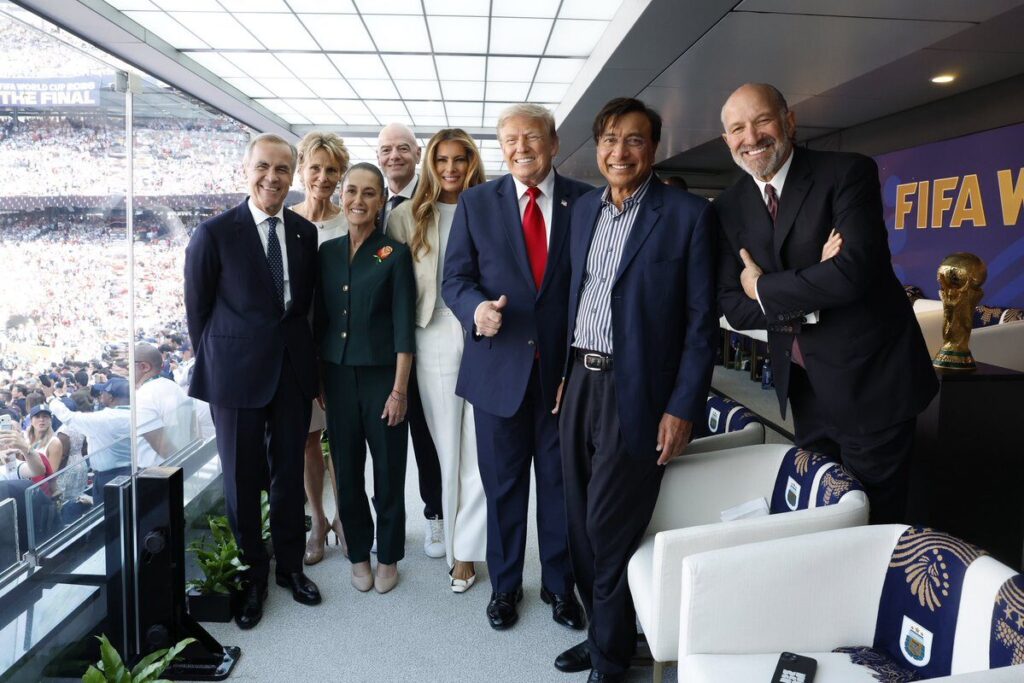
Her informal meeting with President Trump during last Sunday’s soccer final may therefore have been more than a diplomatic courtesy. It was an opportunity to lower the temperature before words become policy.
Whether she chooses to take it could shape the next phase of U.S.-Mexico relations, with grave implications for Mexicans’ welfare.

When Donald Trump returned to office in January 2025, Sheinbaum faced a far more confrontational White House than the one Mexico had dealt with during his first term. Tariffs came first. Then increasingly blunt demands over organized crime, corruption and impunity. A year later, those concerns have evolved into extradition requests targeting members of Mexico’s governing party. Few in Mexico believe this will be the last round.
Until now, Sheinbaum had managed the relationship with notable discipline. She avoided personal confrontation, emphasized cooperation, and described her strategy as keeping a “cool head.” Given the enormous economic and security interdependence between the two countries, that approach made strategic sense. Mexico gains little from provoking a neighbor with vastly greater economic and political leverage—and a demonstrated willingness to use it.
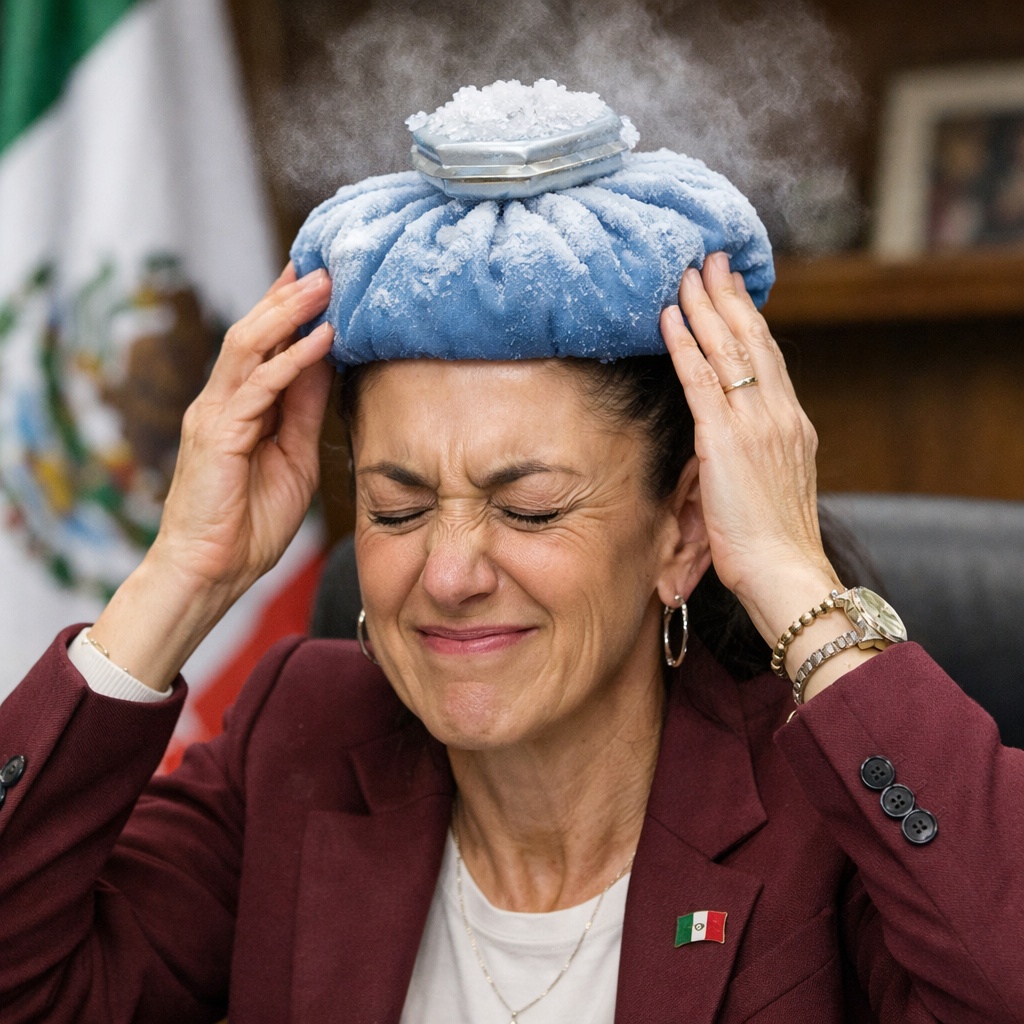
The extradition requests appear to have changed that calculation.

Inside the governing coalition, the legal actions triggered something close to panic. The concern was not simply the fate of the individuals involved but the possibility that broader investigations could threaten the political establishment itself. For perhaps the first time in decades, the very foundations of stability -all linked to the relationship with the United States- were seen as vulnerable, whether President Sheinbaum conceded to U.S demands or not.

The government’s response was to close ranks and redirect the political battle toward Washington. Official rhetoric broadened from criticizing specific legal actions to attacking the United States itself—its institutions, its history, and even elements of its political culture.

That strategy may resonate with domestic audiences, but it does little to influence the American officials actually deciding extradition cases. In trying to strengthen its position at home, Mexico risks weakening its position where the decisions are being made.
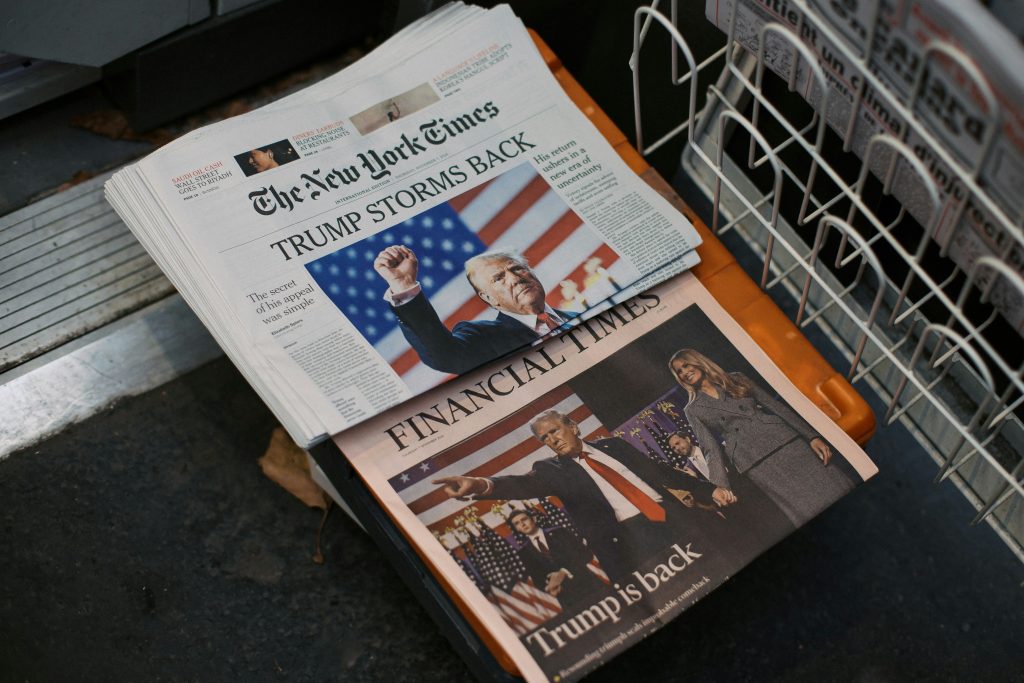
This is precisely why the Trump-Sheinbaum meeting mattered.
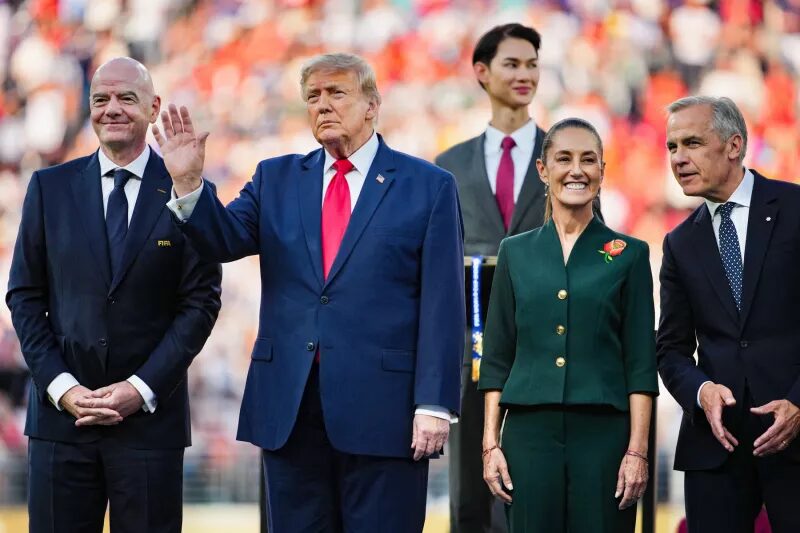
The photographs suggested an unexpectedly cordial rapport between the two presidents. Personal chemistry alone cannot resolve disputes over security, trade or extraditions, but it can create political space for negotiations that neither side can publicly initiate after weeks of escalating rhetoric.
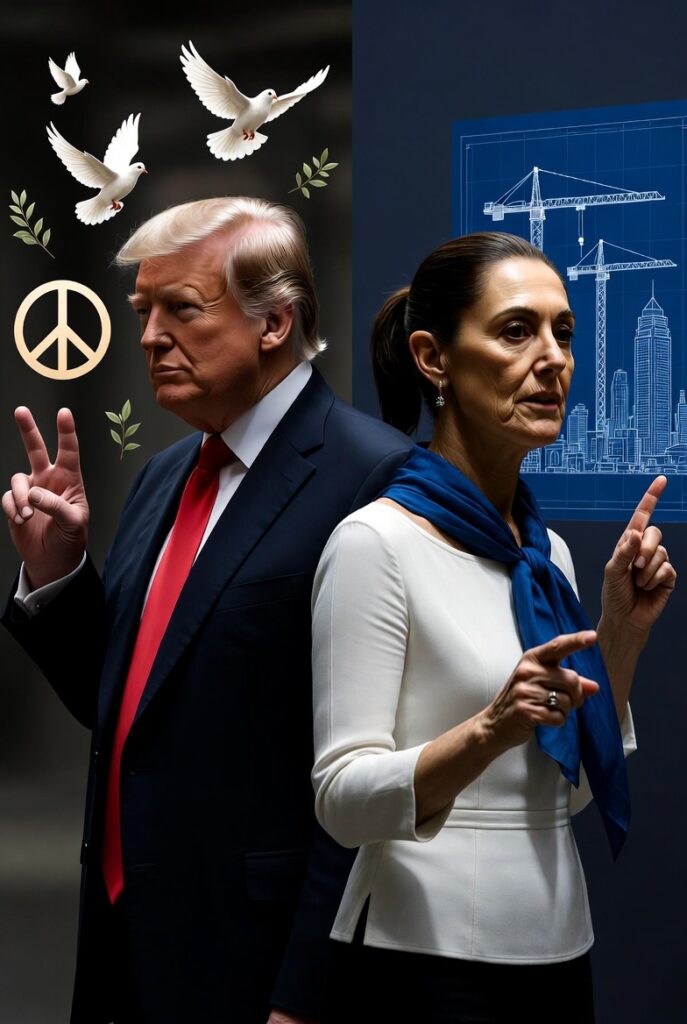
That opportunity should not be underestimated.

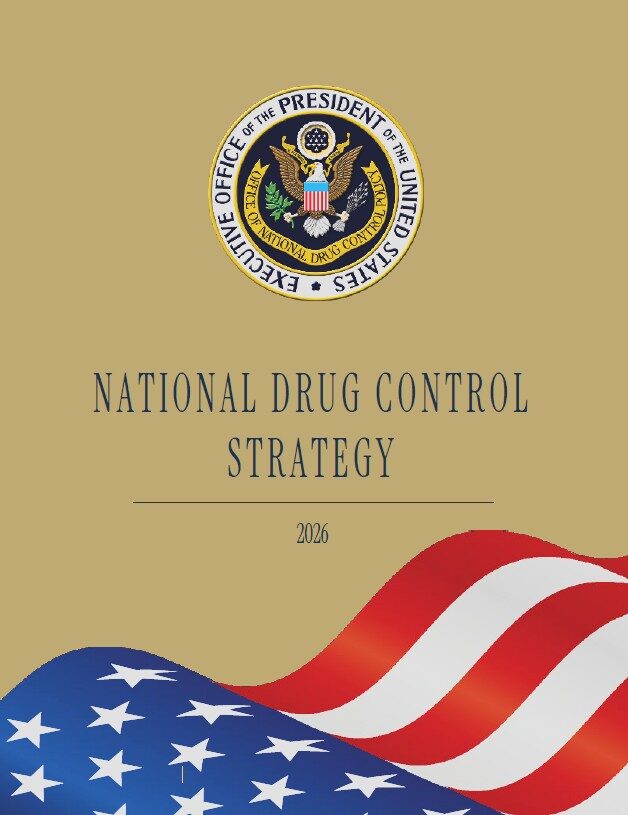
Within the Trump administration, some officials reportedly worry that excessive pressure could weaken Sheinbaum politically. But the debate in Washington is largely tactical rather than strategic. The administration has made clear—in public documents as well as official statements—that it considers organized crime, corruption and weak governance in Mexico to be matters of U.S. national security.

That assessment is unlikely to change.
The question is not whether pressure will continue but how it will be applied—and whether Mexico can negotiate the terms rather than simply react to them. The President might have to choose between her party and Mexican society at large.
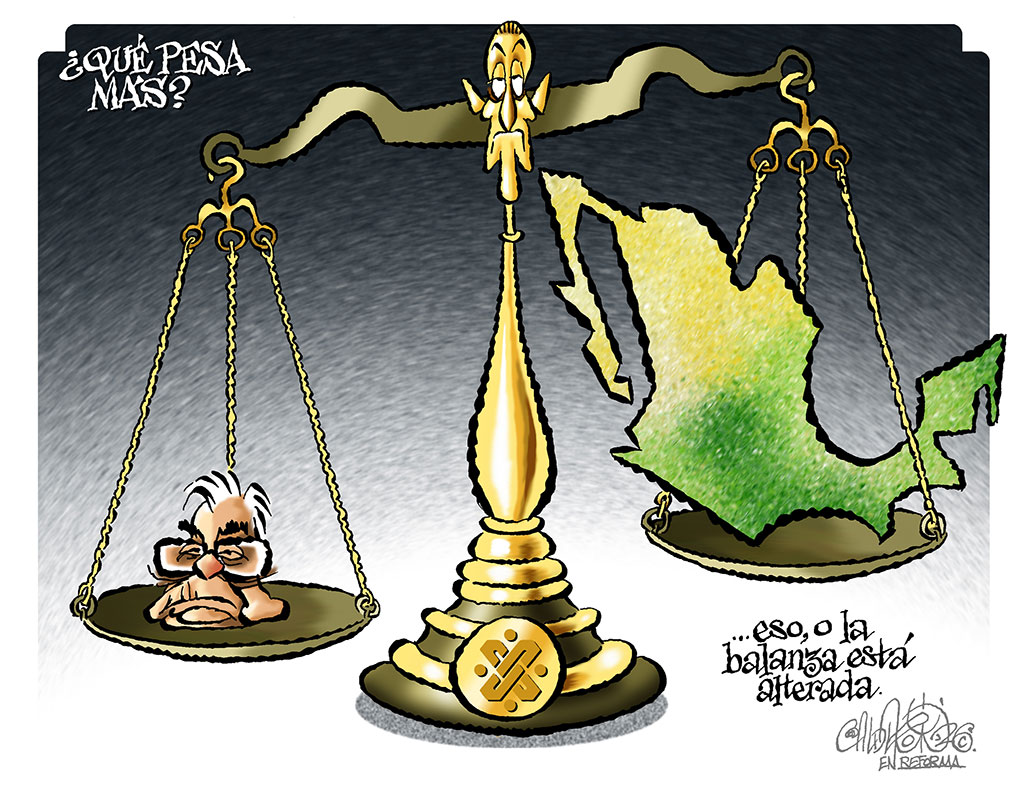
Sheinbaum’s “cool head” strategy had one undeniable virtue: it kept an extraordinarily difficult relationship manageable despite growing disagreements. Replacing it with rhetorical escalation risks locking both governments into positions that become increasingly difficult to escape.

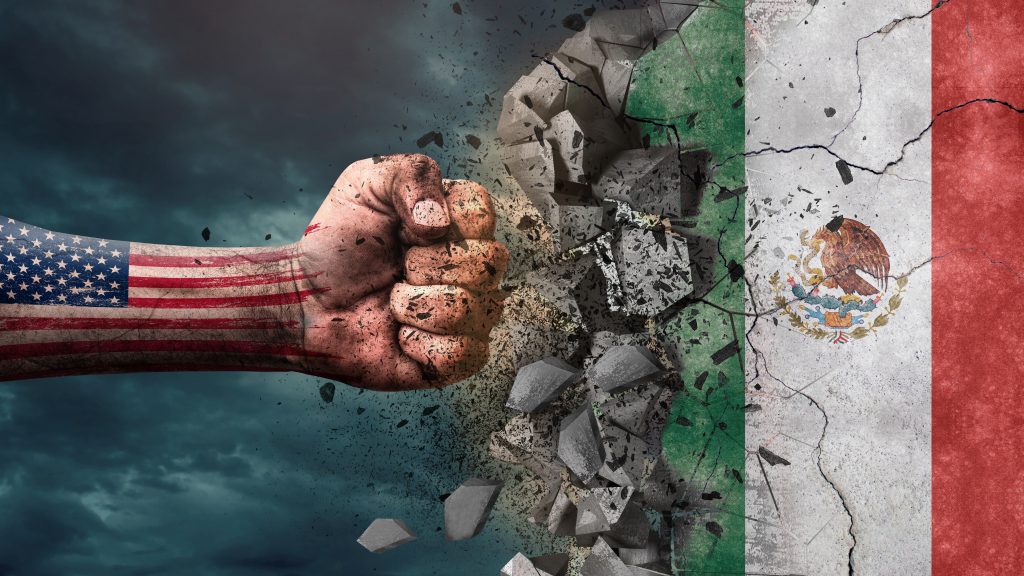
Photo: Sigmund on Unsplash
Diplomacy rarely fails because countries disagree. More often, it fails because leaders leave themselves no politically acceptable way to agree.
@lrubiof
The original Spanish version of this article can be found at www.luisrubio.mx
Further Reading: