
Luis Rubio
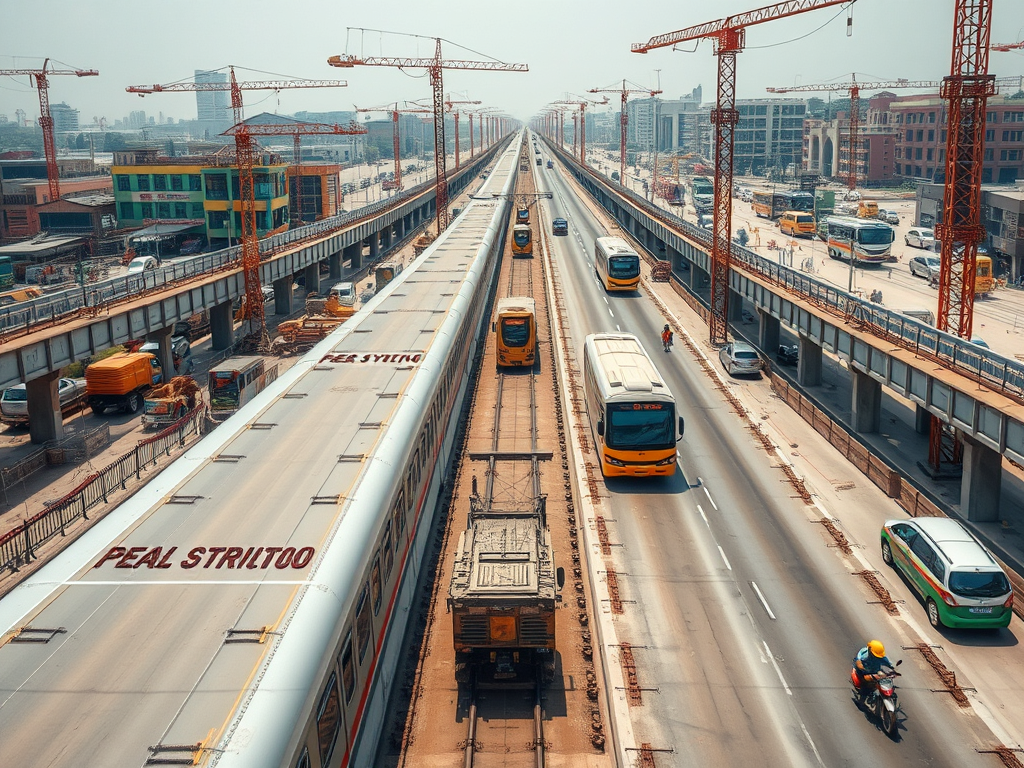
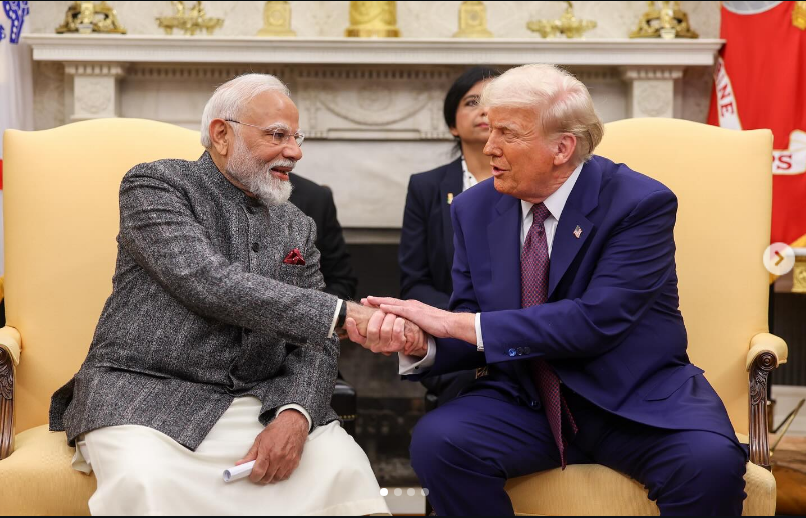
For many countries, Donald Trump has been a disruptive force, triggering defensive politics, nationalist reflexes, and institutional paralysis. In India, however, the shock appears to have had the opposite effect. Confrontations with Washington seem to have jolted Prime Minister Narendra Modi’s government out of complacency, creating a palpable — and enviable — sense of urgency to escape stagnation and move decisively toward higher development.
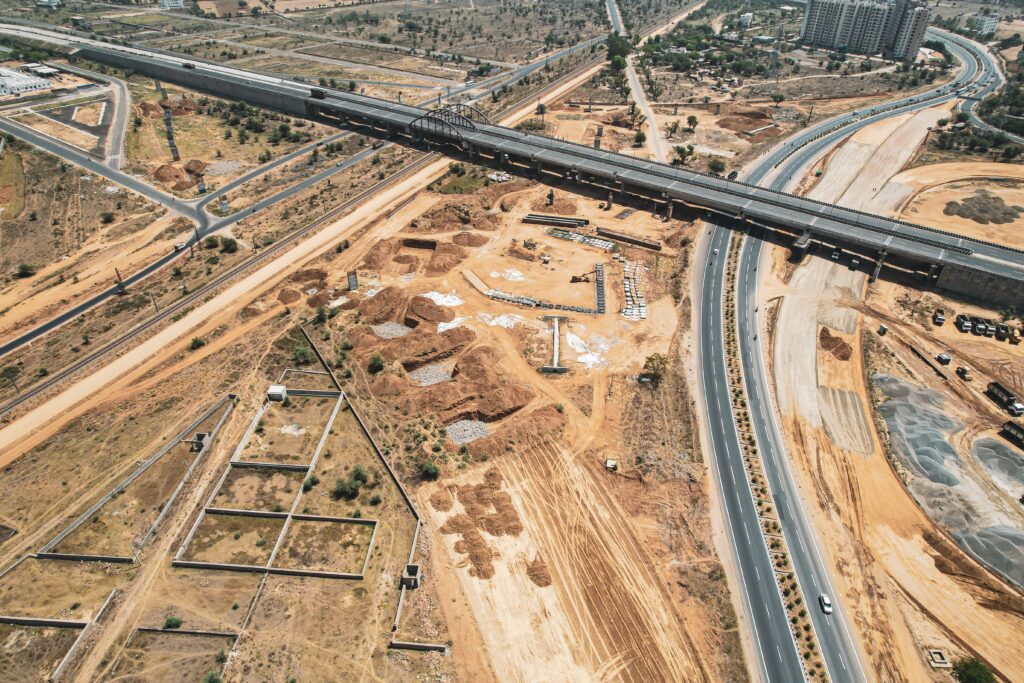
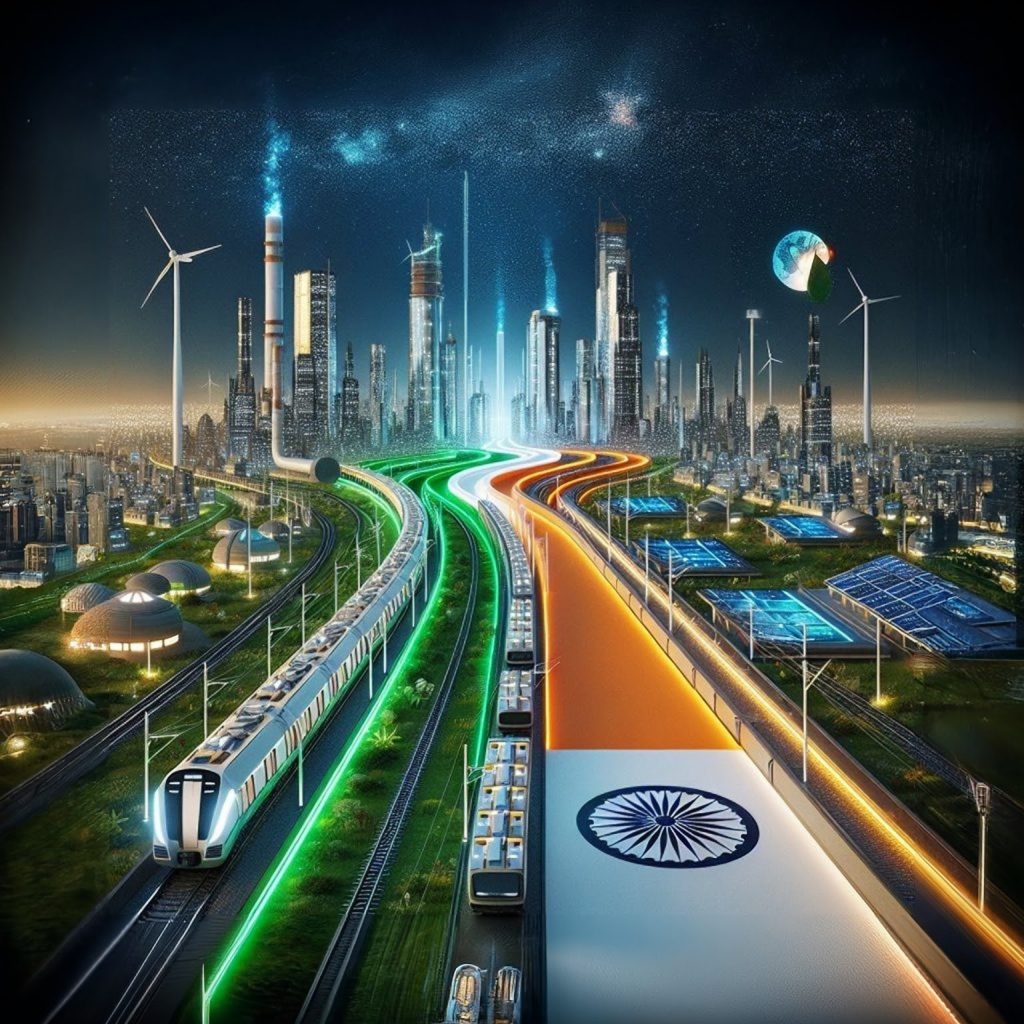
India today feels like a nation in overdrive. Massive infrastructure projects are underway simultaneously, from metro systems to highways. Sweeping policy changes are unfolding in parallel: tax reform, labor legislation, regulatory simplification, and negotiations for major trade agreements with advanced economies. The country is far from achieving developed-nation status, but the direction and momentum are striking.
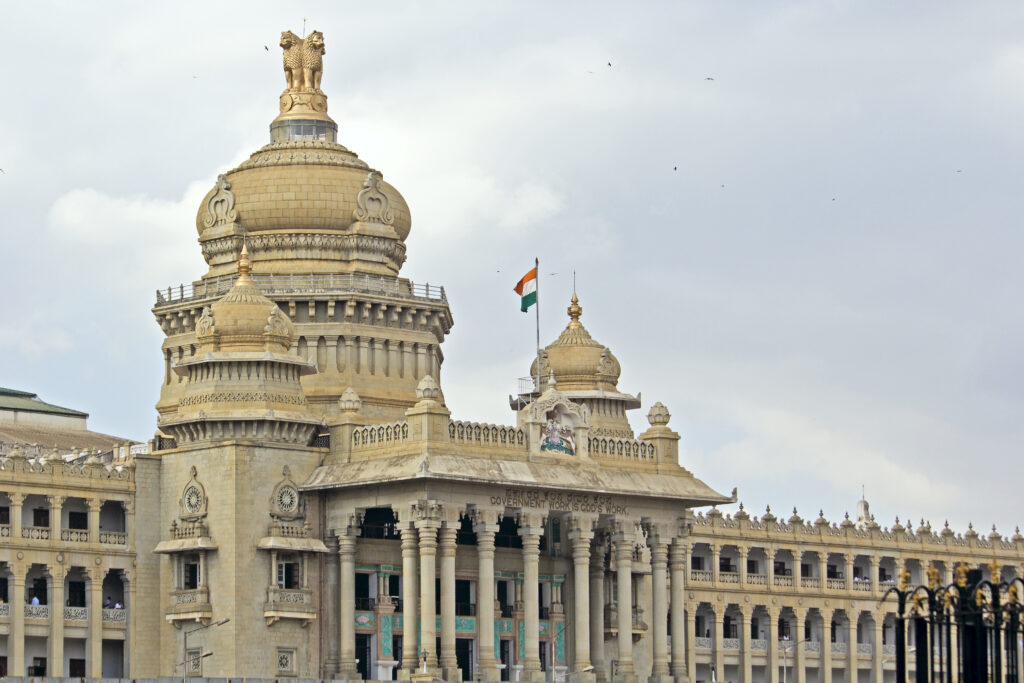
Equally notable is the shift in mindset. Business leaders and officials speak openly about productivity, competitiveness, regulatory burden, and capital costs — the vocabulary of growth. The optimism is tempered by realism: the road ahead will be difficult. Yet the contrast with India’s past bureaucratic inertia is dramatic. Earlier reforms during Modi’s first term began to dismantle a notoriously corrupt and opaque system, and the transformation is visible even in urban landscapes and government infrastructure. The country feels, quite literally, under construction.

At a time when much of the world appears trapped in backward-looking politics, India’s reformist energy is refreshing. There is also a sober understanding that the first wave of reforms, while historic, was only a beginning. Modi’s narrower electoral mandate in 2024 may have reinforced the need to accelerate change, correct mistakes, and confront entrenched interests despite political costs. India’s democratic complexity — extraordinary diversity combined with slow legislative processes — paradoxically produces a major advantage: once reforms pass, they tend to endure, creating long-term certainty.
The economy has recently slowed, and near-term forecasts are less favorable than before. Yet investors and entrepreneurs appear more focused on preparing for future competition — particularly if new trade agreements are finalized — than on short-term complaints. That forward-looking posture may be India’s greatest strength.

One revealing episode involved an academic report documenting hundreds of regulations that could easily criminalize routine business behavior. The backlash was so strong that it accelerated a policy shift toward decriminalization, deregulation, and reduced bureaucratic discretion. The government is even deploying artificial intelligence to help citizens navigate the state, resolve grievances, and bypass administrative bottlenecks. The ambition is enormous: transforming a nation of nearly 1.5 billion people across all social strata.
A recent visit left me thinking about the implications for Mexico. Global competition is unlikely to remain static. India could soon challenge in manufacturing and services; Cuba in tourism and cultural industries; Venezuela and Guyana in energy. Competitive pressure is coming.

Mexico’s greatest risk is not external competition but internal inertia. If complacency persists, the country’s future could become far more difficult than it needs to be

@lrubiof
Further Reading: