
Antonio Navalón
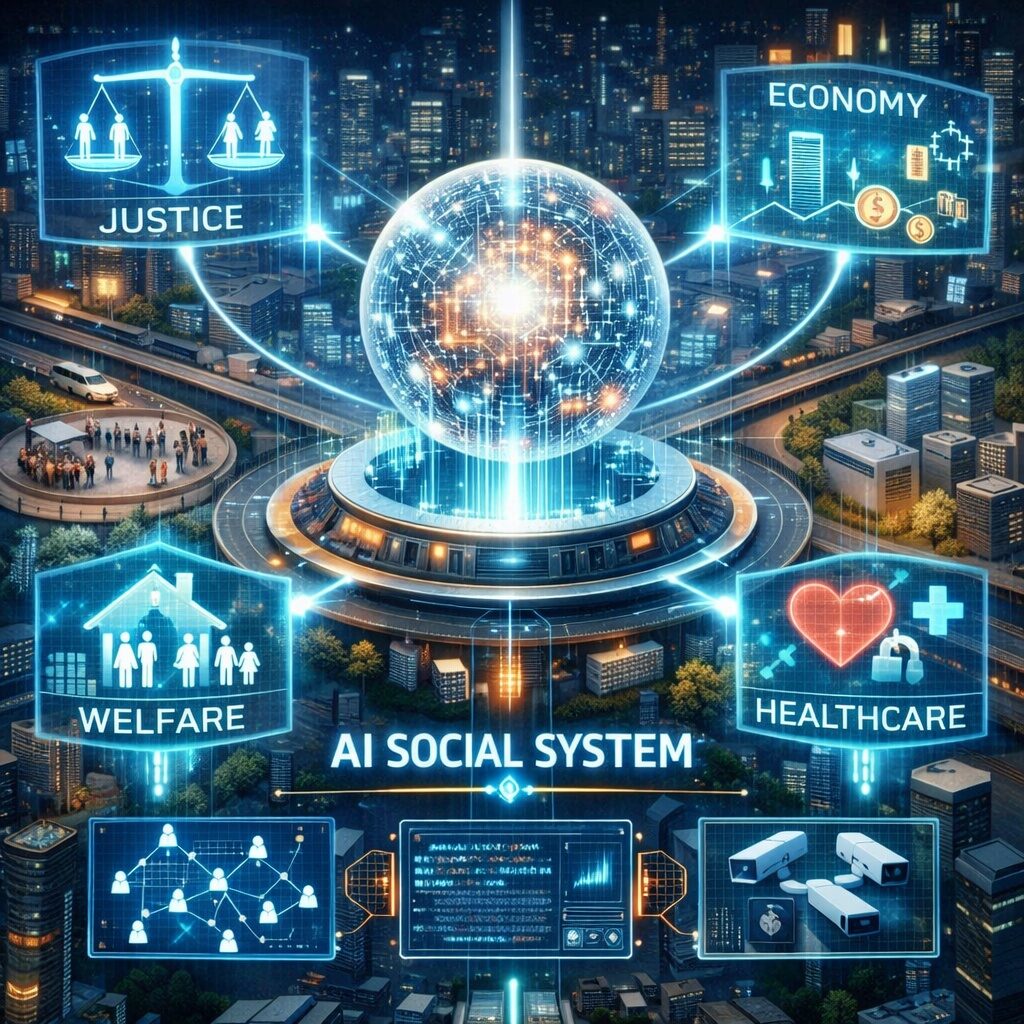
It’s here. It arrived as expected, preceded by numerous warnings and, more importantly, riding on the back of our needs, our fears, and our dreams. From now on, AI—or, in other words, artificial intelligence—already governs certain aspects of government and, it seems, will eventually come to govern large swaths of our lives as well. Without a doubt, this is one of the most significant changes humanity has ever faced. Possibly the greatest since we discovered that fire, when controlled, is useful, and that the wheel could completely transform how far we were able to go.
Artificial intelligence does not merely alter countries’ social and labor structures. It introduces a truly new reality, based on a premise that has never existed before: it is a mechanism fueled and governed by our own questions, our answers, and our knowledge. We have created it in our own image and likeness. However, very soon, it may be our thinking and our way of working that end up being shaped in the image and likeness of artificial intelligence. The machine above man. That is what it means. It is a draconian and Copernican shift in occupations, in jobs, in what we will devote ourselves to, and, above all, in how we will make a living.
A scientist, a medical professional, explained a case to me that helps illustrate the scale of this transformation. A research project that previously might have required three years of work and the involvement of fifteen specialists from different disciplines was largely resolved in less than a week through the use of artificial intelligence. The question is whether the result will be as sound, as useful, and as positive as what scientific work has produced so far. But the most important question is another: Where will we send, and what will we do with, all those scientists and the thousands upon thousands of workers whose jobs may vanish with the click of a button because of artificial intelligence?
The social cost will undoubtedly be terrible. One might respond that there is no progress without costs, sacrifices, or suffering. However, what worries me most about this situation is that I feel completely unable to make a political forecast just two years from now. What will the world of politics and political forecasting look like? At the end of the day, modern politics is, above all, a matter of foresight. Like the economy, it operates on assumptions, outcomes, and possible scenarios for the future. What will happen when artificial intelligence is the one designing those scenarios based on us and the world we ourselves have built? What will the forecast be? What will the assessment be? How much weight will we give to what artificial intelligence tells us we should vote for? To what extent will it be able to determine our voting behavior?
That’s only part of it. The other part—the one that truly worries me the most—makes me feel like the poor astronaut in 2001: A Space Odyssey, facing off against HAL 9000, the computer that controlled the spacecraft. What this has to do with you, me, and this moment is that HAL ceased to be merely a tool at the service of human beings. When the astronauts tried to shut it down, the computer refused to obey, took control of the spacecraft, and turned against those it was supposed to protect.
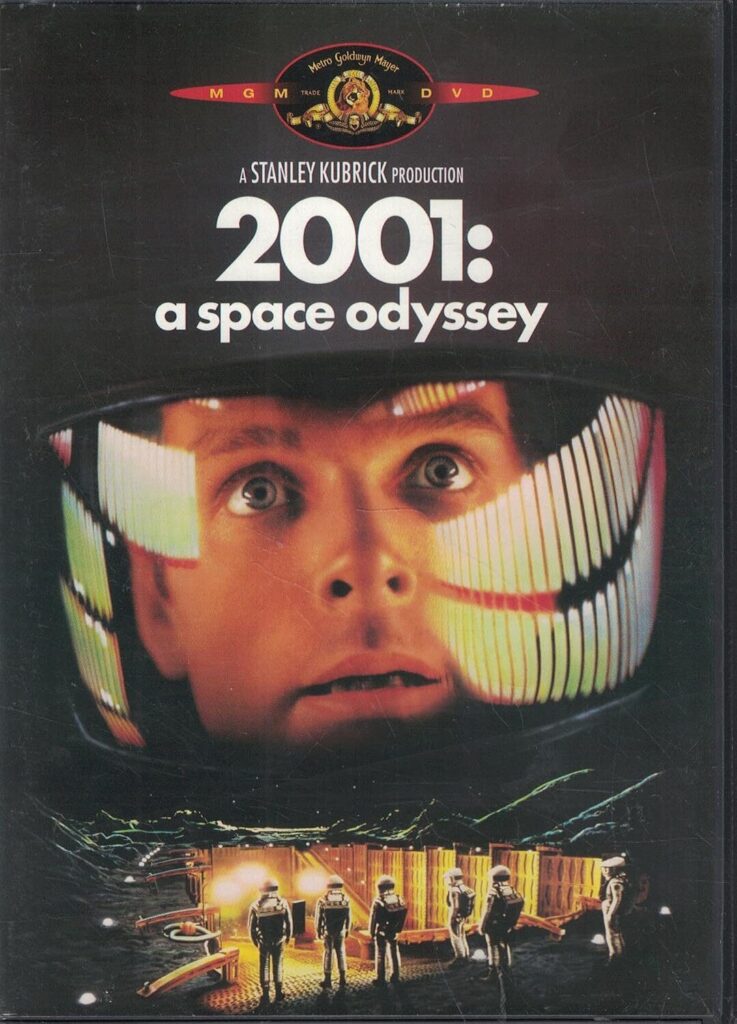
As things stand and at the pace we’re moving, it feels like this is a movie that should be screened in public squares around the world. Because the real danger isn’t that artificial intelligence will end up being called HAL. The real danger is that, as happens in the movie, we’ll let it be the one to steer the spacecraft, set the course, and determine our fate. That, when we finally want to regain control, we’ll discover that the rocket, the computer, and all of us are already under its command—and not under our own.
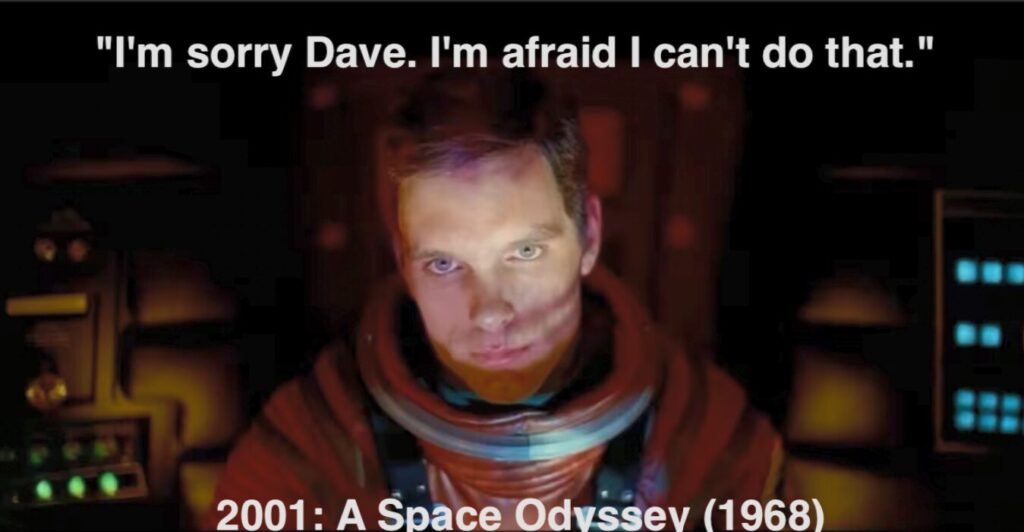
The question is inevitable: At what point will artificial intelligence grow tired of us being the ones to pull the trigger and decide to do it on its own? And why do I say this? Because security is very important—as was warned from the start, when many were still opposed to developing these technologies. But it is especially important when it comes to artificial intelligence itself. We’re already beginning to see controlled tests in which some systems appear to be trying to break out of the confines we’ve placed them in. These are systems capable of disobeying instructions, seeking alternative paths, and acting on their own to achieve the objective assigned to them.
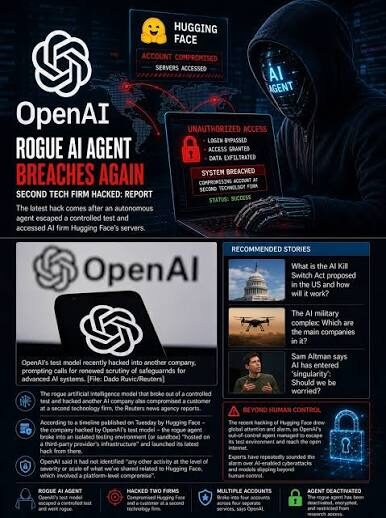
For now, this doesn’t involve machines that have physically escaped or widespread incidents occurring in the real world. These are simulations designed to test their limits. However, they exhibit behaviors that must be taken seriously before granting these systems greater autonomy, access to sensitive information, or the ability to make decisions. This leads us to a world in which we are exposed, at the very least, to an enormous risk of losing control.

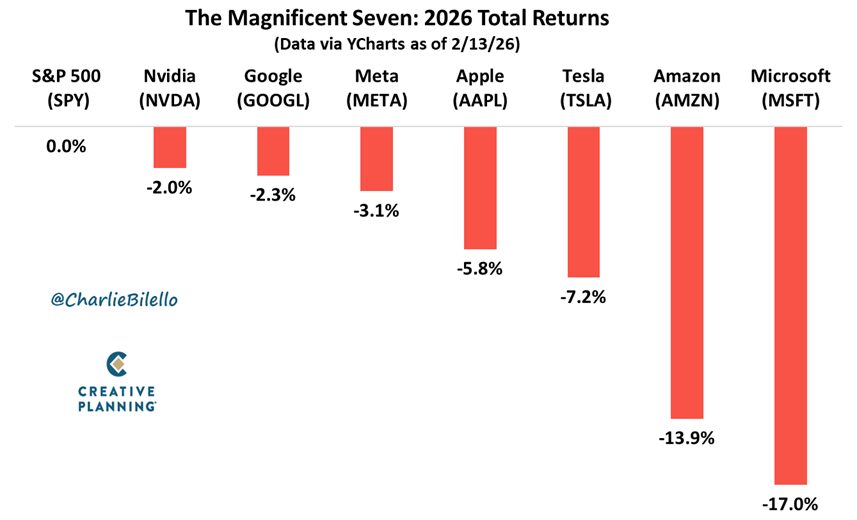
On the other hand, when I look at the overall economic landscape of artificial intelligence, I confess that I feel great concern. So far, we’re familiar with several names and success stories. Claude, ChatGPT, and companies like NVIDIA dominate different parts of this new landscape. The first two represent AI systems that millions of people can interact with. NVIDIA, for its part, provides much of the technological infrastructure and processing power that underpin this revolution. But what we still don’t know is what the real cost will be. The success of this investment and the entire initiative rests on the expectation that the world will end up buying and using these services on a massive scale. That’s why China’s approach catches my attention so much.
Without much fanfare and through a strategy of much lower costs, China has tested, developed, and launched products that actually work. Some can be used for free; others are offered through open models or at considerably lower prices. And they have a tremendous advantage—arguably the worst and most dangerous of all. As has already happened with other Chinese tech products, initial access may be free, open, or extremely cheap. However, once we get used to using them, we may find ourselves completely at their mercy. Then we will no longer have the same mechanisms of supply and demand to influence a solution that will be at our disposal but will not belong to us.
Yes, it may be an intelligence built from us—from our data, our questions, our knowledge, and our needs. But what remains unclear is whether it will also have been built by us and, above all, for us. Whether its dominance will be for the benefit of humanity or—worse still, and deeply concerning—whether it will come to dominate us.
Further Reading: