
Ricardo Pascoe Pierce
Morena has launched a desperate attempt to distance itself from former Governor Rocha Moya’s alliance with the Sinaloa Cartel. The appointment of Graciela Domínguez Nava as interim governor is intended to conclude the Sinaloa administration until the June 2027 elections. The Morena party also named Senator Imelda Castro Castro as a preliminary candidate for governor of Sinaloa for the 2027 elections.
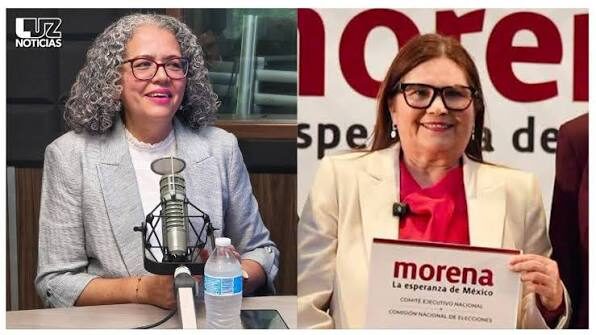
The two appointments were announced swiftly to avoid political vacuums. A precise, two-part narrative accompanied both appointments.

First, it asserts that both are honest individuals who have never been involved in any activities related to the Sinaloa Cartel, despite having served as high-level officials in Rocha’s administration—and, in Imelda’s case, as a Morena senator representing Sinaloa alongside Senator Inzunza.
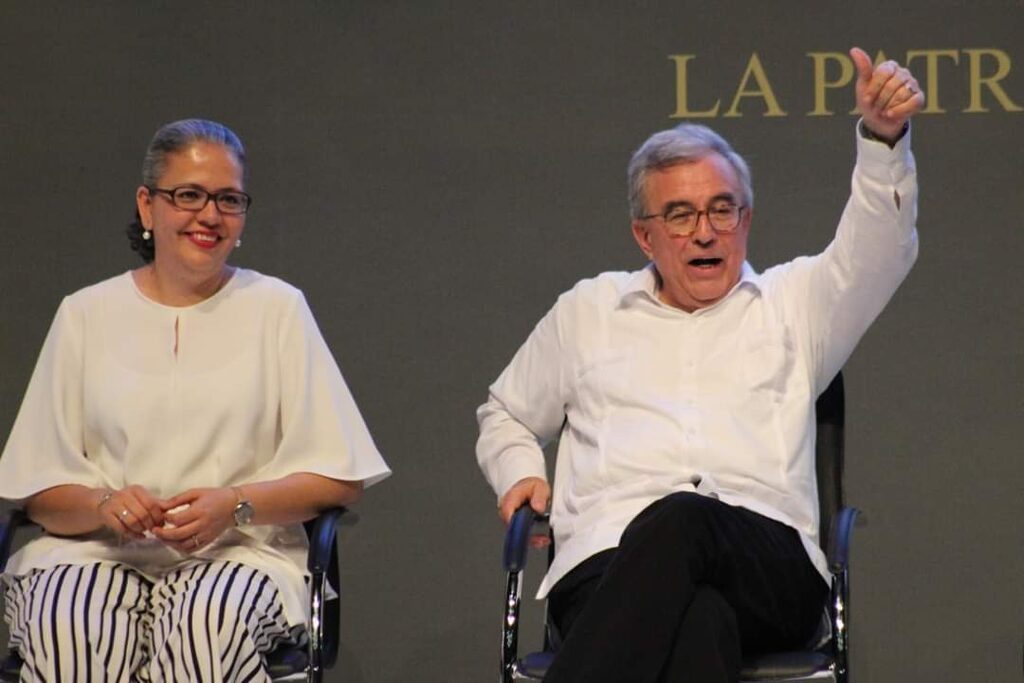
The second part of the narrative distances them from any past or present relationship with Rubén Rocha Moya and even has them speaking ill of him and Senator Inzunza publicly. Their former political boss is now portrayed as a reprehensible figure who committed crimes that may warrant legal action.
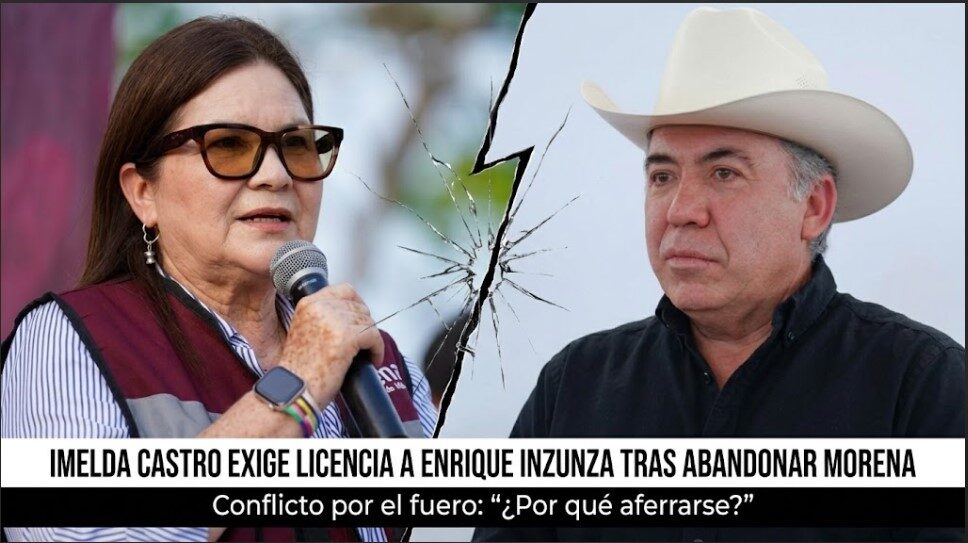
To be credible, both appointments and both narratives rely on the public’s benevolence and ignorance. This is because the citizens of Sinaloa and Mexico as a whole must accept the outlandish notion that both officials were born just last week. According to the official version, both lack a past, and their utter blindness prevented them from noticing the criminal activities of the government they served with such dedication and enthusiasm.

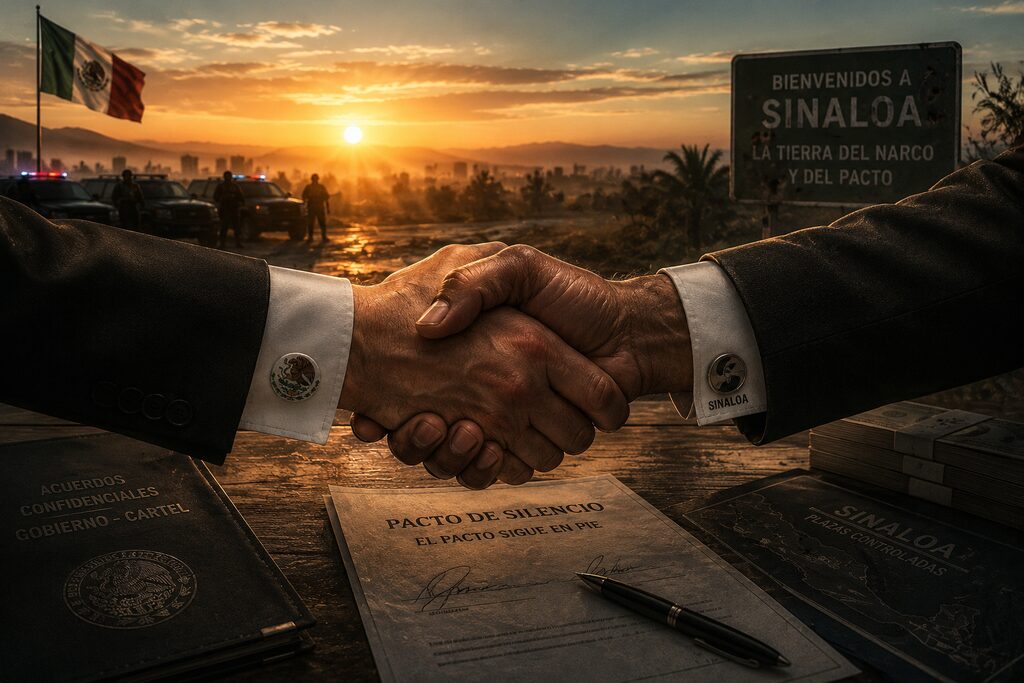
The U.S. indictment against Rocha and nine officials describes the agreement’s workings in novelistic detail. Remember this because it is not a theoretical or declarative pact. Quite the contrary. It is an agreement in which drug cartels provide Morena with money, weapons, and votes in exchange for placing “their” officials at the helm of the State Attorney General’s Office, the Public Prosecutor’s Office, the state police, the Secretariat of Administration and Finance, and the Secretariat of Public Works—a lucrative deal for the Sinaloa Cartel. I never would have imagined they would have that level of access and control over the state’s public administration.
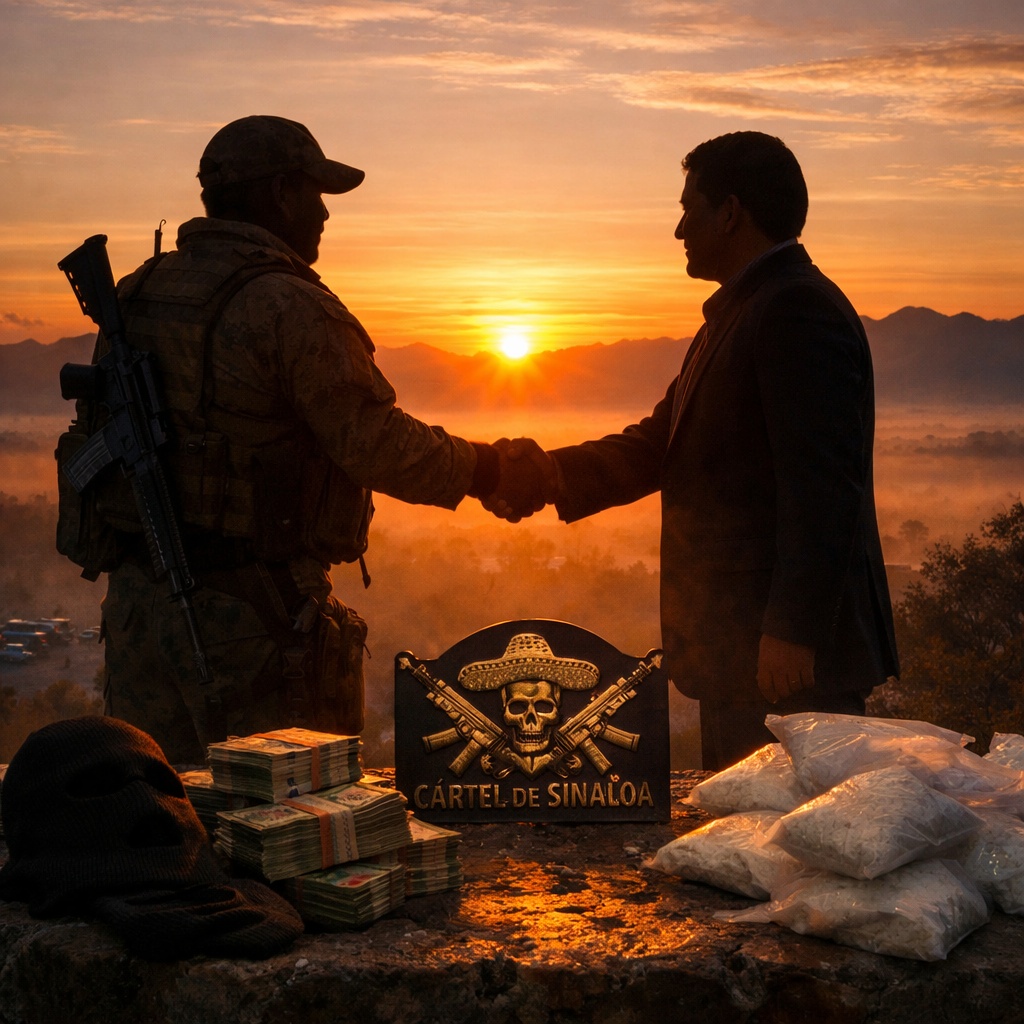
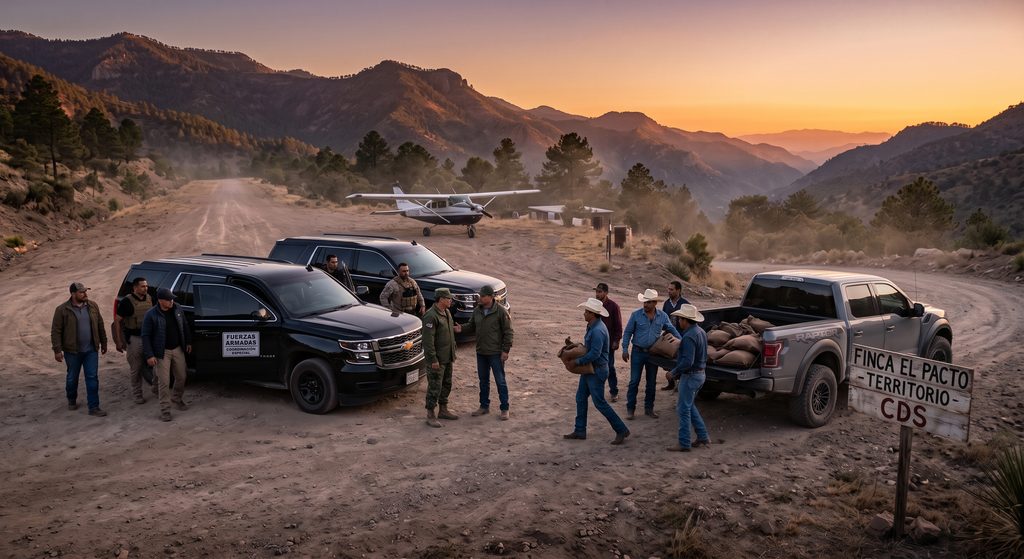
What lies behind the failure of thousands of federal troops in their effort to control violence in the state is the fact that organized crime controls significant segments of the government structure itself. Its entrenchment within government structures and public and private management is so extensive that only an Italian-style “maxi-trial” could rid the state of the criminal domains that plague it.
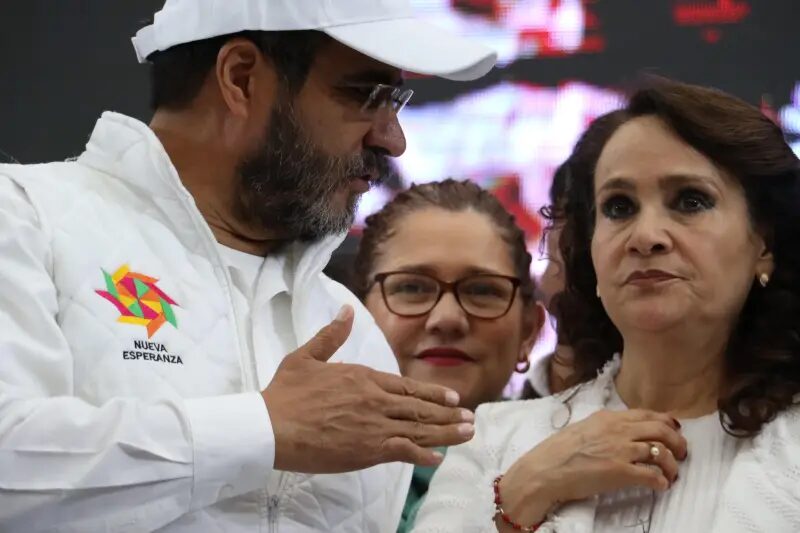
Information is circulating on social media that contradicts the president and Morena’s attempts to distance themselves from the drug cartel pact. Photographs and videos show, for example, René Bejarano and Dolores Padierna with the famous “aunt” of the Chapitos—Chapo Guzmán’s sister—chatting with their supporters at a rally. In another video, they are seen listening intently as the aunt addresses PT activists, thanking the Sinaloa Cartel’s local boss for protecting the citizens of the municipality where the event is taking place. Thus, social media confirms that the relationship between prominent Morena activists and members of the Sinaloa Cartel continues.
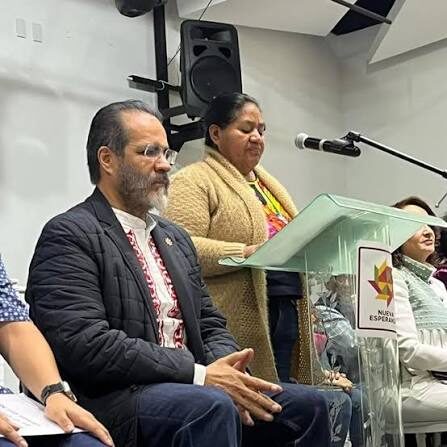
Neither Graciela Domínguez nor Imelda Castro has the political clout, the drive, or the need to change the political system imposed by Rocha, with the support of former President López Obrador. The pact continues—certainly weakened—but its vital signs are still there, as evidenced by the militant presence of Bejarano and Padierna, backed by the cartel.
The supposed honesty of the imposed governor and the “people’s candidate” is a claim that sinks—useless and questioned—into the mire of the unending Morena-narco pact. And it persists because it is also alive in other states where, just as in Sinaloa in 2021, governments were elected using the same method as the Morena-narco pact, with the well-known presidential blessing.
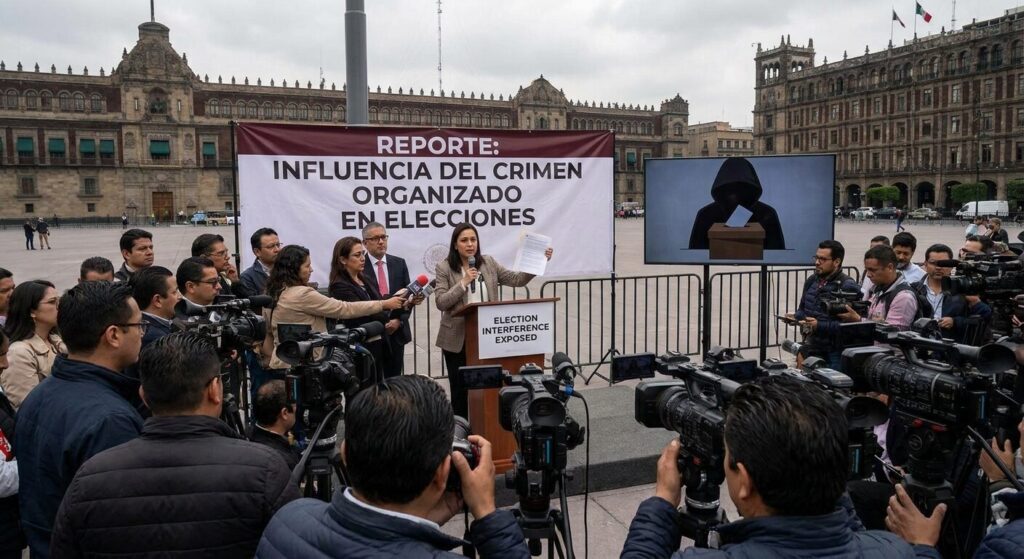
Guerrero, Quintana Roo, Michoacán, Nayarit, Colima, Sonora, Zacatecas, Baja California, Baja California Sur, Tlaxcala, Campeche, and San Luis Potosí were all affected, to a greater or lesser extent, by this “protective cloak” of drug trafficking. The criminal virus has gained strength and seeks to continue with the agreement, which is so fruitful for its interests as it strengthens its roots and consolidation. Furthermore, it does not agree to cancel the pact ahead of the 2027 elections. “Let the agreement continue!” cries the criminal underworld.
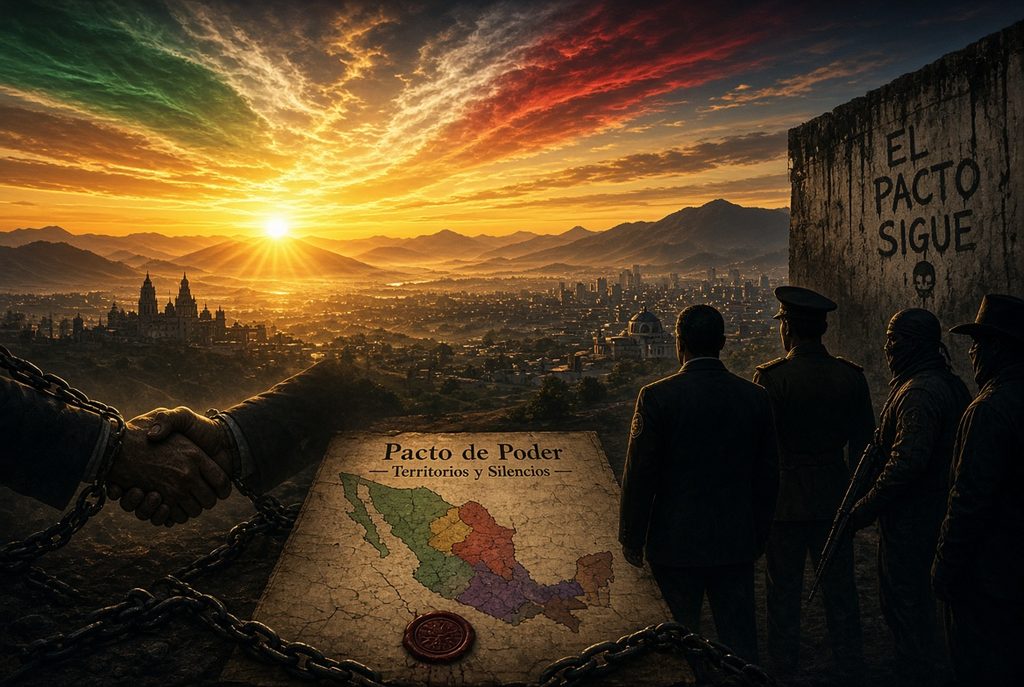
The decline in intentional homicides nationwide is the result of a temporary, negotiated agreement between the government and organized crime, valid until negotiations between Morena and the cartels regarding the nomination of candidates for the remaining gubernatorial races are concluded. After that, hostilities will resume.
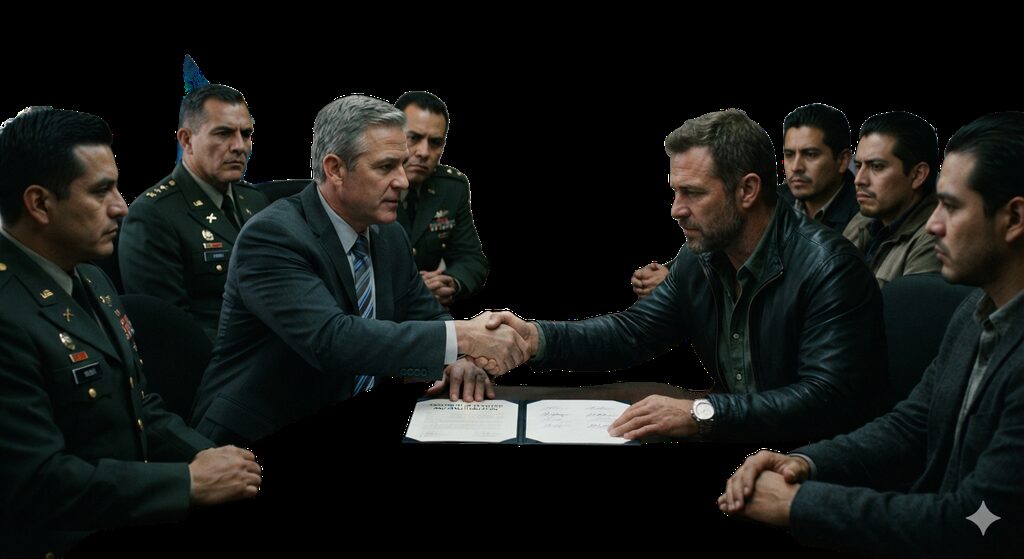
Reality points to a deeper and more troubling problem. The federal government and Morena want us to believe that the governor and the candidate are free of any association with Rocha and his pacts. The people of Sinaloa know full well that this narrative is a lie spread by the federal government and Morena to cover up their mistakes, because they see that the Morena-narco pact promoted by AMLO in 2021 is still in effect.
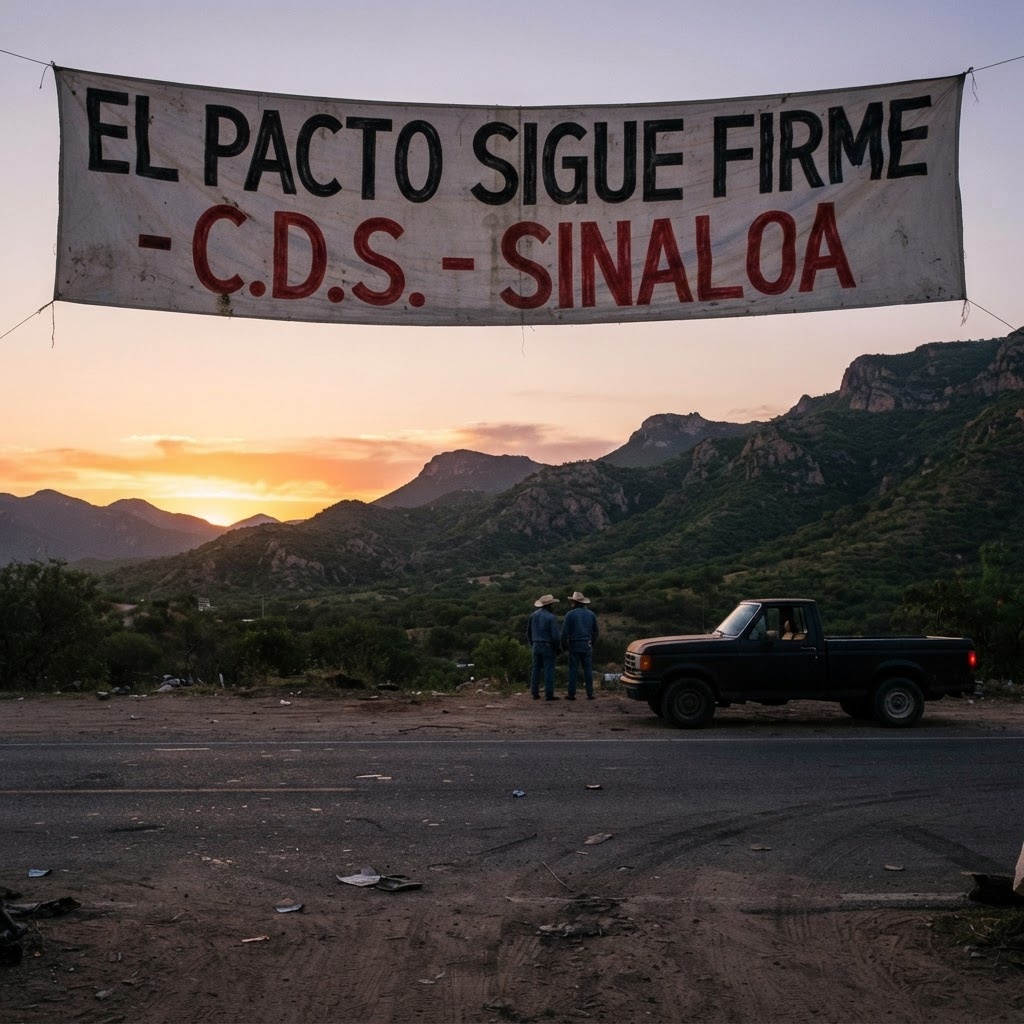
The open infiltration of drug trafficking into the spheres of public administration has altered Mexico’s contemporary history. In an attempt to cover up its Faustian pact with the devil, Morena set out to dismantle all the institutional foundations of the democratic State. It corrupted the judicial system—especially the Supreme Court of Justice of the Nation—so that it would not question the influence of drug trafficking on the affairs of the Mexican State. It seeks to eliminate the peaceful transfer of power through elections by co-opting and corrupting the National Electoral Institute (INE) and the Federal Electoral Tribunal. Eliminating the autonomous bodies that protected citizens’ right to information and accountability allows it to impose instruments of censorship on the press and on dissent in general throughout the country. Every law and regulation Morena imposes from now until the 2027 elections will limit and undermine the opposition’s and citizens’ ability to advance alternatives to Morena’s model of governance. All of this is built on Morena’s Faustian pact with drug cartels.

At sunrise, the pact is still there.

@rpascoep