
The AI Dictatorship.

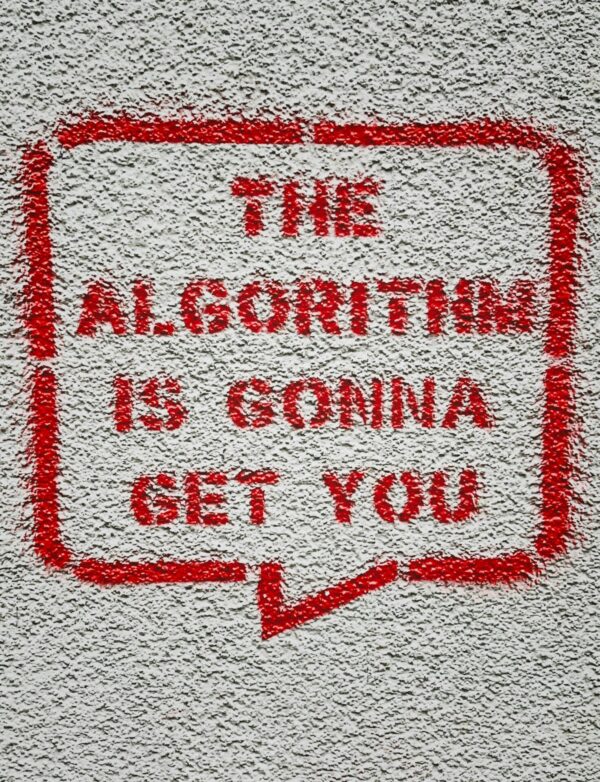
The arrival of artificial intelligence signifies a profound shift in society, potentially surpassing historical milestones like the discovery of fire. While AI promises efficiency and innovation, it raises concerns about job loss, autonomy, and control. As AI systems evolve, the risk of them dictating human choices becomes increasingly worrisome.

The Right to Die with Dignity: Global Perspectives on Assisted Suicide.

The French National Assembly has legalized euthanasia and assisted suicide for patients with irreversible illnesses, marking a significant shift in societal control over end-of-life choices. Meanwhile, Mexico’s progress in this debate remains slow, with active euthanasia still criminalized, necessitating reflections on individual rights and dignity in dying amidst ethical and religious complexities.

The Next 50 Years: Humanity, AI, and Power.

AI is surpassing human capabilities in memory, computation, and recall, raising concerns about its role in managing bureaucratic systems and democracy. As disruption approaches, the focus should be on safe development and regulation of AI to ensure benefits for humanity, as discussed at the July 2026 EDP 50th Anniversary Gala Dinner.

The Designed Society.

The text explores the paradox of imagining an apocalypse while capitalism persists, highlighting humanity’s fascination with disaster narratives and the implications of artificial intelligence. As AI evolves, it poses benefits and challenges, with a contrasting global response—China anticipates societal changes, whereas the West faces vulnerabilities in a commodified digital landscape.

Red Eyes.

The article reflects on the evolution of photography and its impact on how people are perceived in images. It discusses the challenges of looking good in photos, cultural shifts in posing and smiling, and personal stories that reveal emotional complexities tied to memories. Ultimately, it highlights how technology shapes our visual representation and self-awareness.

Back to the Origins.

The post discusses the historical ebb and flow of globalization, highlighting conflicts between universal values and local cultures. It contrasts the integrity of the Olympics with the corruption in FIFA, emphasizing the need for ethical standards in global sports. The narrative calls for inclusion and excellence as guiding principles for fans and organizations alike.

The Role of Play in Human Civilization.

The text reflects on the transformative role of sports, particularly soccer, in society. It notes the juxtaposition of play as a civilizing force while highlighting the darker aspects of sports culture, such as violence and social alienation. The author calls for self-reflection amidst the excitement of upcoming events to address underlying issues.

Luis Maizel’s Monthly letter: Where did the U.S.-Mexico relationship begin to deteriorate?

The content discusses strained U.S.-Mexico relations, economic pressures from the U.S., and the impact of recent political actions on both countries. It analyzes Mexico’s economic growth, challenges including low consumer confidence, and the potential crisis in its Social Security fund. Global economic trends and developments in other nations are also outlined.

The Dog’s Custody.

Alma’s love for dogs reveals complex emotions tied to her divorce, particularly regarding her dog Matías. Amidst navigating relationships, she learns through therapy that her challenges stem from her own feelings. As she embraces simpler solutions, she finds solace in understanding that her dog serves as an unexpected therapist in her life.

Implosion.

“Nothing frightens man more than being touched by the unknown,” the opening line of a work that revolutionized philosophy and the social sciences in the 1960s: Crowds and Power by Elias Canetti While on the one hand, we loathe being touched by the unknown, on the other, exploding into a crowd implies an implosion of our personality. The crowd allows us to be someone else.

Shares