
Juan Villoro
We face the enormous challenge of looking good in photos. Some people possess an inexplicable photogenic quality and look even better in front of the camera; however, the vast majority are captured in an unflattering way: either their hair looks sparse, or they have a double chin.

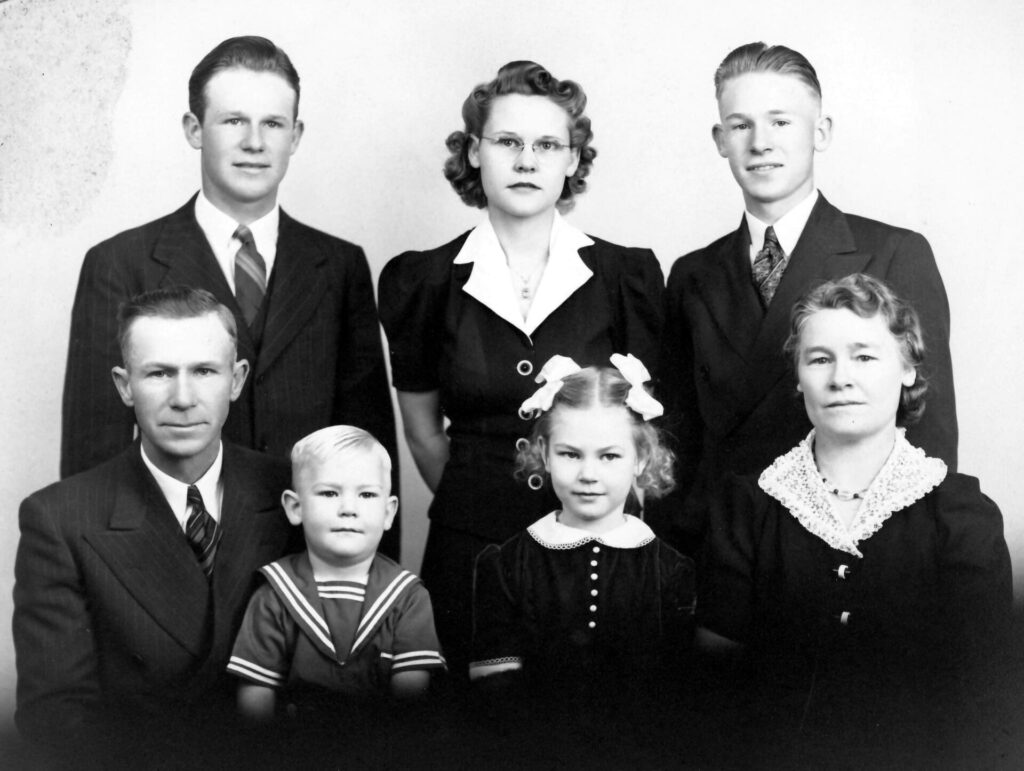
In the early 20th century, families posed in studios wearing their Sunday best. No one smiled back then. It wasn’t until after World War II that the culture of smiling became popular, influenced by advances in dentistry and toothpaste advertising.
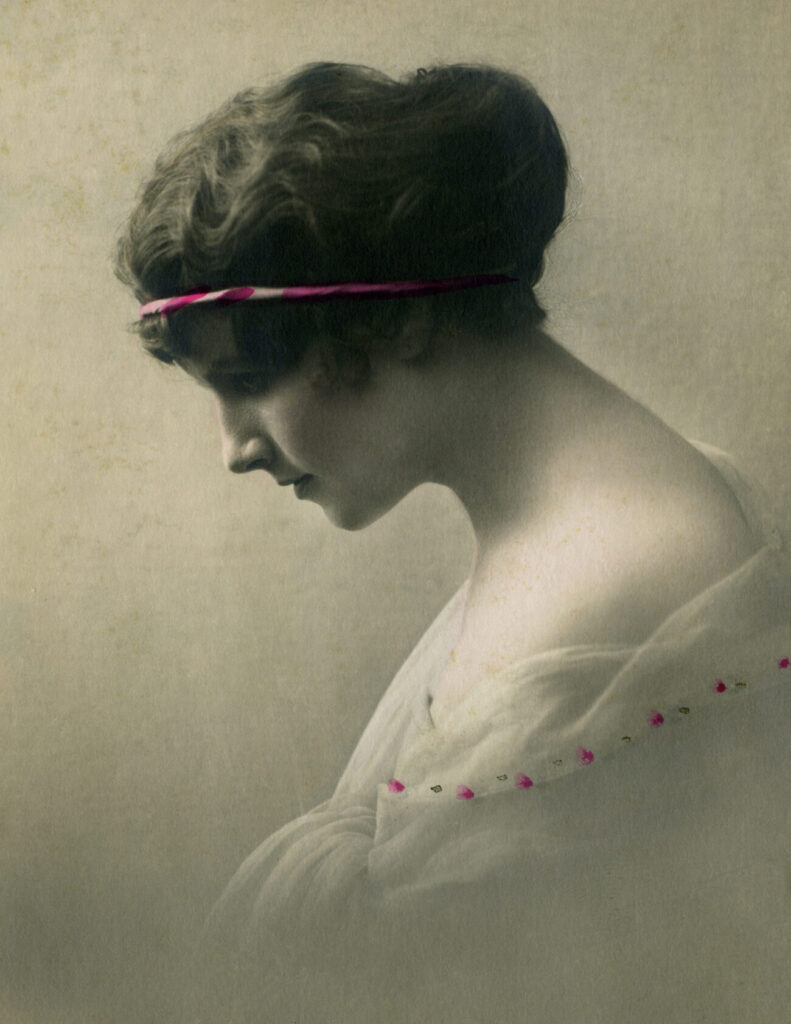
The arrival of color prompted black-and-white photography to try to hold its ground with a curious adaptation: retouching. A brush would emphasize the red of the lips, the rosy glow of the cheeks, and the black of the eyebrows. That honest falsification—a precursor to Photoshop—multiplied the number of angelic faces.
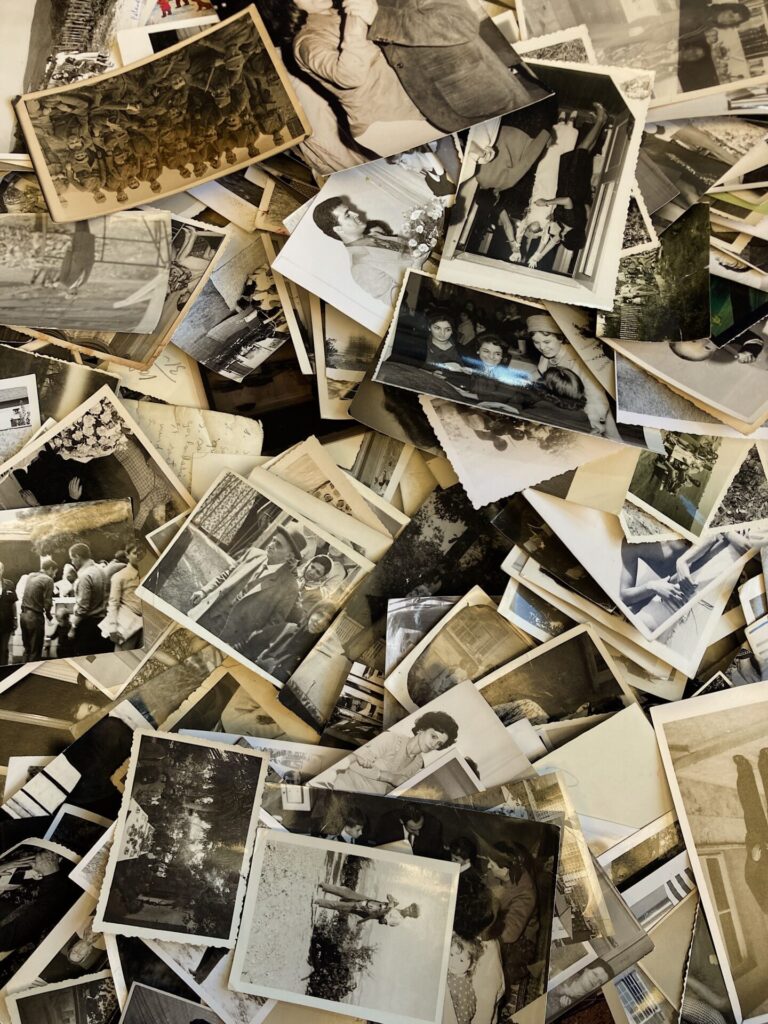
In the 1960s, the Instamatic turned anyone into a photographer. Families captured everyday scenes that are often lost during moves and sometimes resurface as trinkets at flea markets. Finally, cell phones made photos a necessity of life: nowadays, only what is photographed actually happens. When today’s young girls become grandmothers, they’ll overwhelm their granddaughters with a million images from their youth.

So, people have been photographed in many different ways, but they’ve almost always had the misfortune of looking chubby.

I mention this because we’re in the season of photographs. September is Independence Month, and October is the month of remembrance. On the eve of the Day of the Dead, people look for portraits to place on the altar for the deceased. While we’re at it, we take the opportunity to see what we looked like back then. The Halloween chill sets in when we look at the sideburns, the red shirt with black specks, and the bell-bottom pants we wore to a wedding.
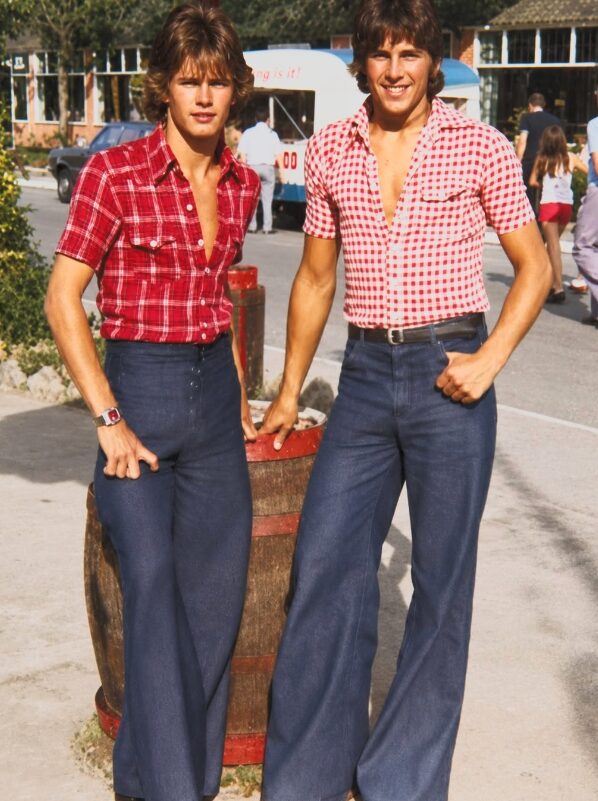
The images from All Souls’ Day show that our clothes have improved and we’ve gotten worse. They also provide insight into the transformations in the representation of the human form.
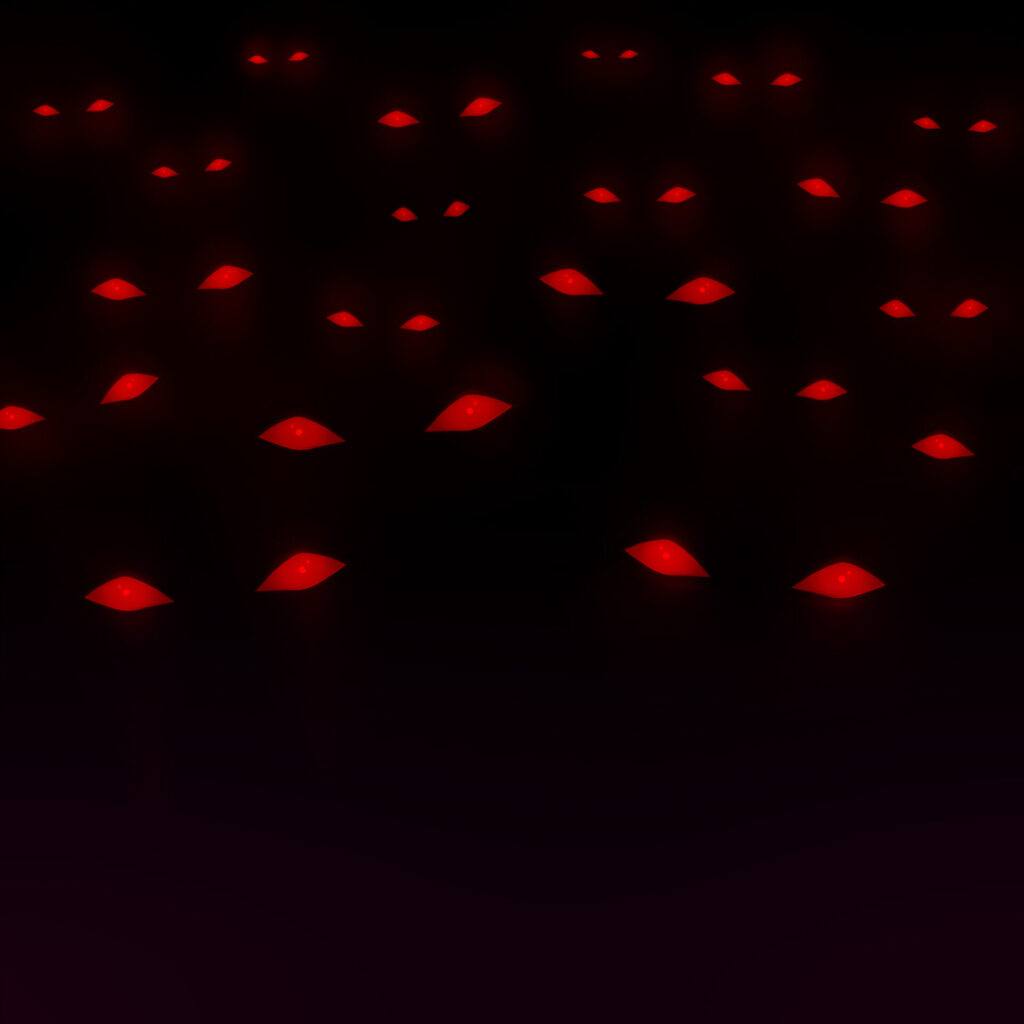
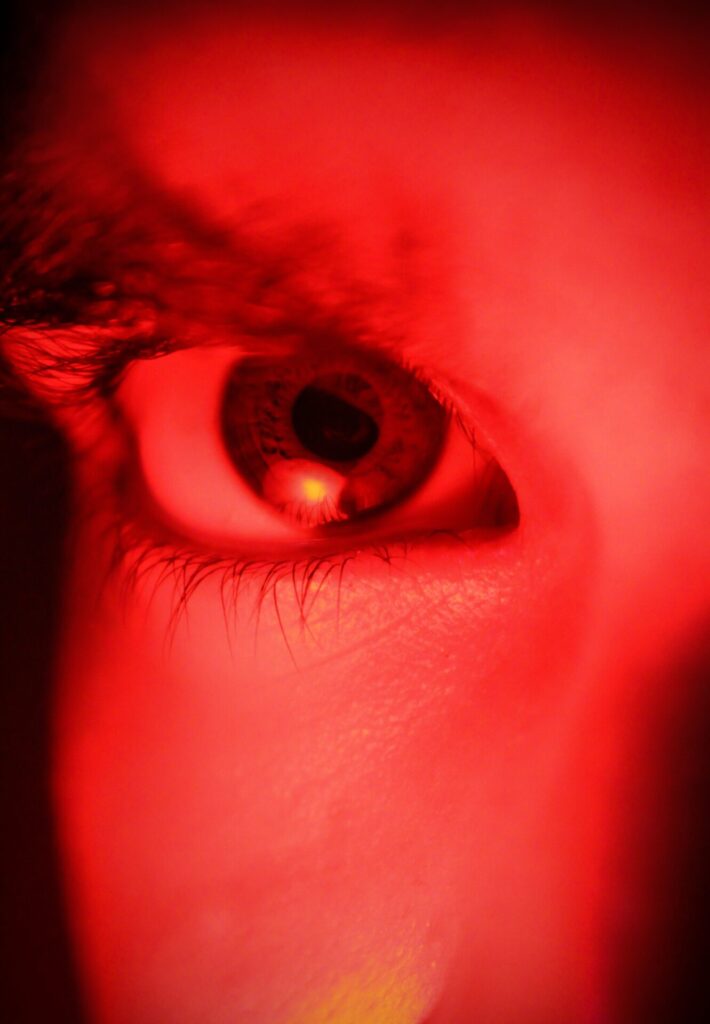
During a pivotal period, humanity was a species that could appear in photos with red eyes. Flash photography turned us into dazzled rabbits. This got worse when we looked directly at the camera. The excess light made the blood vessels in our eyes stand out.
I thought about this when my friend Beatriz, who had just gone through hundreds of photographs for her altar, said with surprising sadness, “I was born in the wrong era.” I recalled the years when she would elicit sighs at the university. No one doubted her beauty, but, as she explained to me, there was no way to capture it. In all the photos where she actually looked her best, her eyes were red—and that’s because her best expression was true to her nature of facing things head-on.

Her comment surprised me because Beatriz rarely talks about herself, and I don’t recognize any of the traits associated with narcissism in her. As expected, she actually wanted to talk about something else.

After college, she shared an apartment with a best friend who would turn out to be her worst nightmare. It was she who took the photos in which Beatriz appeared with red eyes. And not only that: on November 2, she organized a costume party and, under the pretext of not knowing who he was, ended up kissing a guy dressed as the Devil—who was, at the time, Beatriz’s boyfriend. It was a textbook betrayal. It didn’t help that her roommate tried to downplay it by claiming she’d had too much of the tejocote punch because it was so delicious. Beatriz lost a friend and realized the obvious: that the Devil wasn’t worth the trouble.
I didn’t find out about it at the time because I was living outside of Mexico. When I came back, Beatriz no longer cared about the whole thing. But the years come back like the tides, bringing forgotten things to the surface. While going through her photos, my friend discovered she still has three of her ex-boyfriend’s (her roommate took the rest when she was kicked out of the apartment). “In all of them, his eyes are red,” she complained. “But he looks better that way—like a vampire about to attack. What’s unfair is that my eyes are red.”
There was a time when people wanted to capture unforgettable moments and only managed to show that we have blood in our eyes. I understood my friend’s melancholy. Looking back, those photos reveal that we didn’t have the right technology, but above all, that our happiness was imperfect, too.
Further Reading: