Red Eyes.

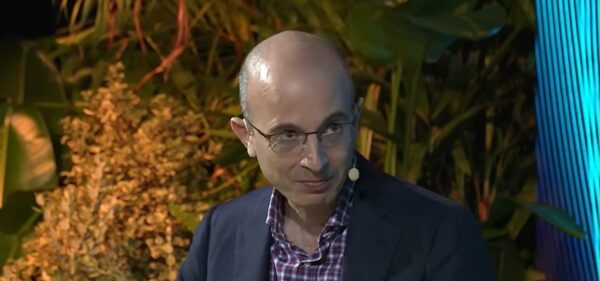
The article reflects on the evolution of photography and its impact on how people are perceived in images. It discusses the challenges of looking good in photos, cultural shifts in posing and smiling, and personal stories that reveal emotional complexities tied to memories. Ultimately, it highlights how technology shapes our visual representation and self-awareness.

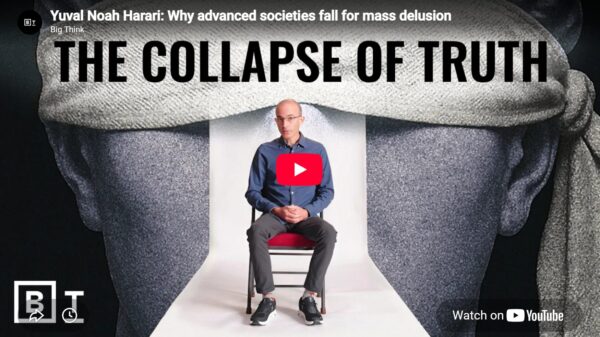
Why Advanced Societies Fall for Mass Delusion.

Yuval Noah Harari discusses the paradox of human intelligence in a Big Think presentation, emphasizing that while we accumulate knowledge rapidly, we remain susceptible to misinformation and deception. He highlights the impact of information technology on societies and warns of the dangers posed by artificial intelligence, underscoring the importance of quality information.

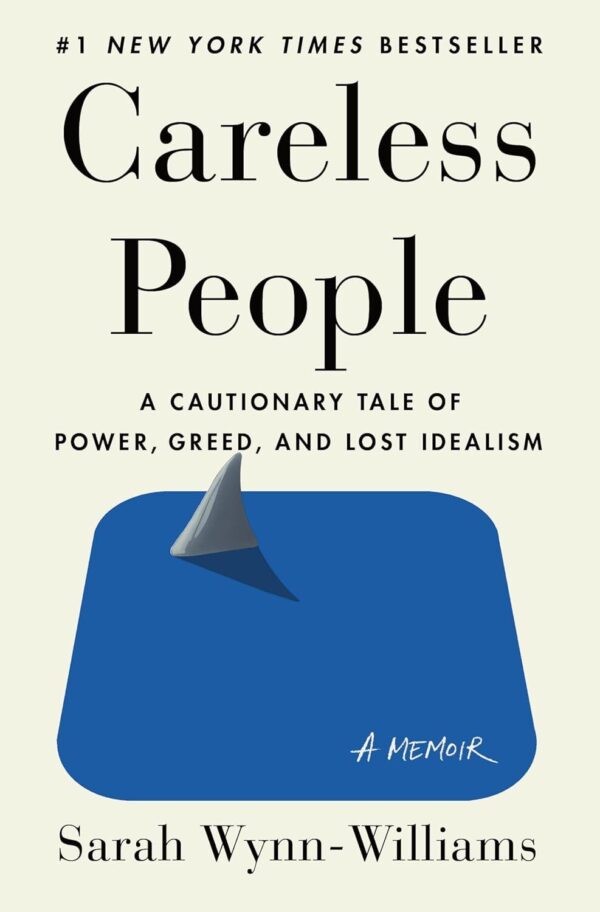
Careless People: A Cautionary Tale of Power, Greed, and Lost Idealism.

“Careless People” is a revealing memoir by Sarah Wynn-Williams, chronicling her experiences at Facebook. It highlights the consequences of unchecked power, workplace misogyny, and the challenges of motherhood in a high-pressure environment. The book offers insights into the personal and political impacts of social media’s evolution and responsibility among its leaders.

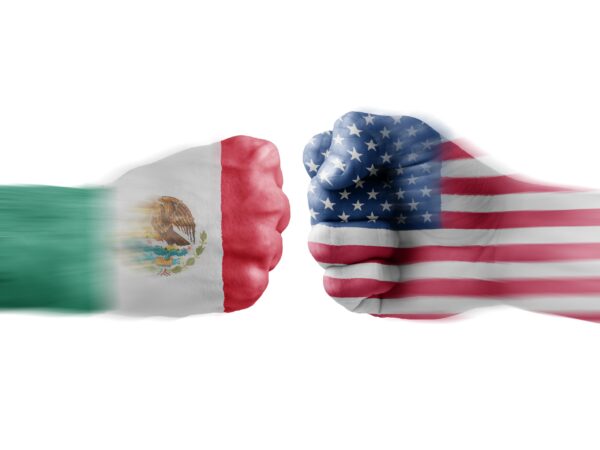
Luis Maizel’s Monthly letter: Where did the U.S.-Mexico relationship begin to deteriorate?

The content discusses strained U.S.-Mexico relations, economic pressures from the U.S., and the impact of recent political actions on both countries. It analyzes Mexico’s economic growth, challenges including low consumer confidence, and the potential crisis in its Social Security fund. Global economic trends and developments in other nations are also outlined.

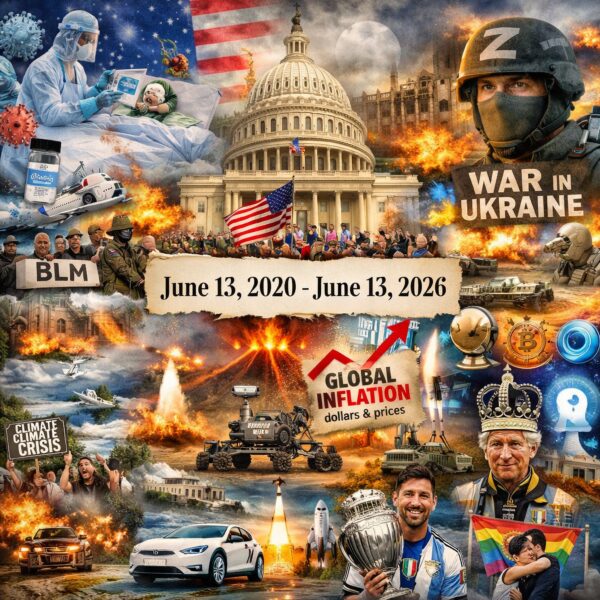
June 13, 2020-June 13, 2026.

SEPGRA, established on June 13, 2020, has published extensive content covering global events and societal changes, totaling 2,237 posts over 2,192 days. The organization expanded its linguistic reach and accurately predicted significant shifts in Mexico’s political landscape. Looking ahead, SEPGRA embraces the complexity of emerging global dynamics with optimism.

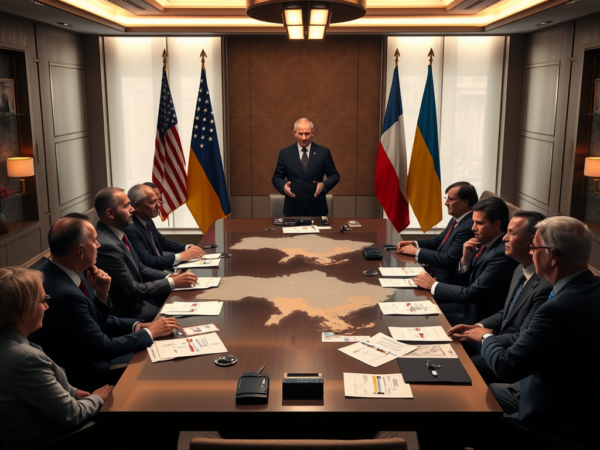
Negotiating Peace: The U.S. Strategy in the Ukraine Conflict.

Russia’s ongoing aggression in Ukraine faces diplomatic challenges, with the U.S. pushing for agreements by June 30, coinciding with elections. Key obstacles include Putin’s rejection of settlements, Ukrainian sovereignty concerns, and NATO’s status. Proposed solutions, like a Reconstruction Trust Fund, reflect resource exploitation ambitions, highlighting the complexities of negotiations.

An Impossible War.

This is an impossible war because it has no easy way out. Once the bombing is over, assuming the partial destruction of facilities and even the weakening of the Ayatollahs’ government, we would still have to live with a world full of fanatics, militias, ideological networks, clandestine apparatuses, and political structures that have made holy war and the destruction of their enemies a way of life and a reason for existence.

Remaking the Middle East: The U.S., Israel and Iran.

The documentary “Remaking the Middle East: The U.S., Israel & Iran” examines the origins and consequences of the U.S.-Israel war with Iran. Updated in March 2026, it provides historical context on the conflict, highlighting decades of animosity, U.S. involvement, and the stakes for the Middle East amid ongoing hostilities.

The “Domino Effect” of the War in Iran.

The US and Israeli military actions against Iran in February 2026 have escalated into a potential global conflict, adversely affecting the world economy. With the Strait of Hormuz at the center, energy prices have surged due to disrupted oil and gas supplies, leading to inflation and economic stagnation worldwide, particularly impacting Europe, Asia, and vulnerable emerging markets.

Three Videos on Iran, Trump, and The World.

Thomas Friedman discusses U.S. strikes in Iran on Morning Joe. Canadian Prime Minister Mark Carney speaks at the Lowy Institute about global tensions and strategic alliances with countries like India and Australia, emphasizing diplomacy. David Brooks and Jonathan Capehart analyze the U.S. political landscape, focusing on the economic uncertainty amid recent military actions.

Shares