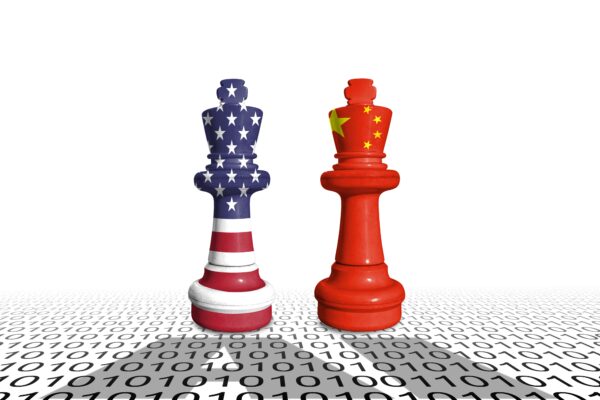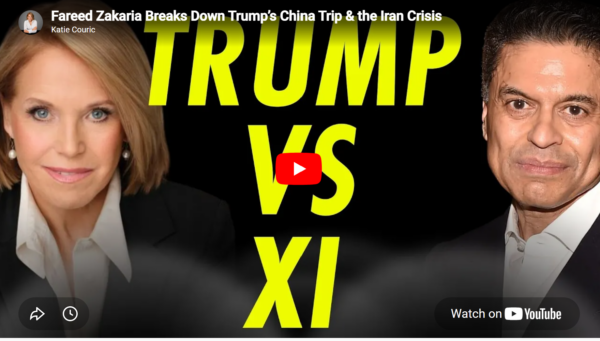

全球秩序的未来:美国与中国。
本文探讨了中美两国领导人之间的一次重要会晤,强调了潜在的权力动态比正式协议更为重要。文章指出台湾问题是两国共同面临的关键议题,并认为中美未来的合作有望塑造全球经济格局并维护世界秩序。
The text discusses the evolving relationship between the United States and China, emphasizing a shift towards collaboration rather than confrontation. It highlights key issues such as Taiwan, economic partnerships, and the strategic importance of technology. Despite tensions, a balanced coexistence seems likely, shaping future global economic dynamics.
The content suggests that viewers should watch a specific video from start to finish, indicating it’s engaging and informative. It also lists additional videos covering various topics, including the Kentucky Derby, Warren Buffett’s interview, longevity science breakthroughs, and discussions about U.S. relations with Iran.
The ATA-2026 annual report details worldwide threats to U.S. national security, as mandated by the FY21 Intelligence Authorization Act. It presents insights from the Intelligence Community, focusing on imminent threats for the upcoming year and emphasizing the need for a proactive intelligence response to protect American lives and interests.
The video showcases China’s groundbreaking hotels that defy engineering norms, featuring innovative designs such as cantilevers and structures suspended in mid-air. It highlights advanced construction techniques like diagrids and tension cable networks, demonstrating how these remarkable buildings operate safely while challenging traditional architecture perceptions. A must-watch for architecture and engineering enthusiasts.
The first anniversary of Donald Trump’s second term reflects a year of turmoil, where traditional politics have been disrupted. Trump’s instinctual and often confrontational approach has reshaped both domestic and international landscapes. With potential electoral consolidation looming, the implications of his governance could redefine American power dynamics and global stability significantly.
Morgan Freeman critiques Trump’s 2026 threat to use military force against Mexican cartels, recalling the failure of Plan Colombia despite significant investment. He argues that military action has consistently failed to diminish cartel power in various countries, suggesting that Trump’s approach will likely repeat past mistakes with unproductive escalation.
The content critiques the rise of reckless leadership, particularly focusing on Trump’s actions as detrimental to global stability. It contrasts the concept of madness, which can inspire short-term success, with the destructiveness of past tyrants. The author warns that unchecked madness in power threatens democracy and societal well-being.
The article discusses the escalating geopolitical tensions driven by US interventions, particularly in Venezuela, which are reminiscent of Russia’s actions in Ukraine. It critiques Mexico’s lack of coherent foreign and national security policies under its current leadership, highlighting the risks posed by external threats and internal inconsistencies.
Since the Congress of Vienna in 1815, the need for institutional mechanisms to prevent chaos has been clear. The U.S. played a pivotal role in fostering global stability post-World War II, emphasizing peace over force. However, under Trump, this commitment has eroded, leading to a dangerous precedence of coercion over diplomacy.