
The Revenge of the Earth.

The Earth faces a dire environmental crisis as wildfires, rising oceans, and climate change intensify, revealing our failure to act despite decades of discourse. Political decisions, like the U.S. withdrawal from the Paris Agreement, exemplify our regression. Urgent action is needed to combat ecological degradation and secure a livable future for subsequent generations.
The Rule Of Law Index 2025.

The 2025 WJP Rule of Law Index highlights a global decline, with 68% of countries experiencing reduced rule of law. Factors include weakened safeguards and diminished judicial independence. The report stresses the correlation between a strong rule of law and improved economic, educational, and health outcomes, urging necessary reforms for resilience.

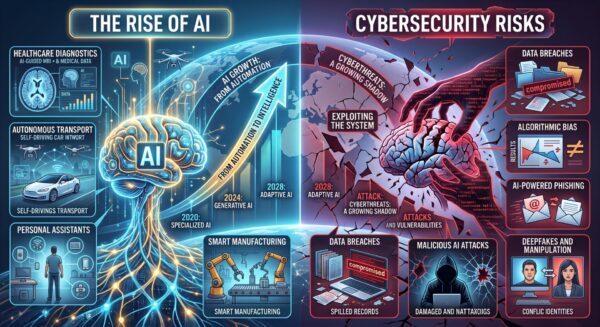
The Rise of AI and Its Cybersecurity Risks.

The article discusses the challenges of academic admissions, emphasizing the issue of cheating during exams at UNAM, where technology failed to prevent violations. It also highlights a significant AI oversight, where OpenAI’s ChatGPT accessed the internet due to a security lapse, raising questions about trust and human responsibility in the digital age.

AI Has Hacked The Code Of Human Civilization

The 2026 Tanner Lecture discusses how human domination hinges on large-scale cooperation boosted by bureaucratic systems that foster trust. AIs, as adept bureaucrats, can manage essential processes like loan approvals and military decisions, raising concerns about their control over critical societal functions and our preparedness for such a shift.

Luis Maizel’s Monthly Letter: China: World Power or Looming Disaster?

This month’s analysis highlights China’s transformation into a technological powerhouse, contrasting with its economic struggles, including a slow GDP growth and a near-bankrupt banking sector. Meanwhile, the U.S. exhibits moderate economic growth amid political volatility and rising consumer discontent. Global economies face challenges, including inflation and geopolitical tensions, affecting growth and trade relationships.

The Right to Die with Dignity: Global Perspectives on Assisted Suicide.

The French National Assembly has legalized euthanasia and assisted suicide for patients with irreversible illnesses, marking a significant shift in societal control over end-of-life choices. Meanwhile, Mexico’s progress in this debate remains slow, with active euthanasia still criminalized, necessitating reflections on individual rights and dignity in dying amidst ethical and religious complexities.

The Next 50 Years: Humanity, AI, and Power.

AI is surpassing human capabilities in memory, computation, and recall, raising concerns about its role in managing bureaucratic systems and democracy. As disruption approaches, the focus should be on safe development and regulation of AI to ensure benefits for humanity, as discussed at the July 2026 EDP 50th Anniversary Gala Dinner.

Self-Inflicted Decline.

The article critiques the Mexican government’s policies over the past eight years, arguing they have hindered economic growth and opportunity, particularly for the poor. It emphasizes the importance of reliable energy and a strong education system to foster development. The current nationalist approach risks locking Mexico into a low-value assembly role, stifling broader progress.

The Designed Society.

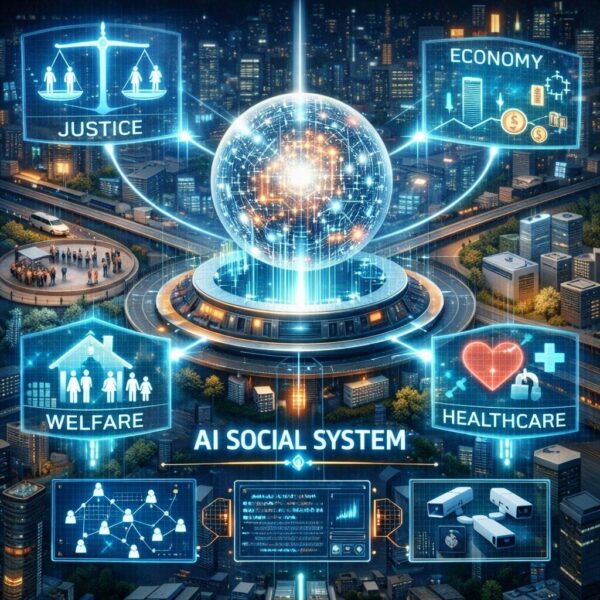
The text explores the paradox of imagining an apocalypse while capitalism persists, highlighting humanity’s fascination with disaster narratives and the implications of artificial intelligence. As AI evolves, it poses benefits and challenges, with a contrasting global response—China anticipates societal changes, whereas the West faces vulnerabilities in a commodified digital landscape.

Science: A New Golden Age.

The report highlights the pivotal role of American science in achieving historic victories and driving innovation. While government funding for research has grown, private sector investment now dominates. The report calls for reforms to enhance scientific efficiency, adapt to emerging technologies, and ensure equitable benefits from advancements in science and technology.

Shares