

Otto Granados Roldán
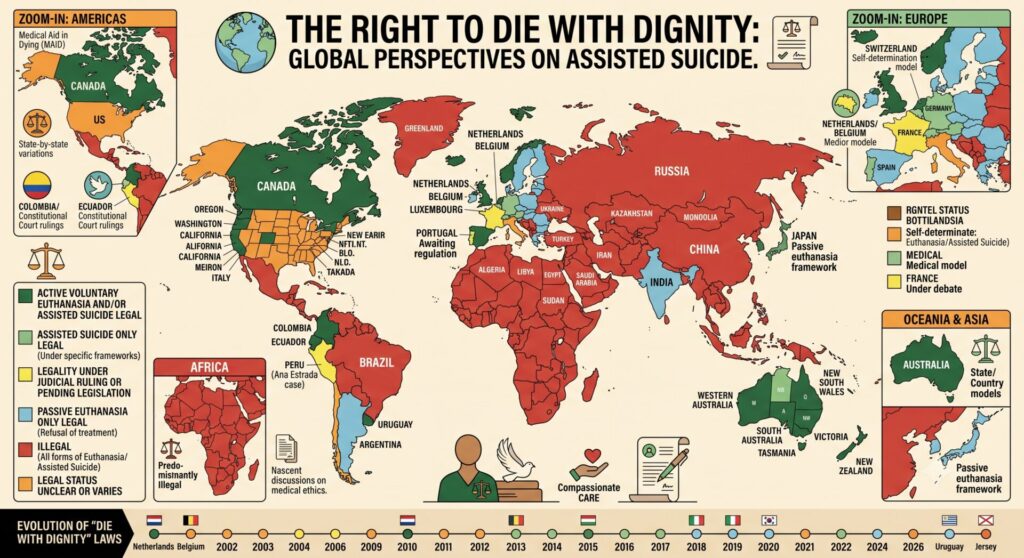
After years of debate, the French National Assembly recently passed a law on the right to assistance in dying, which includes regulations on euthanasia and assisted suicide for patients with serious, irreversible illnesses and severe suffering. As Le Monde wrote in its July 15 editorial, “This marks a decisive step toward French society taking control of every human being’s greatest fear—the fear of unbearable suffering at the moment of death—and the attainment of a new freedom: the freedom to choose the end of one’s life independently of the State or religions.” France thus becomes the sixth European country to legalize or decriminalize these practices.

This is certainly a much-needed debate that, for various reasons, has progressed far too slowly in Mexico, with only limited progress in half a dozen states. For example, in 2009, the Aguascalientes State Legislature passed the Advance Directive Law, also known as the passive euthanasia law, under which a person suffering from a terminal illness may freely decide whether or not to undergo medical treatments that could prolong their agony, thereby safeguarding at all times their right to a dignified death. In 2024, an attempt was made to go further by seeking to amend the local constitution to advance the issue, but it was unsuccessful.

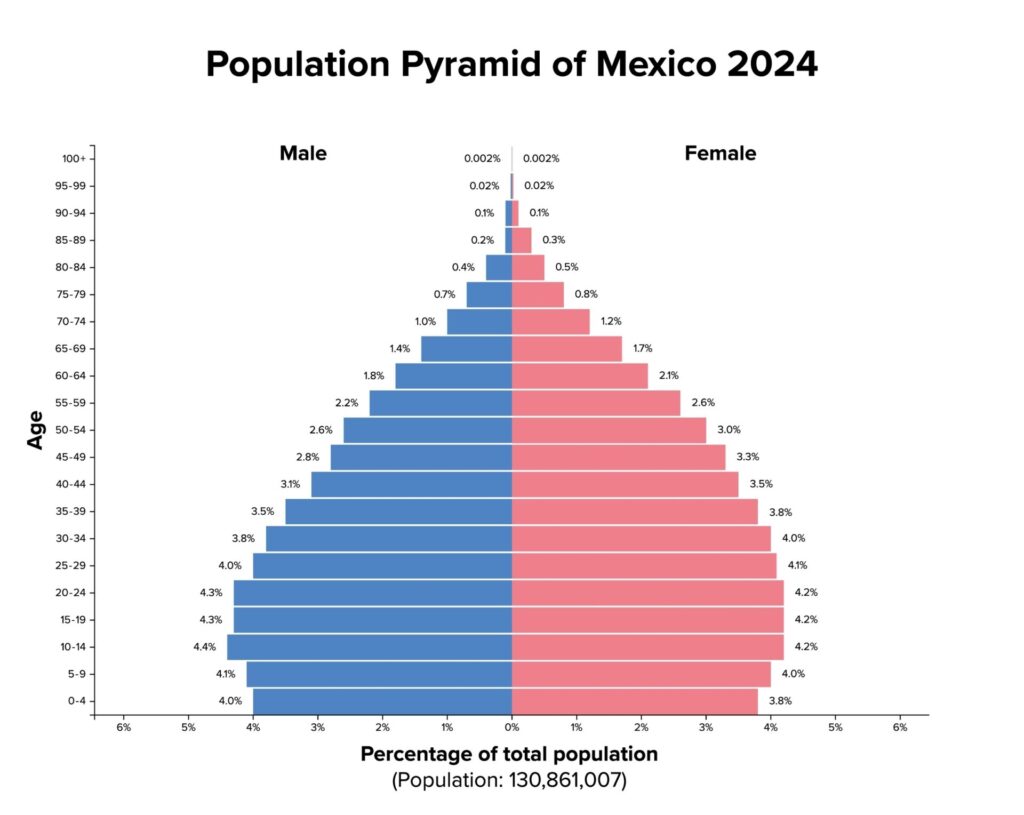
However, active euthanasia and assisted suicide remain prohibited and criminalized under state and federal law. It is time to resume reflection on this highly sensitive issue because Mexico, with nearly 15 million people aged 65 and older, has already entered the unstoppable phase of aging and its social, psychological, emotional, and health effects, without being fully prepared to face them.
This reality compels us to ask, among other things, whether there is such a thing as a person’s right to decide when to die. In principle, I am inclined to think so. Although it is a subject of intense debate at the intersection of ethics, science, and religion, it may not be long before we see a certain cultural and legal understanding of the ways in which a person can end their life with dignity—perhaps acknowledging, in the words of Julian Barnes, that “the church and the law have for too long fostered indignity.”

In a book I published1, I recalled how the philosopher André Gorz and his wife, Dorine—who had been together for half a century—committed suicide alone in 2007 at their home in a small French village. 2 Two years later, with medical assistance, conductor Edward Downes and his wife, Joan, did the same “under circumstances of their own choosing,” according to their children; they had spent 54 years together. Around the same time, Debbie Purdy, a woman suffering from multiple sclerosis who ultimately died in 2014, succeeded in getting Britain’s highest court to uphold her request that the law governing assisted suicide clarify whether her husband, Omar Puente, could be prosecuted if he helped her end her life. “In her own words,” recalled David Ward, a member of Parliament who supported her in her legal battle, “Debbie said that if she were allowed to die, it would help her live.”
Cases like these must be addressed, at the very least, from legal and ethical perspectives. On the one hand, perhaps what they have in common—besides a terminal illness—is a deep fear of loneliness, of the “massacre”—as Philip Roth would put it—of old age and physical and mental decline, of the shift from living to merely existing, of abandonment, or of the suffering that, for some, the very experience of life can entail. But there is something even more powerful: the conviction that, under certain circumstances, making a choice about one’s own life—while in full possession of one’s faculties—is a right that must be protected by law.

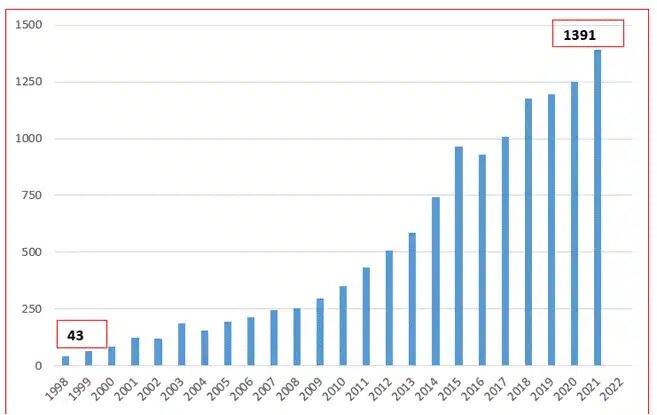
To date, about ten countries have laws permitting assisted suicide and active euthanasia. In others, such as the United States, it is regulated at the subnational level and is permitted in states like California, Colorado, and Oregon. Swiss law has authorized assisted suicide since the middle of the last century, and under its provisions—according to a Swiss government report covering only 2023—1,729 people chose this option.
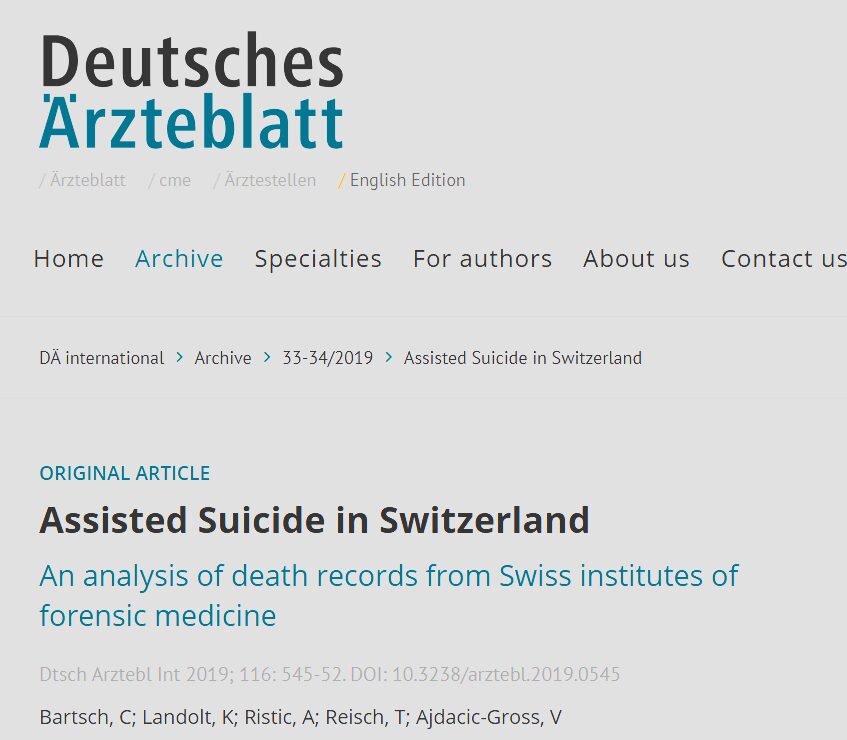
As this is the longest-standing precedent, a Swiss-German research team compiled a report to track the development of assisted suicide over the course of thirty years. They found a notable increase in the total number of assisted suicides since 2000; the majority (60%) were women; the median age was 73 years; and the diagnostic categories of those motivated by the desire to die included various age-related functional limitations, sensory impairment, and loss of vision and hearing, among others.
However, the study showed that in the cases analyzed, there was “insufficient transparency” regarding the approach and/or process of the organizations offering assisted suicide, and the question of how it was ensured in each case that the fundamental principle was upheld—namely, “that a person has exercised sound judgment regarding their long-standing and carefully considered desire to die”—appears to have not been sufficiently addressed.3
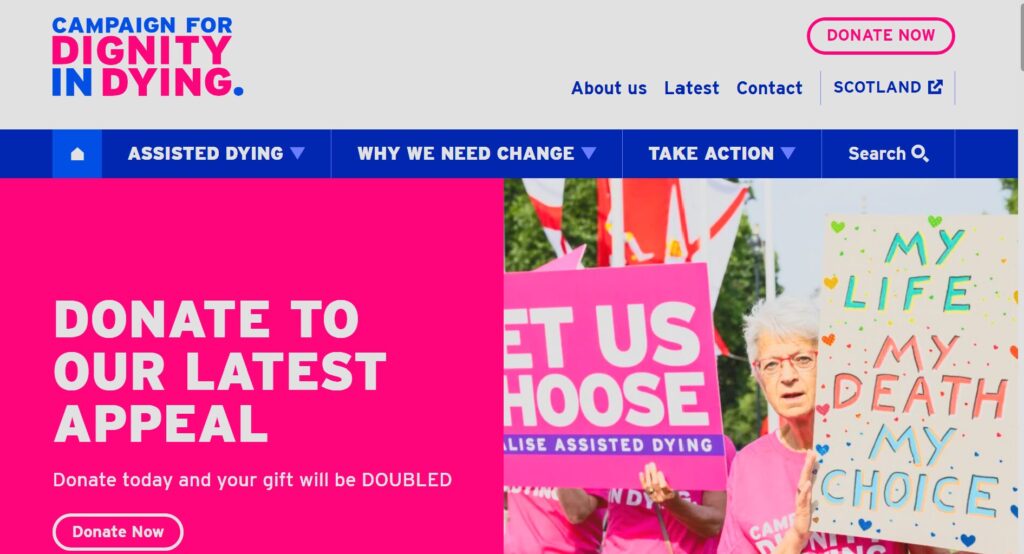
Dignity in Dying, a civil society initiative that has been campaigning for years to enact a law on assisted dying for terminally ill, mentally competent adults in the United Kingdom, estimates that more than 300 million people worldwide already have legal access to this option. So far, no national law has been repealed.
As I mentioned earlier, Mexico has begun to introduce tentative alternatives; several medical associations, professional initiatives, and civil society organizations are very active in the discussion on “medical assistance in dying,” and in 2025, a bill was introduced in the federal Congress that is currently stalled. If all of this evolves with a certain degree of openness and coherence, it is possible that the change will take on more formal legal dimensions in the medium term.

Of course, this is an extremely complex decision. The most controversial aspect undoubtedly lies in the ethical and religious dimensions of the issue, which create profound tension when the argument comes from the scientific perspective—that is, when a terminal illness and its painful effects lead a conscious and free person to decide to end their life with dignity because they believe it is now their only option. This reflection raises an extremely difficult dilemma, especially if the person is a man or woman of faith. If, as Pope Ratzinger believed, there is a “necessary correlation between reason and faith,” then that decision cannot be made solely from a scientific perspective or solely from an ethical one because, according to this line of thought, “science in and of itself cannot generate an ethos—that is, a renewed ethical conscience cannot be the product of scientific debate.”4

How, then, should we approach this issue when faced with what seems to be a dead end?

The State’s view may be one centered on the best interests of the citizen and society and, therefore, expressed in law. For others, it is an essentially scientific matter, and the supreme value to be preserved is life under dignified medical, therapeutic, and health conditions. But for still others, if life is a divine gift, no one can dispose of it as they please, no matter how much suffering, distress, and despair it entails.
Let us add another area for reflection. There is now a veritable scientific revolution5 that is not only rapidly changing conventional paradigms but also raising unprecedented dilemmas, such as whether parents have the right to modify embryos or newborns to create “designer babies genetically” or because their genetic code indicates a likelihood of violent behavior; whether people should alter their genetic makeup to prevent the transmission of diseases or disabilities to their offspring; whether current and future generations have the right to genetically modify themselves into a new species or several new species; or whether it is socially ethical to create future elites who enhance their own capabilities through artificial intelligence and genetic engineering.

Viewed in this light, the decision in favor of active euthanasia and assisted suicide is therefore neither unambiguous nor absolute.
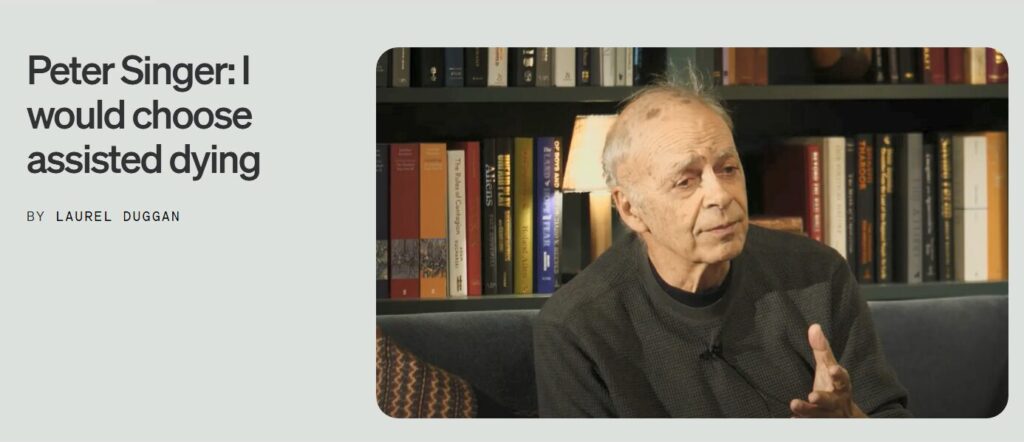
Whatever position one takes, the truth is that, as Peter Singer says, in the future there will be a different ethic that will recognize the fact that it is the very nature of being a person—that is, a being with a certain level of consciousness—and not membership in the species, that will define “the right of autonomous and competent individuals to decide when to live and when to die.” ~
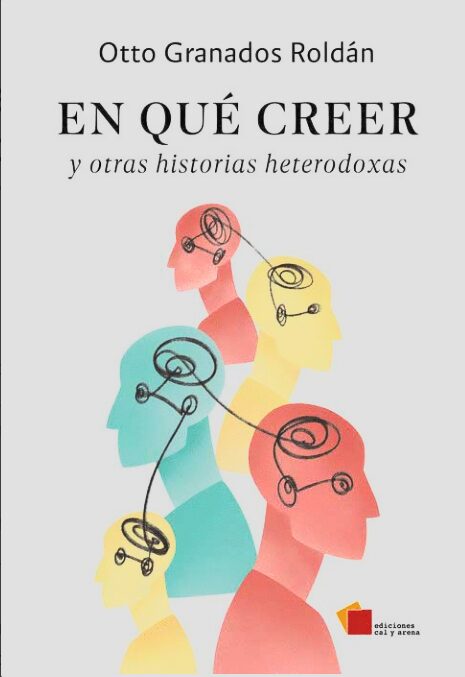
- What to Believe and Other Heterodox Stories, Ediciones Cal y Arena, Mexico, 2024. ↩︎
- Exactly one year earlier, André Gorz published a long letter to his wife that perhaps reflects the psycho-emotional process that later led to the final decision: Lettre à D. Histoire d’un amour, Éditions Galilée, Paris, 2006. ↩︎
- See https://di.aerzteblatt.de/int/archive/article/209391. Accessed July 24, 2026. ↩︎
- Jürgen Habermas and Joseph Ratzinger, Between Reason and Religion: The Dialectic of Secularization, FCE, Mexico, 2008, pp. 36–37. ↩︎
- See, for example: https://www.millennium-project.org/ ↩︎
Further Reading: