
Ricardo Pascoe Pierce
A survey commissioned by the U.S. government and administered to 1,000 Mexicans had a clear purpose. The client wanted to determine the extent to which the Mexican population would accept U.S. intervention in Mexico, with or without the federal government’s consent.
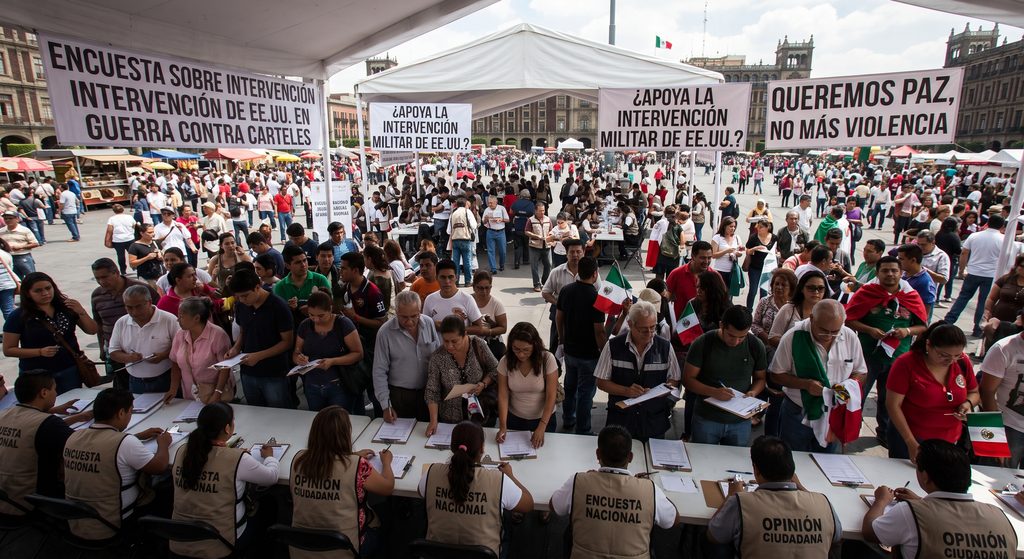
The survey, conducted by a Mexican company, reportedly asked about several issues and sought responses for or against each one.
1. More U.S. criminal charges filed against Mexican officials linked to drug cartels;
2. U.S. attacks in the Caribbean and the Pacific against drug traffickers;
3. U.S. attacks on drug labs or the arrest of cartel members in Mexico without notifying the Mexican government;
4. Operations in which U.S. military personnel eliminate cartel members in Mexico.
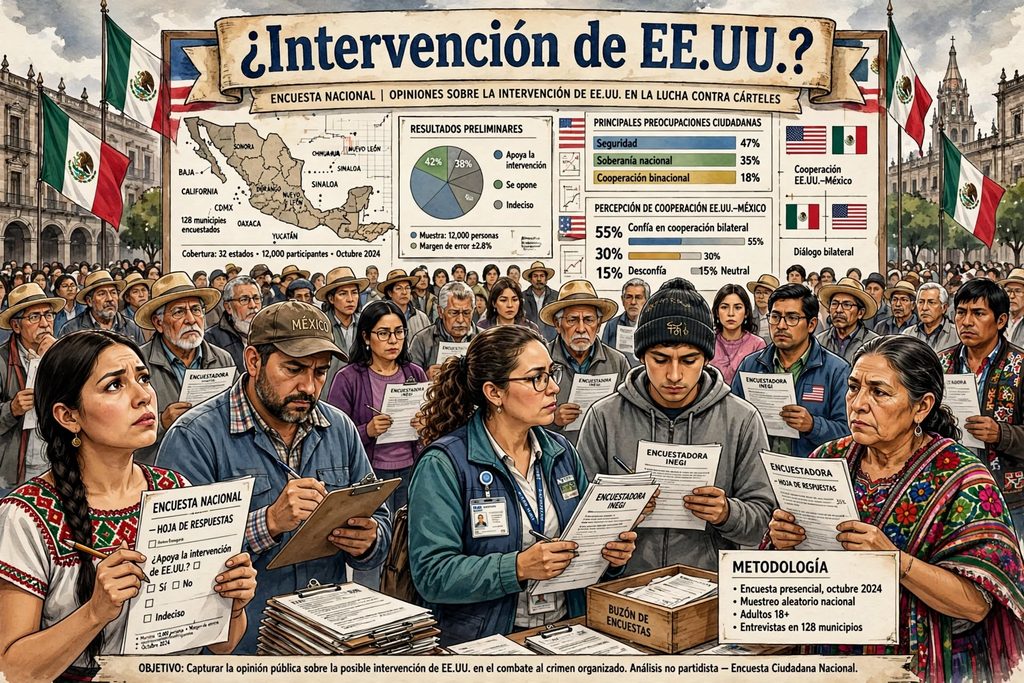
According to the lead official document from the U.S. Department of State, the results indicated that a majority of Mexicans would favor U.S. intervention in Mexico, even without notifying Mexican federal authorities.
The survey reflects an interest in addressing the obvious doubts that U.S. officials have regarding Mexico. Will Mexicans accept a more forceful and direct intervention by U.S. forces in Mexico? The poll reflects intent, but also doubt.
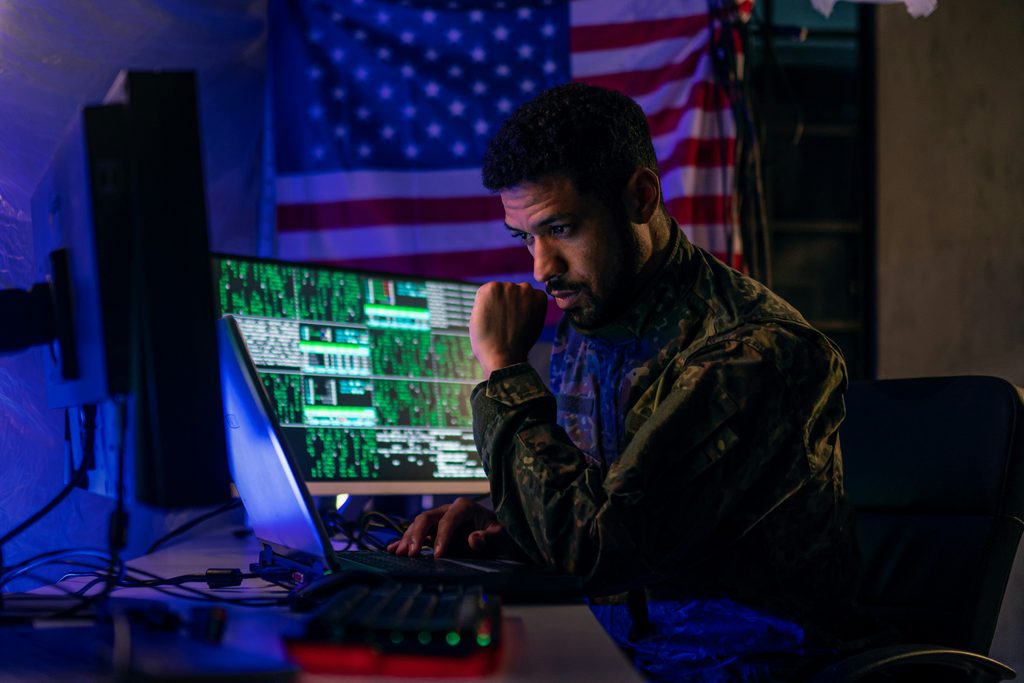
In recent years, polls have been published with results diametrically opposed to this one. For example, the De Las Heras Demotecnia poll reported that 76% hold a negative opinion regarding a possible U.S. military attack in Mexico. El Financiero notes that its poll found 62% oppose the use of U.S. military forces to combat the cartels.

However, in contrast to previous polls, a majority of Mexicans are in favor of extraditing the former governor of Sinaloa, Rubén Rocha Moya, to face justice in the United States. Polling firm Enkoll reported that 60% of respondents favor extraditing him. Reforma reports 57% in favor, and Massive Caller found a resounding 77% in favor of his extradition.
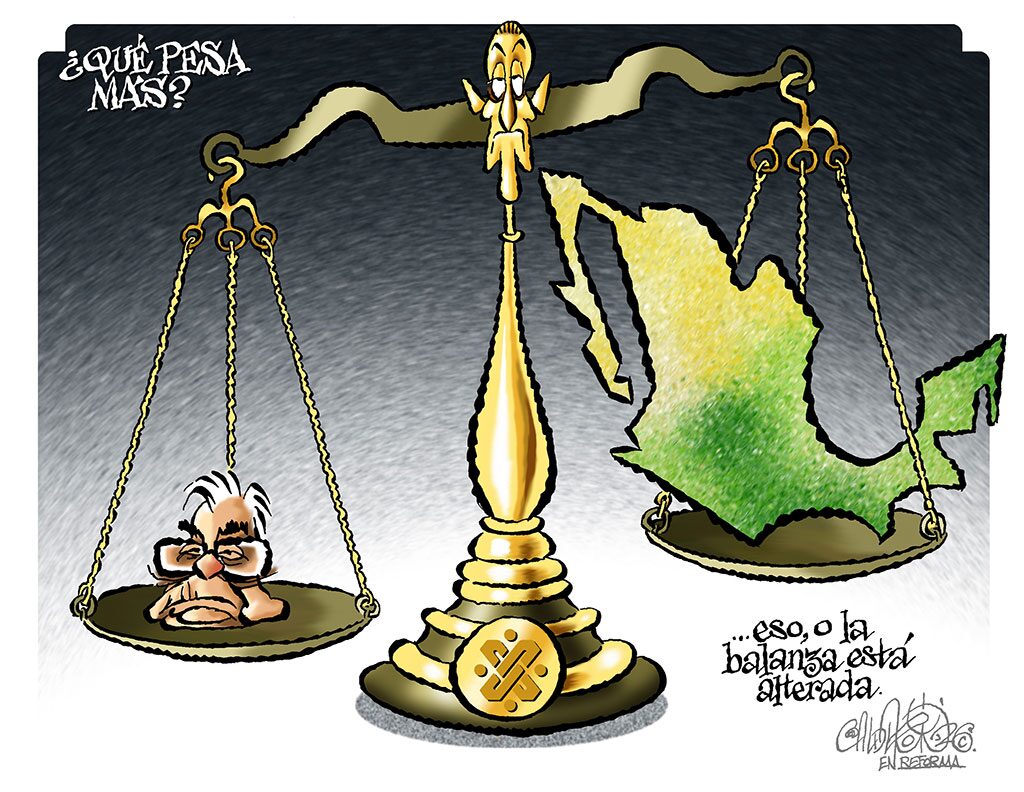
What’s interesting is that, at the same time, the polls also show that Mexicans do not trust our own justice system. Fifty-five percent of those surveyed by Reforma do not trust Mexico to investigate the case properly, and 50% trust the U.S. judicial system more. Enkoll found that 62% of its respondents consider the allegations against Rocha to be credible, and Reforma found that 62% believe Rocha is not innocent.
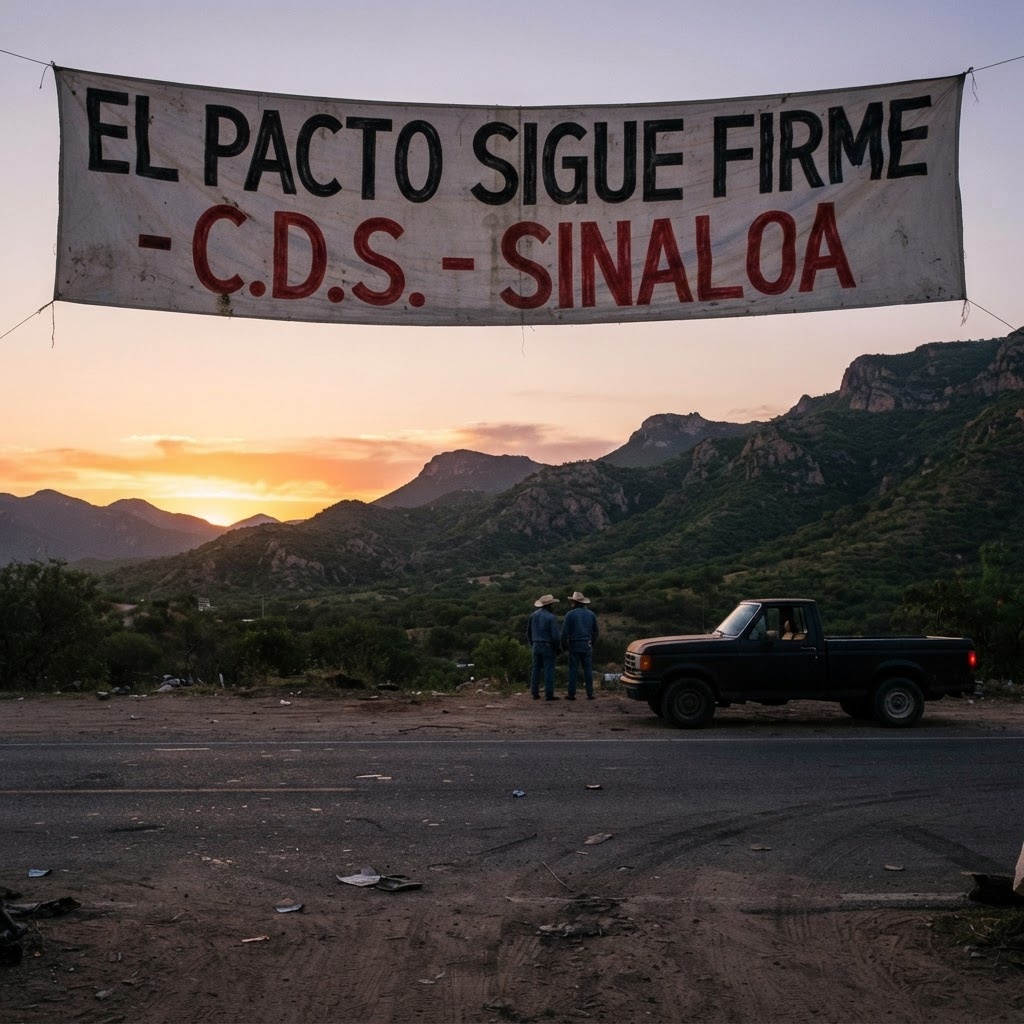
It is worth noting that both the De Las Heras Demotecnia poll and the El Financiero poll—in which U.S. intervention in Mexico is categorically rejected—were conducted before the Rocha Moya affair. It is not yet known whether this new development would have influenced a different attitude toward potential U.S. intervention on Mexican soil. It is strikingly evident that Mexicans apparently trust the U.S. justice system more than their own.

Public opinion does not seem to align with the official line regarding the handling of high-profile cases in the justice system, such as that of Ernesto Ruffo—who is already viewed as a political prisoner—or that of the Farias Laguna brothers, who, although they may be guilty of something, are perceived as having been manipulated and used by the justice system as a smokescreen for other figures, such as the former Secretary of the Navy, Rafael Ojeda Durán, himself. “Those at the top” always escape the reach of justice, AMLO dixit.

All this confusion of opinions adds to the cause of those who, seeing that Sheinbaum is trapped in her role as a cover-up artist for drug-trafficking politicians belonging to Morena, might favor U.S. intervention in Mexico.
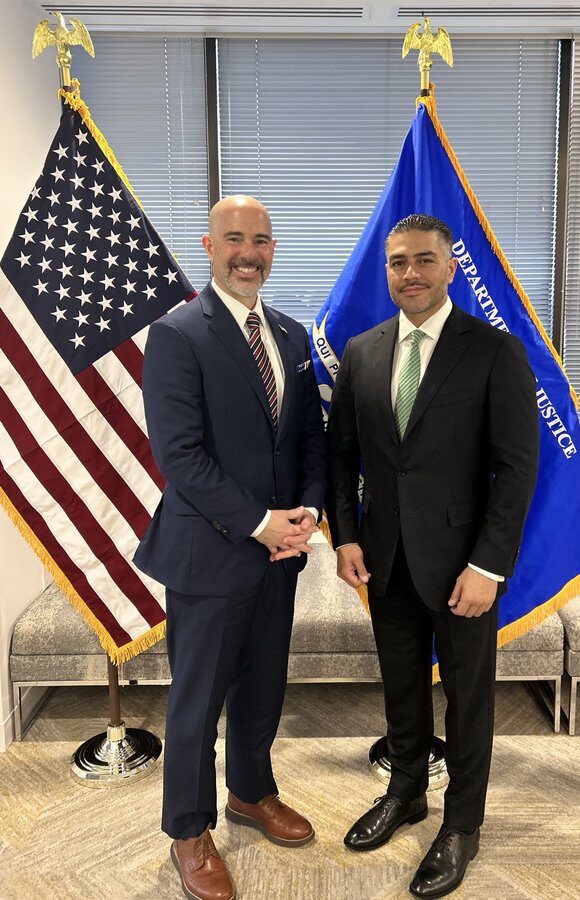
In times of confusion and uncertainty, those who know what they want have a good chance of getting it.

@rpascoep
Further Reading: