
Antonio Navalón
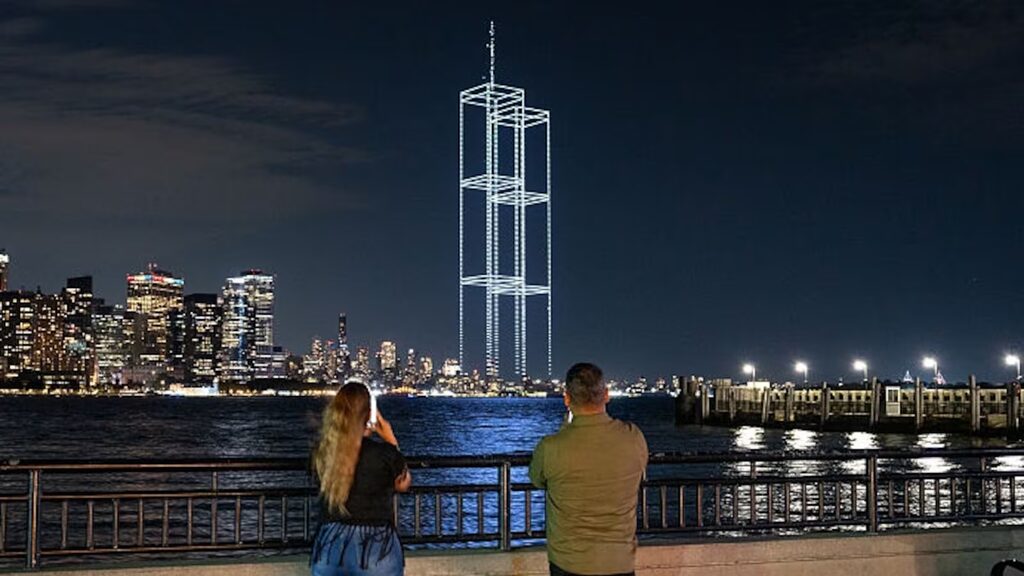
Some dates don’t end when the day does. They become boundaries, turning points between the end of one world and the beginning of another. September 11, 2001, was one of them. Like Sarajevo in 1914 or Pearl Harbor in 1941, the attack on the Twin Towers did not merely result in deaths, destruction, and a military response. It changed how a superpower understood its security, justified its wars, and viewed the rest of the world.
Twenty-five years later, the question is no longer just what the United States did in response to 9/11, but what kind of world it built while trying to prevent it from happening again.
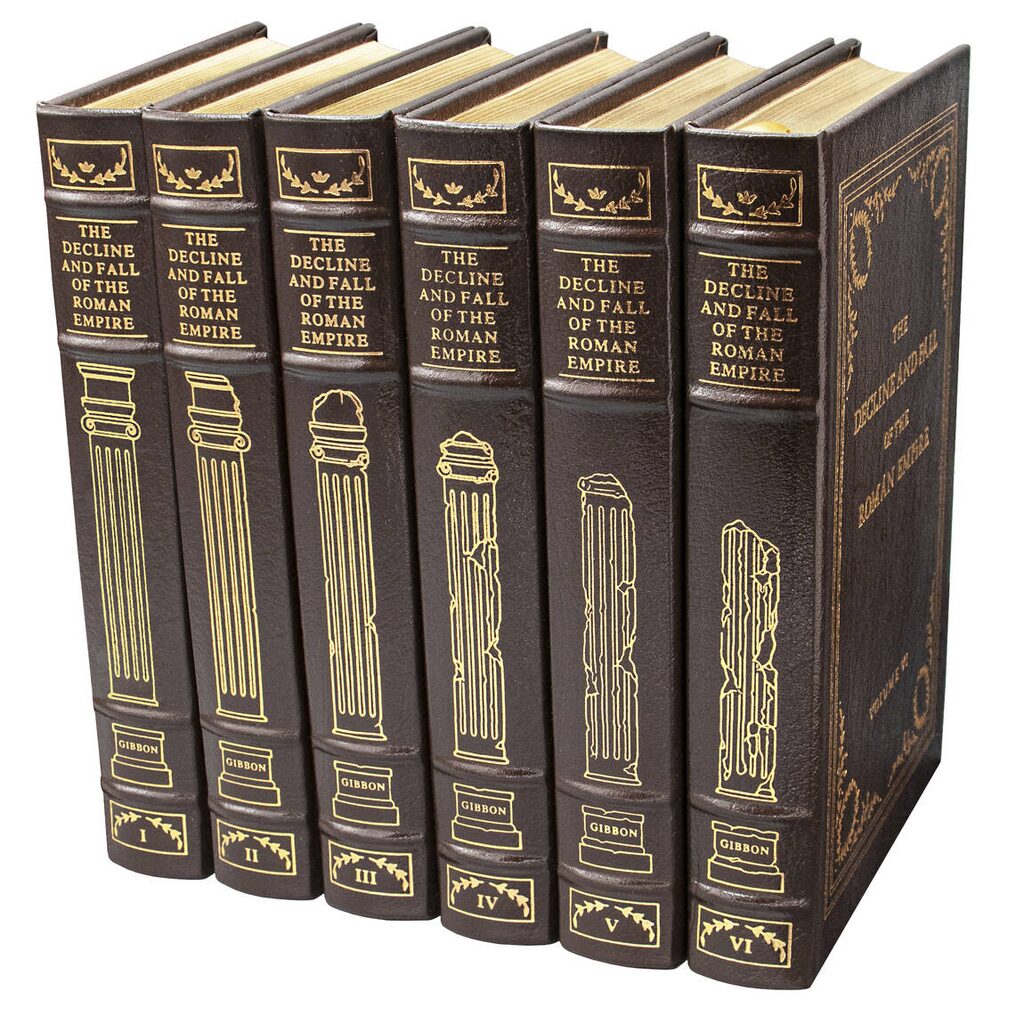
Edward Gibbon took 15 to 17 years to chronicle the decline and fall of the Roman Empire. The most important lesson was not to calculate how many centuries it took for Rome to cease being Rome, but to understand that empires rarely disappear overnight. First, they lose their certainties. Then they lose their capabilities. Finally, they discover that the world has learned to live without obeying them as it once did.
Chronicling the 25 years since September 11, 2001, is difficult. For my generation, moreover, it is painful.

Osama bin Laden was right about one thing, not in a moral sense, of course, but in a strategic intuition. He knew that al-Qaeda could never defeat the United States in a conventional war. It lacked armies, aircraft carriers, technology, and resources. What it could do was show that the United States was vulnerable, force it to react, stretch its forces thin, and make it pay a price far greater than the attack itself.
The 9/11 Commission estimated that planning and carrying out the attacks cost al-Qaeda between $400,000 and $500,000. That is precisely the terrible logic of this type of war: it was not necessary to destroy the giant; it was enough to get the giant—convinced that it must prove it remains invulnerable—to begin wearing itself down.

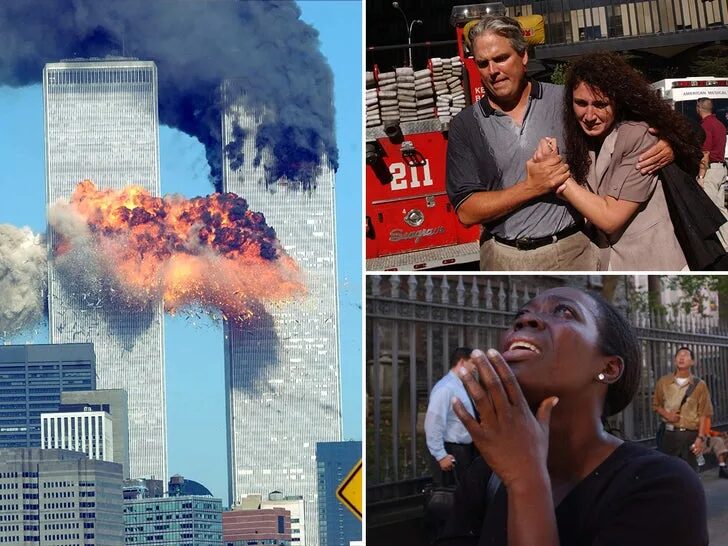
For those of us who watched the attack live, the most heart-wrenching thing, first and foremost, was naturally the human tragedy. 2,977 people died, including those on board the four hijacked planes. But alongside the loss of life, something else happened that is difficult to quantify: In a matter of hours, the United States went from feeling protected by God, by two oceans, and by the most powerful military force on the planet, to discovering that it, too, could be struck.
Perhaps that was what changed the most that day.
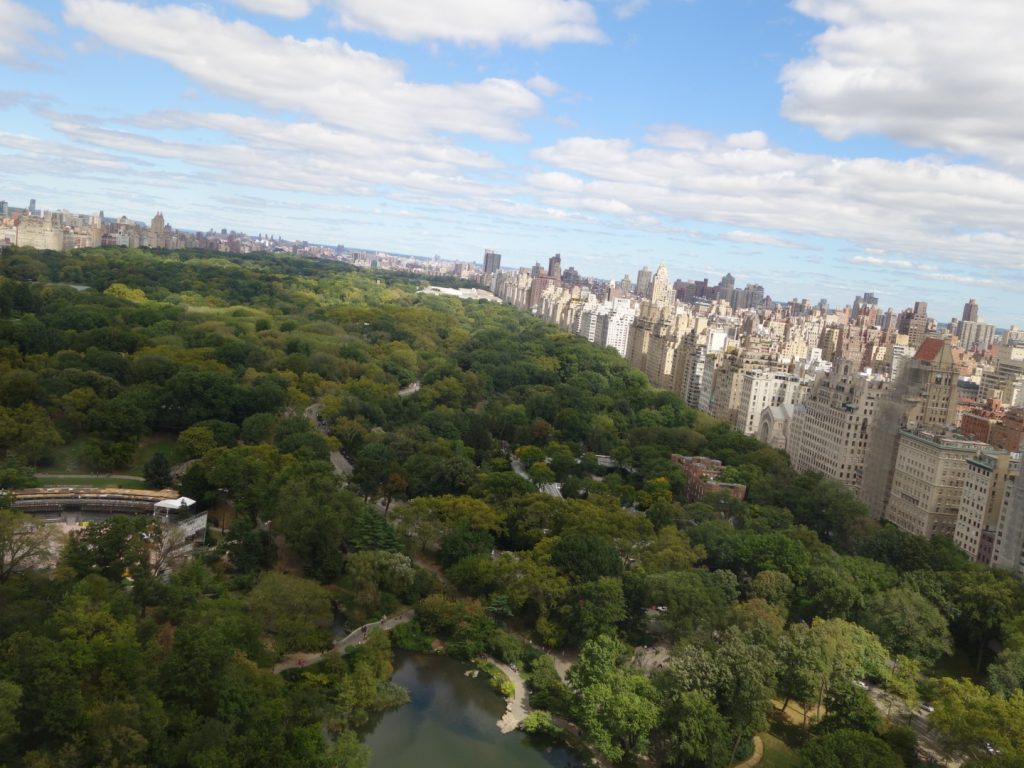
That morning was clear, sunny, almost perfect. George W. Bush had been in the White House for less than eight months. The world was unsafe, as it always has been, but those who worked in the Twin Towers or walked the streets of New York—probably the city that best represented American economic triumph after the Cold War—lived within a system that seemed secure. That day proved it was not.
I have always known, from personal experience, that the United States usually knows almost everything. I have also seen that knowing everything does not necessarily mean knowing it well. When one reviews today the official documents from the months and years leading up to 9/11, the inevitable question is: how could this have happened? But it did happen.

It wasn’t because there were no warning signs. On August 7, 1998, al-Qaeda simultaneously attacked the U.S. embassies in Nairobi and Dar es Salaam. On October 12, 2000, al-Qaeda carried out another attack against the destroyer USS Cole in Yemen.
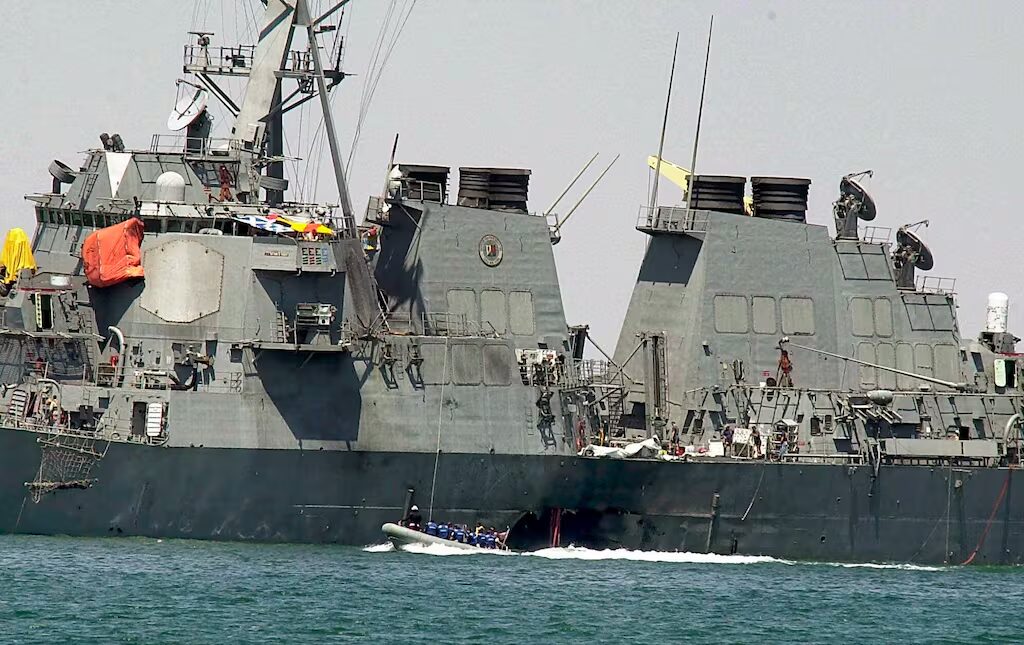
In 2001, the warning signs intensified. The 9/11 Commission itself would later title one of the central chapters of its report with a quote from then-CIA Director George Tenet: the system was “flashing red.” Throughout the spring and summer, U.S. agencies received repeated reports about a major Al-Qaeda operation.

On August 6, 2001, days before the attack, the daily briefing given to President Bush bore a headline that is chilling today: “Bin Laden Determined to Strike in the United States.”
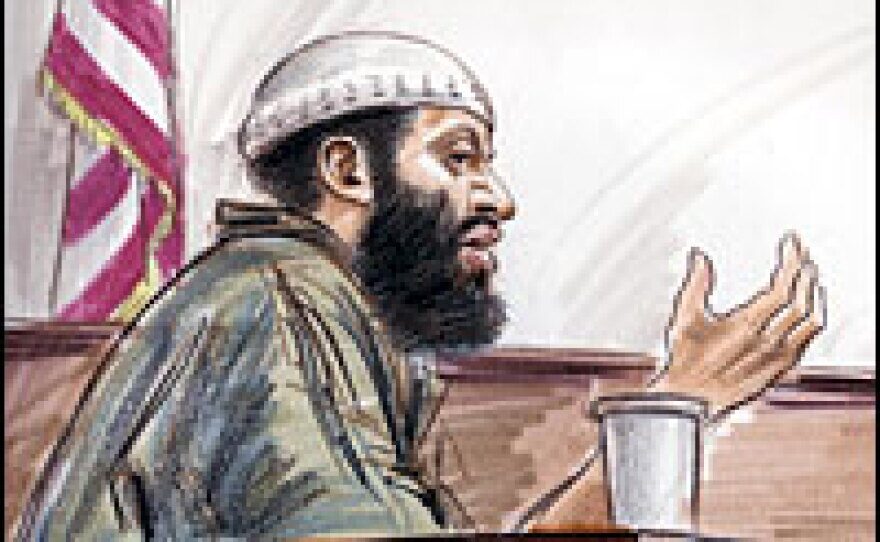
There was more. In July, an FBI agent in Phoenix had warned of the presence of individuals linked to Islamist extremism at U.S. flight schools and had proposed expanding the investigation into that matter. In August, another piece of the puzzle emerged: Zacarias Moussaoui arrived at a flight school in Minnesota seeking training on Boeing 747 simulators despite having very little flying experience. His behavior raised his instructors’ suspicions. The FBI opened an investigation, and Moussaoui was arrested on August 16, nearly a month before 9/11.
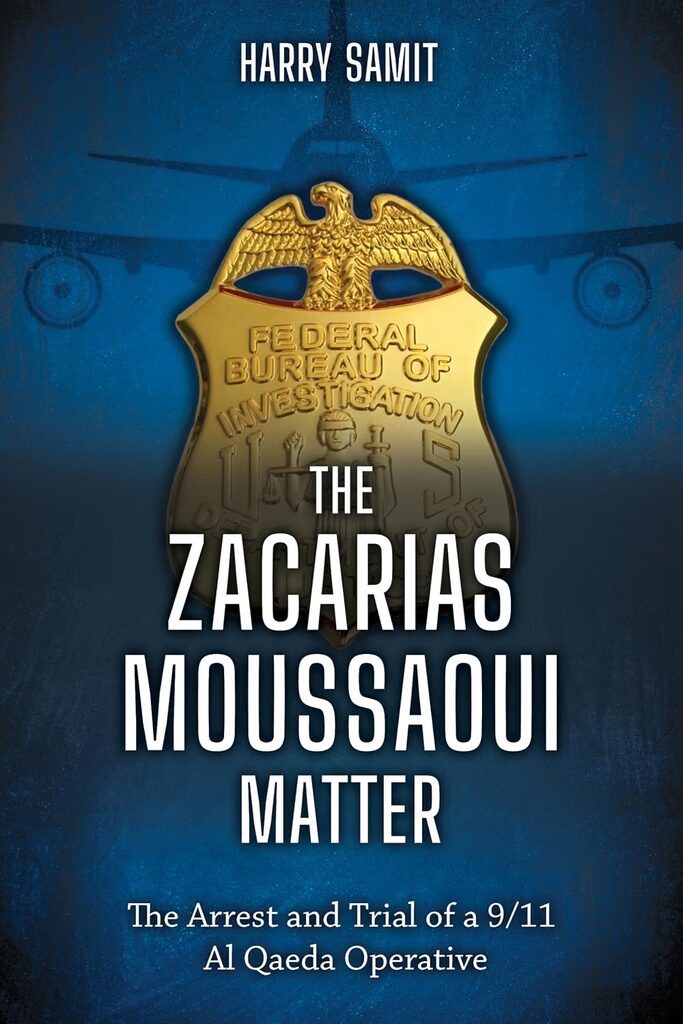
For years, it was repeatedly claimed that Moussaoui did not want to learn how to take off or land. That is not true. The 9/11 Commission itself corrected that account. What was suspicious was precisely that someone with only basic knowledge wanted to fast-track his training to fly a large commercial aircraft.
Therefore, the problem wasn’t simply that the United States didn’t know. Reports, warnings, names, flight schools, backgrounds, and signs of a large-scale operation existed. The problem was that no institution managed to put all the pieces of the puzzle together in time.
As you can see, they knew almost everything. They just didn’t understand it correctly.
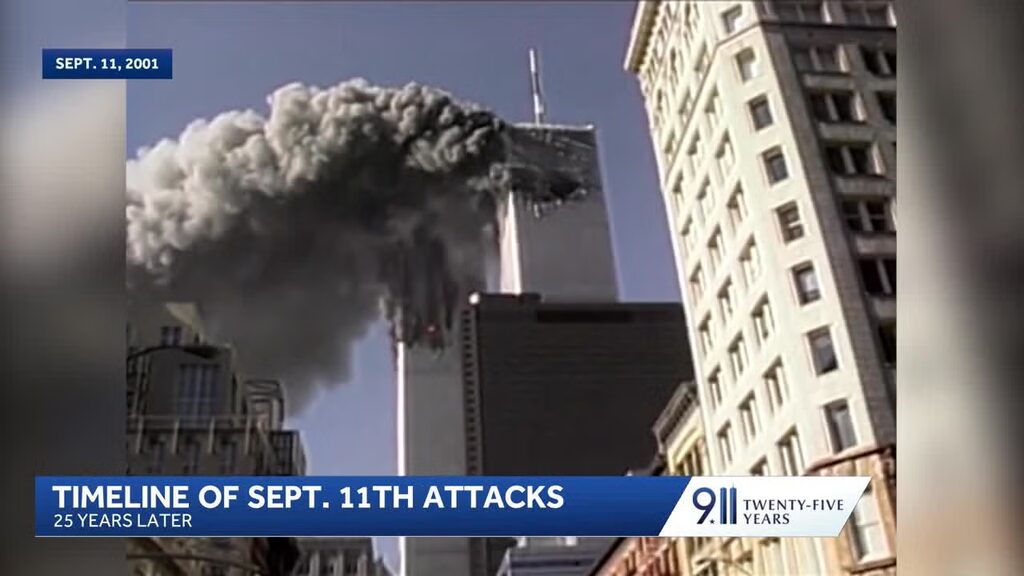
At 8:46 that morning, American Airlines Flight 11 crashed into the North Tower. That day, America became vulnerable. God looked the other way. And much of humanity watched live as two planes flew into the Twin Towers, as the buildings burned, and as they subsequently collapsed.
It was one of the great tragedies of the early 21st century, immediately transformed into a global experience. The horror didn’t come after the events. It arrived at the same time as the events. It was, in a way, a vaccine against horror.
From then on, it would take more to horrify us.
What we still did not understand as we watched the screens was that, in addition to the 2,977 lives lost and the physical destruction, another earthquake was beginning—an institutional, political, and legal one.
At that time, the United States had existed for exactly 225 years since the Declaration of Independence in 1776. It had built one of the world’s oldest and most stable constitutional and democratic traditions. However, faced with a sense of vulnerability, it began almost immediately to alter the balance between security and freedom that had defined much of its identity.
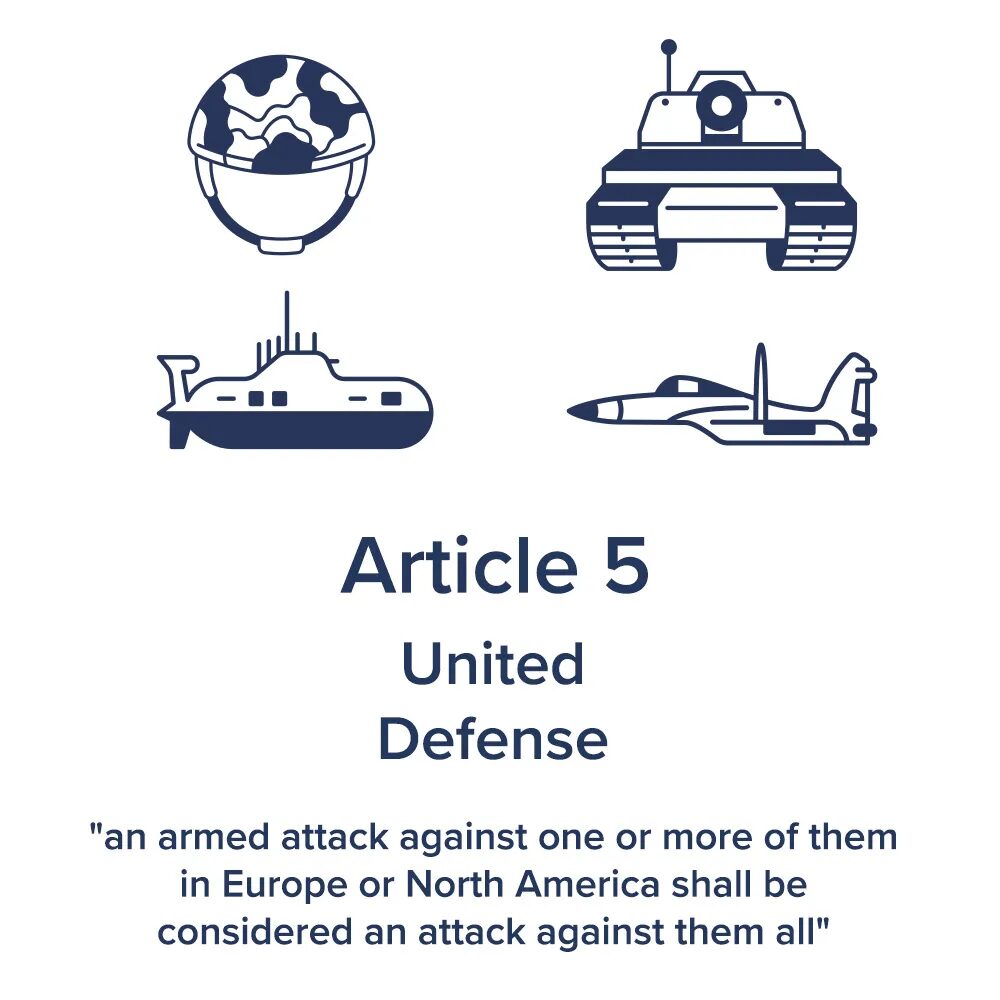
On September 12, NATO invoked Article 5 on collective defense for the first time. Twenty-five years later, it remains the only time it has done so.
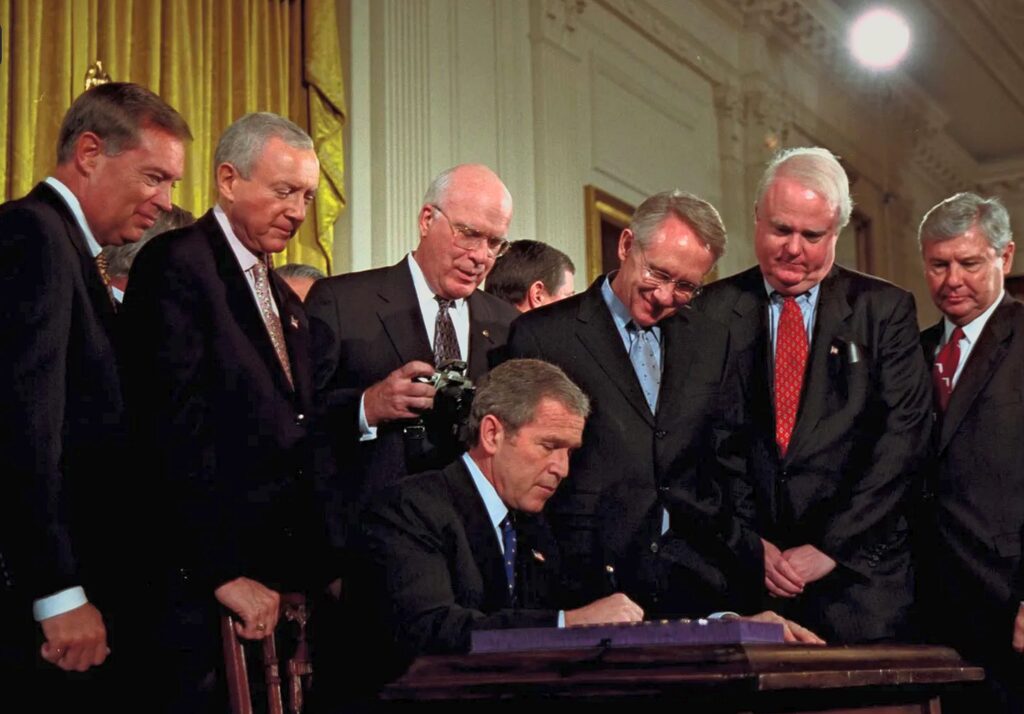
A week later, Bush signed the Authorization for Use of Military Force (AUMF), which authorized the use of military force against those responsible for 9/11, their collaborators, and anyone who had harbored them. What is extraordinary is that this authorization remains in effect.
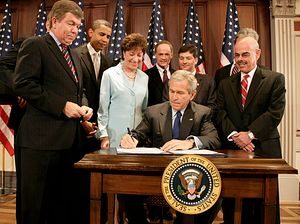
The United States did not formally declare war. It created something different: a legal framework that allowed it to wage wars and conduct counterterrorism operations for decades without resorting to a traditional declaration of war.
Then came the Patriot Act, new surveillance and detention powers, military commissions, and, in January 2002, the first detainees at Guantánamo.
In just four months, the American legal landscape had changed.

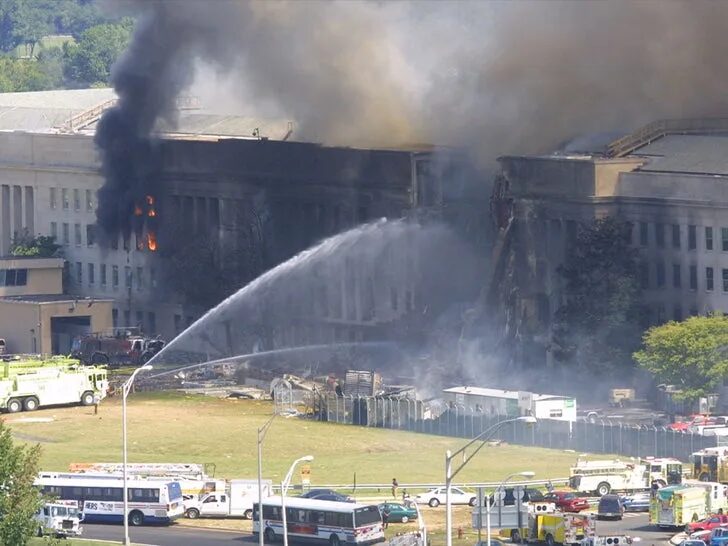
Those of us who lived through those days remember that acrid smell. It’s impossible to forget. After the attacks, much of lower Manhattan was paralyzed, and reaching what we began to call Ground Zero was practically impossible.
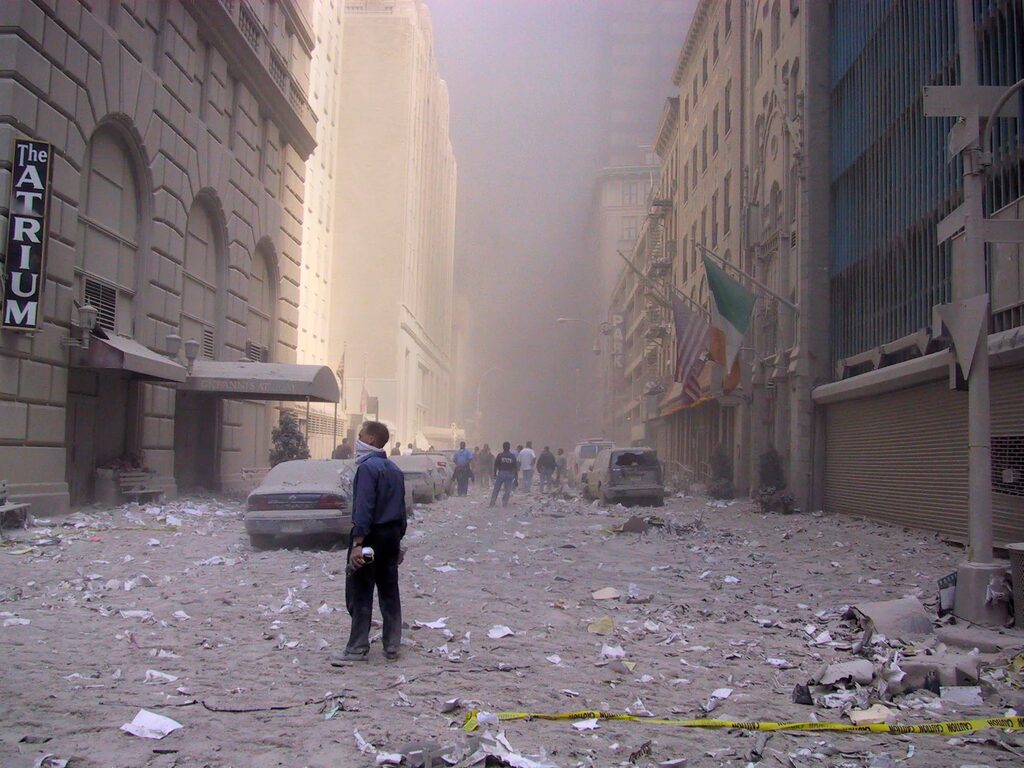
Over time, the city reopened. What never fully ended, however, was the state of exception born that day. Because the most profound consequence of 9/11 was not just Afghanistan or, later, Iraq. It was the transformation of the relationship between the citizen, the state, security, and civil liberties.
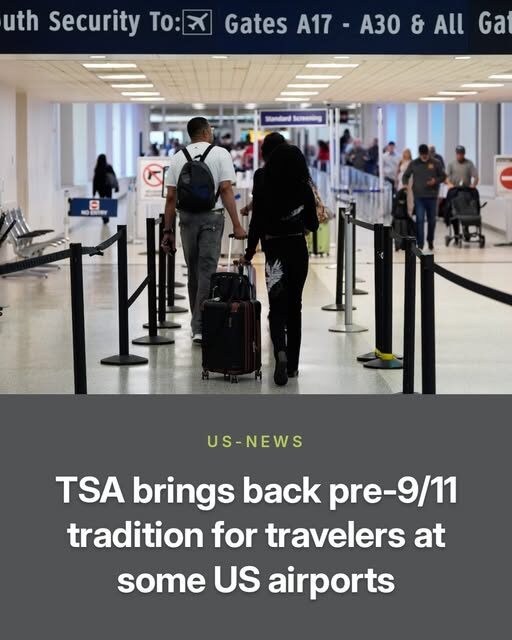
The 20th century required two world wars, the Holocaust, and tens of millions of deaths to build an international framework of rights and limits on power.
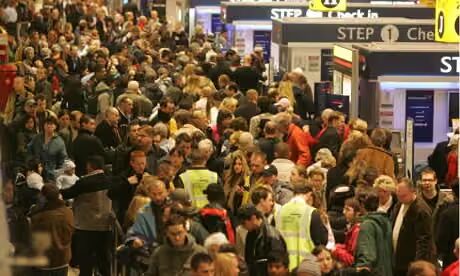
After 9/11, it took only weeks to resume the debate over how far the state could go in surveillance, how long it could detain people, what rights the enemy retained, and what was permissible in the name of national security. That is one of terrorism’s most dangerous victories: not only destroying what stands in its way, but also causing the targeted society to begin altering the very things it sought to defend.
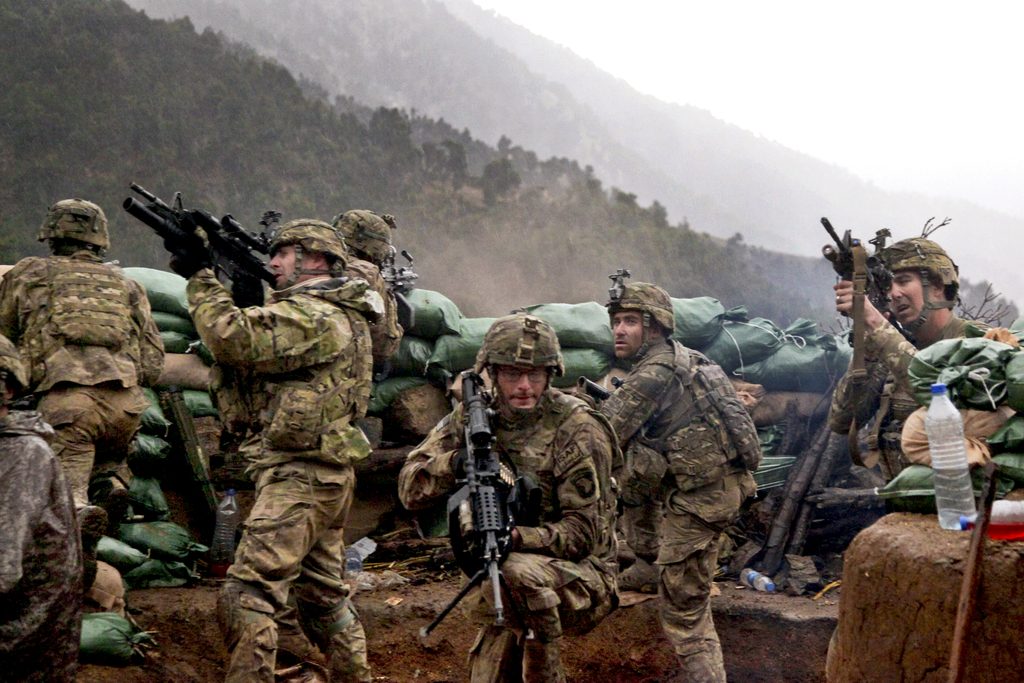
In the wake of the tragedy, war followed. The conflict in Afghanistan began in October 2001 and ended for the United States in August 2021—a span of nearly twenty years. It was the longest war in U.S. history. More than 2,000 U.S. military personnel died, and more than 20,000 were wounded.
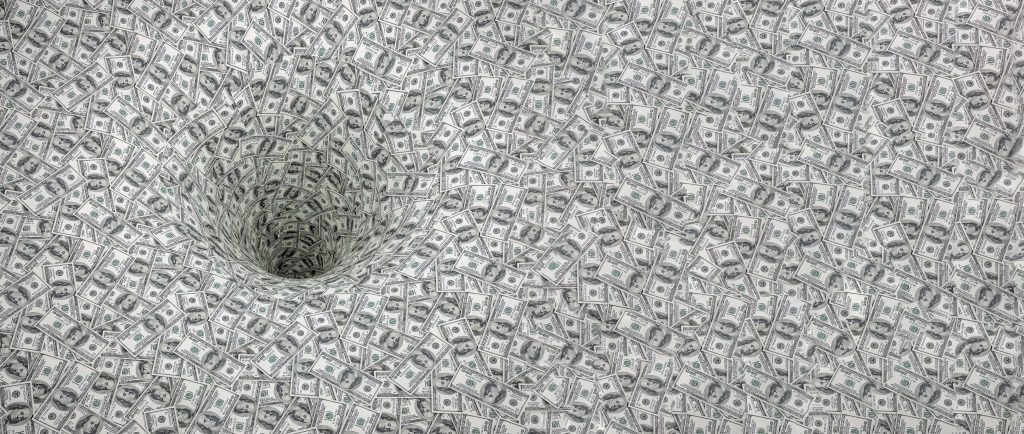
The Pentagon estimates that Afghanistan cost around $895 billion. Iraq and Syria added another $805 billion. Across these three theaters, the official military bill stands at around $1.7 trillion—not counting a significant portion of the future costs related to veterans, intelligence, reconstruction, and other consequences following twenty-five years of war.
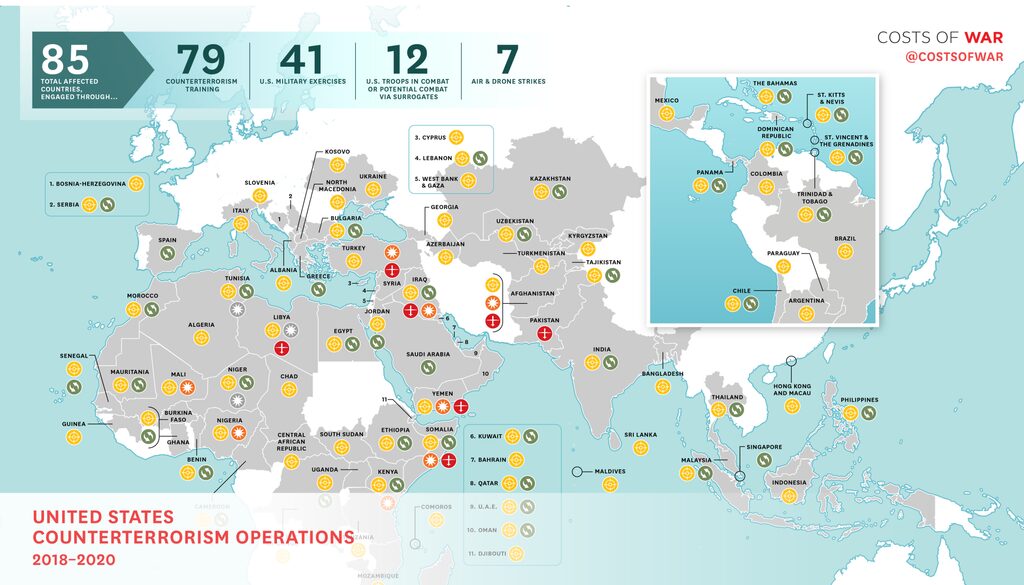
Then came Libya. Then ISIS. Since 2014, the United States has been conducting operations against the Islamic State in Iraq and Syria. And here lies one of the great paradoxes of these 25 years: even in 2026, some of those operations could still be legally justified under the same authorization approved a week after 9/11.
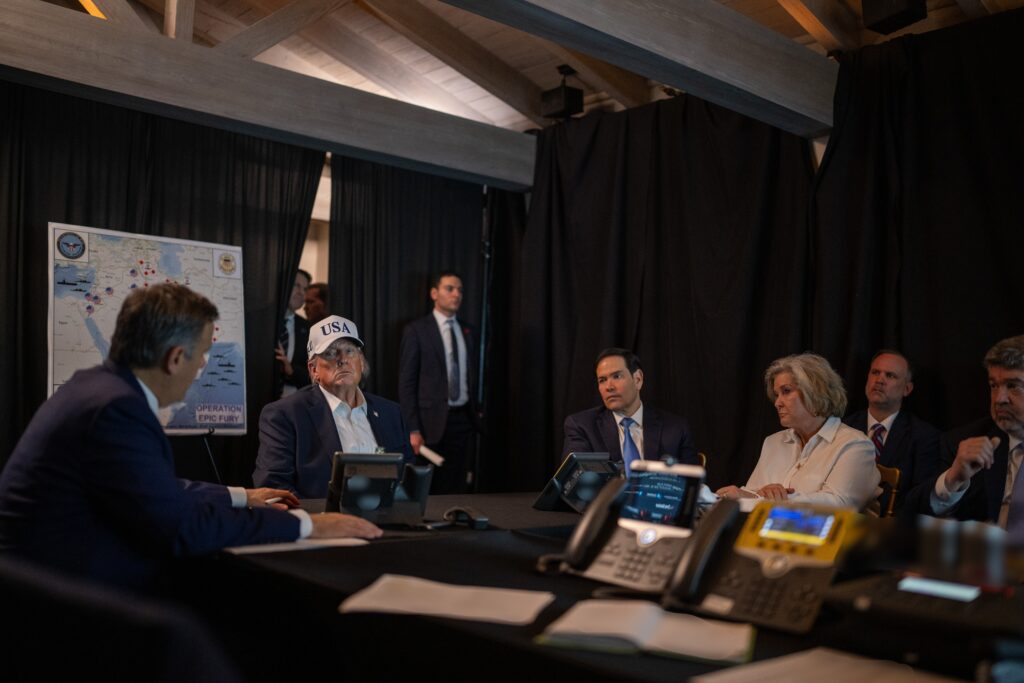
And just when it seemed that cycle was finally coming to a close, the United States once again launched a major military campaign in the Middle East. On February 28, 2026, Operation Epic Fury against Iran began—a conflict that, according to Pentagon figures, has resulted in more than 400 American casualties.
During these years, the United States has not been militarily defeated. No army took Washington, and no foreign flag replaced the American one. But that has never been the real question. The question is how much a superpower can change while trying to prove that no one can change it.
Since that day in September, the United States has fought numerous conflicts that have cost it trillions of dollars—and all to prove what? That it is no longer the superpower it was after World War II?
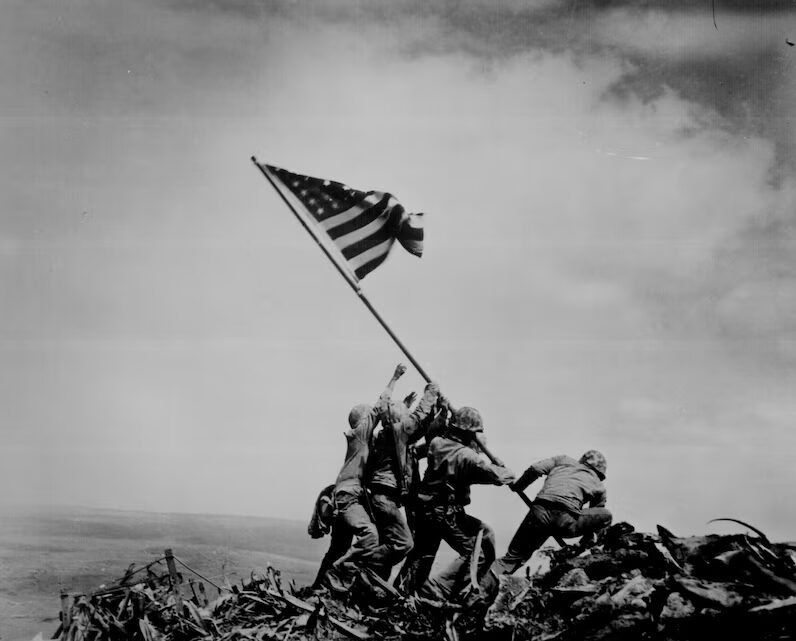
Gibbon understood that the decline of empires is measured not only by the battles they lose, but also by everything they must change to keep winning.

Further Reading: