
Antonio Navalón
All the Roman emperors—though perhaps none possessed the political acumen of Augustus—came to understand at some point during their reign the value of “bread and circuses.” Augustus, Rome’s first emperor, ruled from 27 B.C. to 14 A.D. He was the political heir to Julius Caesar, though not his direct successor as emperor, since the Empire would formally come into being under him following the assassination of his adoptive father and political mentor. From that point on, the history of power was marked by an uncomfortable reality: people are not governed solely by laws, armies, or institutions. Food, entertainment, promises, and satisfaction also govern them.
Condemning an emperor for entertaining his people is pointless. In the exercise of power, keeping the people content is fundamental. That is why we cannot criticize politicians. After all, they are liars because they lack principles. After all, they have destroyed the separation of powers, or because, at this moment, the only thing that matters to them is the pure and simple exercise of power. All of that has always existed. What is truly serious is that, to continue masquerading as democrats, the census is all we have left.

In Spain, as a prelude to a campaign based on mistrust and the moral bankruptcy in the exercise of power in a democracy, a phenomenon is emerging today that is not unique to that country but clearly marks a trend in current politics. The census, the vote, immigration, social promises, economic necessity, and staying in power are beginning to form part of the same equation.
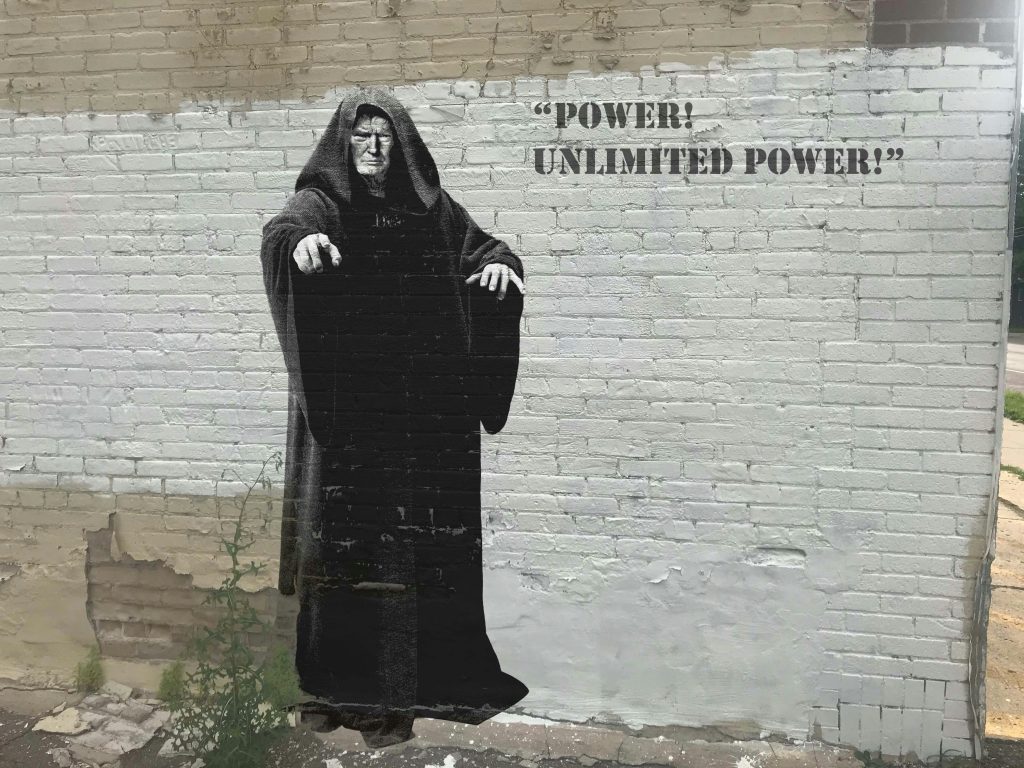
Contrary to what Trump thinks and what many sectors in the United States would like—a country built, at the end of the day, on the “melting pot” and on immigration throughout its history—developed countries today need the collaboration, arrival, and rationalization of immigrants. How that arrival is managed is another matter. Another issue is the rules under which it takes place. Another issue is the rights, obligations, timelines, and political consequences involved in integrating new arrivals.
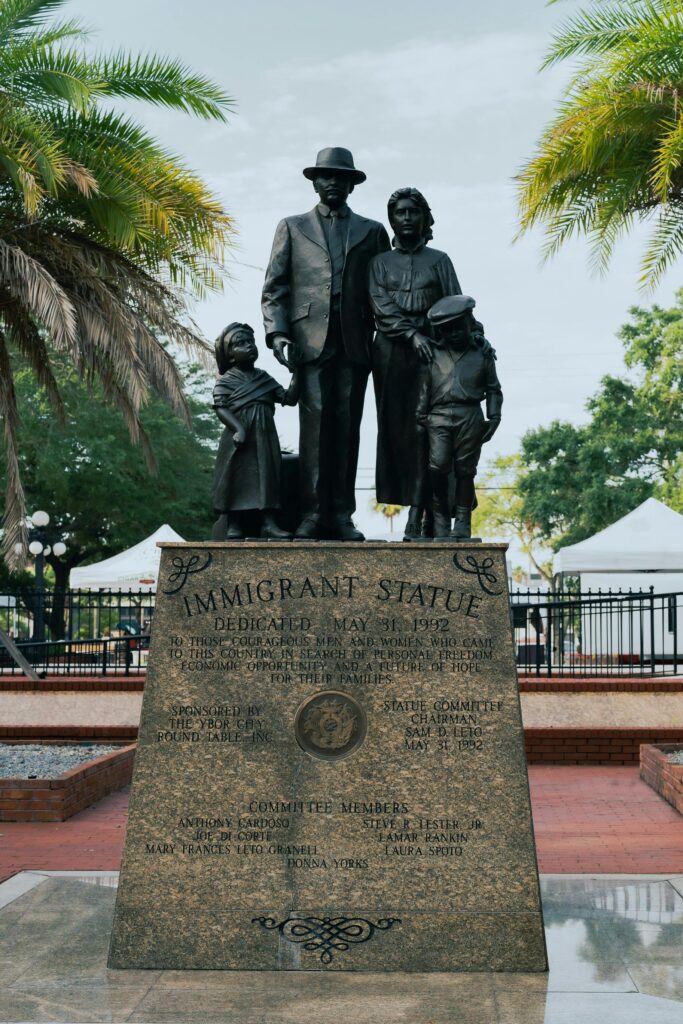
Yet another issue is that immigrants go to work in jobs that U.S. citizens no longer want to do.
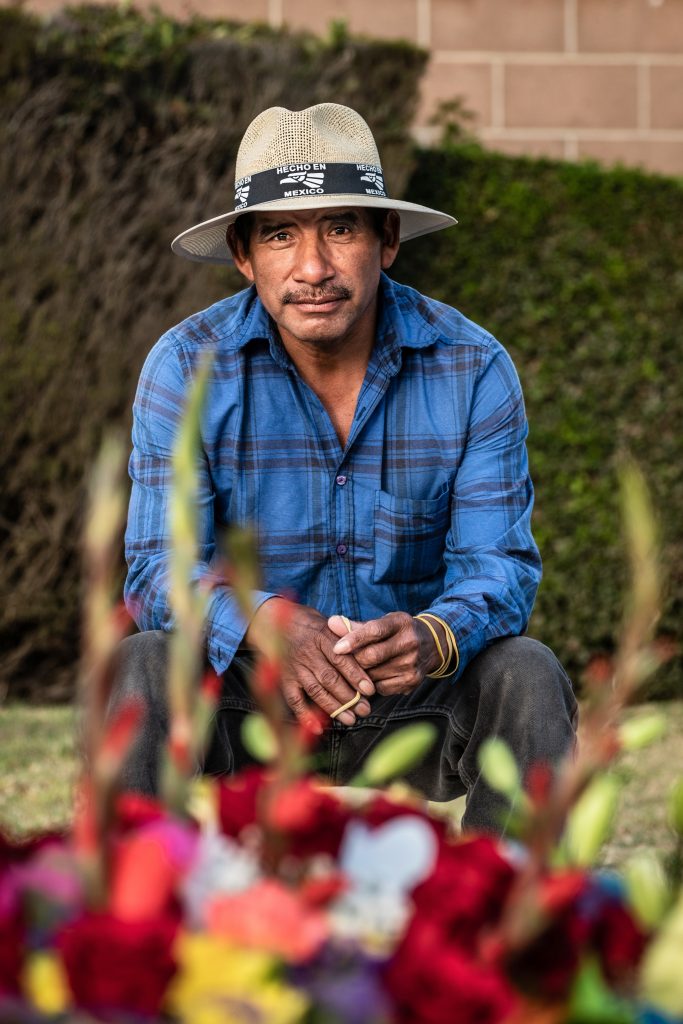
Another issue is that the workforce—both in the service sector and in what little industry remains outside the axis formed by the United States, China, and the world’s leading technological and economic powers—is increasingly dependent on this labor force. To live comfortably in developed societies, it is often necessary for someone to do the work that others do not want to do.
If we no longer share a common origin; if the technological revolution has severed at the root our collective spirit of belonging—except for the earliest memories that each of us privately retains in the subconscious; if the only things that truly unite us are criticism, love, or hate in this era of political turbulence—why should we assume that the use of censuses would be based on something that no longer exists?

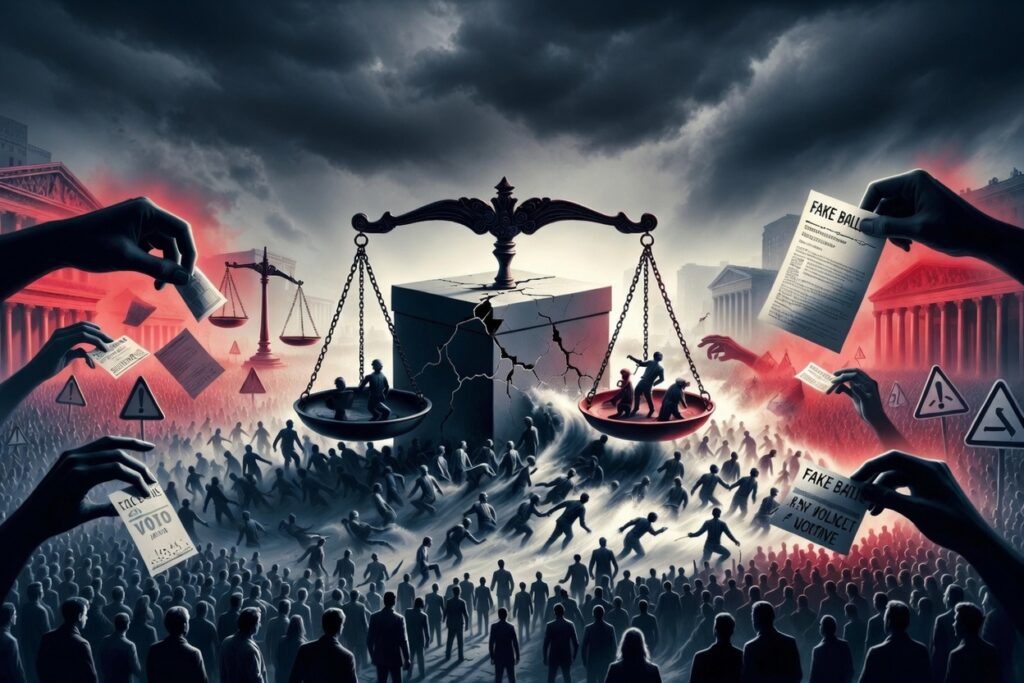
An electoral census is the foundation upon which the people’s election rests. Whether the people today have anything worth choosing is another matter. Deception, disappointment, and the promise of programs we all know will never be fulfilled have always been part of political reality.
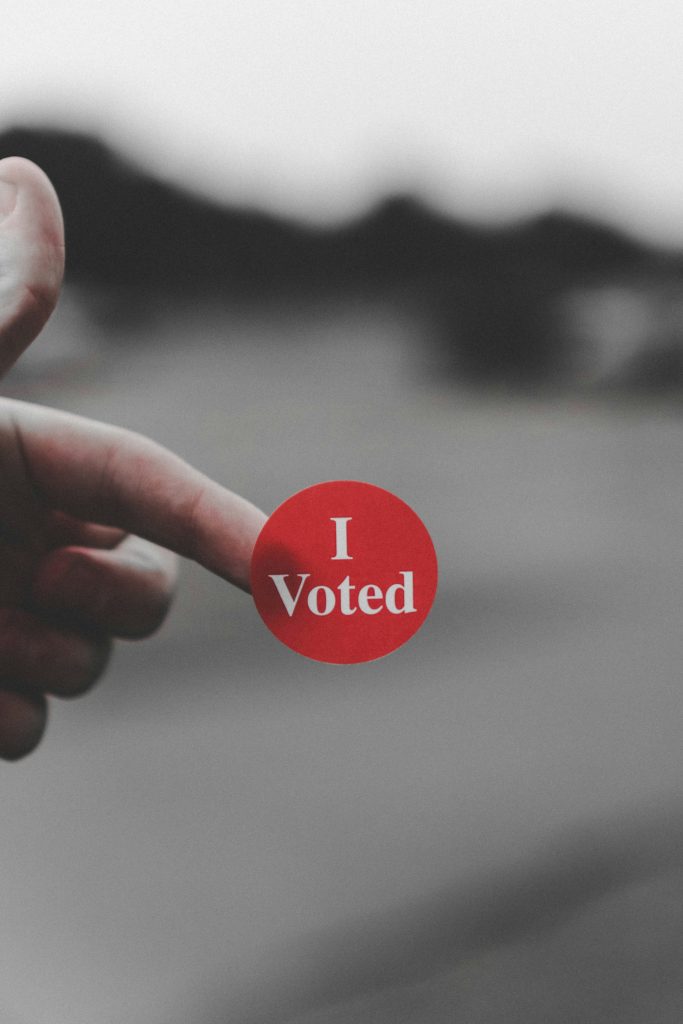
The only truly substantial change is that today, in the era of X, in the era of social media—with the erosion of the press’s role as a watchdog and the crisis facing major media conglomerates—there is very little left to defend the separation of powers and the moral fabric of democracies. Except for voter registration, which is the threshold for voting. Whether or not you’re on the list that entitles you to drop a folded piece of paper into a ballot box—not out of inner conviction but as a situational choice, after you’ve been promised all the pearls of the Virgin and the stars in the sky—is today one of the last visible forms of political belonging.
Democracy no longer has clear ideological reference points. It barely retains any standards of lawful behavior and, of course, lies in ruins—ruins built on disappointment and repeated moral violations by those in power and political parties. That is why only the voter registry remains. That is why only “bread and circuses” remain. Is it legitimate to trade votes for passports? I suppose so. In any case, it’s something that—in one way or another, and with less freedom than we have today—has been going on for a long time. The problem is that there used to be so much more to it. There were parties with principles, a press with authority, institutions with integrity, parliaments with clout, judges with impartiality, societies with a collective memory, and citizens with recognizable bonds. Today, unfortunately, all that remains is the census. And the census as a system for seizing power and then claiming that the people elected them.

Democracy is morally destroyed, and its capacity to govern is in doubt because, deep down, it has become a game of gladiators and wild beasts in the center of the arena, where either the gladiators die or the Christians die. The spectacle continues, but it is no longer clear whether the people are the sovereign, the audience, the victims, or simply the indispensable backdrop to keep the performance appearing democratic. Democracy today is defined almost exclusively by the struggle to go to the polls. Moreover, the vote is a way to ensure that you remain part—despite everything—of a community that, even if only minimally, needs you, makes promises to you, uses you, and discards you. It needs you to be counted. It makes promises to convince you. It uses you to legitimize itself. And it discards you when power no longer requires anything more from you.
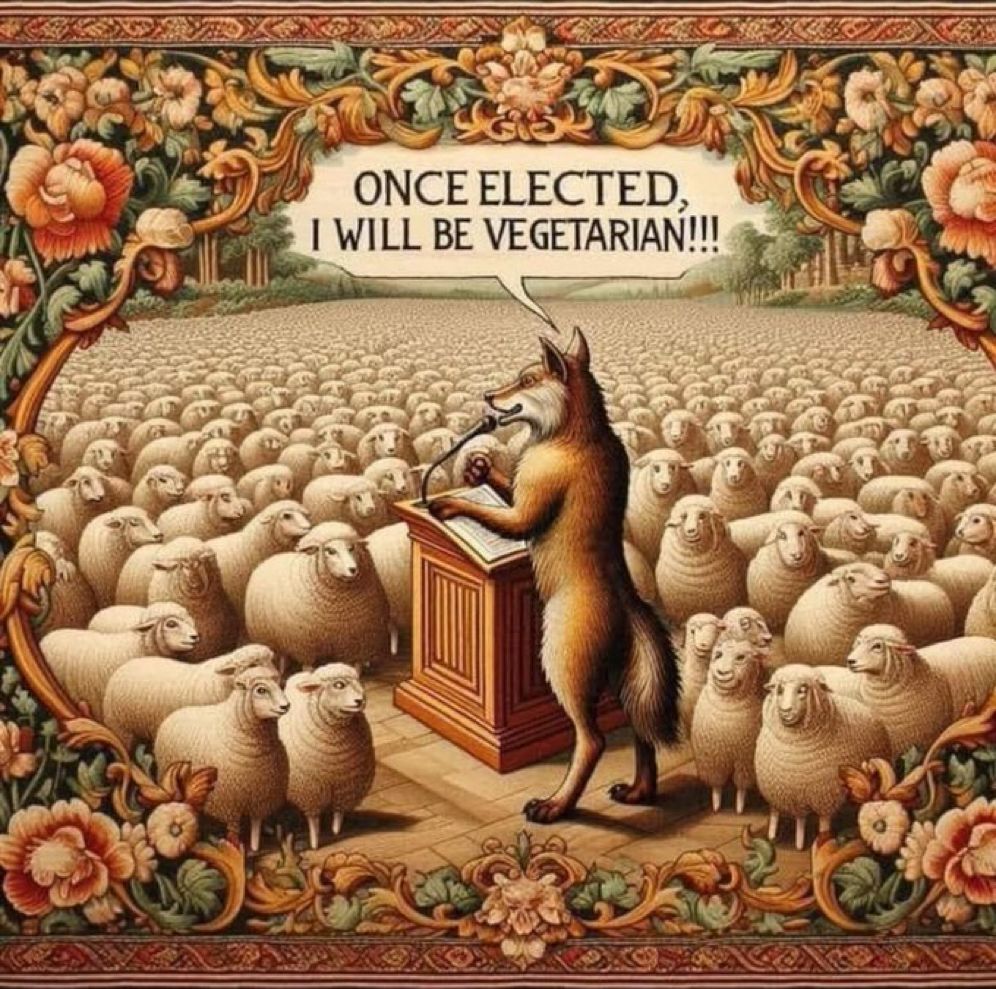
Worst of all is the lamentable spectacle of the political parties, all of them equally guilty of breaking promises and immorality, criticizing one another as if any of them could present themselves to society with a moral superiority they no longer possess. You cannot condemn one emperor simply because he put on a bigger show and handed out more bread than another. You cannot condemn the indiscriminate use of the electoral roll as a means of maintaining power when—deep down—the only thing that distinguishes one from another is who is faster, who promises more, who distributes better, and who manages to deceive more effectively.

At the time, leaders like Andrés Manuel López Obrador and other populist rulers already said so. Helping and prioritizing the poor can also be a political strategy because, according to their own logic, they’re a safe bet. However, that apparent sincerity reveals the root of the problem. Social policy can be about justice, but it can also become the electoral management of dependency. Because as soon as a segment of the population moves into the middle class, rises, or prospers economically, it stops voting the same way. It demands more. They become less dependent, less grateful, more critical, and harder to control. That is the dilemma that many populist movements do not admit to, but practice. It is not just about helping the poor. It is about knowing when aid ceases to be an instrument of social justice and becomes a mechanism for political survival.

What’s the difference between promising a passport and promising a pension that will be handed to you simply for being born and for having made the mistake of believing, at some point, the promises of the demagogue of the moment? That’s the situation. Those in power have learned that identity, need, fear, nationality, economic aid, and the right to vote can all be part of the same electoral architecture. Not always illegal. Not always explicit. But certainly deeply political.

In Spain, the problem is not simply that there may be hundreds of thousands or even more than a million newly regularized residents, some of whom could join the electorate in the future if they meet the legal requirements for citizenship and residency. The problem is not immigration itself. It is worth clarifying that administrative regularization does not automatically make an immigrant eligible to vote in general elections. Generally speaking, Spanish citizenship is required for that. But any large-scale immigration policy has future consequences for the voter rolls, the social balance, political identity, and the electoral map. The problem, therefore, is not the immigrant. It is not the worker who arrives. It is not the person seeking a better life. The problem is that those in power may view this process not only as an economic, humanitarian, or demographic necessity, but also as a future source of legitimacy. And when that happens, the voter registry ceases to be a neutral record and becomes a battlefield.
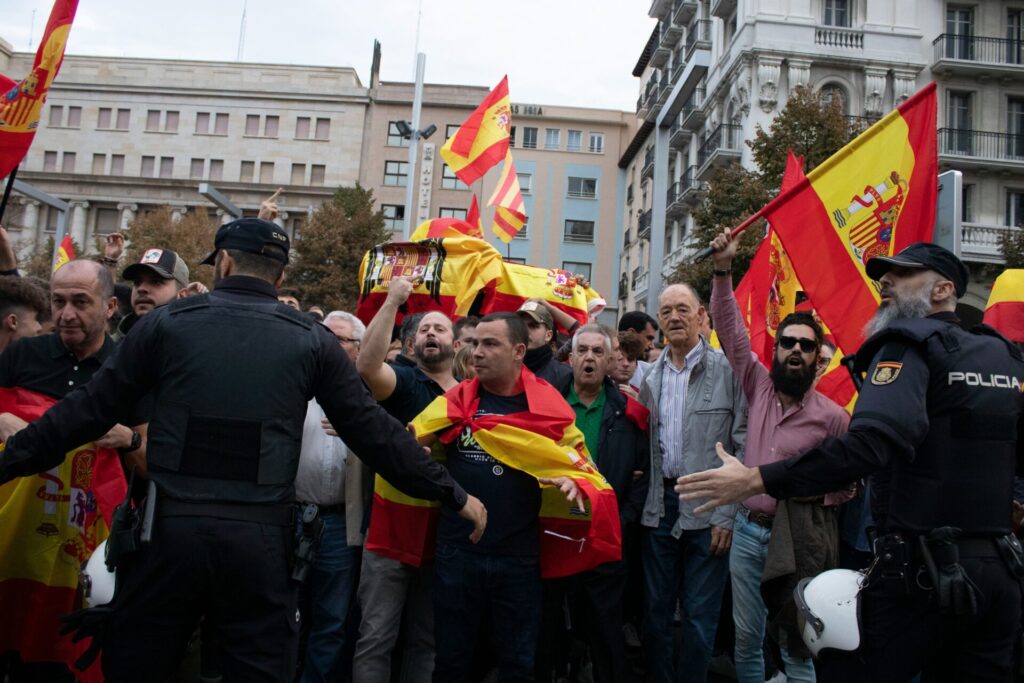
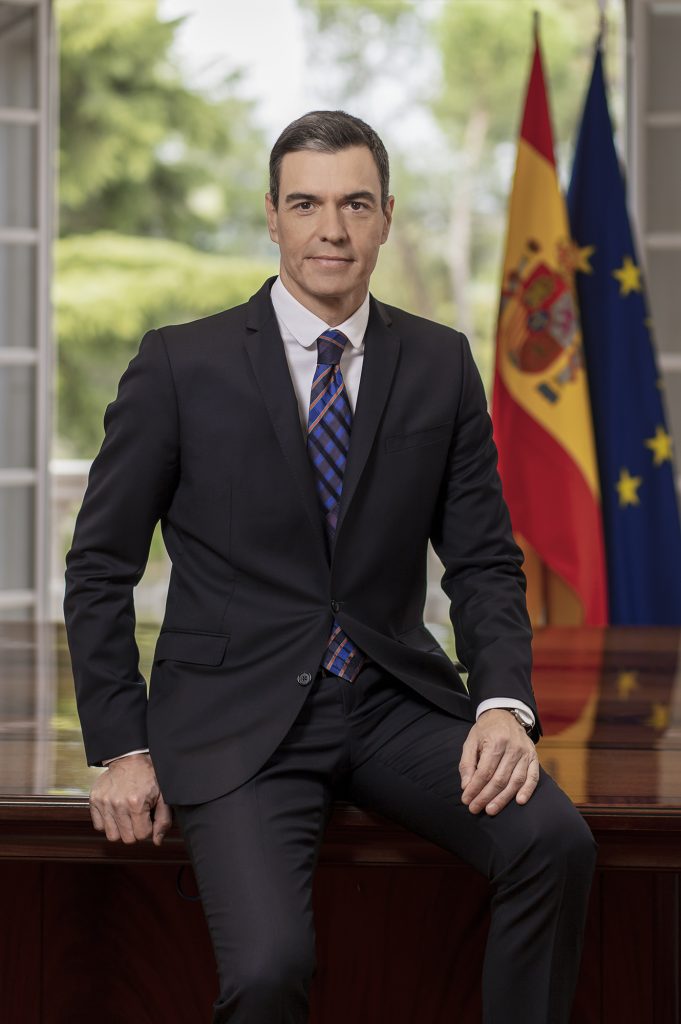
In Spain, the problem is not that there are new voters or future voters. The problem is that the Prime Minister—undoubtedly a rare political specimen, one of those who demonstrate that power in and of itself requires nothing more than the determination to seek it above all else and above everyone else—seems willing to sacrifice both family and principles if they stand in the way of his mandate. That is why, in light of the crisis—with the disappearance of boundaries, the destruction of the coexistence between branches of government, and the erosion of institutional checks and balances—he is making one final gamble: to inflate the voter rolls, to earn the people’s applause, to present himself as the one who gives the most—or, at the very least, as the one who offers the most bread and circuses.
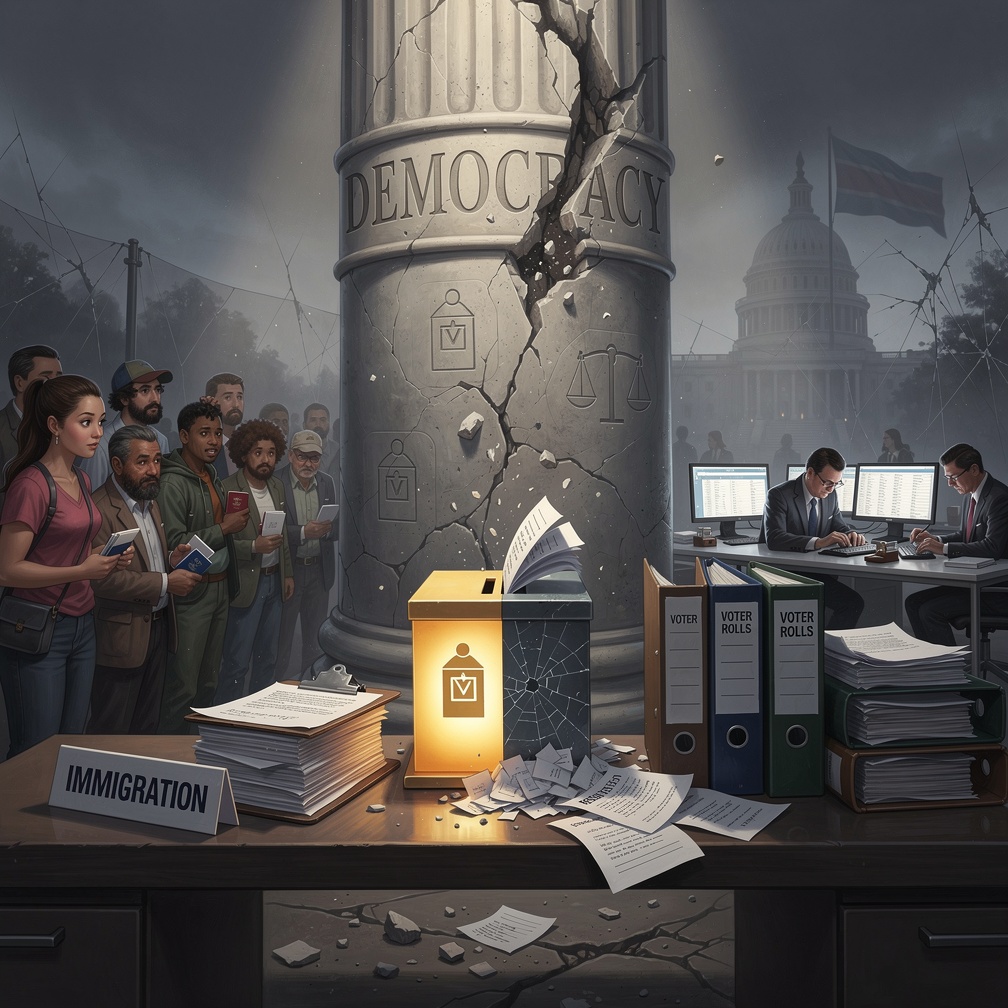
This is not just about the extraordinary regularization of immigrants, which concluded in June 2026 with 1.17 million applications—and which, in and of itself, does not grant the right to vote in general elections, but rather about something deeper: the slow construction of new majorities, new dependencies, and new political loyalties. The most revealing statistic lies in the so-called “grandchildren’s law,” formally known as the Law on Democratic Memory. Under this law, nearly 2.4 million descendants of Spaniards applied for citizenship; by March 2026, approximately 545,000 applications had been approved. The Electoral Roll for Absent Residents had already reached 2.7 million voters by May.
It is important to clarify that not everyone will vote, nor will everyone vote the same way, just as not everyone follows partisan logic. But when just a few seats decide an election, any growth in the voter roll ceases to be a mere statistic and becomes a power play. Pedro Sánchez is surely the most radical and the man who loves power the most at this moment, more so than any other European leader. But the problem is that he is also the first to demonstrate, time and again, with each passing day, that he cares about only one thing: staying in power, even if it means turning immigration policy, historical memory, social assistance, and the voter registry itself into pieces of a single survival strategy.
In the end, that is the contemporary tragedy of democracy. Not that there is bread. Not that there is a circus. Not that governments make promises or that people want to be cared for, recognized, fed, or entertained. All of that has always existed. The tragedy is that, when principles have vanished, when institutions have been degraded, when politics has become a struggle without limits, and when power no longer needs to justify itself beyond its own permanence, the census becomes democracy’s last resort.
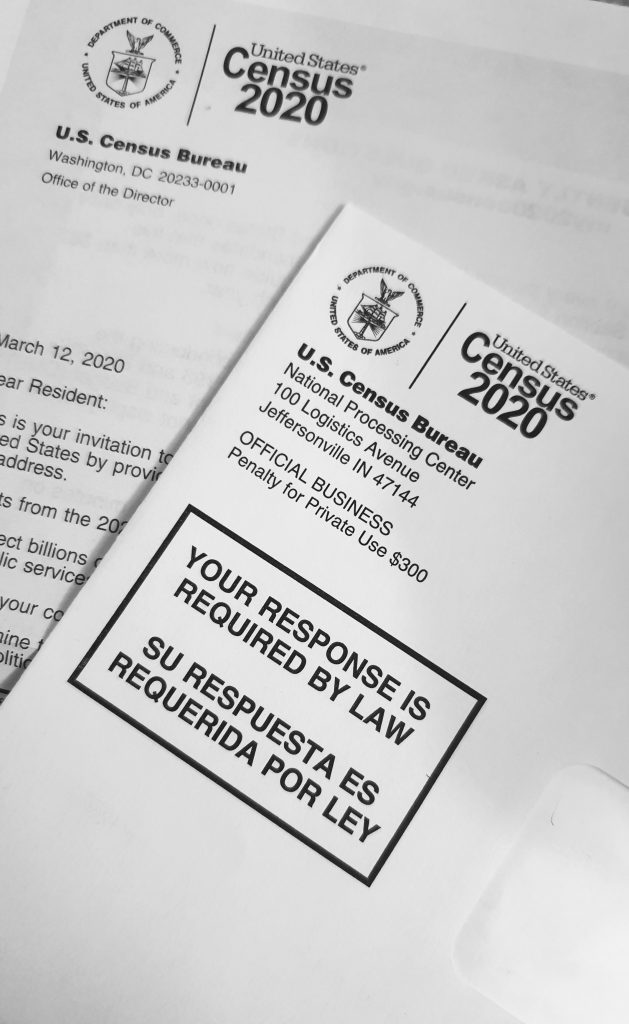
Because if everything boils down to who makes the list, who votes, who receives, who promises, who distributes, and who best manages need, then democracy no longer rests on free citizens, but on managed societies. And when that happens, the people keep voting, the parties keep competing, those in power keep speaking in the name of the popular will, and the polls keep opening from time to time. But behind the democratic ritual, there may be very little left: merely a census, a spectacle, and a power determined to survive.
Further Reading: