

Ricardo Pascoe Pierce
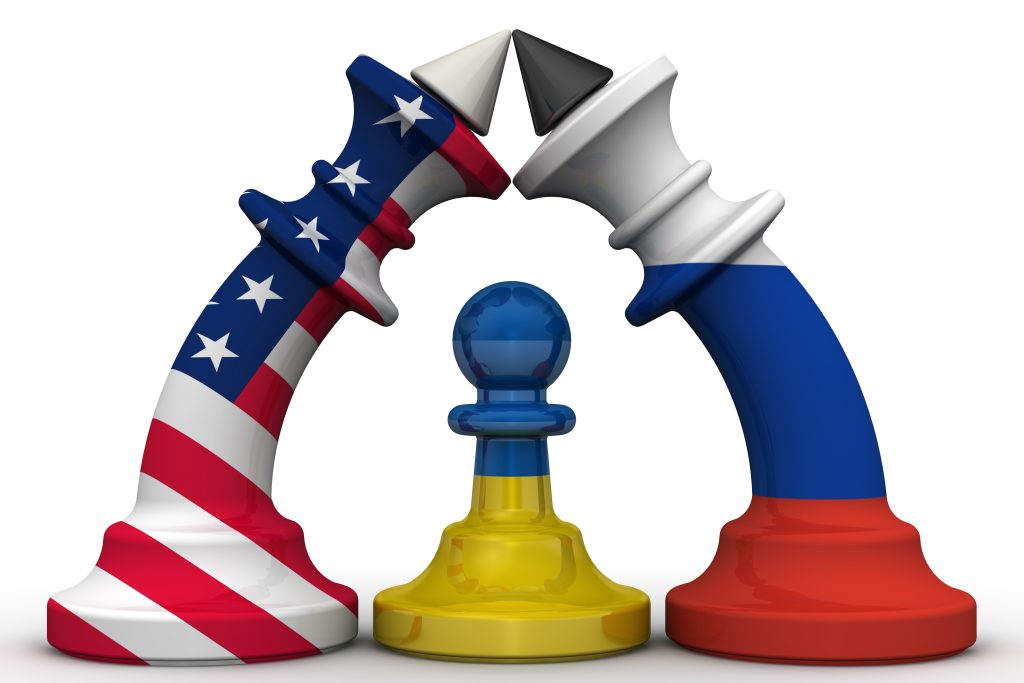
Vladimir Putin launched his invasion of Ukraine on the day and at the time of his choosing. He took the Ukrainians by surprise, even though Western intelligence had already warned of the threat. He thought he would take Kyiv in a matter of days. Five years later, he has failed to conquer Ukraine, and Russia is under daily Ukrainian bombardment.
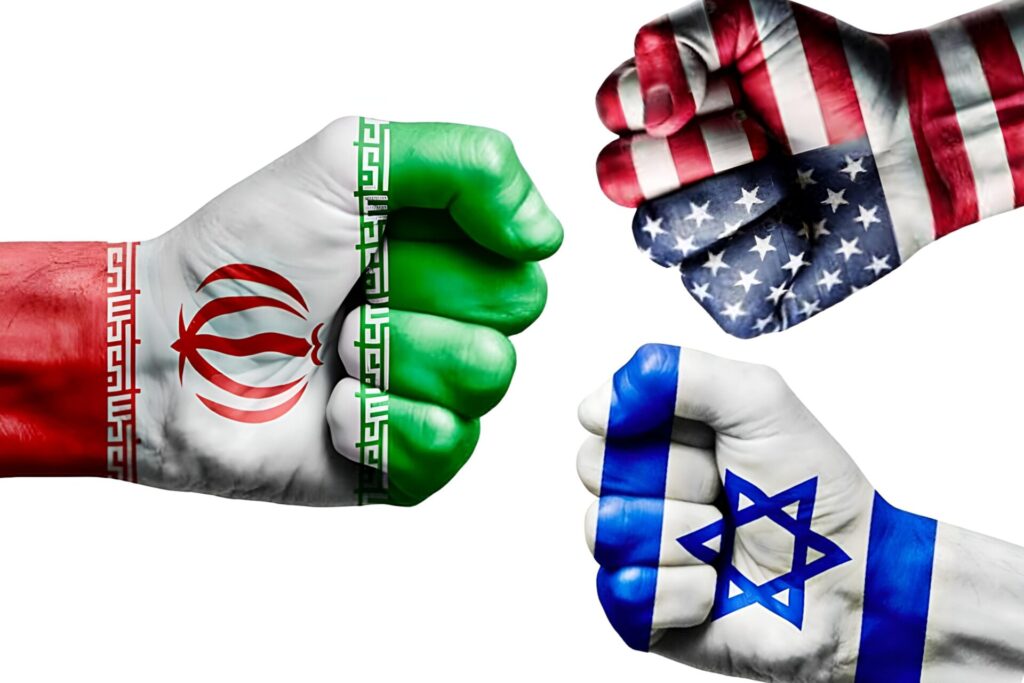
Donald Trump chose to launch an airstrike on the day and at the time his intelligence indicated that Ayatollah Khomeini was vulnerable to attack. He got the day and time right: he succeeded in killing the Ayatollah and much of his family. But after months of a war that was supposed to last only a few days, the United States remains mired in an endless war that has triggered a political crisis in the Trump presidency for failing to achieve any of its objectives and causing high-impact global collateral damage.
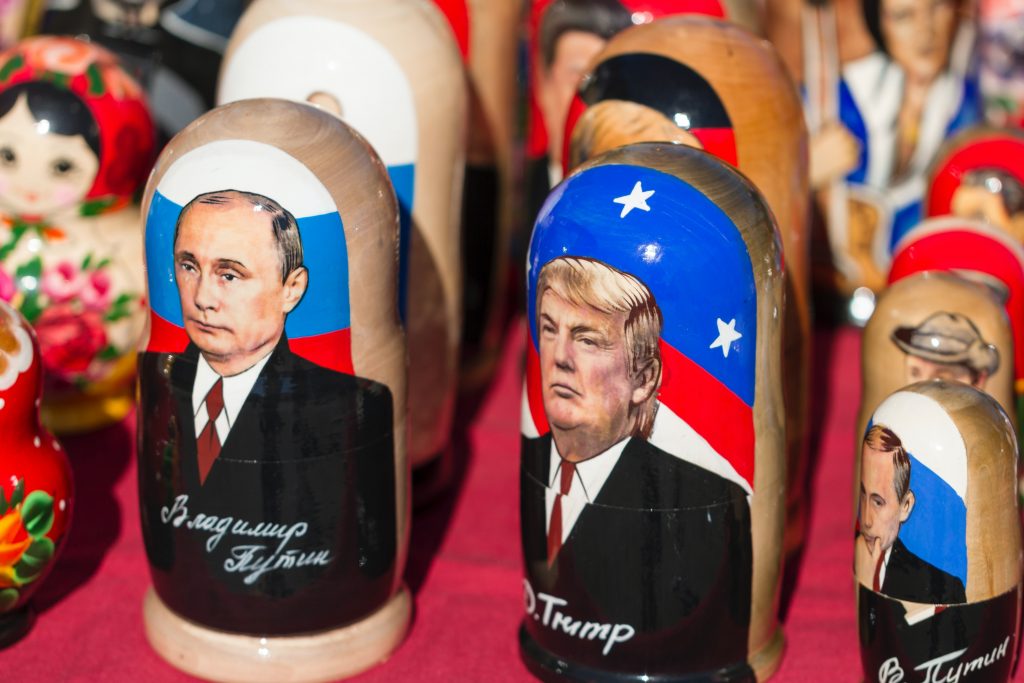
In both cases, these were wars of choice, decided upon and initiated by these leaders. Both knew exactly when they wanted to start their respective wars. Neither knows when they will end.
Sun Tzu advised going to war only when there is a favorable assessment of five factors (doctrine, climate, terrain, command, discipline). Machiavelli defined going to war as necessary only when strictly required for the State’s survival. Clausewitz posited that war is justified when the political objective is sufficiently valuable to outweigh the costs and sacrifices of war. He famously said: “War is the continuation of politics by other means.”
In these fateful times, with bombs, missiles, and drones raining down on the people of Russia, Ukraine, Tehran, and the Persian Gulf countries—and, as collateral damage, on Israel, Gaza, and Lebanon—wars of choice will have political impacts on future generations of all nations.

Politics is the exercise of the art of persuasion by every possible means to achieve agreements or compromises between adversaries. When politics fails, the option of war by choice comes into play. In scenarios of political conflict, the option of armed conflict—in one or more of its many forms and modalities—always remains as a last resort.
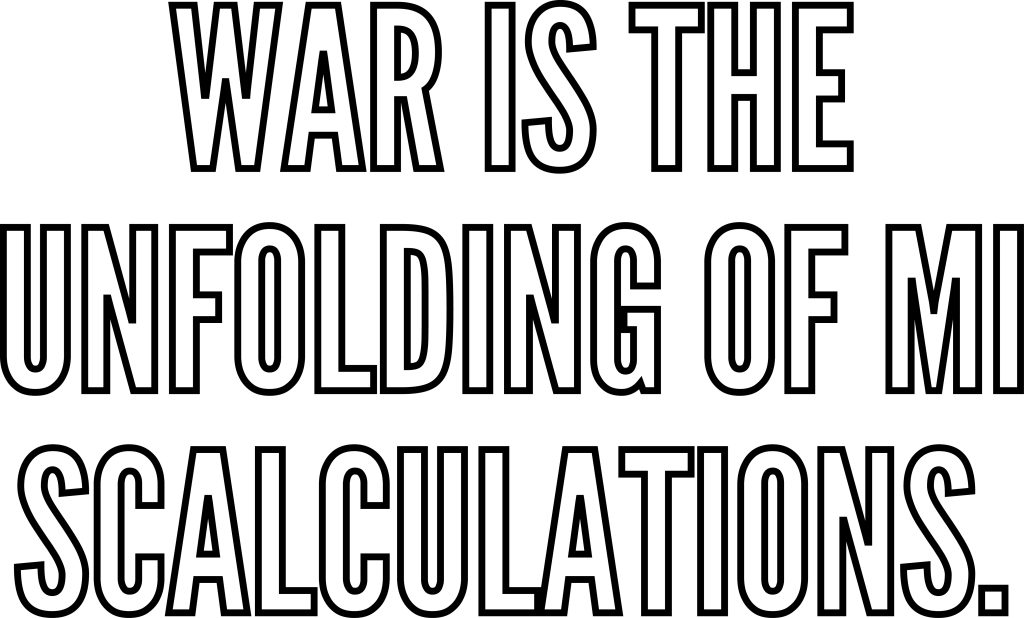
In Mexico, President Claudia Sheinbaum has chosen to enter into a political conflict with the United States that is dangerously escalating toward more intense confrontation. It is impossible to know how far the confrontation between the two countries will go. But it is clear that no option has been taken off the table.
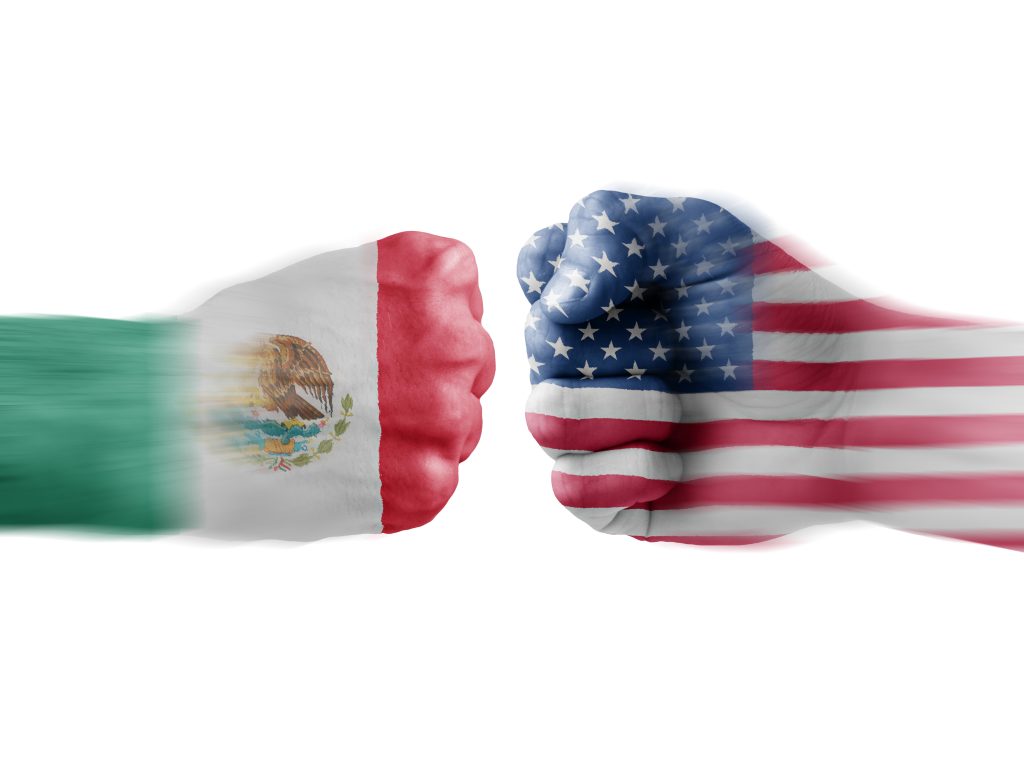
The clash between the two nations stems from their divergent conceptions of national security. The United States considers that its conception of national security concerns not only itself but also Mexico and neighboring countries. Mexico considers its national security an internal matter and not a concern of third countries. Hence, it invokes the concept of sovereignty whenever the debate on national security arises. Is national security solely “national” or is it “regional”?
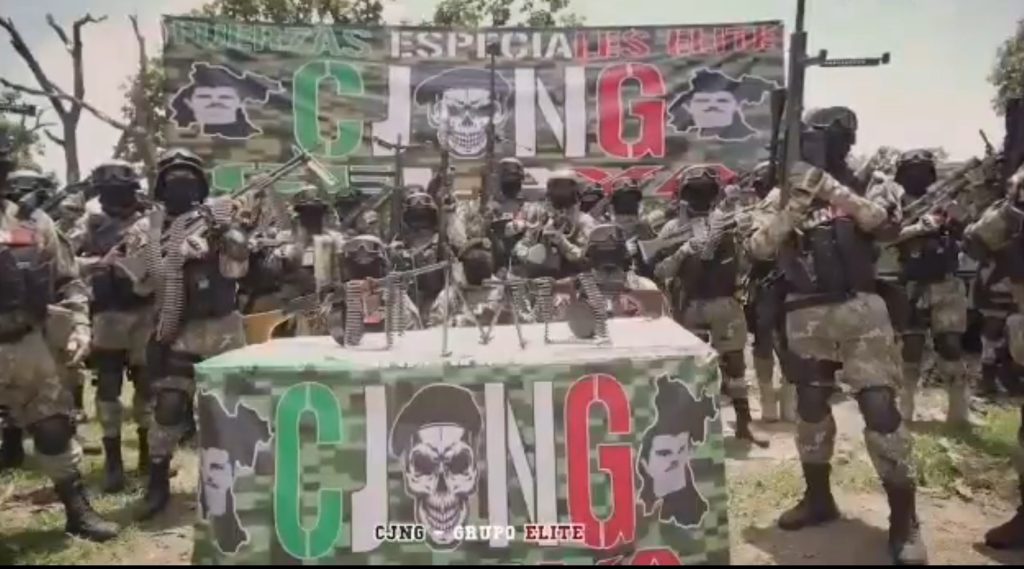
Based on the prevailing conception of national security, Mexico maintains that it does not need to question whether its politicians are allies of the drug cartels or not. It argues that this reality does not affect its national security. In fact, some members of Morena are convinced that an alliance with drug cartels strengthens “national sovereignty.” Defending Governor Rocha Moya—a prominent political figure allied with the Sinaloa cartel—is characterized as an act of national sovereignty. The president says that defending him strengthens national security.

The United States, on the other hand, considers its national security to stem from a regional pact. It believes that Mexico’s regime agreement with drug cartels disrupts the balances necessary to maintain the rule of law in the region.
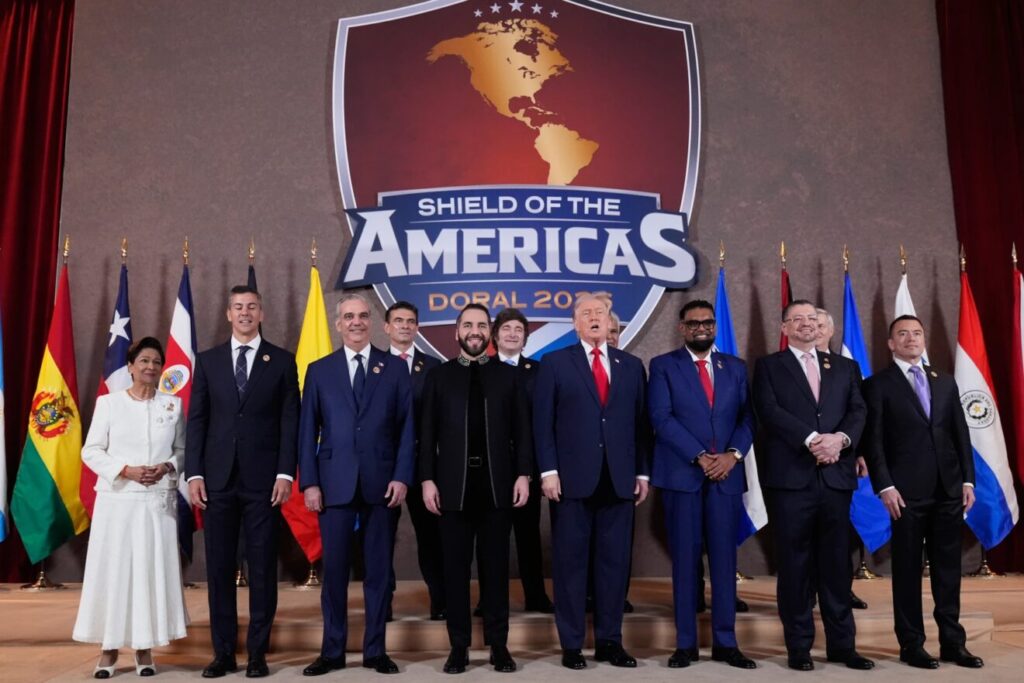
Screenshot: Mark Schiefelbein/AP on wlrn.org
Endorsing non-state armed groups jeopardizes the exclusive use of violence by legitimately established Nation-States. It opens the door to new forms of internal civil war throughout the region.
This fundamental disagreement between the United States and Mexico must be resolved as soon as possible.

If not addressed through dialogue and concrete agreements, this political disagreement between neighboring countries over the foundations of the State could escalate into a conflict with far-reaching consequences.
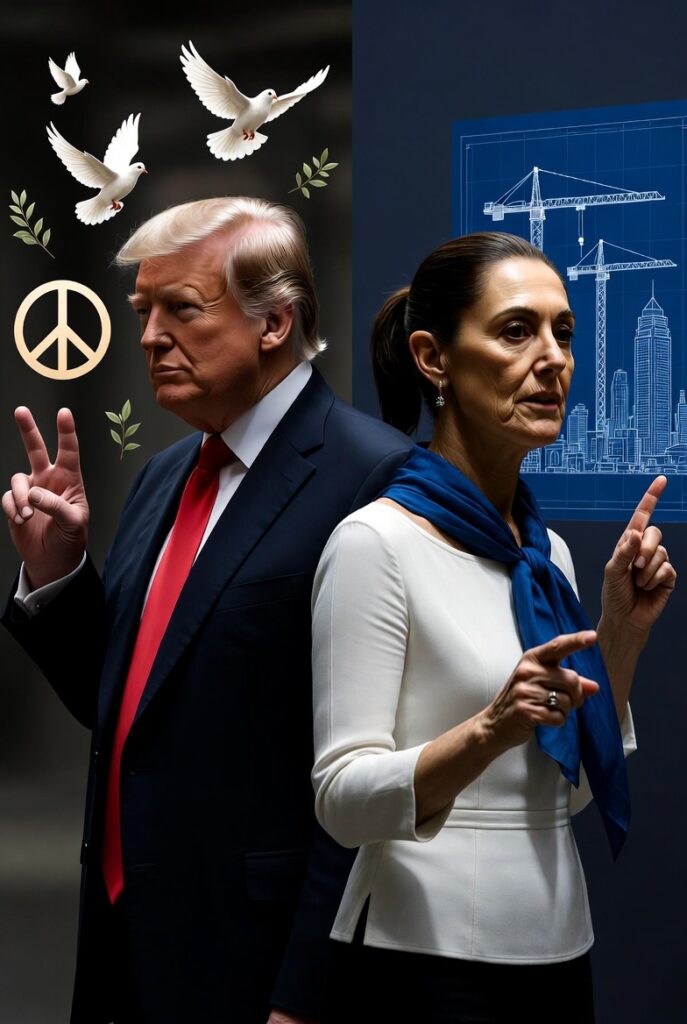
Everything is political, in adversity and in war. Including wars of choice.
@rpascoep
Further Reading: