
Ricardo Pascoe Pierce
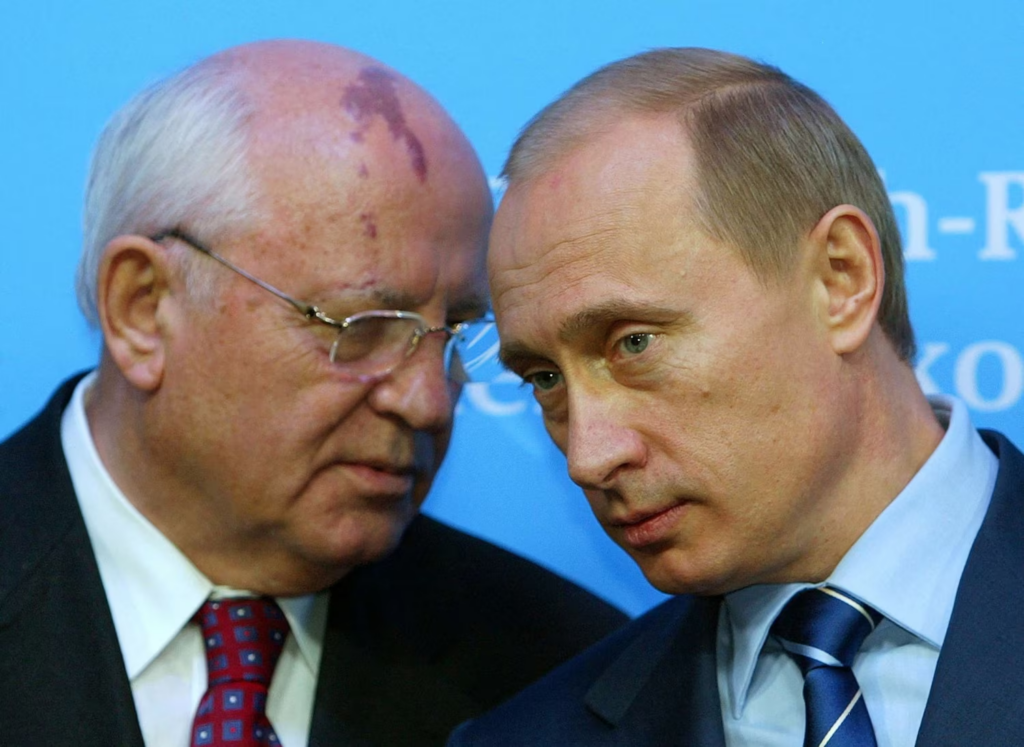
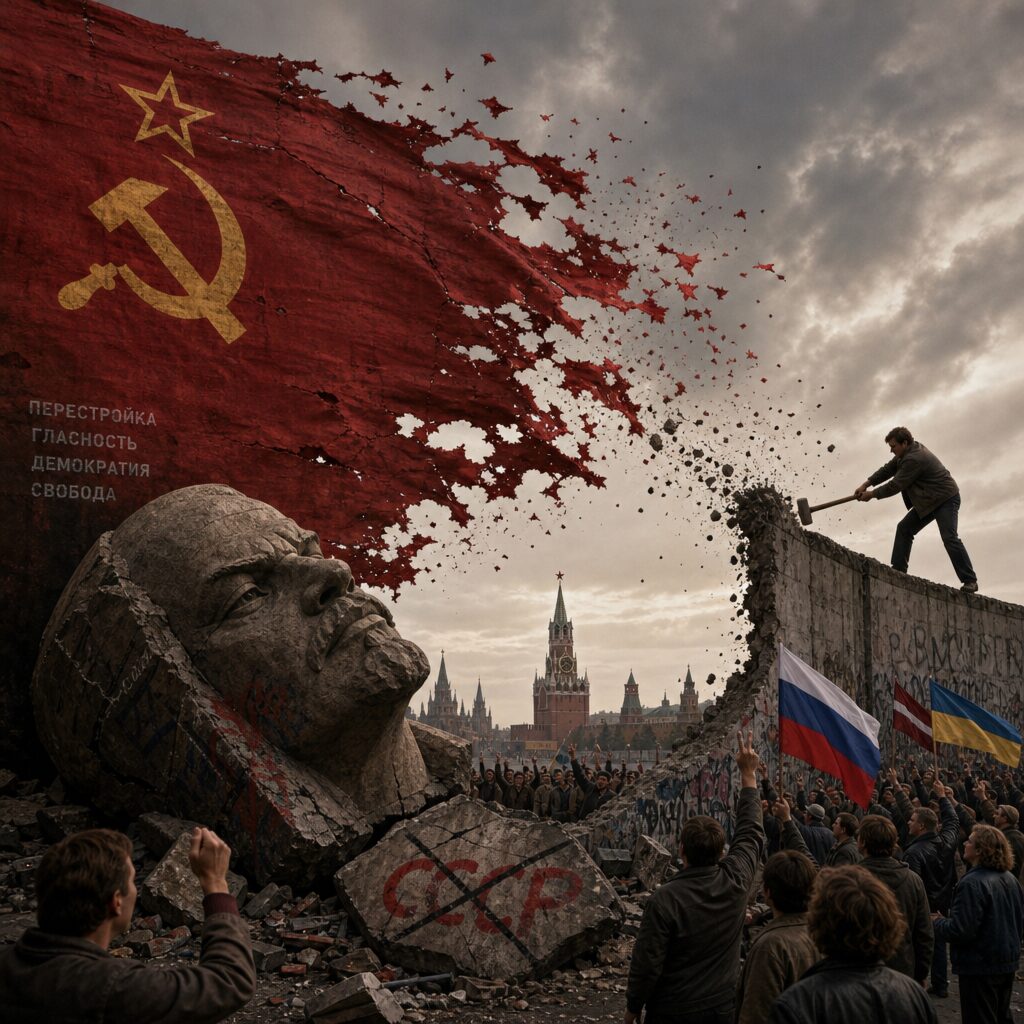
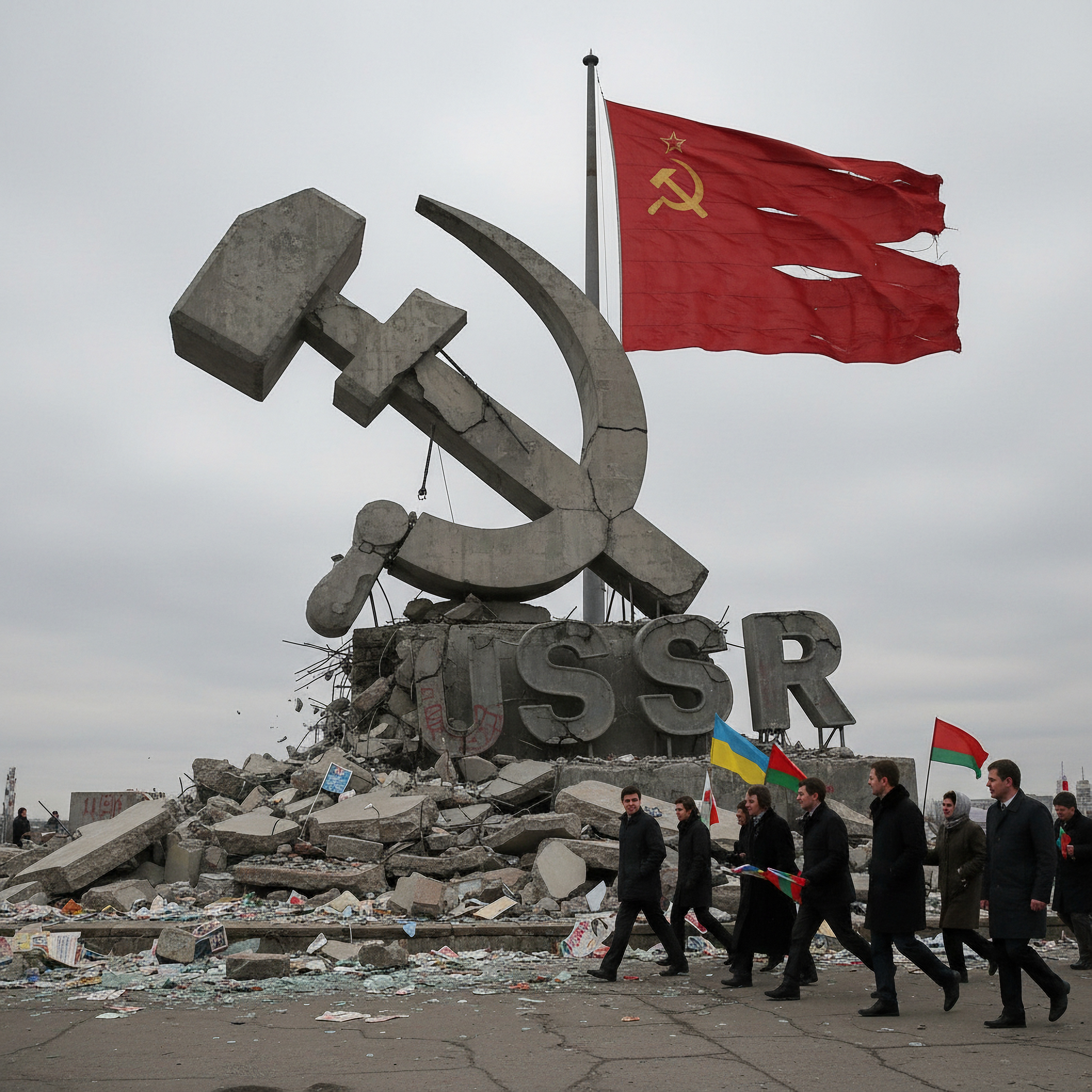
Mikhail Gorbachev died in his home country in 2022. In the final years of his life, he was ostracized by Russia’s new leaders, most notably by Vladimir Putin, who refused to attend his funeral. Fidel Castro explained to me, during a conversation in Havana in 2002, that Cuba “will never make Gorbachev’s mistake.” By Gorbachev’s mistake, he was referring to the collapse of the Soviet Union and the creation of the Russian Federation, as well as his economic reforms (perestroika) and political reforms (glasnost).
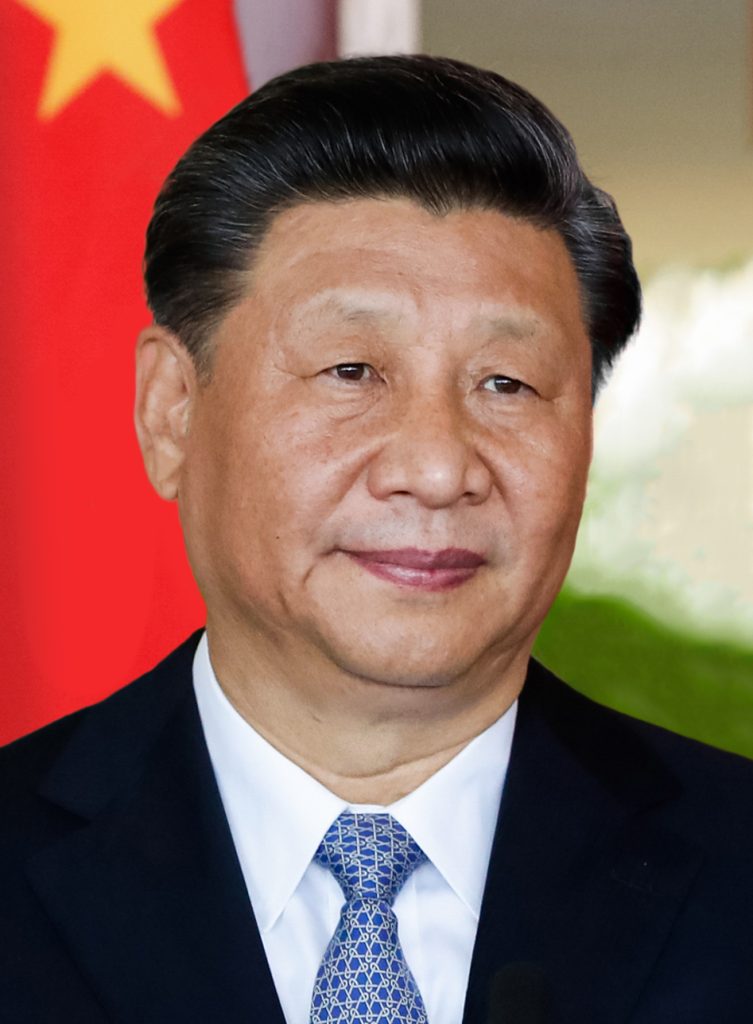
The current President of the People’s Republic of China, Xi Jinping, has devoted an astonishing number of long and rambling speeches to explaining the mistakes made by Gorbachev, just as Fidel Castro did. In Xi’s case, a central theme of his speeches has been the Communist Party’s need to maintain control over the military. Perhaps this obsession explains his frequent purges of all senior commanders in the People’s Liberation Army.
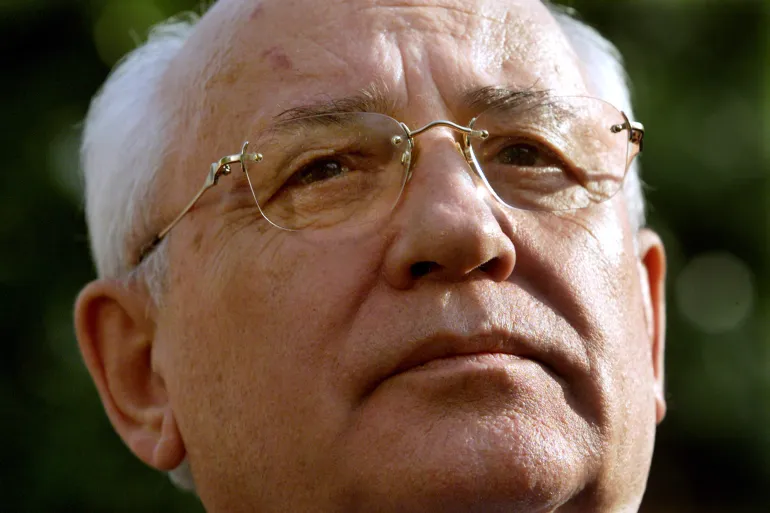
The discussion of Gorbachev’s legacy and the course of his career takes on new relevance in light of Cuba’s current situation. The discussion and debate within Gorbachev’s inner circle centered on how to resolve the existential crisis facing the USSR at that time. With a stagnant economy and the wear and tear of futile wars that had engulfed the Soviet army, Gorbachev decided that a profound epistemological break with the past and with the Revolution was necessary. He chose the most radical option: to change the economic and political systems simultaneously.
Cuba faces an existential and terminal crisis even deeper than the one the USSR faced during Gorbachev’s time. The economy, politics, and society are at a breaking point. Cuba requires a swift response given the gravity of the internal and external situation. In the Russian case, no one expected such a radical and profound action. It took the world by surprise, and the world gave it the benefit of the doubt so it could undergo its internal transformation. There was no significant external intervention.
The fact that internal forces drove the change Russia underwent granted it legitimacy and viability from the outset. What Russia did subsequently is a matter for another analysis. What is important now is to acknowledge that Gorbachev decided that the change had to be internal, profound, and radical.
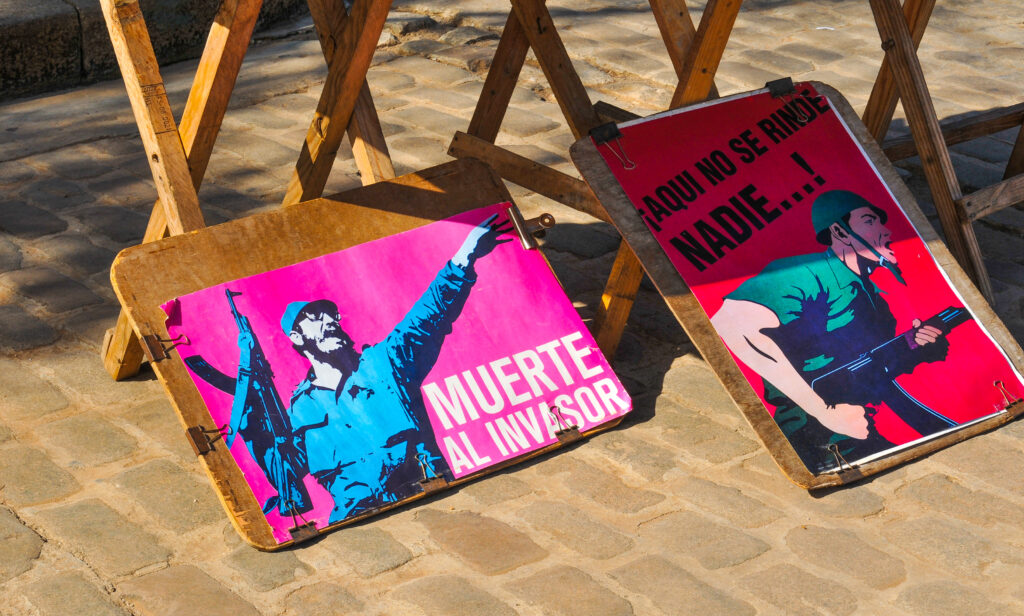
The Cuban leadership has made several decisions in recent years to introduce economic liberalization measures. They have always been rolled back or distorted over time because the centralized economy consistently rejects market competition. All liberalizations have been neutralized or eliminated. And there has never been the slightest hint of political liberalization. The single-party system is the centerpiece, always placed in the middle of the room.
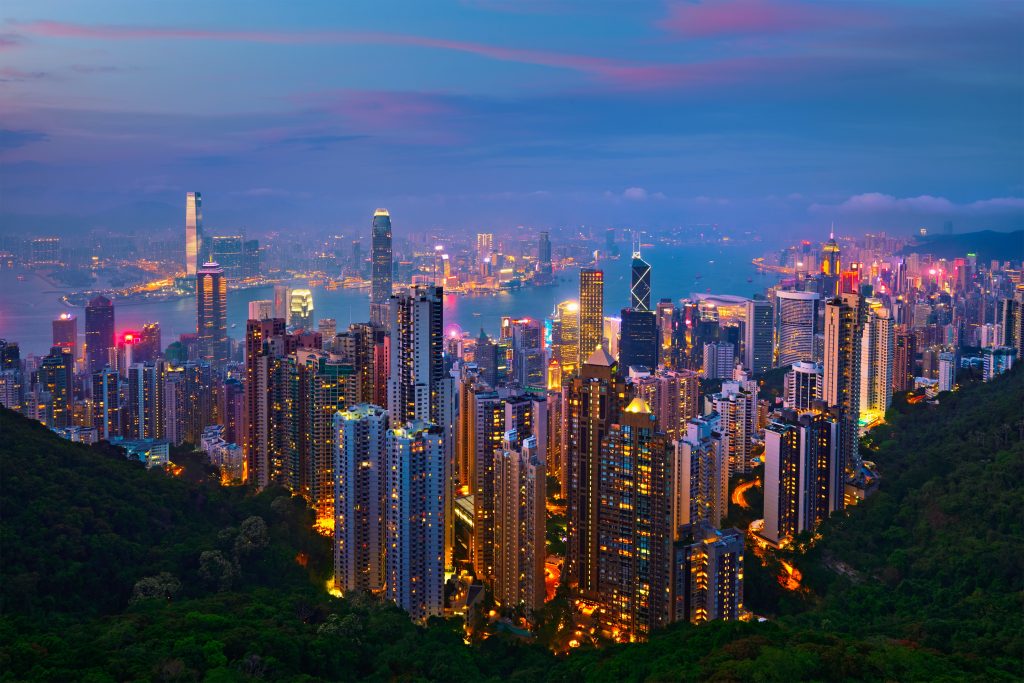
The recently announced measures suffer from the same reputation as their predecessors: they have little credibility. But that is not the problem. The Chinese and Vietnamese models of a market economy under a single-party system flourished after 20-30 years of development. Cuba does not have the luxury of 20 or 30 years. It has not even have two years.
Despite what Fidel Castro said about Gorbachev and disregarding Xi’s diatribes, the Cuban leadership today has only two possible options, given the immediacy of the precipice it faces.
One option is to accept the inevitability of an economic and political transformation imposed by the United States, in alliance with the Cuban diaspora in Miami, Madrid, and elsewhere. Exactly how this model will be imposed is unclear, but it will result from sustained economic pressure, internal discontent, and perhaps some targeted military action. It is unclear. But the result will be U.S. tutelage over the new government.
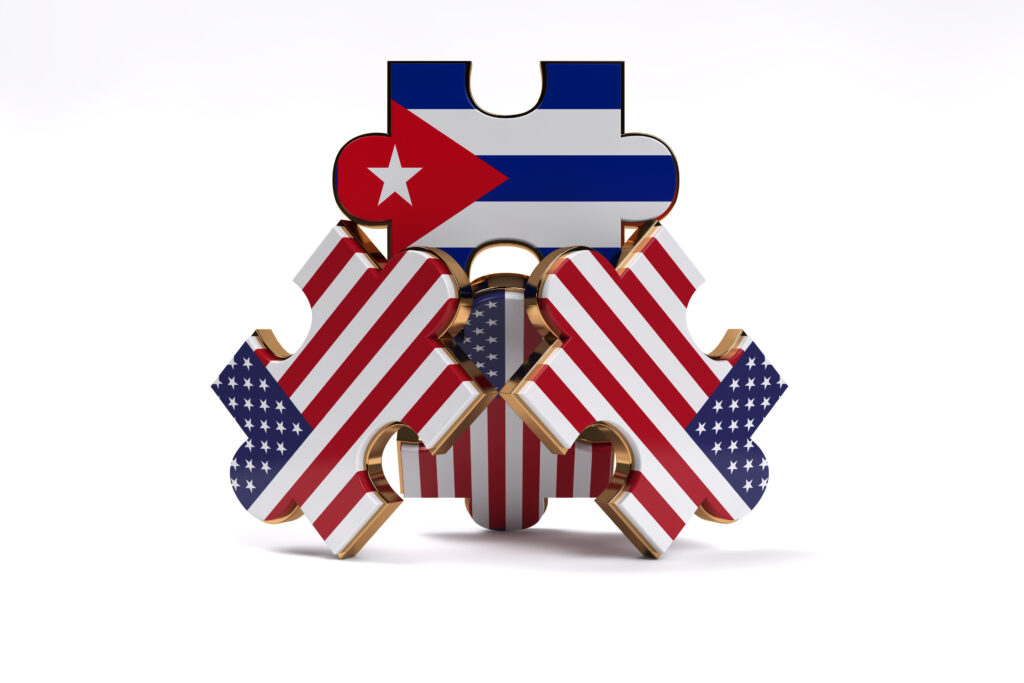
The other option available to Cuba is to follow Gorbachev’s example, precisely to prevent foreign intervention. The Cuban leadership can carry out a profound economic and political transformation—its own perestroika and glasnost—while avoiding external intervention and appealing to the international community to support the change through sweeping amendments to the Cuban Constitution: the release of political prisoners, the legalization of political parties, and free elections. Under this option, the Cuban leadership will have to do what Gorbachev did: deny itself to offer Cuba a possible future.
@rpascoep
Further Reading: