
Ricardo Pascoe Pierce
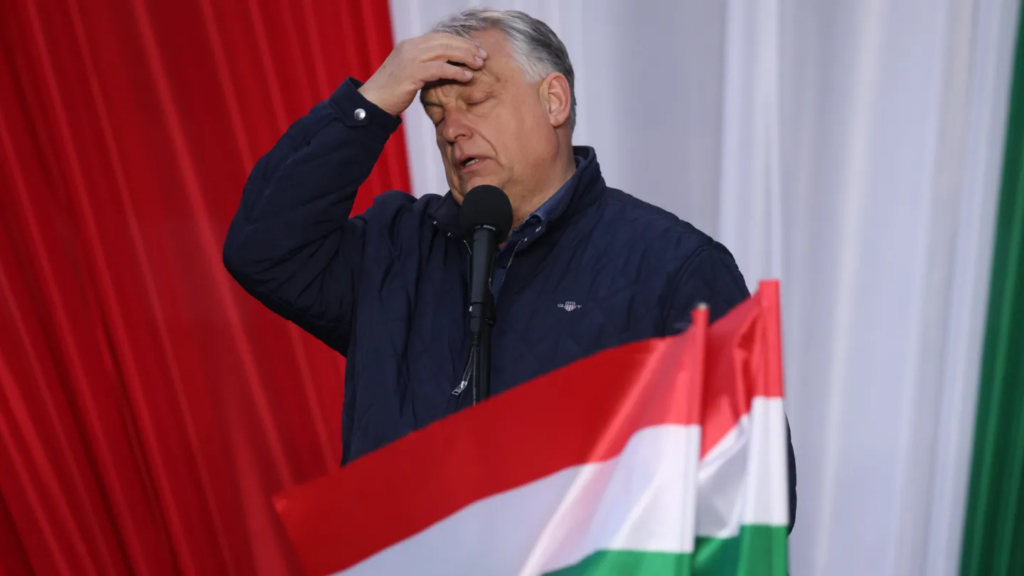
Viktor Orbán’s electoral defeat in Hungary’s presidential election is a defeat for him, his party, and the regime he built over 16 years. It is also a defeat for Vladimir Putin and Donald Trump. Orbán defined himself as an “illiberal democrat.” He was the leader and hero of global right-wing populism.
He built a regime that was seen as the epitome of enlightened authoritarianism, centered on the redesign of the modern state, from its most basic and local foundations to the pinnacle of national power. All institutions were transformed in accordance with his essential objective: the absolute concentration of power in the country’s highest authority. He filled the bureaucracy with loyalists rather than competent individuals.
He transformed six pillars of the State in Hungary: 1. Concentration of power and institutional erosion. 2. Control of the media and a nationalist narrative. 3. An economic model oriented toward clientelism. 4. Distancing from the European Union. 5. Foreign policy in alliance with Russia. 6. A subordinate electoral system and control of the judiciary.

However, two aspects of his governance contributed to the erosion of his leadership. First, widespread corruption, driven primarily by his family and prominent members of his government. Furthermore, they made no effort to conceal or hide their wealth. Corruption and the lack of the rule of law were plain for all to see.

The second factor that eroded his regime was his irresponsible economic management, which left Hungary the poorest country in the European Union. Foreign investment dried up. Public services deteriorated completely. The healthcare system fell into disrepair, lacking medicines and the basic equipment needed to assess critically ill patients. The education system became a mechanism for expelling students due to a lack of educational materials and trained teachers. This led to a constant brain drain to the European Union.
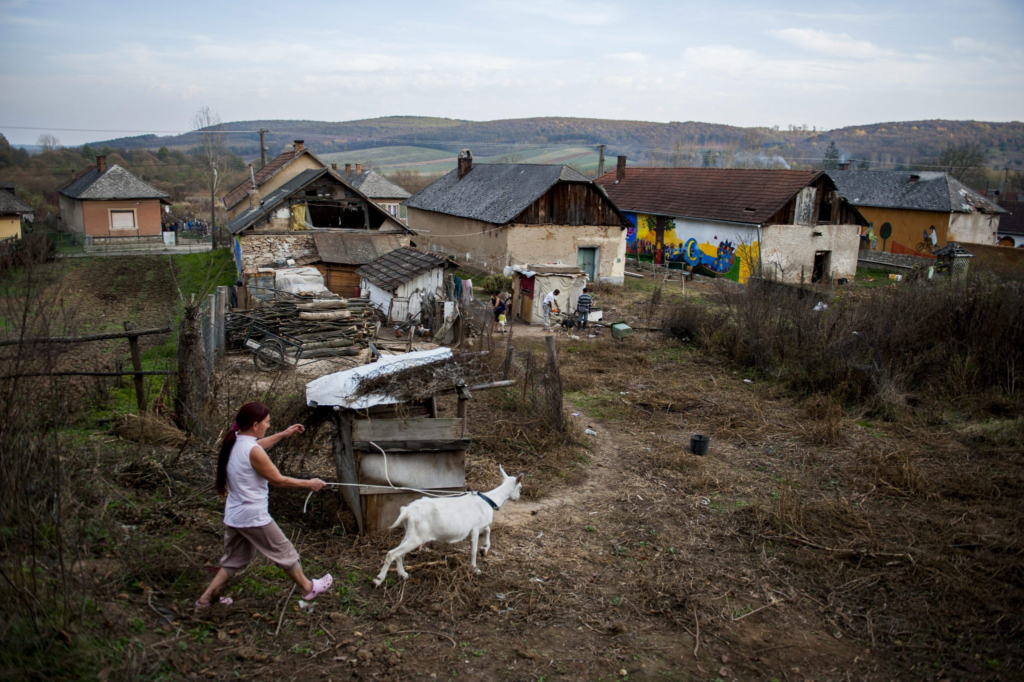
As the years passed, promises of prosperity faded, and with them, hope for a better future dwindled. Orbán broke the welfare pact. Clientelism, which initially secured support for the regime, became ineffective when small benefits failed to meet basic medical, educational, or employment needs. Furthermore, the population witnessed the emergence of a new social class: the well-off who exploited the state to do business through pre-assigned contracts, thereby becoming a new, arrogant bourgeois class.

But what did Orbán actually do to stay in power, if he was unable to implement an economic policy that would bring prosperity, well-paying jobs, and the benefits to his people that citizens of European Union member states did receive? What Orbán did, as an “illiberal democrat,” was to transform state institutions to prolong his rule indefinitely. He amended the Constitution to allow his indefinite reelection and centralized more power in the executive branch. He established controls over the judiciary, autonomous agencies, and electoral bodies. He changed electoral rules and voting procedures to favor his party.

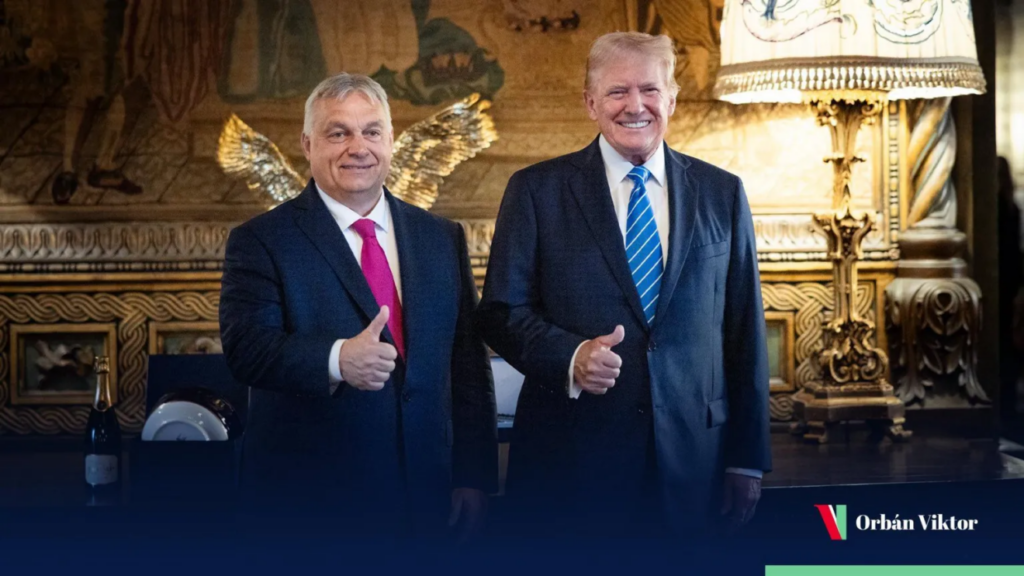
He established controls over the media and ensured that the judiciary punished critical journalists. He promoted messages against NGOs and “globalist elites.” He confronted the European Union and acted as a third column within it to favor Russia, even passing confidential military information to Putin and his generals.

The conclusion regarding his decline and electoral defeat is that his sole interest as a ruler was to transform state institutions to ensure his perpetuation in power. He did not care about his people’s well-being. In fact, he despised them and thought that by giving them a few handouts, the people would be eternally grateful and would never stop supporting him.

But he was wrong. Mexico has lessons to learn from Hungary.

@rpascoep
Further Reading: