Ricardo Pascoe Pierce
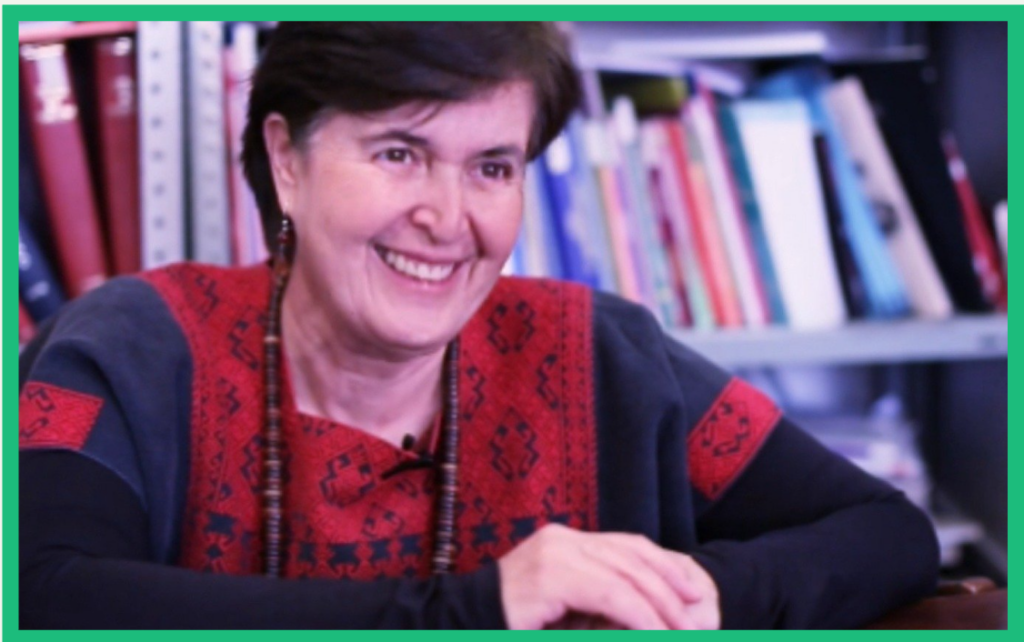
María Dolores González Saravia is the president of the Mexico City Human Rights Commission (CDMCM). She released the official statement regarding the resolution by the Committee on Enforced Disappearances (CED) to bring the issue of disappearances in Mexico before the United Nations General Assembly, characterizing it as a national crisis. In her view, this represents an important opportunity for the victims and for the country that must be seized.

She noted that, given the context of disappearances the country is facing, it is necessary to remain open to scrutiny and technical cooperation. Disappearance constitutes a serious violation of human rights, with impacts at the individual, family, and social levels. She emphasized that this is one of the country’s most urgent challenges.
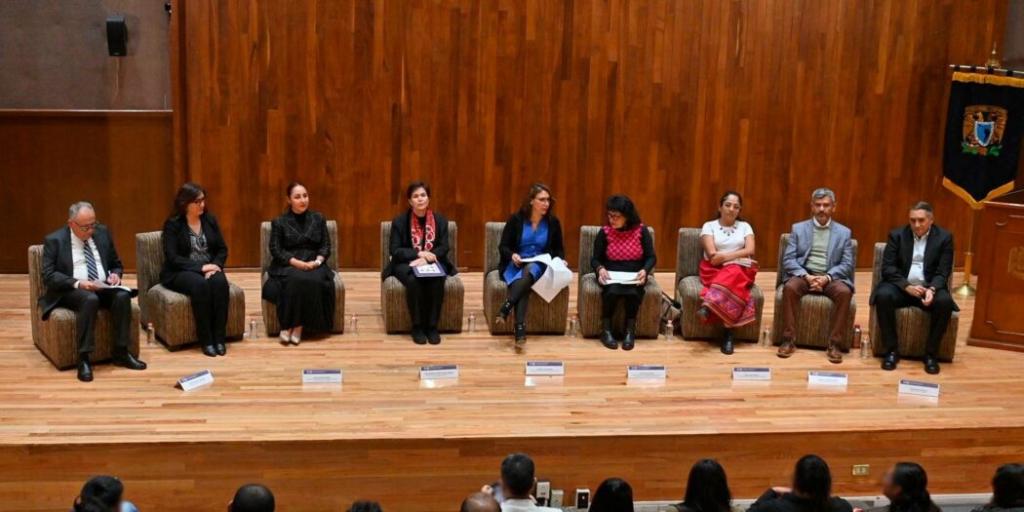
González Saravia noted that in Mexico City, coordinated actions have been announced between the Commission for the Search for Missing Persons and the local prosecutor’s office, through the Immediate Search Task Force, to ensure due diligence in investigations and comprehensive care for victims. These efforts, she reiterated, must yield positive results, with family participation, strengthened prevention and investigation, and special attention to the forensic crisis.
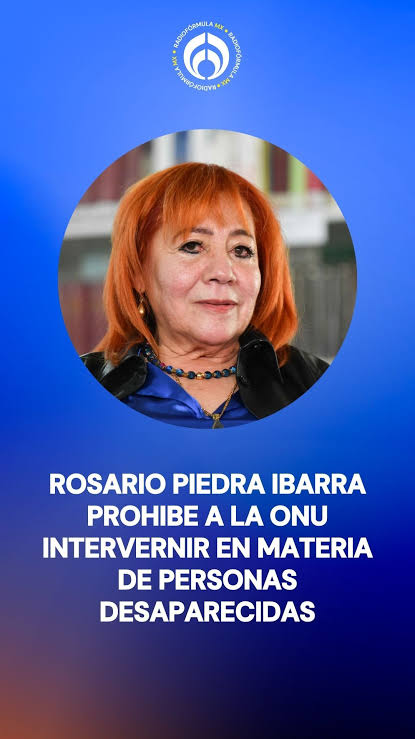
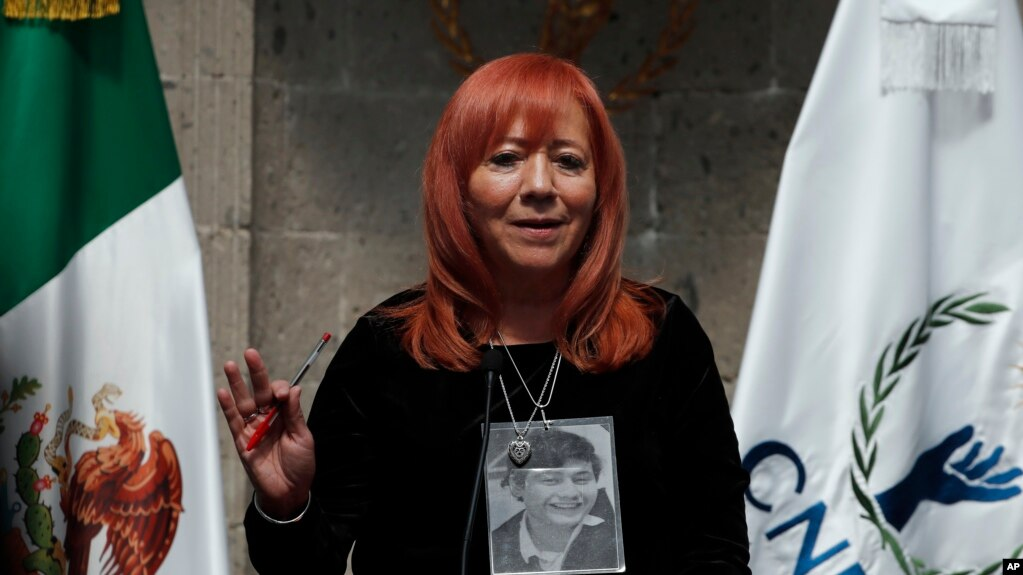
The response from the Mexico City Human Rights Commission contrasts with the statements of Rosario Piedra, president of the National Human Rights Commission, who continued to attack, reject, and denigrate the Committee on Enforced Disappearances’ resolution. She asserted that the report is based on biased positions of non-governmental organizations, leading to unsubstantiated conclusions regarding the situation of the disappeared in Mexico. She particularly criticized the fact that importance was given to the opinions of the Miguel Agustín Pro Juárez Human Rights Center due to its criticism of the federal government’s public policies on the matter. Rosario Piedra concluded her criticism of the Committee on Enforced Disappearances by disparaging the United Nations(UN) in general and accusing human rights organizations of “profiting” from their struggles.
Piedra’s stance coincided, unsurprisingly, with what President Sheinbaum had said about the same resolution. She denounced the UN and declared the report “biased.” She rejected the idea that Mexico should turn to the international body to discuss the issue of the disappeared in Mexico. While Sheinbaum has criticized the UN for not acting in accordance with her opinion regarding the U.S. embargo on Cuba, when it comes to Mexico, she refuses to allow the UN’s participation. It is precisely these inconsistencies that underpin Mexico’s lack of credibility abroad.
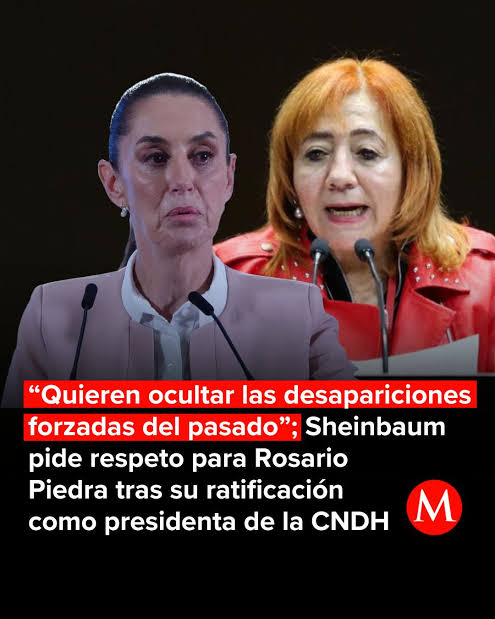
While María Dolores González Saravia described the UN’s position as an opportunity for a technical, scientific, and citizen-participatory approach—without necessarily endorsing all the study’s conclusions—both Piedra and Sheinbaum reacted with accusations and invective, but without proposing solutions, to a resolution by a United Nations committee.
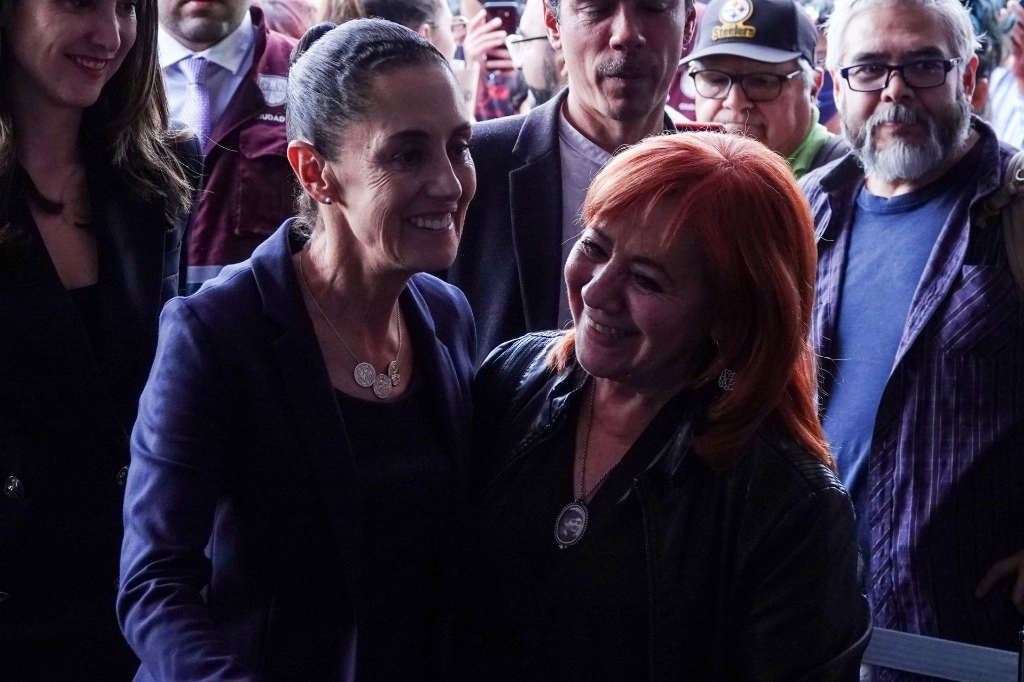
The federal government’s strident defense against the CED resolution stood in stark contrast to the intelligent, measured, and thoughtful response from the Mexico City Human Rights Commission. While the latter responded with empathy toward the victims and their families, the federal government—both the president and the National Human Rights Commission—responded with genuine hatred and scorn, directed first and foremost at the international body, but also at the victims and their families, whom they accused of seeking to “profit” from the cause. Incidentally, that accusation comes from someone who has known how to exploit the movement for personal gain.
In times when causes and positions become inflexible, tinged with ideology, and often lacking in genuine and useful reflection, María Dolores González Saravia’s stance deserves our applause and more: our support.

@rpascoep
Further Reading: