
Ricardo Pascoe Pierce
In recent years, Mexico has been the scene of numerous protests and citizen mobilizations, reflecting growing discontent with conditions that undermine the country’s social and economic fabric. These mobilizations, diverse in their causes and participants, are united by a shared perception: the gap between society’s needs and the state’s capacity—or willingness—to address them effectively.
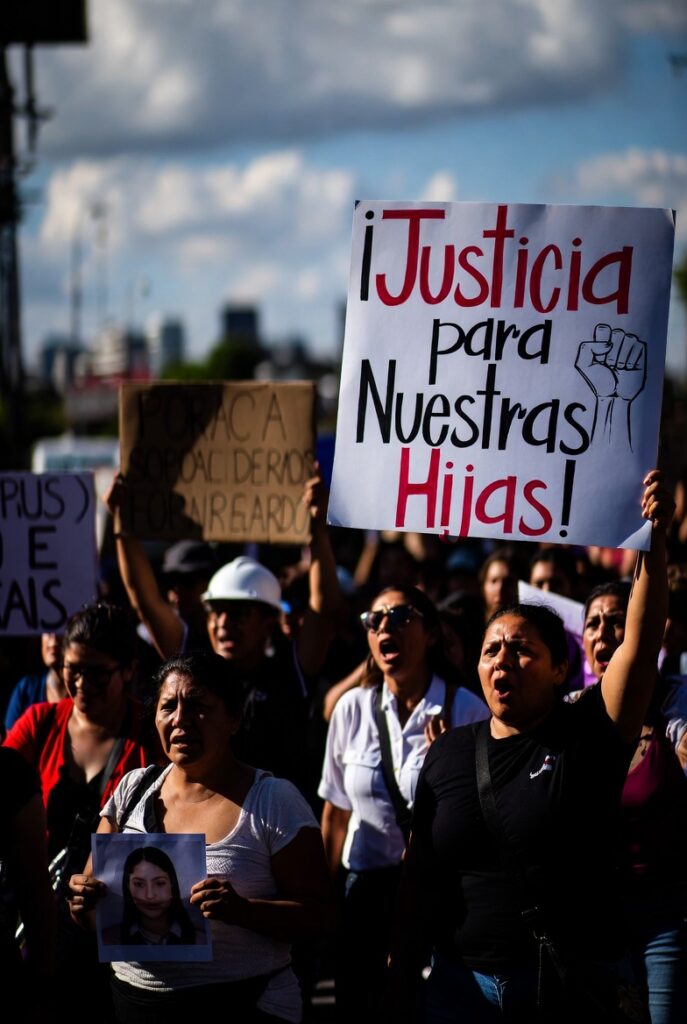
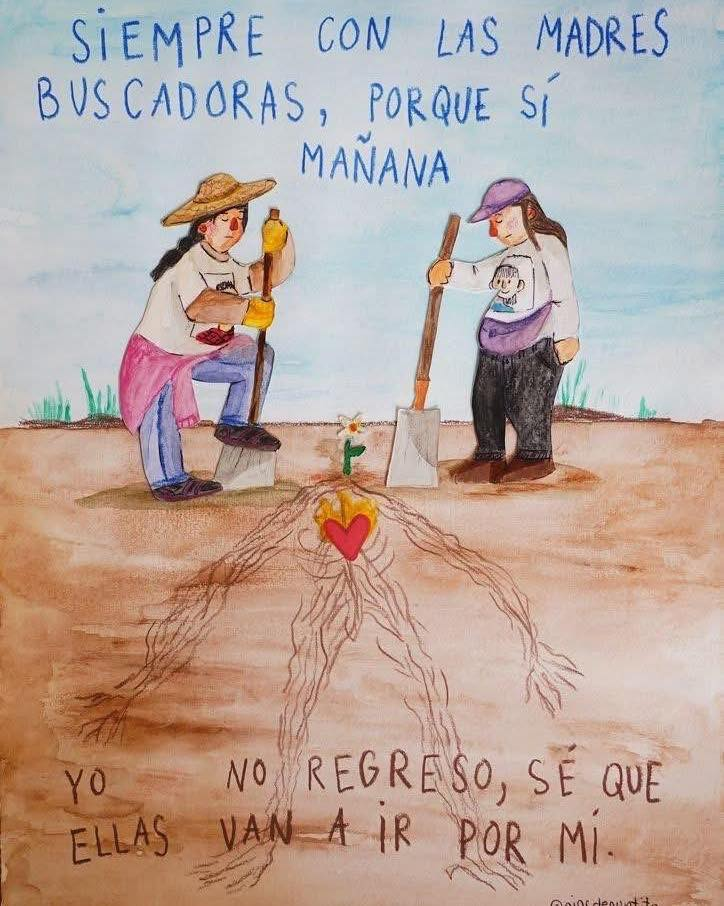
One of the most visible focal points of this unrest has been the demand for security and justice. The marches by relatives of missing persons, organized into collectives across the country, have highlighted the magnitude of the humanitarian crisis. Searching mothers have denounced not only the state’s absence but, at times, its complicity or negligence. The existence of around 130,000 missing persons confirms their pain. These protests are not massive, but they possess a moral force that has deeply challenged Mexican society.
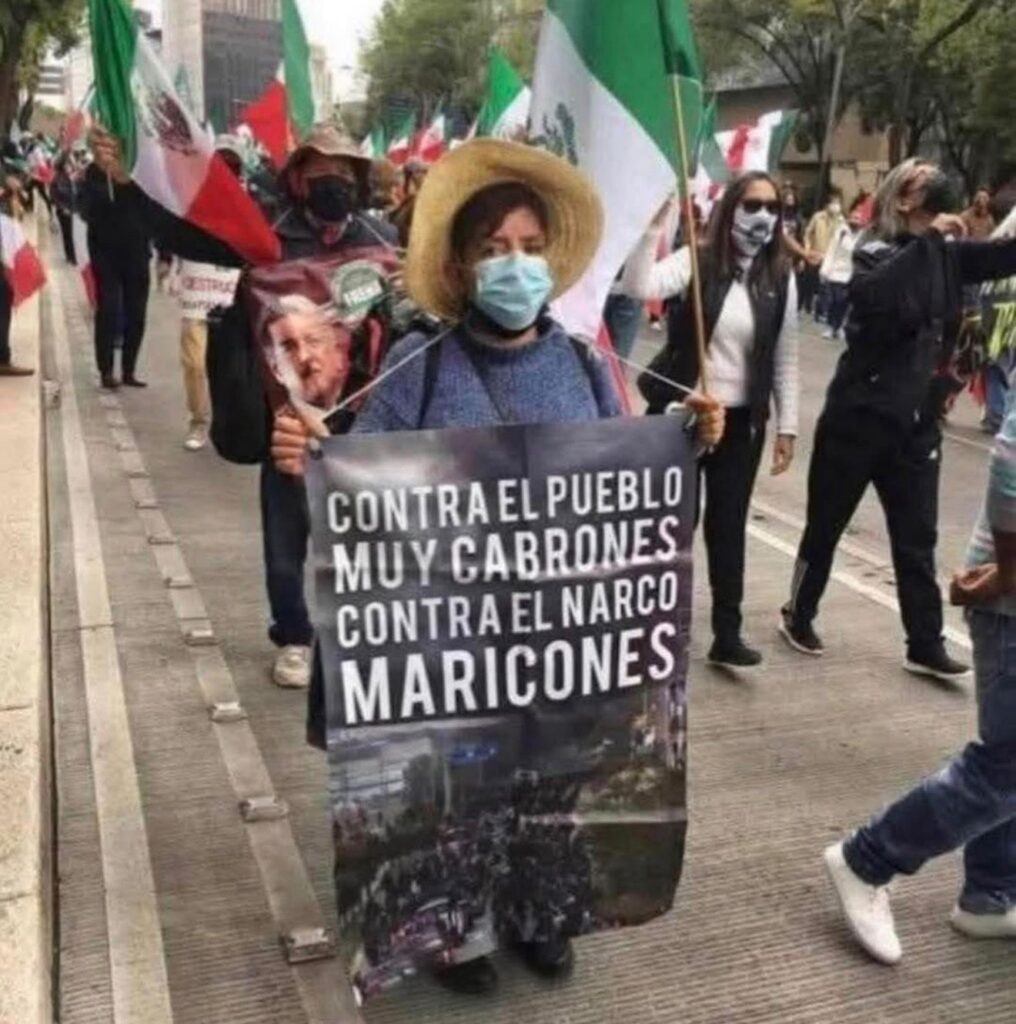
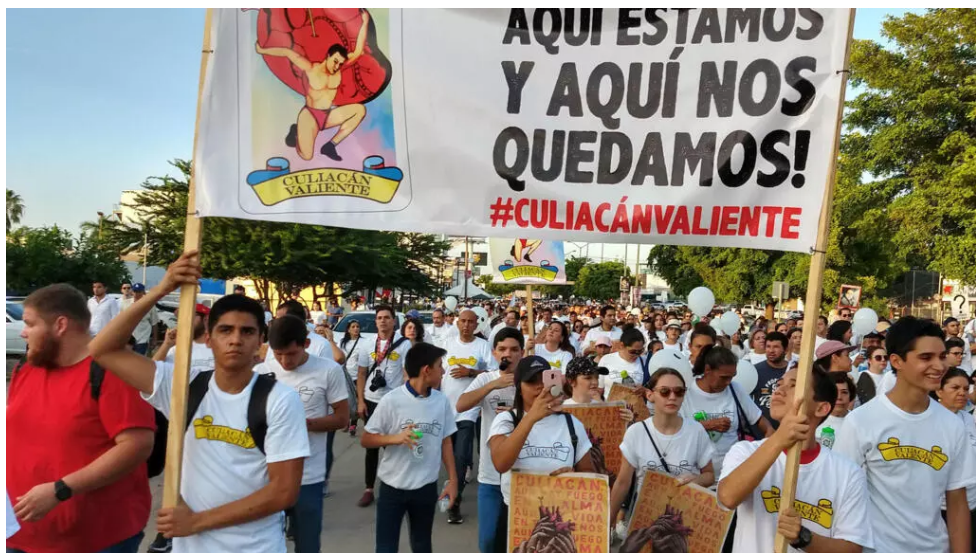
The state’s ambivalence or complicity in the face of organized crime has been repeatedly confirmed. The recent release of Mayo Zambada’s daughter reinforced suspicions of links between politics and drug trafficking. In states such as Sinaloa, Veracruz, Campeche, Tabasco, Chihuahua, Colima, and Jalisco, citizens have taken to the streets en masse to demand stronger government responses against organized crime and to demand a clear break from criminals.
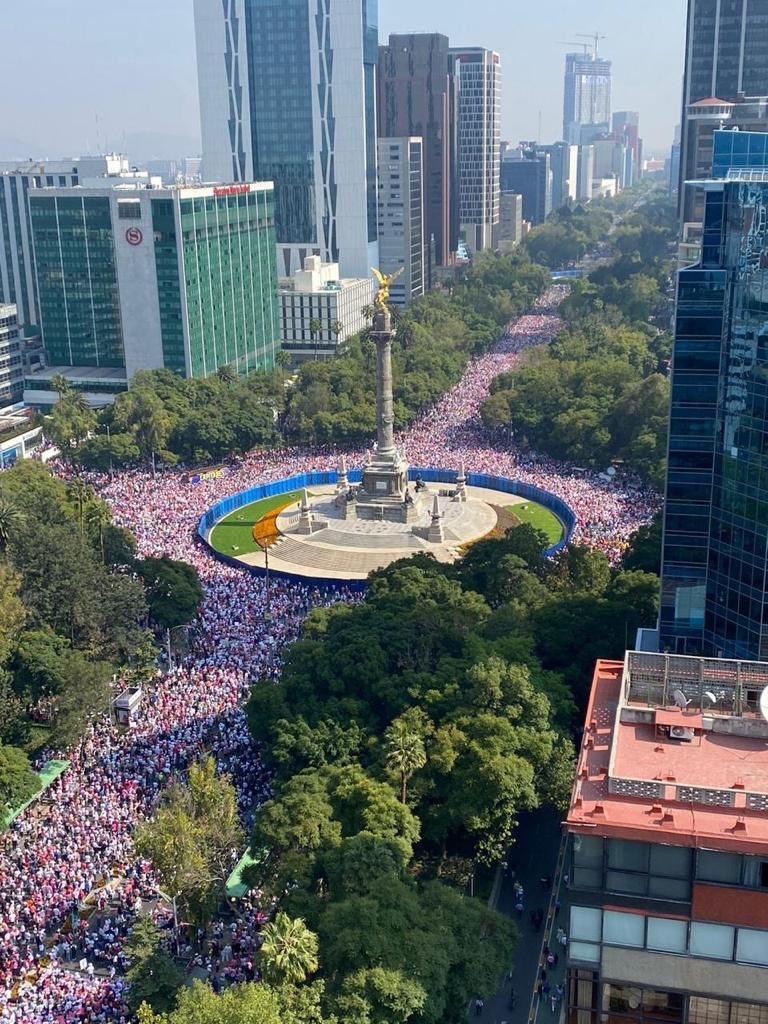
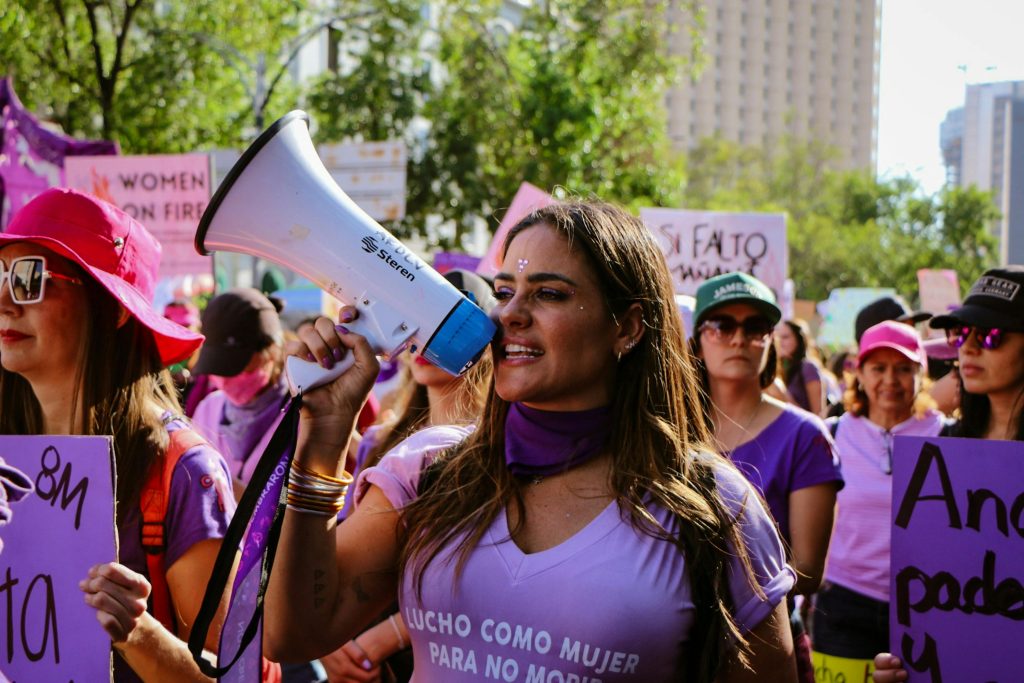
The feminist movement has led some of the largest and most significant mobilizations of the past decade. The March 8 marches and the national women’s strike have brought gender-based violence, femicides, and structural inequality into the spotlight. The demand is clear: it is not merely about justice for the victims, but about a profound transformation of institutions and social culture. It refutes the demagogic claim that “we women have all arrived.”
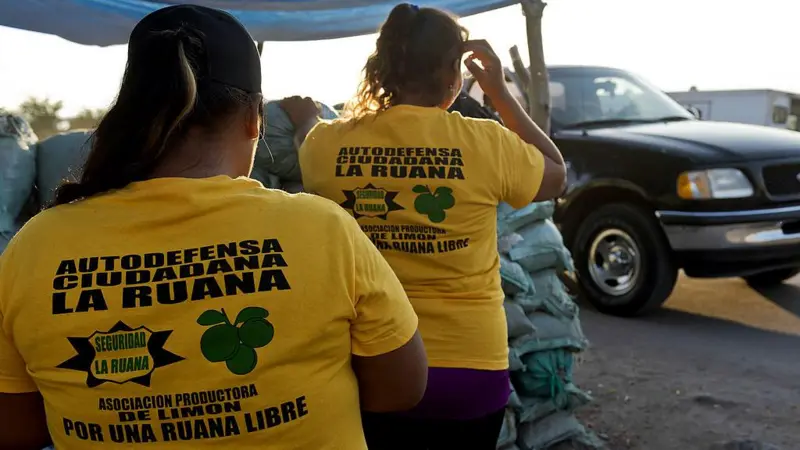
Another focus of protest has been the economic and labor sectors. Workers from various sectors have taken to the streets to denounce budget cuts, precarious working conditions, or reforms they consider harmful. Teachers are a sector that frequently mobilizes in their states and in Mexico City. During the COVID-19 pandemic, medical personnel protested the lack of supplies and inadequate conditions for performing their work, highlighting the fragility of the healthcare system. Various protests have challenged public policies that directly impact employment and family income. Truck drivers are demanding road safety, and farmers are calling for support for their crisis-stricken sector amid rising fertilizer prices. Union movements have been recurrent in the automotive, manufacturing, and mining industries. Avocado and lemon growers have organized acts of resistance, including armed resistance, against the scourge of organized crime.
In the environmental sphere, indigenous and rural communities have led protests against infrastructure projects and the exploitation of natural resources. These mobilizations denounce not only ecological damage but also the lack of prior consultation and the dispossession of territories. The defense of water, forests, and land has become a point of convergence between environmental demands and collective rights. Oil spills in the Gulf of Mexico are causing an ecocide that is killing the fishing and tourism industries, in addition to causing severe health damage to children and adults in the affected areas.

Student protests have also served as a barometer of social discontent. University students have marched for increased education funding, against campus violence, and for the democratization of their institutions. Violence in educational institutions reflects a breakdown of social cohesion within families and among students. Movements such as INCEL exemplify the violent nature of some student groups. Alcoholism and drug addiction are realities that permeate student behavior both inside and outside educational institutions.
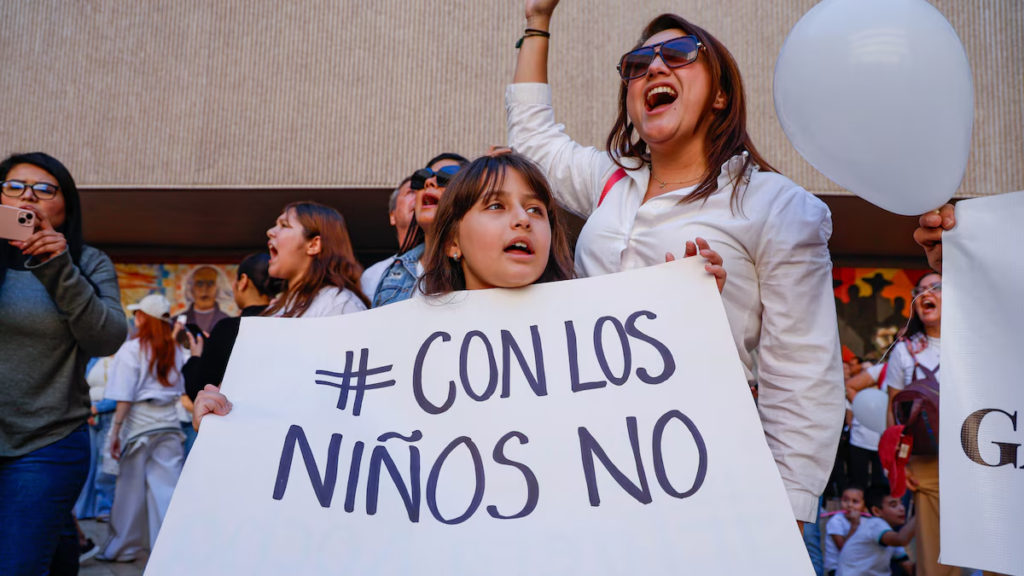
A common feature of these protests is their growing distrust of state institutions. Although formal channels of participation exist, such as elections and consultation mechanisms, broad sectors of the population perceive that these instruments do not influence public decisions. Hence, the streets remain a central space for political expression.
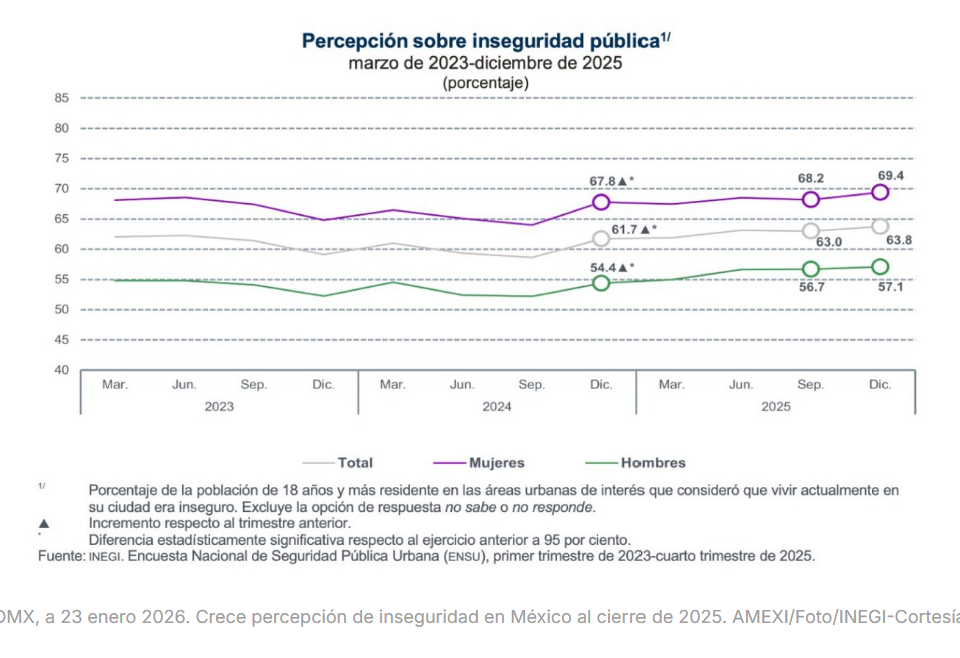
Social discontent is reflected in the polls. These indicate a rejection of policies regarding security, education, health, labor, and rural areas. The popular perception has taken hold that public policies tend to favor members of the elite at the expense of the general population. What the polls do confirm is the growing discontent sweeping Mexico, with its burden of social frustration and rising violence.
@rpascoep
Further Reading: