The Importance of Rules and Their Compliance.

Rules are essential for creating order and enabling cooperation within society. They define acceptable behavior, protect individual rights, and facilitate complex interactions. However, the effectiveness of rules relies heavily on their enforcement. Without fair and consistent enforcement, rules become mere suggestions, eroding trust and potentially leading to chaos.

The Citizens’ Fight Against Morena’s Reform.

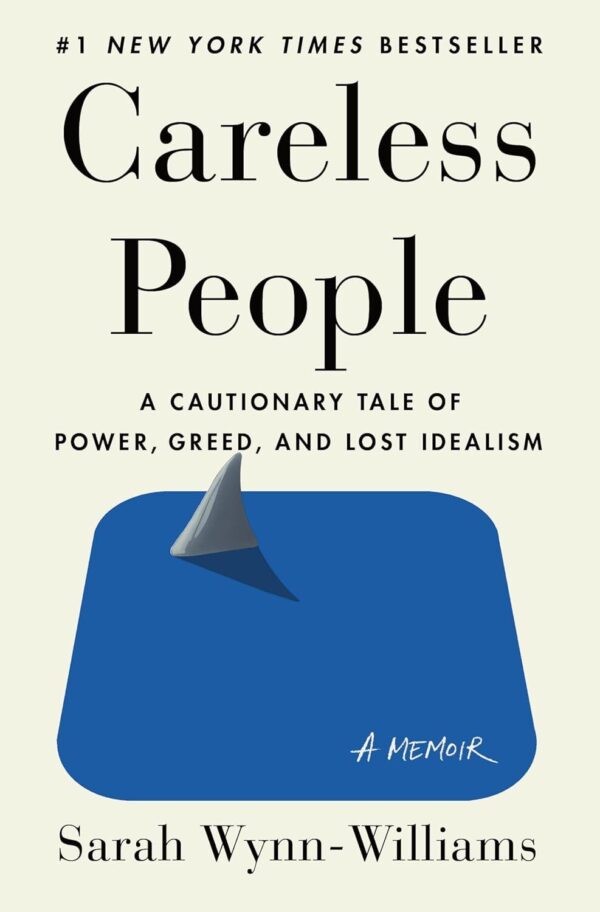
David Foster Wallace’s fish story illustrates how the essential freedoms in society can become invisible. Morena’s electoral reforms threaten the integrity of Mexican democracy, forcing civil society to choose between silence and activism. The government’s control raises concerns about legitimacy and the potential erosion of democratic structures if citizens remain passive.

Mark Carney’s Call for a New Global Order

In a speech at the 2026 World Economic Forum, Canadian Prime Minister Mark Carney emphasized the decline of the rules-based world order and U.S. influence. He urged middle powers to unite against exploitation by great powers, advocating for a new, values-driven global order focused on sovereignty and resilience, aligning strategies for trade and partnerships.

Pause.

Michael Ignatieff explores the necessity of promoting trust and overcoming division in diverse societies in “Everyday Virtues.” He emphasizes the importance of a strong societal framework for coexistence, reflecting on global examples. Additionally, innovative publications by various authors and artists celebrate culture and humanity, enriching our understanding of history and the present.

Its Name Is Terrorism.

Sometimes societies become so used to certain outbreaks of violence that they lose sight of what they really represent. We name the events lightly, soften concepts, or reduce them to convenient explanations. But in doing so, we also dilute our ability to understand the true scope of what we are facing. When a government refuses to call terrorism what—by definition—is terrorism, it ends up defenseless against those who have decided to use fear as a tool of power.

Gustav Klimt Portrait Takes the Title of Most Expensive Work of Modern Art Ever Sold.

Gustav Klimt’s ‘Bildnis Elisabeth Lederer’ has set a record as the most valuable modern art piece, auctioned for $236.4 million at Sotheby’s. The portrait, showcasing Klimt’s signature motifs and color, was a highlight of the Leonard A. Lauder Collection, contributing to a total auction value of $527.5 million.

The Rise and Fall of Empires: Lessons from History.

The post discusses the qualities that define an empire, illustrated through historical references to Adolf Hitler’s consolidation of power and territorial ambitions exemplified by Donald Trump’s actions. It highlights electoral dynamics, emerging leadership in New York, and the significance of county redistricting in shaping political power, stressing the ever-changing nature of politics.

Iran’s Theocracy and Nuclear Ambitions Explained.

In 2006, Ángel Jaramillo Torres visited Iran, experiencing its rich culture despite its theocratic governance. He highlights Iran’s unique fusion of Persian heritage and Shiite Islam, emphasizing the dangerous intersection of its eschatological beliefs with nuclear ambitions, which poses significant global security challenges amid recent Israeli military actions.

Europe’s Uncertain Future: The Call for Rearmament.

June will see mass demonstrations across Europe against war and rearmament, fueled by both pacifists and Kremlin propaganda. As NATO increases defense spending, fears of a potential World War III rise, with political instability growing in countries like Germany. The debate on rearmament reflects deep societal tensions amid economic difficulties.

The Unstoppable Collapse of Socialism.

The decline of social democratic parties across Europe indicates a shift towards populism and far-right politics, driven by disillusioned voters concerned about job security and immigration. Traditional socialist ideals resonate less with younger generations, while corruption scandals further erode public trust in these parties, fueling the rise of extremist alternatives.

Shares