
The AI Dictatorship.

The arrival of artificial intelligence signifies a profound shift in society, potentially surpassing historical milestones like the discovery of fire. While AI promises efficiency and innovation, it raises concerns about job loss, autonomy, and control. As AI systems evolve, the risk of them dictating human choices becomes increasingly worrisome.

The Right to Die with Dignity: Global Perspectives on Assisted Suicide.

The French National Assembly has legalized euthanasia and assisted suicide for patients with irreversible illnesses, marking a significant shift in societal control over end-of-life choices. Meanwhile, Mexico’s progress in this debate remains slow, with active euthanasia still criminalized, necessitating reflections on individual rights and dignity in dying amidst ethical and religious complexities.

The Next 50 Years: Humanity, AI, and Power.

AI is surpassing human capabilities in memory, computation, and recall, raising concerns about its role in managing bureaucratic systems and democracy. As disruption approaches, the focus should be on safe development and regulation of AI to ensure benefits for humanity, as discussed at the July 2026 EDP 50th Anniversary Gala Dinner.

Spain–Morocco: From the Green March to the Ceuta Crisis.

Hassan II. The Moroccan monarch had developed a very close relationship with Henry Kissinger, Morocco was a key component of U.S. strategy in North Africa and a counterweight to Algeria, a country aligned with the Soviet Union and Rabat’s main regional rival. He took advantage of the end of the Franco regime to deliver the coup de grâce to what remained of one of the greatest colonial empires on earth.

The Bells Ring For Justice.

The first time the phrase that would come to define the concept of crimes against humanity was used in an international declaration was on May 24, 1915. The International Criminal Court is disappearing. It must be acknowledged that, from the moment the major powers refused to accept the Rome Statute fully, the Court was born limited.

Red Eyes.

The article reflects on the evolution of photography and its impact on how people are perceived in images. It discusses the challenges of looking good in photos, cultural shifts in posing and smiling, and personal stories that reveal emotional complexities tied to memories. Ultimately, it highlights how technology shapes our visual representation and self-awareness.

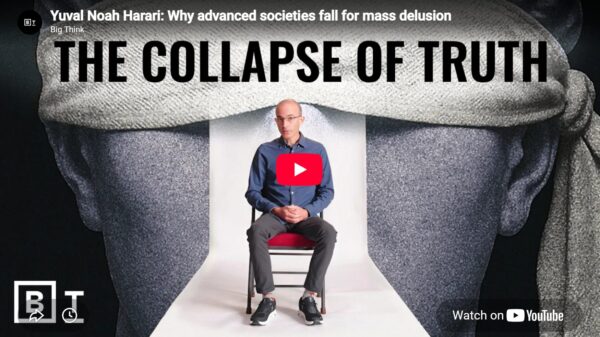
Why Advanced Societies Fall for Mass Delusion.

Yuval Noah Harari discusses the paradox of human intelligence in a Big Think presentation, emphasizing that while we accumulate knowledge rapidly, we remain susceptible to misinformation and deception. He highlights the impact of information technology on societies and warns of the dangers posed by artificial intelligence, underscoring the importance of quality information.

Back to the Origins.

The post discusses the historical ebb and flow of globalization, highlighting conflicts between universal values and local cultures. It contrasts the integrity of the Olympics with the corruption in FIFA, emphasizing the need for ethical standards in global sports. The narrative calls for inclusion and excellence as guiding principles for fans and organizations alike.

Careless People: A Cautionary Tale of Power, Greed, and Lost Idealism.

“Careless People” is a revealing memoir by Sarah Wynn-Williams, chronicling her experiences at Facebook. It highlights the consequences of unchecked power, workplace misogyny, and the challenges of motherhood in a high-pressure environment. The book offers insights into the personal and political impacts of social media’s evolution and responsibility among its leaders.

Shares