Federico Reyes Heroles
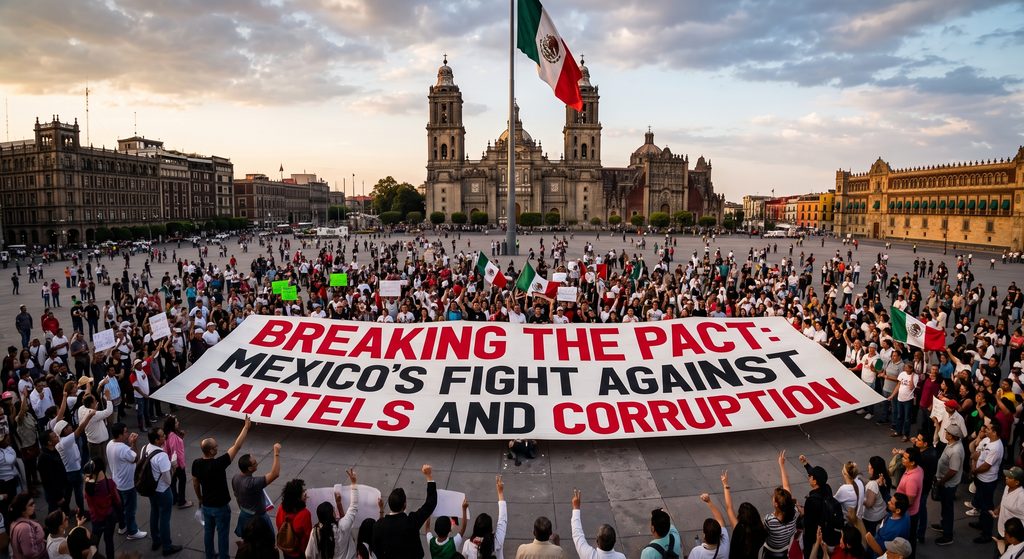
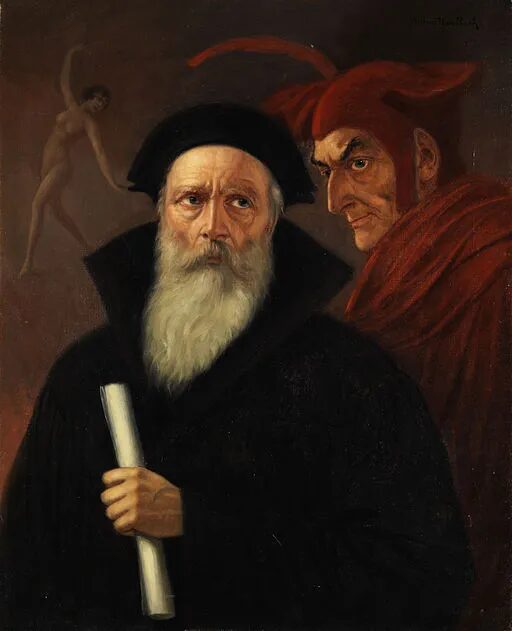
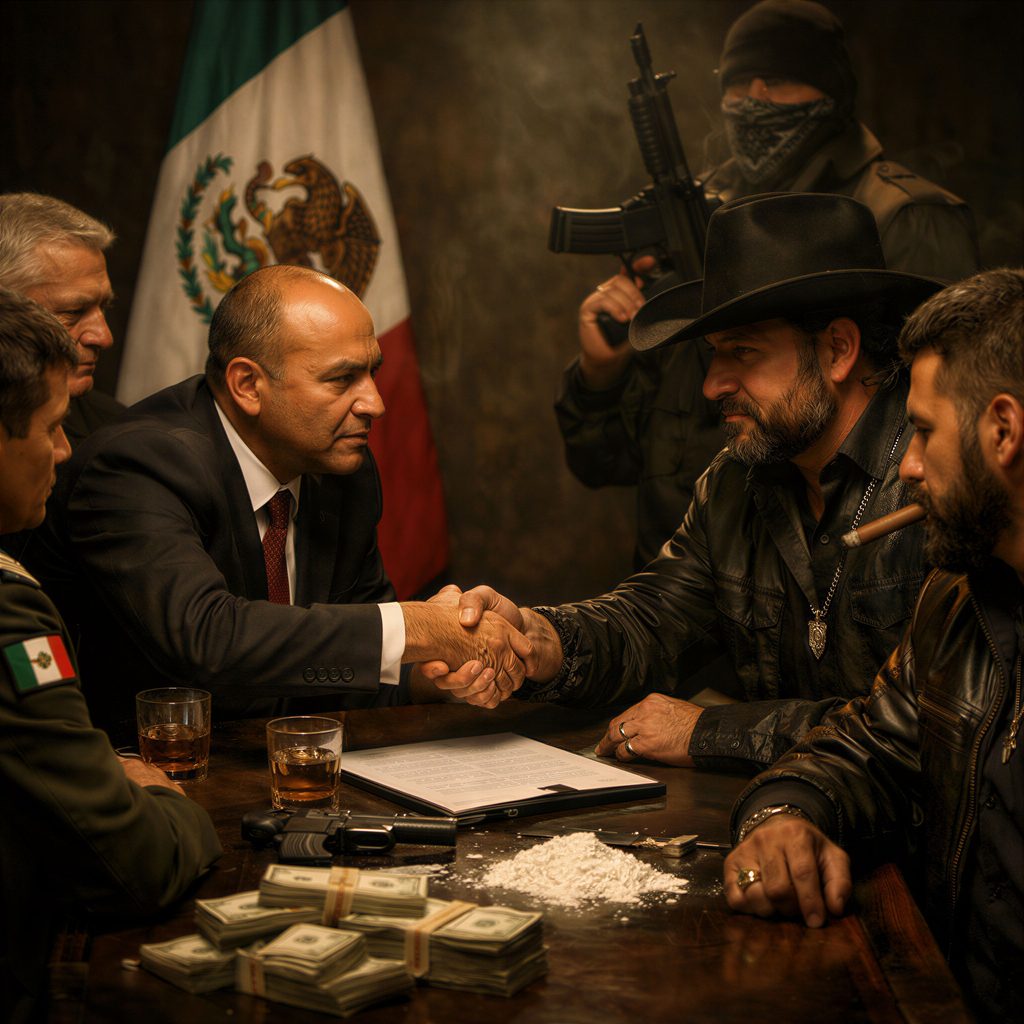
The word “pact” evokes both hope and fear. The Treaty of Versailles brought an end to World War I, but in the end, it was imposed. “Pact” is often used as a synonym for “agreement”: to make a pact = to agree. The major Bretton Woods agreements, which established a new order for global coexistence through the UN, UNESCO, FAO, WHO, and WTO, were also a global pact. But pacts also have a mythical and dark side, many of which are recounted in the Bible and refer to the forbidden fruit or the Mosaic Covenant established on Mount Sinai, from which the Ten Commandments emanated: a blessing for those who obeyed and punishment or captivity for those who disobeyed. The matter becomes more complex because of the popular “pact with the devil,” or Faustian pact, which has inspired tales and legends. In Goethe’s *Faust*, Faust makes a pact with Mephistopheles to prolong his life. That is why the term “pact” often refers to shadowy realms that cannot be made public.
That is why many people, including Marco Rubio, have publicly stated that sending potential drug lords to the United States is very helpful, but it is not enough; what is required is for the Mexican government to send clear signals that Mexican authorities have broken their pact to protect the drug lords and the cartels. A few days ago, at the 40th International Narcotics Control Board meeting, the director of the DEA described Mexico’s Secretary of Public Security as “a trusted partner and good friend of the United States.” This public praise does not contradict Marco Rubio’s demands: clear signs that they have broken—or are breaking—with the pact.
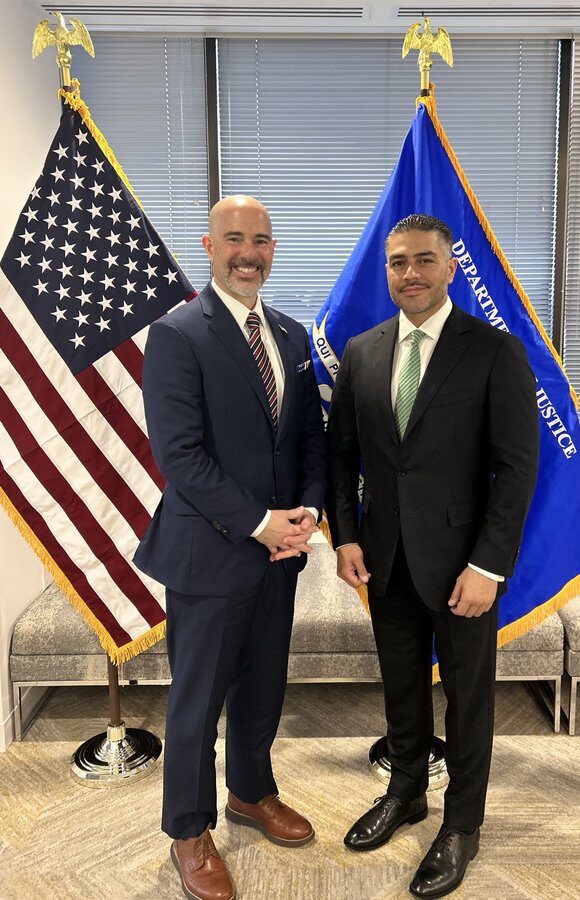
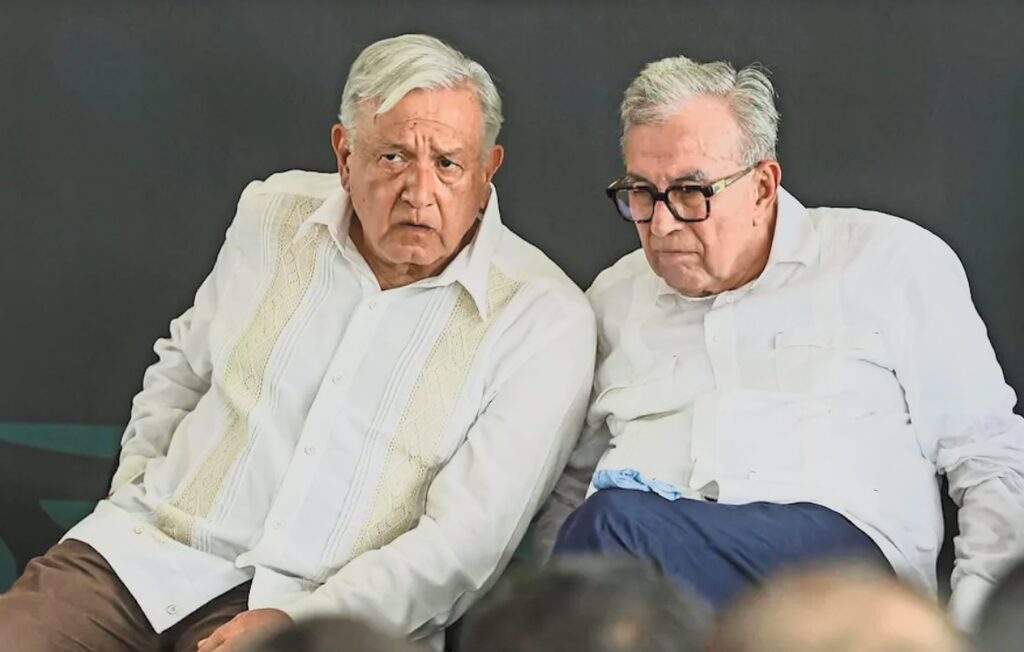
The shameful farce involving Rocha Moya and the President’s initial protective stance toward him—or Andy’s megalomaniacal letter to Trump protesting the revocation of his visa—are examples of just how far this break should go. But that clear and forceful political signal from Sheinbaum has not materialized. Could it be that she cannot, or will not? It’s one thing to send known members of the mafia, who represent a vast trove of information currently being processed—information involving drug traffickers and politicians whom, apparently, Sheinbaum doesn’t want to touch. She often repeats that Mexico’s best interest is independence, and she’s partially right. But that independence inevitably requires confronting the politicians and businesspeople who collaborate with drug traffickers. The same person—Terry Cole—who praised García Harfuch also said on the same international panel that high-ranking Mexican officials protect the CJNG and are therefore on the priority list. “In the recently declassified indictment, we see government corruption in Mexico involving high-level officials who work directly with the cartels.”
The conclusion was crystal clear. When asked whether there would be unilateral U.S. operations on Mexican soil, Cole replied: “Well, I’d have to refer that to the President of the United States. As far as that goes, we take our instructions from the President… Whatever his orders may be, we will carry them out.” Could it be any clearer?
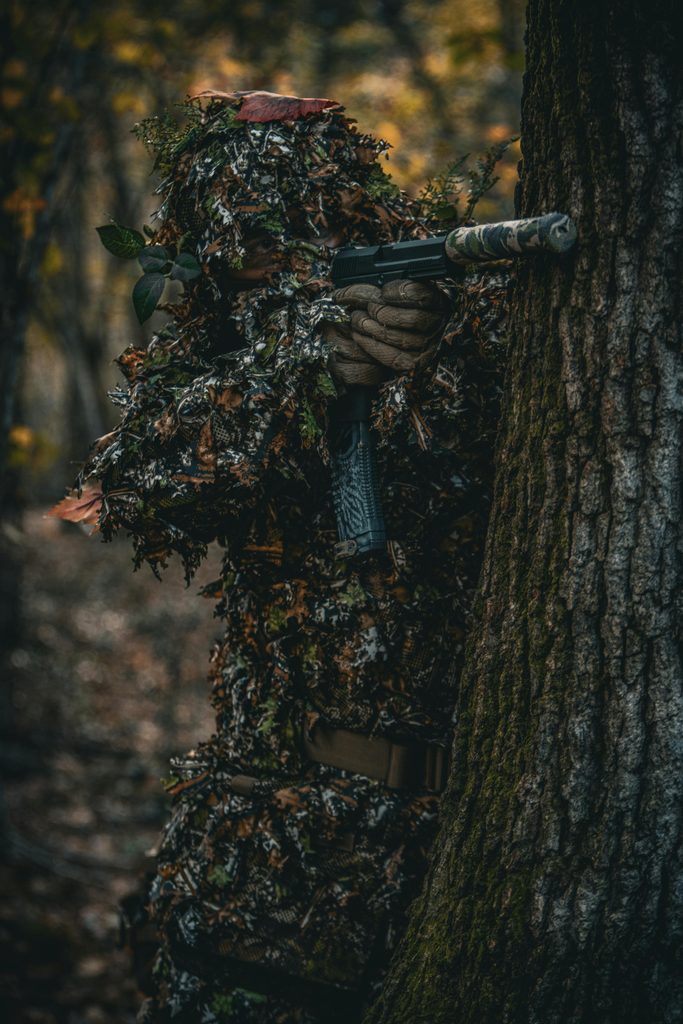
If Sheinbaum truly wants to protect our sovereignty, she must accept that the pact existed and continues to exist. And that this lack of clarity could cost Mexico dearly in our relations with the world. Let’s imagine that, two years into her administration, she denies the existence of the pact, denies the facts, and every day we become more vulnerable to having the President of Mexico viewed as part of the pact. A third of her term has already passed. She faces midterm elections in which the issue of protecting drug traffickers and their associates is becoming increasingly evident. How can this massive web of corruption be dismantled? First, by exposing the numerous underground ties equivalent to those of Mexicans in the U.S.—case by case, one by one—and, as she herself has said, no matter who falls.
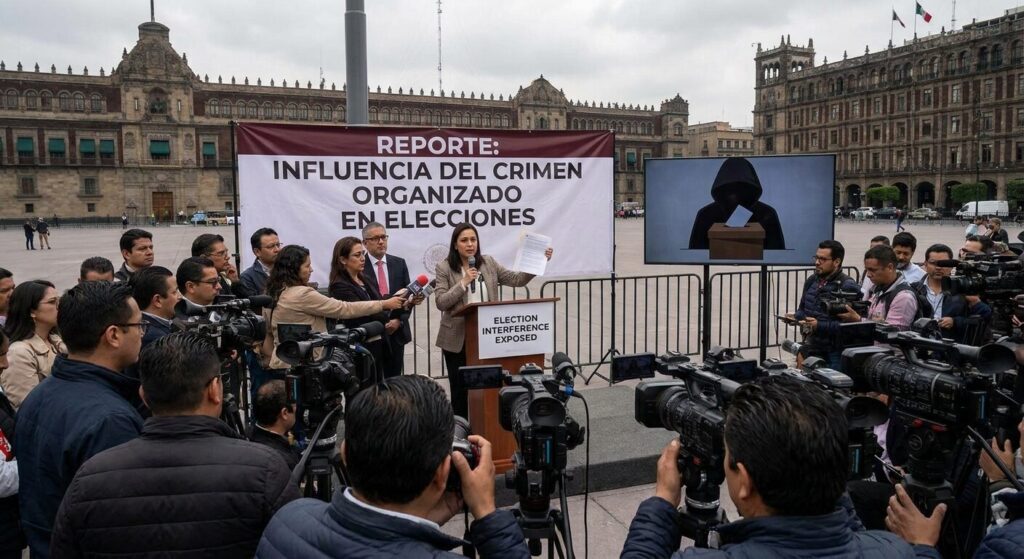
Why defend the indefensible? How can it be explained?
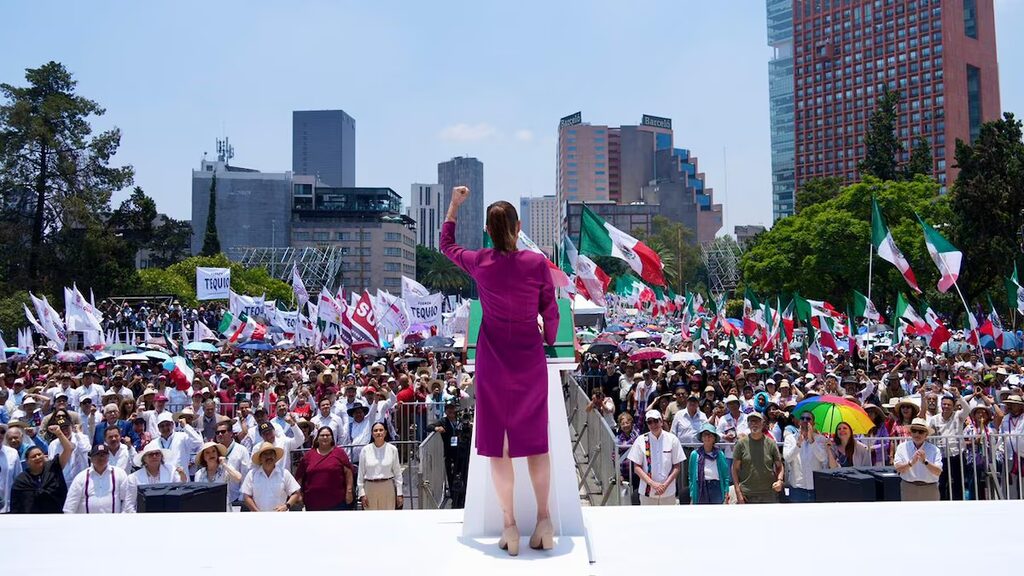
There is a pact.
Further Reading: