
Federico Reyes Heroles
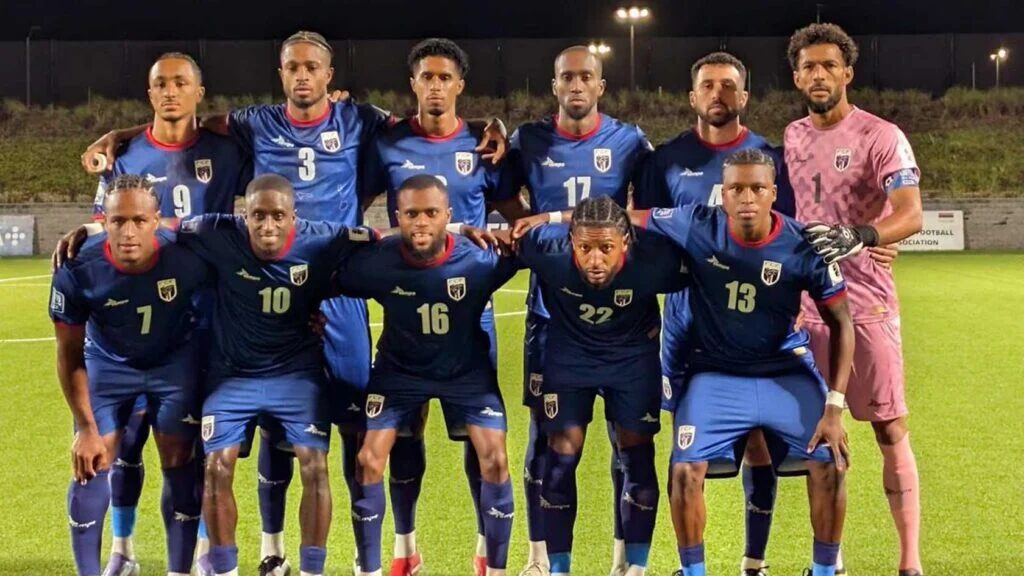
The game is over—the one on the field. Surprises? A few: a better team, true globalization, new competitors, and very small countries teaching lessons to the former empires that once dominated them. With far fewer resources, they achieved their own moments of glory. We made progress on the field, but not off the field.
Johan Huizinga was a brilliant Dutch historian and philosopher who, in 1938, published a book that revealed a facet of humanity that had remained in the shadows: the term Homo ludens, the playing man. Of course, he contrasted this thesis with Homo sapiens and Homo faber. Homo sapiens offered us many surprises in our capacity for inventiveness and in the development of science—which no other species could come close to matching—yet it was the same species that had unleashed the horrors in the Congo and during World War I and World War II. Homo faber was not only capable of thinking but also of creating. That is why the Miguel Ángel Foundation was established to promote creativity and craftsmanship. But of course, the flip side of the coin was the alienation caused by the various industrial revolutions.
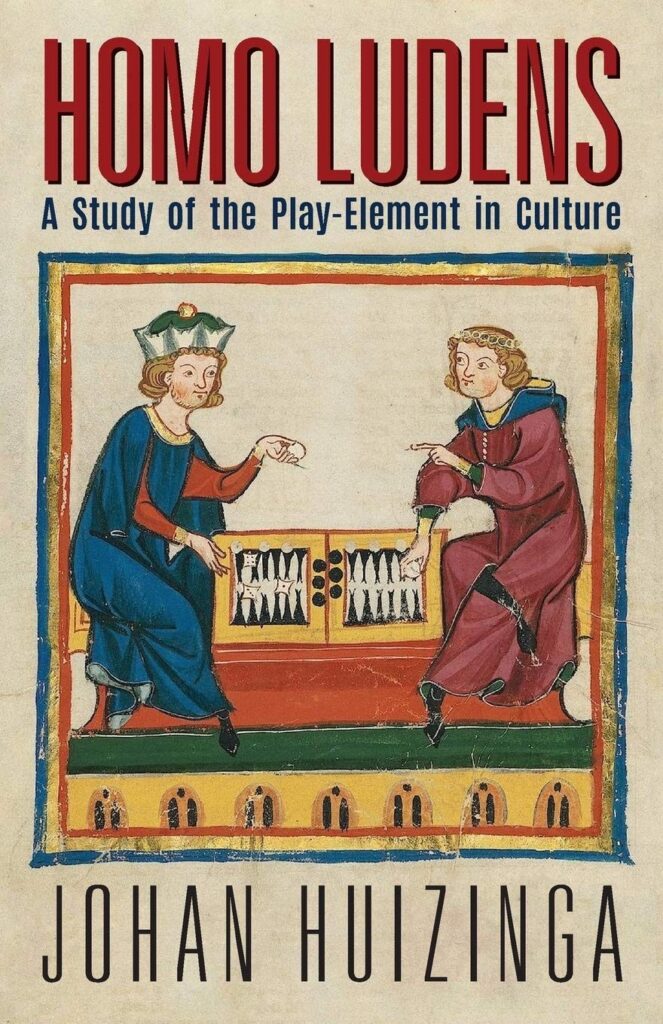
Max Frisch, a highly influential Swiss writer, published a gripping novel in 1957 that blends the alienation of a brilliant engineer with love: *Homo faber: An Individual Case*. Huizinga takes a different approach, discussing the human being who has played since time immemorial. We have always played and invented games with mud, with tree branches, or with the world’s greatest toy—the ball—which our pre-Columbian ancestors placed above life itself (I recommend the excellent exhibition by Annie Leibovitz, curated by Pablo Ortiz Monasterio, at the fantastic Museum of Anthropology—further proof that even before the 4T, Mexico was capable of thinking big).

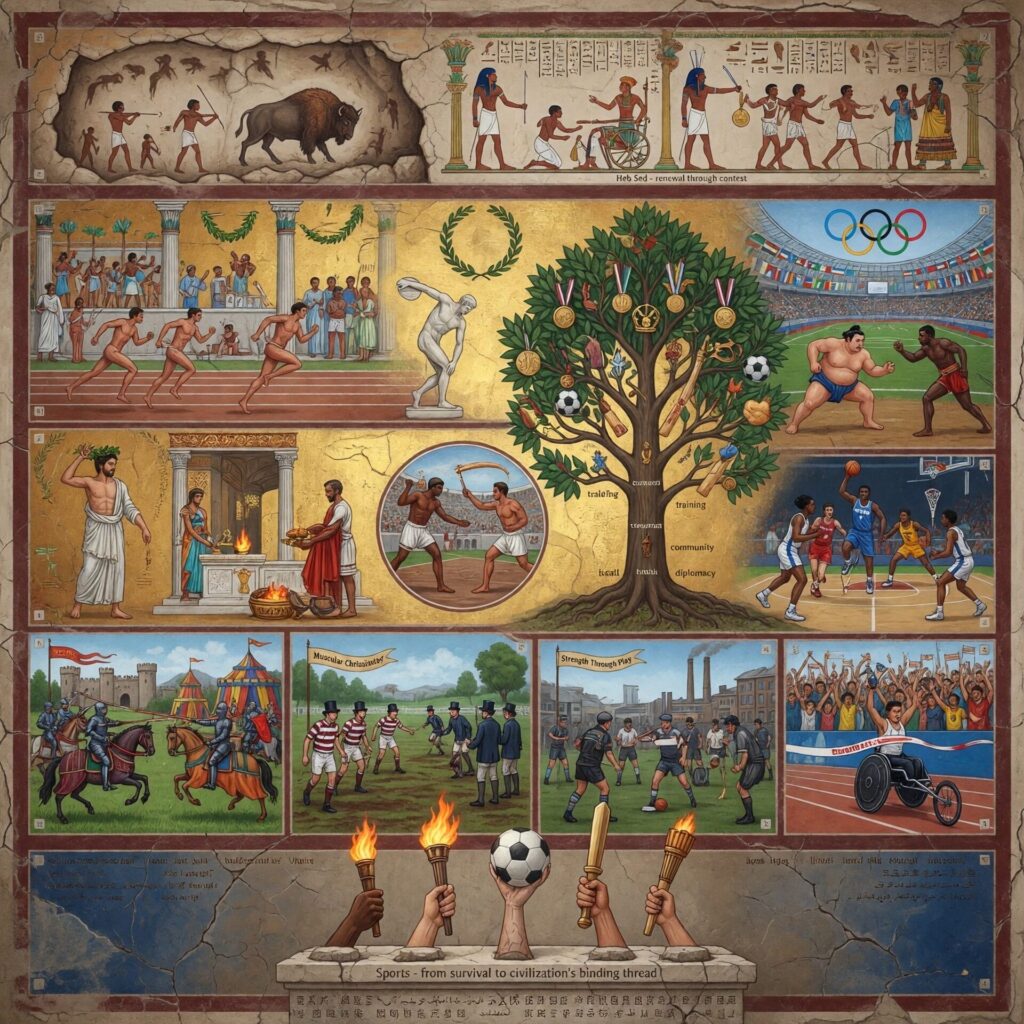
But let’s return to Huizinga; his central thesis is that play—whatever form it takes—can in and of itself be a major civilizing force. The establishment of rules that must be followed, the role of a referee, linesman—a great performance by the Mexican referee, by the way—who acts as a judge who, professionally, makes a decision based on agreed-upon standards—all of this amounts to a civilizing exercise on a grand scale. Today, there is a growing pedagogical movement highlighting the significant impact that play has on the educational and intellectual development of very young children.

Soccer has surpassed the Olympics in popularity, thanks to the billions of fans who follow it. Mexico has had the rare distinction of hosting the World Cup three times. The impact on our society is captured in a splendid temporary exhibition at the CIESS (Inter-American Center for Social Security Studies) in San Jerónimo, which is part of the IMSS. Yes, soccer changes societies, but we must ensure it represents a step forward for civilization that extends beyond the field—one reflected in how citizens live together. In 2026, the exact opposite occurred.
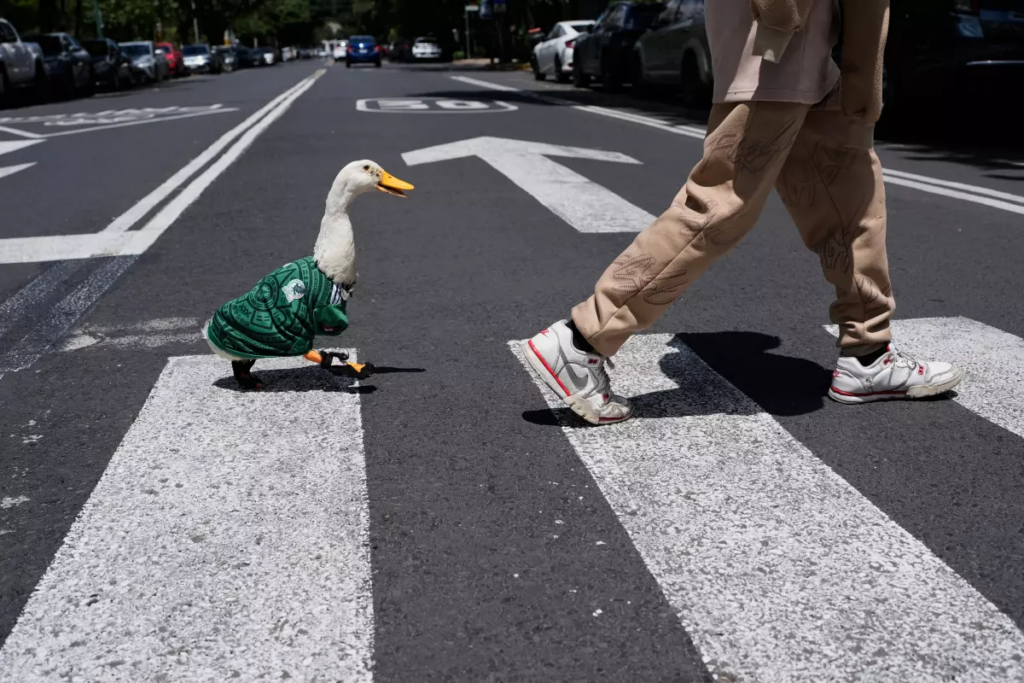
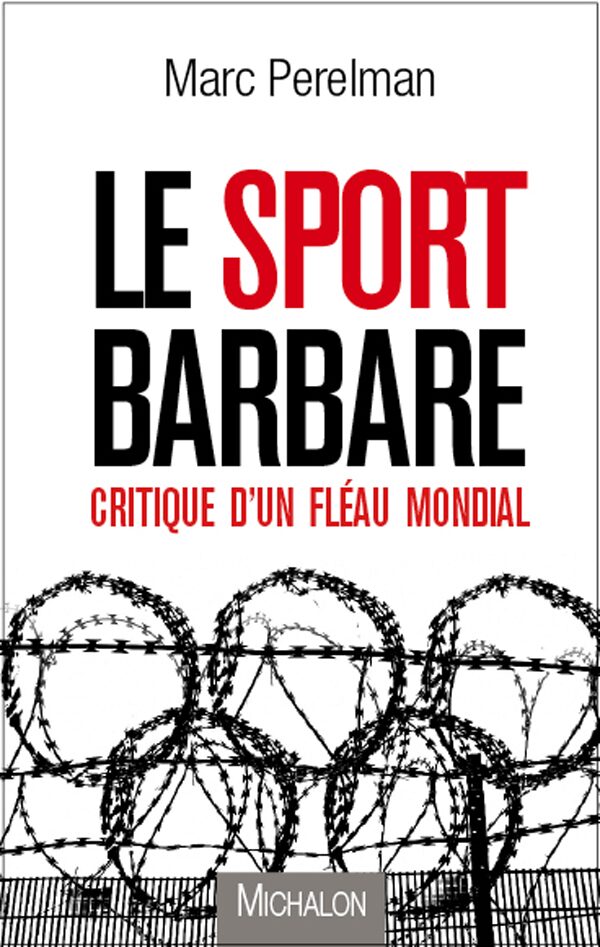
Marc Perelman, a French architect, has written Le Sport Barbare ( Barbaric Sport), about what he calls a “global plague.” The explosive mix of sports, the media, and spectacle produces herd-like masses, xenophobia, violations of citizens’ basic rights, classism, hatred, violence—especially against women—harassment, groping, and more, all under the guise of a pseudo-nationalist frenzy that supposedly unites us. The most serious issue is the justification for this frenzy, which is not unique to Mexico but, in our country, takes on dimensions that inspire fear. The German language has the term *entfremdet*, which, loosely translated, means “to become someone else”—“social alienation,” as dictionaries put it—and “alienated” is the applicable term.
Another World Cup here? Unlikely. But we’ll see plenty of games. I think it would be very helpful if, just as we’ve embraced soccer passion as something deeply our own, we made an effort to be self-critical of the barbarism that we, too, carry within us.
Further Reading: