
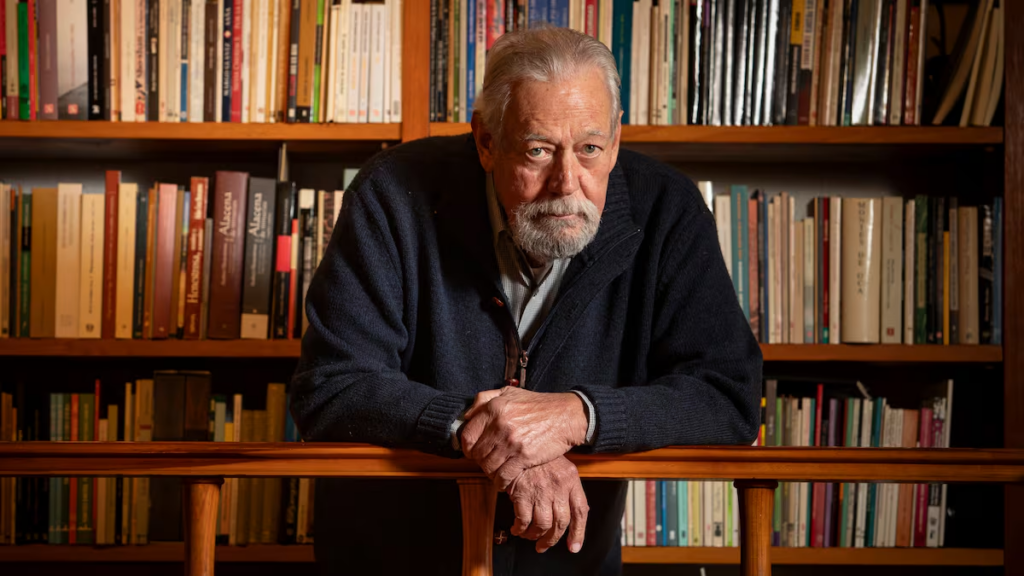
Federico Reyes Heroles
The first thing I remember about him is seeing him walk into the Justo Sierra Auditorium, which vandals had overrun for years. The legendary figure of Julio Cortázar accompanied him. Gonzalo Celorio, the much-loved professor at the School of Philosophy and Letters and a profound connoisseur of the Argentine-French writer’s work, would introduce him. Cortázar had just returned from a trip through Nicaragua, which had ousted Somoza. He read excerpts and notes that would later be formally published. In those years, La Maga, the central character of *Rayuela*, traveled with many, tucked under their arms, hidden, fleeting, within the pages of the well-known black edition published by Editorial Sudamericana.
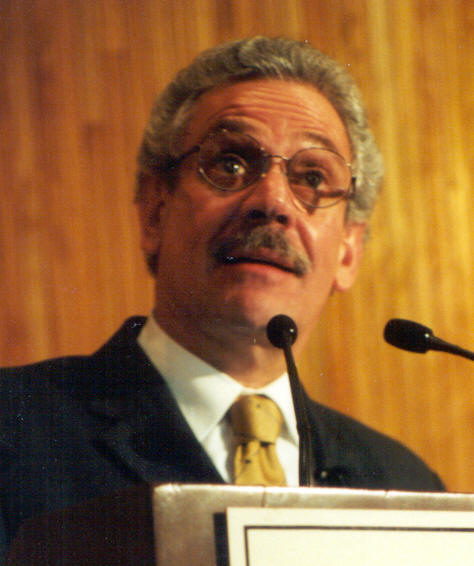
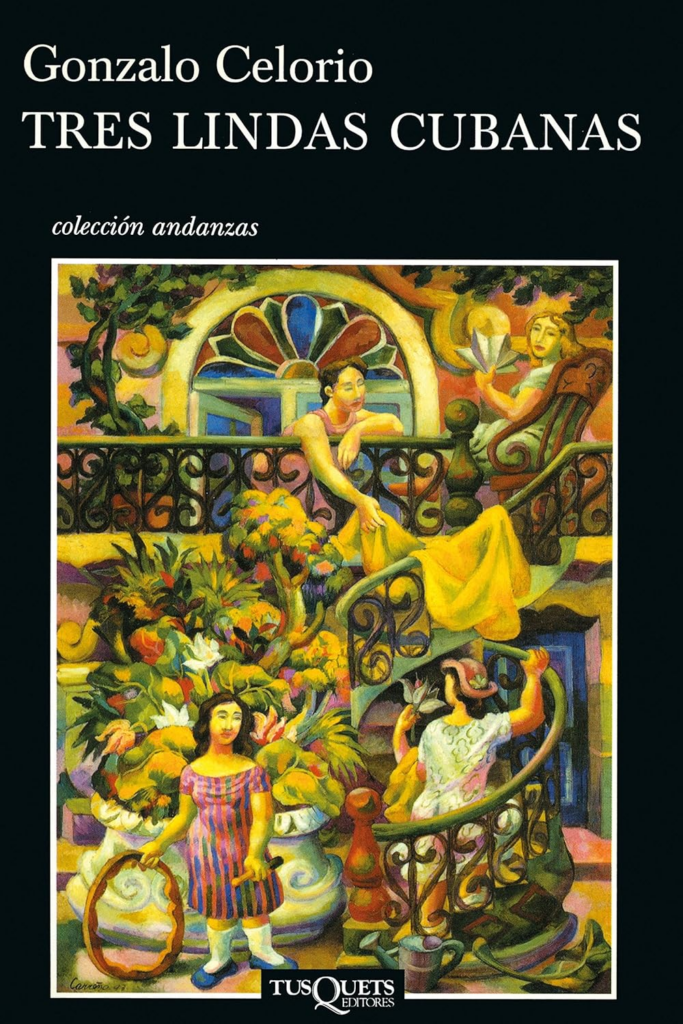
University life, but above all, literature, would bring us together. From then on, Gonzalo devoted himself to language, to Spanish, which he has always explored and nurtured, not only in its written form but also in its spoken form. Gonzalo uses every word with great zeal to achieve the greatest possible precision, drawing on his vast memory, whether from Góngora, Quevedo, or contemporary authors. Thus began the parade of his works in my life—whether *Amor propio* or *Tres lindas cubanas*, or *Y retiemble en sus centros la tierra* or *El viaje sedentario*. In his works, the setting is our country, our city, the Universidad Nacional Autónoma de México (UNAM) itself. The central axis is his own family biography, with migrations from Cuba, Nicaragua, the United States, and, of course, Mexico. Delving into his own and others’ memories, such as the beautiful little book dedicated to Rosa Seco and Eulalio Ferrer, with the heart-wrenching title Un río español de sangre roja. Offering his life as narrative material introduces a reality—sometimes painful, very painful—but one that, when told, shakes the very depths of our being. Because everything is real, because it is his life with the wounds it has inflicted upon him, which he lays bare without reservation.
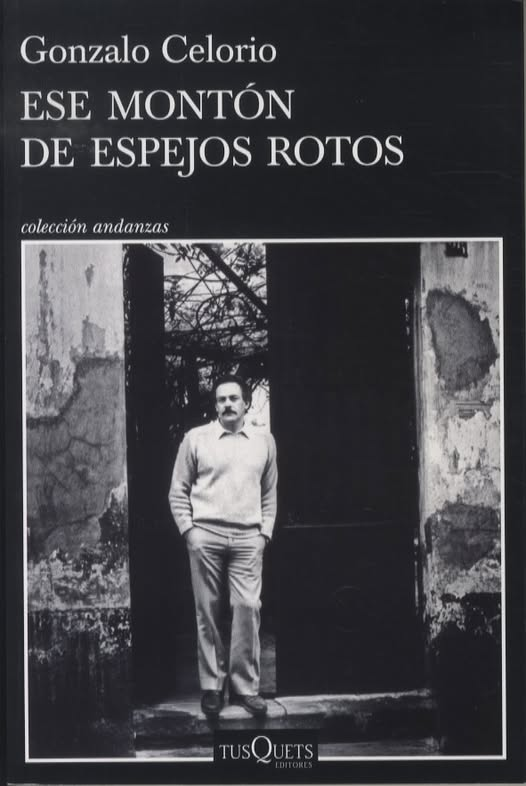
His work continued to grow with *Mentideros de la memoria* and *Ese montón de espejos rotos*, always guided by his great editor Beatriz de Moura, who recently passed away, the great editor of Tusquets. A highly popular teacher and brilliant essayist, as demonstrated in *La épica sordina* and *Cánones subversivos*, Gonzalo has made time in his life to be a great cultural promoter, especially within the UNAM, but also at the School of Fine Arts and the Fondo de Cultura Económica (FCE). To the envy of many, administrative work—such as heading the Faculty of Philosophy and Letters or coordinating cultural outreach—did not conflict with his creative output. And of course, the awards began to pour in: the Xavier Villaurrutia Prize, the National Prize for Science and Arts, the Mazatlán Prize for Literature, the Prize for Cultural Journalism, the National Novel Prize, and the Prix des Deux Océans.
But Gonzalo continues to walk through life as the affable, good-humored man, the joker, the excellent bartender—his specialty is martinis—the captivating conversationalist who accompanies his words with the gaze of his unforgettable light eyes. Open to everything, he has continued writing—that is his life—producing, analyzing the work of colleagues and friends, or non-friends, as he does in *Del esplendor de la lengua española*. Holding a seat in the Academy of the Spanish Language—which he now presides over with energy—was an inevitable destiny for the author of *El surrealismo y lo real-maravilloso americano*, from the mid-1970s, a classic.
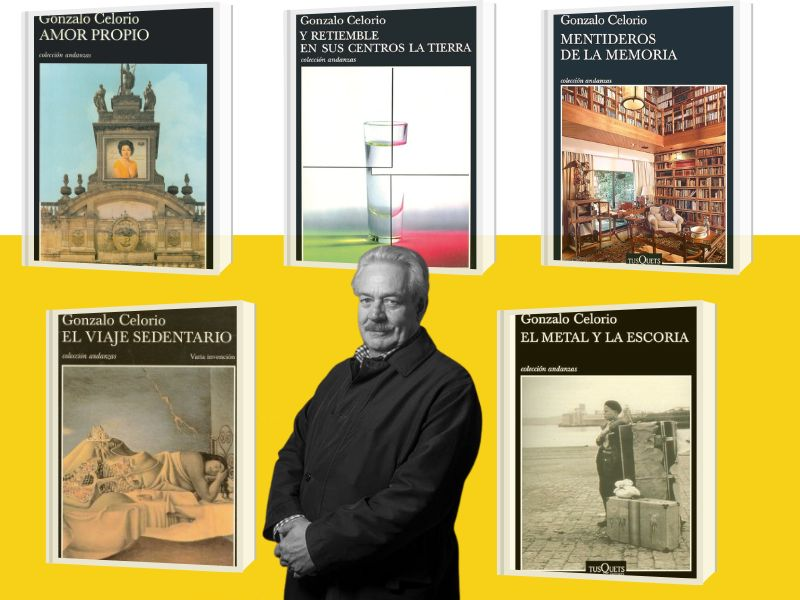
But life remained the axis of his work: De la carrera de la edad, in two volumes, or his tribute in a beautiful little book to Luis Rius, Sergio Fernández, and Edmundo O’Gorman, titled El alumno, or De la vejez. El invierno tan temido.

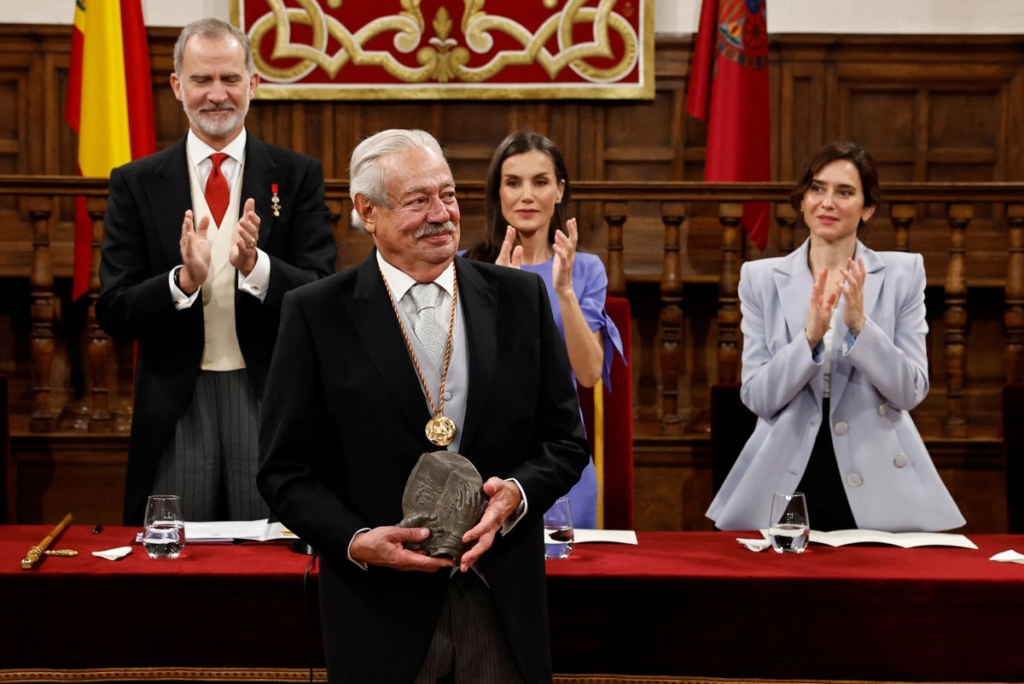
I see him receiving from King Felipe VI the highest honor in the Spanish language, the Cervantes Prize, and I think that this battered, mistreated country has in Gonzalo Celorio an ethical role model, a testament to moral integrity, dedication, and professionalism, which should inspire young people, to whom Gonzalo has devoted so much time.
Because greatness is built, not a divine gift, and he achieved it.

Further Reading: