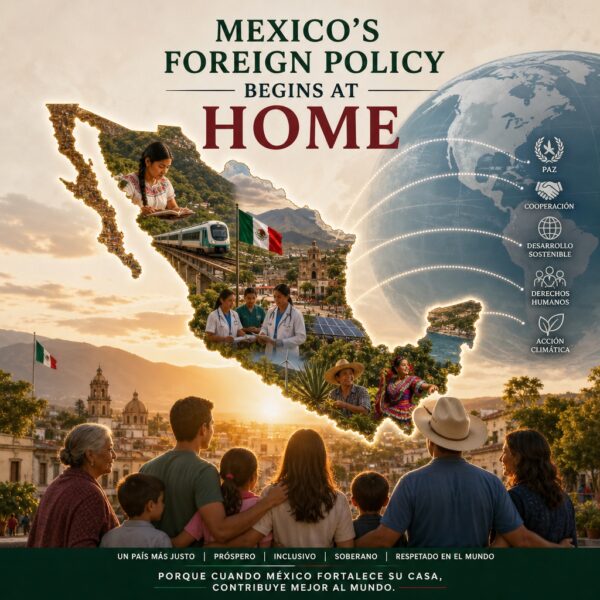
Foreign Policy Begins at Home.

The article discusses Mexico’s shifting diplomatic strategy under its current government, which has retreated from its historical active participation in international forums. It highlights the importance of a diversified foreign policy to reduce dependence on the U.S. and engage with like-minded nations, while criticizing the current government for prioritizing ideological preferences over strategic interests.
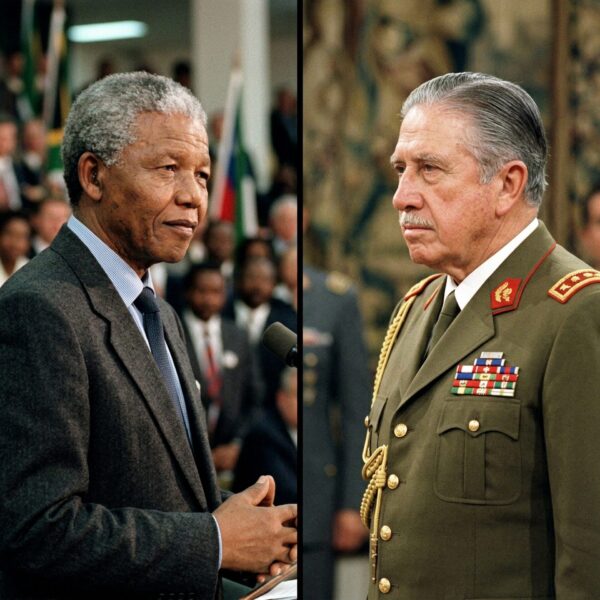
Mandelas or Pinochets?

In 1986, the UN declared it the International Year of Peace. To mark the occasion, Santiago Genovés, the brilliant anthropologist of Spanish origin, brought together fourteen experts on the subject to draft what came to be known as The Seville Manifesto, which was adopted by100 scientific societies. Let’s take UNICEF’s proposal seriously; let’s invest in it to ensure more Mandelas and fewer Pinochets.

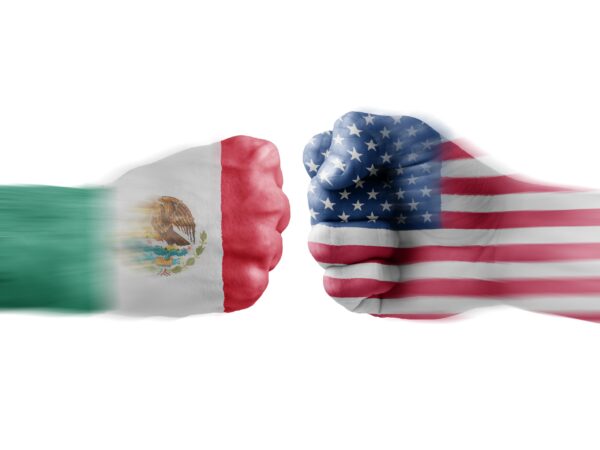
Luis Maizel’s Monthly letter: Where did the U.S.-Mexico relationship begin to deteriorate?

The content discusses strained U.S.-Mexico relations, economic pressures from the U.S., and the impact of recent political actions on both countries. It analyzes Mexico’s economic growth, challenges including low consumer confidence, and the potential crisis in its Social Security fund. Global economic trends and developments in other nations are also outlined.

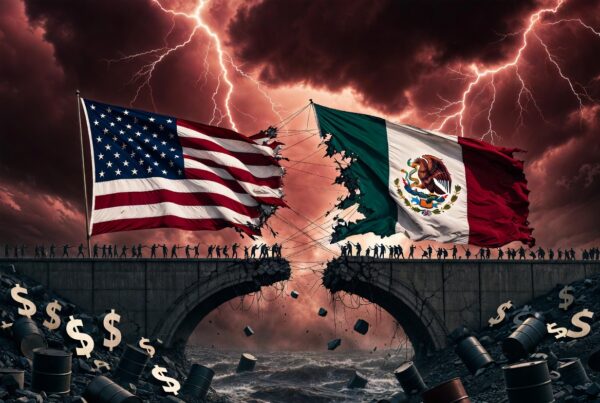
The Deteriorating U.S.-Mexico Relationship.

The 4T government views Trump’s Mexico policy as election-driven, believing subsequent political shifts will favor Mexico post-elections. It resists U.S. demands while addressing internal corruption concerns and electoral anxieties. Increasing tensions signal that U.S.-Mexico relations may worsen beyond November, particularly with potential implications for the 2027 elections.

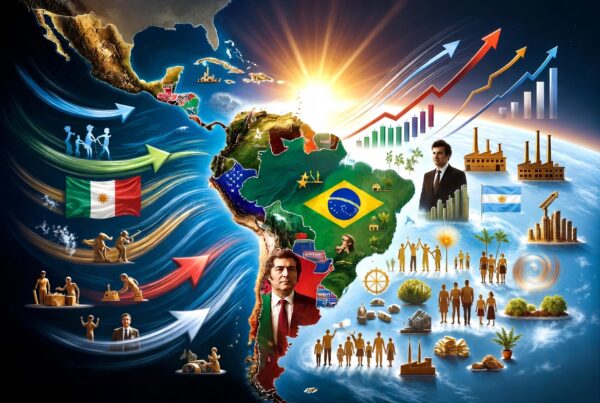
Latin America Is Shifting To The Right.

The potential election of Abelardo de la Espriella as president of Colombia signals a significant rightward shift in Latin America, exacerbating political polarization and authoritarianism. The failure of leftist governments to implement effective policies and address issues like crime and corruption has facilitated the rise of radical right leaders across the region.

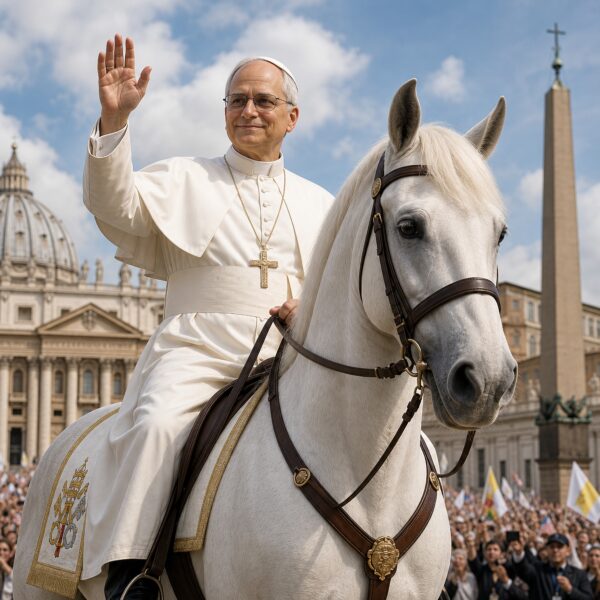
The Pope Rides Again.

Vincenzo Gioacchino Pecci, elected as Pope Leo XIII, symbolizes the Catholic Church’s transformation from a persecuted faith to a political powerhouse post-Constantine. The Church, facing modern crises, seeks renewed moral authority through Pope Leo XIV’s focus on contemporary issues like artificial intelligence, war, and societal polarization, emphasizing human dignity.

Interference, Morena-style.

Claudia Sheinbaum’s recent speech emphasized Mexico’s sovereignty amid U.S. accusations of drug trafficking links with her party, Morena. She criticized U.S. legal actions, asserting they aim to interfere in Mexico’s electoral processes. Despite calling out U.S. interventionism, her administration has financially supported political projects in other Latin American countries.

Luis Maizel’s Monthly Letter: The United States, a Polarized Nation in Search of Direction.

The United States is experiencing significant political and economic polarization, impacting domestic policy and international relations. Political divisions hinder unity and progress, while economic indicators present a mixed outlook, with low unemployment juxtaposed against stagnant consumer spending. Globally, instability in Iran threatens oil prices and economic growth.

Youth Challenges in Modern Society.

The text examines the complexities faced by contemporary youth, including the romanticization of youth as a positive force while grappling with issues like unemployment, mental health, and educational challenges. It highlights their frustrations with societal structures and questions the efficacy of youth participation in political movements, emphasizing the need for nuanced understanding and diverse solutions.

Luis Maizel’s Monthly Letter: A World That Changes In A Flash.

The recent attack on Iran eases global tensions, impacting groups funded by the regime. While the U.S. economy shows signs of strength, disparities between social classes persist. In Mexico, significant events like the death of a drug lord and mixed economic signals define the landscape. Global markets face volatility amid geopolitical shifts.

Shares