

This weekend’s attack on Iran removes the sword of Damocles that hung over Israel’s neck and eventually over the entire world, as a fanatical government with values very different from ours and with a combination of transatlantic rocket technology and nuclear capability was a danger to the entire globe. Iran was the main promoter of guerrilla groups in the Middle East and even in South America, and if that source of funding disappears, it is expected that these groups will lose their ability to continue wreaking havoc.
Following the capture of Maduro and now Iran, President Trump has affirmed his position of not allowing anything to affect the United States, and that he would rather not have friendly countries than have to deal with domestic problems.
The U.S. economy remains strong, with a good unemployment report (4.3%) and the creation of 133,000 jobs last month. Inflation of 2.7% was slightly above the central bank’s 2% target, but still relatively acceptable. The ISM report, which tracks production, was quite solid, with the only negative being that producer prices rose well above forecasts. The same report at the global level indicates that the rest of the world is also strong in terms of manufacturing.
The appointment of Kevin Warsh to take over as Fed chairman in May indicates that interest rates will trend downward, which aligns with Trump’s position and should lower mortgage rates and enable more people to buy homes. This is one of the president’s main promises, which in turn led to an initiative to prevent large financial companies from buying homes to rent them out, thus increasing availability for individual buyers. The average sale price of homes fell 0.4% in 2025, and 62% of transactions were made below the initial price sought by sellers (8%), unlike in previous years, when many transactions were made well above the initial price.

The economy remains K-shaped, with the upper and upper-middle classes continuing to spend freely. In contrast, the lower and lower-middle classes remain contracted and see a sharp decline in consumption. The number of Americans working in manufacturing reached its lowest point since the pandemic. Two of the most important reports, the Challenger report on layoffs announced during the month, reached 108,000, and the JOLTS report on job openings fell from 7,250,000 to 6,542,000. Despite these figures, the consumer confidence index is at its highest level in five years. I found it very interesting that stores that sell to the wealthiest consumers are stable, while those catering to popular consumption reflect a shift toward cheaper products. Even PepsiCo, in its Frito-Lay division, lowered the price of the chips it sells by 15% due to lower consumption.
The report on wages and salaries showed a 3.7% increase, higher than inflation, which should favor consumption and the people’s confidence index. It seems that most people do not understand that inflation is not a measure of scarcity but rather of price changes from one period to the next. After years of 8% and 9% under Biden, plus the current 2.7%, we are looking at a cumulative increase of 19% in three years, and people are comparing this with prices at the end of 2022 and feel that their purchasing power is shrinking dramatically.
We cannot ignore the impact that the explosion of artificial intelligence is having, not only on the possibility of a large loss of jobs that will be difficult to replace, but also on the economy. The top five AI companies have announced investments totaling $660 billion, yet have lost $1.5 trillion in market value. There will undoubtedly be winners and losers in the battle to dominate AI, but the losers will never recoup the enormous investment they made. That projected investment is more than double what was spent on the project to reach the moon.
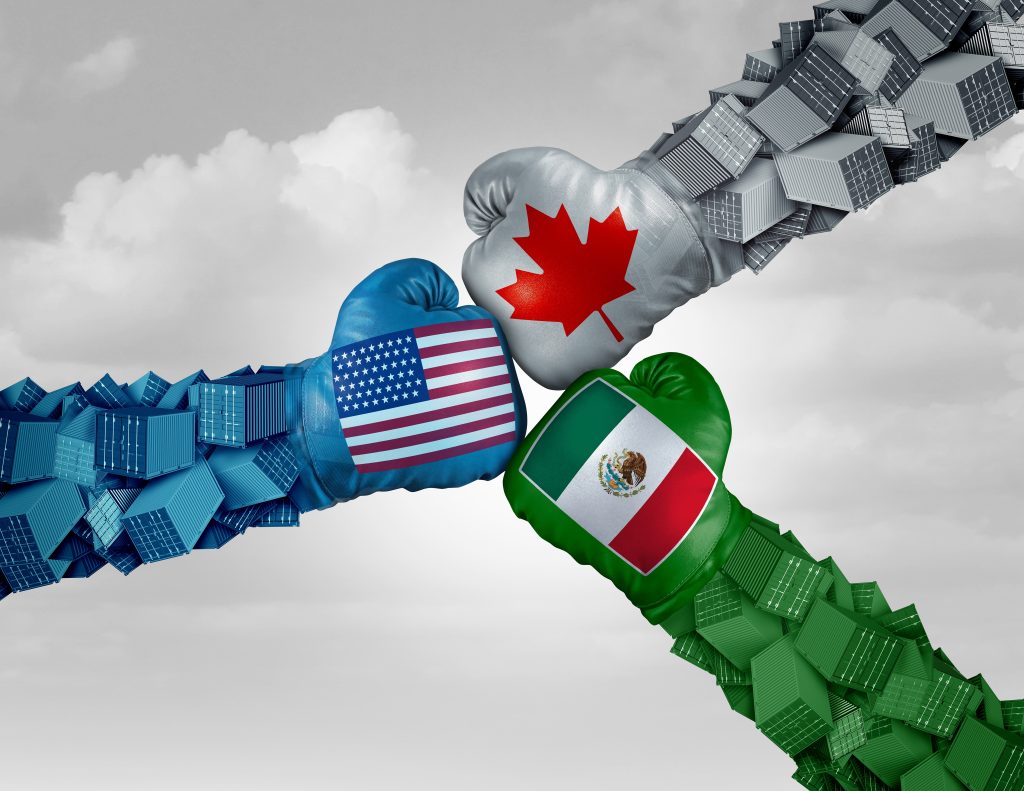
The U.S. Supreme Court’s decision that President Trump lacked the legal authority to impose punitive tariffs has created chaos, as $133 billion has been collected in 10 months, and it will be extremely difficult to recover. Almost immediately, the president imposed a global tariff of 15% under another non-punitive heading that is not covered by the Court’s ruling. As an example, under existing treaties, the total change for Mexico is that everything imported from the United States that was previously taxed at an average of 7.8% is reduced to 6.4%, with a moderate impact. With the rest of the world, the figure goes from 8.8% to 7.3%. It is worth noting that Congress rejected a specific tariff on Canada, thus limiting Trump’s power.
The U.S. trade deficit with China in 2025 was $202 billion, the lowest in 17 years. The countries benefiting from the decline with China are Mexico and Vietnam. The trade deficit reached a record $1.25 trillion, and for the first time in history, more products were imported from Vietnam ($25 billion) than from China. We are seeing a very large U.S. government project to become self-sufficient in so-called rare earths and thus reduce its dependence on China. Investments of $13 billion have been made in Western companies in this sector. A plan was even signed with Mexico to support this program in replacing rare-earth supplies.
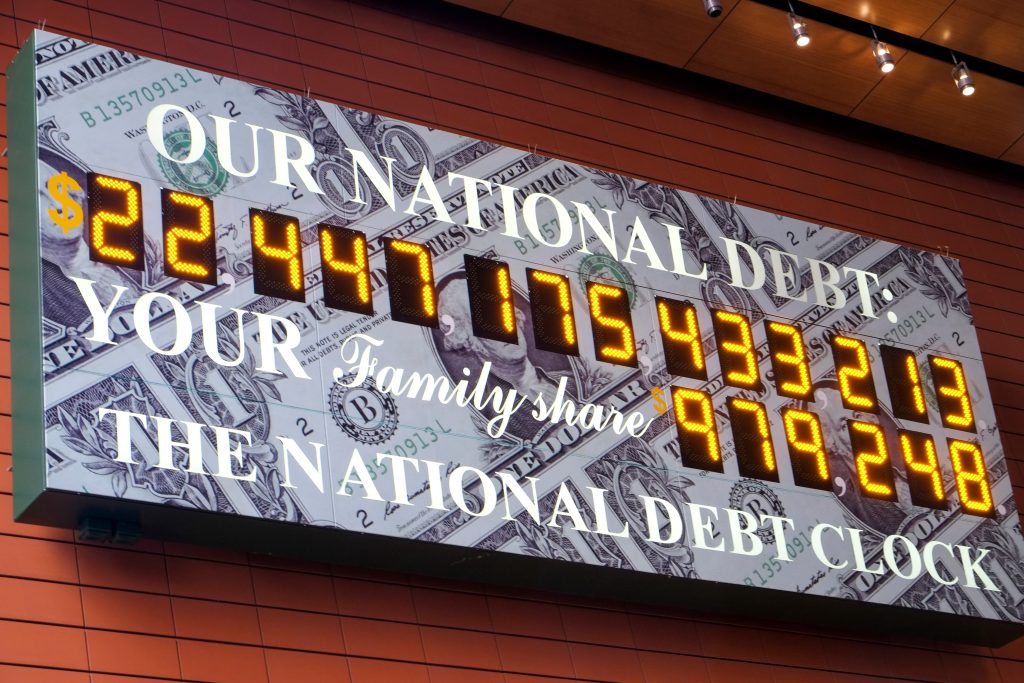
The government’s debt reached $39 trillion, of which 30% is owed to Social Security and Medicare, but interest payments already exceed $1 trillion annually, more than everything invested in defense. GDP for 2025 ended at 2.2%, down from 2.4% the previous year, due to a weak fourth quarter with annualized growth of only 1.4%. To conclude with the United States, an interesting fact is that the top 10% of earners own 93% of all public shares, while the poorest 50% own only 1% of the market.
Moving on to Mexico, one of the most important events of the month was the capture and death of El Mencho, leader of the Jalisco New Generation Cartel and probably the most important drug trafficker in the country. This is obviously a triumph for Claudia Sheinbaum’s administration, as Trump put a lot of pressure on Mexico to take action against drug traffickers. Still, it is surprising that El Mencho was not captured alive, given that there was a great deal of information available about the cartel’s activities. His death fulfills Mexico’s commitment to the U.S., but it does not help to implicate those who were his accomplices. The violent reaction in many cities was to be expected, but apparently, the government and the army managed to prevent it from spreading too far.

As we do every month, we list positive and negative news about the Mexican economy.
We cannot ignore the electoral reform that did not eliminate the concept of proportional representation; now they will be elected rather than handpicked. The reform reaffirms Morena’s hold on power, and it seems very unlikely that there will be any significant opposition.
Positive:
· The CFE announced an investment of $5.6 billion to increase electricity capacity.
· Pemex’s debt fell to $84.5 billion after the federal government’s infusion. The fourth-quarter loss was only $8.5 million despite selling 15.9% less than in the same quarter of 2024, having produced 1.648 million barrels per day.
· Moderate inflation of 3.12%.
· Airports reported their strongest growth in nine months, with a 3.9% increase in passenger numbers.
· Automobile production grew 14.5% compared to the previous month, to 303,980 units.
· PEMEX’s debt to suppliers fell 39%.
· The industrial activity report for all of 2025 ended with slightly positive numbers thanks to the increase in the construction industry in the fourth quarter.
· Banxico plans to continue lowering interest rates despite having its first meeting in three years without a reduction.
· Fracking is being promoted to extract natural gas and replace what comes from Texas (75% of total consumption).
· Extremely high pensions were cut for 6,297 bureaucrats.
· Mexico surpasses Canada as the largest exporter to the U.S.
· Mexico is the world’s largest silver producer with approximately 202 million ounces in 2025.
· The IGAE reports an annualized increase of 3.3% in industrial production.
· E-commerce accounts for 7% of total sales, compared to 18.4% in the United States.
· Reserves reach a record $256.649 billion.
· Foreign investment reaches a record $40.87 billion in 2025.
· The Mexican Stock Exchange had its best first two months in 17 years.
Negatives:
· Negative trade balance record – $6.481 billion
· GDP in 2025 grew by only 0.5%, which is very little for an emerging country.
· There is talk of a massive hack of information from the Tax Authority (SAT) and other government agencies.
· Remittances in 2025 were $60,791, 4.6% less than the previous year.
· ANTAD reported the worst December since 2020
· Gross fixed investment rose 0.4% in November, but fell 6.4% compared to the previous year.
· Consumer confidence is at a three-year low, mainly due to insecurity and inflation.
· First time in 17 years that employment has contracted in January.
· Airlines reported the largest drop in international traffic in five years.
· Canada has indicated its desire to invest in Mexico, but will not do so without legal certainty.
· Sheinbaum’s Plan Mexico has not produced the expected results, as the desired investment has not materialized due to mistrust.
Local analysts predict that the peso will close the year at $18.20 and in 2027 at $18.76. GDP will grow 1.4% this year and 1.8% next year, figures similar to the IMEF, which projects 1.3% and 1.8%.
Moving on to information from the rest of the world, Israel kept its interest rate at 4% due to the uncertainty of the conflicts in Gaza and Iran, but despite this, GDP growth of 2.9% is expected in 2025 and 4.8% in 2026. Inflation in January fell to 1.8% compared to the previous year, the lowest level since 2021, and foreign investment in the high-tech sector is projected to grow by at least 10% this year. Israel imports a lot of wheat and imposed tariffs on everyone except the United States, seeking to lower the tariffs that the U.S. placed on Israeli products.

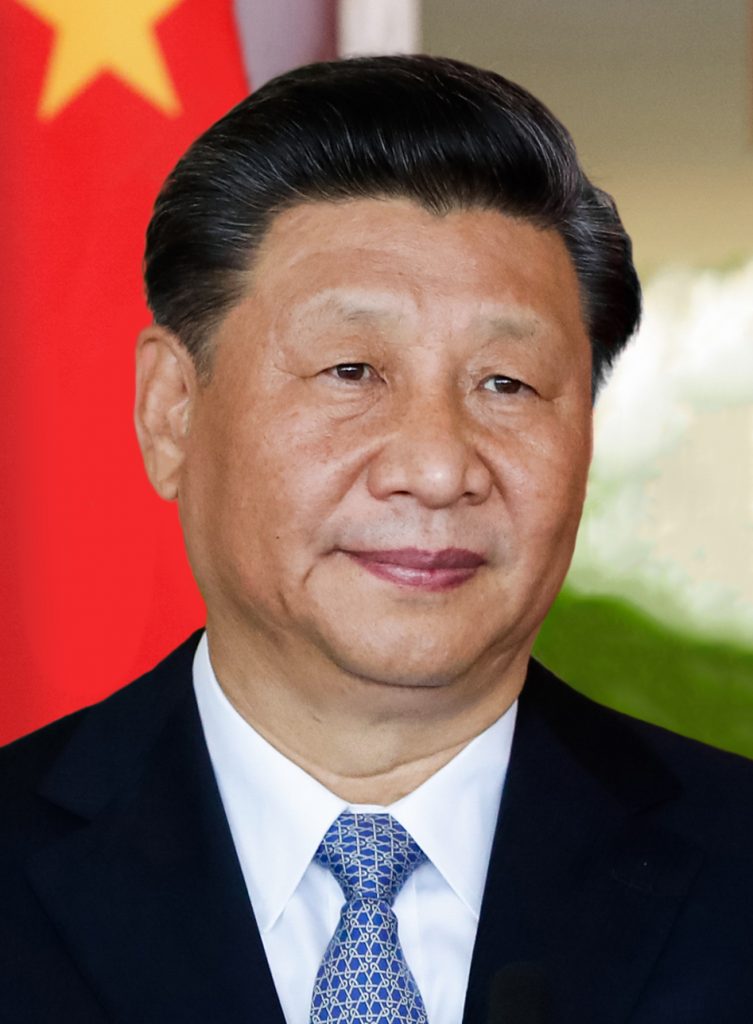
In China, the manufacturing index fell below the neutral point, an indicator of contraction, and the country has now seen a 2½-year decline in population, leading to inflation below 1% and a 4.6% reduction in domestic consumption. The Chinese banking regulator suggested that banks buy fewer U.S. Treasury bonds, reflecting tensions between the two countries. Xi’s consolidation of power was manifested by the imprisonment of General Dou Xia, the country’s second-most important official and the president’s right-hand man, whom he began to see as a shadow and possible enemy.
Brazil reported better production figures, but continues to face inflation of more than 4%, which prevents it from lowering interest rates, which remain at 15%.
Peru has removed its president from office and has had five different leaders in five years. Despite this, its economy is doing very well, mainly due to the increase in raw material exports.
Colombia has presidential elections in May, and the campaign has been very violent, with the left slightly favored. President Petro imposed a new special tax on companies, and the country’s Supreme Court halted the 23% increase in the minimum wage that was intended to strengthen Petro’s candidacy.
Panama remains in conflict with China over ports on both sides of the Canal and has already revoked the previous concession and awarded it to two non-Chinese companies.
Saudi Arabia has cut budgets for many billion-dollar projects and faces a deficit of almost 6% of its GDP due to falling oil prices.
Europe is very stable with 2.5% growth and moderate inflation, one of the best environments in recent years, reflected in stock markets with better results than the U.S.
In the financial markets, bonds had a good month with the Treasury note falling below 4%, while the stock markets had a bad month, with the NASDAQ and S&P posting their worst results in the last year. The dollar was very weak due to deteriorating relations with several countries, and gold reached historic highs, mainly because central banks have shifted some of their dollar reserves into gold, which, in their view, offers greater long-term stability.

Bitcoin plummeted below $65,000, wiping out more than $1.1 trillion in value for holders of the cryptocurrency.

Further Reading: