
It is a critical period of global realignment during which the United States faces two parallel worlds that are difficult to reconcile. On the one hand, the reported figures are quite positive, with Q3 growth of 4.4% and moderate inflation of 2.9%, though higher than the Fed’s 2% target. Unemployment remains at 4.4%, with moderate job creation averaging 49,000 per month (compared to 168,000 a year ago) and stable interest rates, with the Fed not lowering rates below 3.5% but already reducing them from 5% a year and a half ago. The manufacturing report reached its highest level since 2022, and manufacturers’ price-increase expectations are below forecasts, with figures below 3%.
On the other hand, there was the capture of Maduro, new threats to Iran’s nefarious regime, scenes of clashes in Minneapolis between ICE agents searching for illegal immigrants to deport, and civilians protesting two deaths that occurred in confrontations with government forces. Internationally, tariffs imposed by the United States have pushed its traditional trading partners to seek alternatives, with treaties signed between India and China; Mercosur and the European Union; Korea and the European Union; and others, culminating in record exports from China of $2 trillion and a trade surplus of $1.1 trillion, affected only by its imports of oil and grains.

There is no doubt that Trump’s policy is based on his slogan of, Make America great again,” even at the cost of not making many friends. It is obvious that the world sees a big change from Biden to the current regime, but the relationship with Trump is more one of fear than cooperation and friendship. Technologically, the United States remains the most advanced country. Still, chips from companies such as Nvidia are already being used as weapons in the conflict between countries, as one day the United States bans the export of the most advanced chips and the next day China bans the import of other chips into its country.

Trump’s war against the Chairman of the Federal Reserve was very unpleasant, to the extent that he was criminally charged for exceeding the budget for the renovation of the Fed building. It culminated in the appointment of Powell’s successor, Kevin Warsh, who will take office in May if the Senate approves his nomination. Something I did not like was the introduction of a term to describe the President, TACO, “Trump always chickens out,” which implies that his policy is to threaten countries or companies with very strong punitive actions and then reduce or eliminate them.
One very positive development in the United States was the 4.9% increase in productivity in Q3, the highest figure in four years, and the best way to combat inflation. Tariffs led to the smallest trade deficit since 2009. Still, analysts cannot agree on whether foreign exporters or American consumers are bearing the cost, and automotive companies and those selling expensive luxury goods have seen sales drop. In the budget sent to Congress for approval, the Department of Defense (now called the Department of War) receives $1.5 trillion, debt service payments of just over $1 trillion, and social spending (welfare) of over $5 trillion, well above the $3 trillion spent pre-COVID. Other positive elements in the economy include the report on installed capacity utilization, which reached 76%, and foreign capital inflows into the United States, totaling $220.2 billion for the year. This figure contradicts comments that the rest of the world is getting rid of its dollars.
In a study by the American Enterprise Institute on class mobility in the United States, the results were surprising, as there were more upward changes with more people in the upper-middle class category than increases in the lower-middle class, in addition to a 23% reduction in the percentage of poor people between 2020 and 2025. In April of this year, the government will return $150 billion to taxpayers due to changes in the tax law that Trump sent to Congress a year ago. These changes should encourage consumption and change the perception among most citizens that the situation is worse than it was a year ago.

The United States is approaching a global crisis of population decline. Last year’s growth was 0.5%, and five states, including California, lost population. There is no doubt that the country must pursue immigration reform to reverse the negative trend. When the population shrinks, consumption declines, and labor becomes more expensive, leading to outcomes like Japan, which does not allow immigration and has been in recession for 20 years. Today, there are 349 million Americans; that number is expected to reach 364 million by 2056, then begin to decline. Life expectancy rose last year from 78.4 to 79 years, and this is another nail in the coffin of Social Security and Medicare, which were planned for life expectancies of 66.8 and retirement at 65, and are now the main causes of the $2 trillion deficit, almost 6% of GDP, facing the country.
On the negative side, consumer confidence is at its lowest level in 14 years, and the general perception is that the economy is not doing well, despite the statistics. U.S. debt is one of the most serious issues, as it already totals $29 trillion and continues to grow due to budget deficits. The countries with the most U.S. debt are Japan, the United Kingdom, and China, in that order. The total amount held by foreign holders is $9.355 trillion, or 32% of the total. There has been much talk about countries’ reserves selling dollars and buying gold and other currencies. There is no doubt that this is happening to some extent, but they are far from replacing the dollar as the main reserve currency, which affects the price of alternatives but does not yet threaten the dollar’s dominance.
A dominant theme in discussions of people’s quality of life and economic situation is housing. Today, only 21% of home buyers are first-time buyers, compared with a historical average of 40.1%. Although the average home price rose only 0.5% in 2025, many people are unable to buy because of mortgage interest rates, which have doubled since the pandemic, and down payments, which are around 20% of the price since the 2008-2009 financial crisis. President Trump, aware that this problem will affect the November midterm elections, has put a lot of pressure on the Fed to lower interest rates and issued an executive order prohibiting large companies from buying homes to rent them out, driving up prices and driving buyers who plan to live in the homes out of the market.

As I do every month, I am adding some interesting facts about the United States, such as the fact that 20.4% of monthly car payments now exceed $1,000, compared to 5.6% six years ago; an ounce of silver has not cost more than a barrel of oil since 1980; the salary of Greg Abel, the new CEO of Berkshire Hathaway, will be $20 million a year, while Warren Buffett earned $100,000, and of the seven “magnificent” stocks, only Nvidia and Google rose more than the S&P.

Moving on to Mexico, we find a country in a serious crisis of governance, starting with the tense relationship between Trump and Claudia Sheinbaum over threats to use armed forces to combat the cartels, which the president immediately rejected as an attack on Mexico’s sovereignty. The arrest of Canadian drug trafficker Wedding caused controversy with conflicting reports about his alleged surrender and comments by the FBI director that they participated in the arrest in Mexico, another blow to sovereignty. The threat of new tariffs for “selling” oil to Cuba, which will never be paid for, and a series of negative events such as the Salamanca massacre and the transoceanic train derailment also contributed to the unrest.
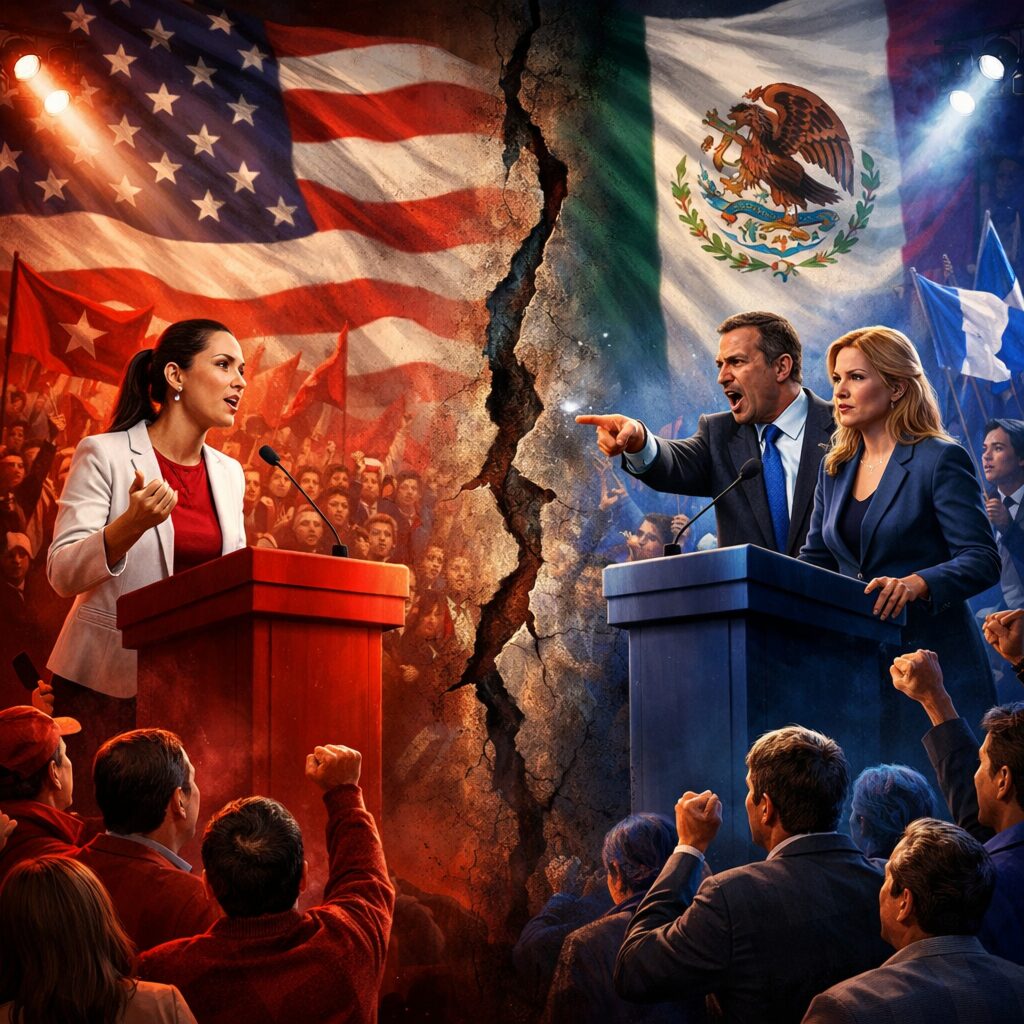
In most cases, the lack of responsibility in accepting guilt is surprising. The pressure from insecurity, which is not diminishing, and the outrage at doing nothing about the current corruption and that of the previous six-year term have created strong tension between the government and the people. Sending 37 low-level drug traffickers to the United States will not appease the Americans or the people of Mexico.

As I do every month, here are the positives and negatives for January.
Positives
· Oil shipments to Cuba were halted, albeit temporarily.
· In December, there was a trade surplus of $2.43 billion.
· Business confidence stood at 48.5, the first increase in eight months.
· Mexico successfully issued $9 billion in 8-, 12-, and 30-year debt, paying 2% more than U.S. Treasury bonds. In 2025, the total was $41 billion.
· Reserves reached $253.3 billion.
· Consumer confidence rose from 44.2 to 44.7.
· The total cost of labor in Mexico is $4.15, while in China it is $5.96.
· In 2025, the peso appreciated 13.52%.
· The IMF revises global GDP upward and reaffirms 1.5% for Mexico.
· The SAT has record revenue, 4.7% above the previous year.
· Altos Hornos finally ends its suspension of payments after 27 years.
· Unemployment was reported at 2.3%, the lowest in history.
· Private banks offered to increase loans for infrastructure and SMEs.
· Ricardo Salinas will pay 32 billion pesos in back taxes.
· The year’s GDP ended at 1.6%, higher than the projected 1.3%.
· Q4 GDP rose 0.8%, avoiding a technical recession of two consecutive negative quarters.
Neutral
· Employment grew 1.5% in 2025.
· The IMEF projected growth of 1.3% for 2026.
· The average analyst forecast for the peso at the end of 2026 is $18.75.
Negative
· The PMI is at 46.1, the lowest in eight months.
· According to the IMEF, both manufacturing and services are contracting.
· Oil revenue has fallen 50%. Exports are at 539,000 barrels per day, 43% lower than in 2024 and at a lower price.
· Airports such as Asur are not growing.
· S&P placed Mexico’s investment grade on negative watch due to low growth and deteriorating public finances.
· There was a very negative editorial about Mexico in the Wall Street Journal comparing Mexico to Venezuela and talking about corruption and the disappearance of the judiciary.
· Fixed investment rose 0.9% in Q4, but fell 5.5% annually.
· GM cut 1,900 jobs in Ramos Arizpe.
· The Secretary of Commerce said that all possibilities surrounding the USMCA must be evaluated, including what would happen if it were canceled.
Moving on to the international arena, Israel expects a very good year in 2026 with GDP growth of 4.5% due to a reduction in central bank interest rates to 4%, moderate inflation of 1.5%, and a budget approved last week of 660 billion shekels (approximately $212 billion) with a spending cap not exceeding 3.9% of GDP. The budget includes 112 billion shekels for defense and 3 billion for artificial intelligence. The country is undoubtedly hoping for the start of phase 2 of the peace process, as it has not yet been able to complete phase 1, which includes the disarmament of Hamas and the withdrawal of Israeli troops from Gaza.

In China, economic problems remain serious in the industrial sector, which reported a 13.1% drop in profits, the banking system, which has the smallest portfolio since 2018 due to a lack of demand, especially in the real estate sector, a new 500 billion yuan subsidy program for companies, and a 1½% reduction in interest rates for the next two years. China has been signing trade agreements to replace the drop in exports to the U.S., having signed with Brazil, where trade was $171 billion in 2025, and a very important agreement with Canada, which appears to have been postponed due to pressure from Trump, but which would have opened the doors to Chinese electric cars. The population in China grew by 5.63 births per 1,000 inhabitants, compared to 6.77 the previous year. Since 2022, there have been more deaths than births, which will cause the population to decline.
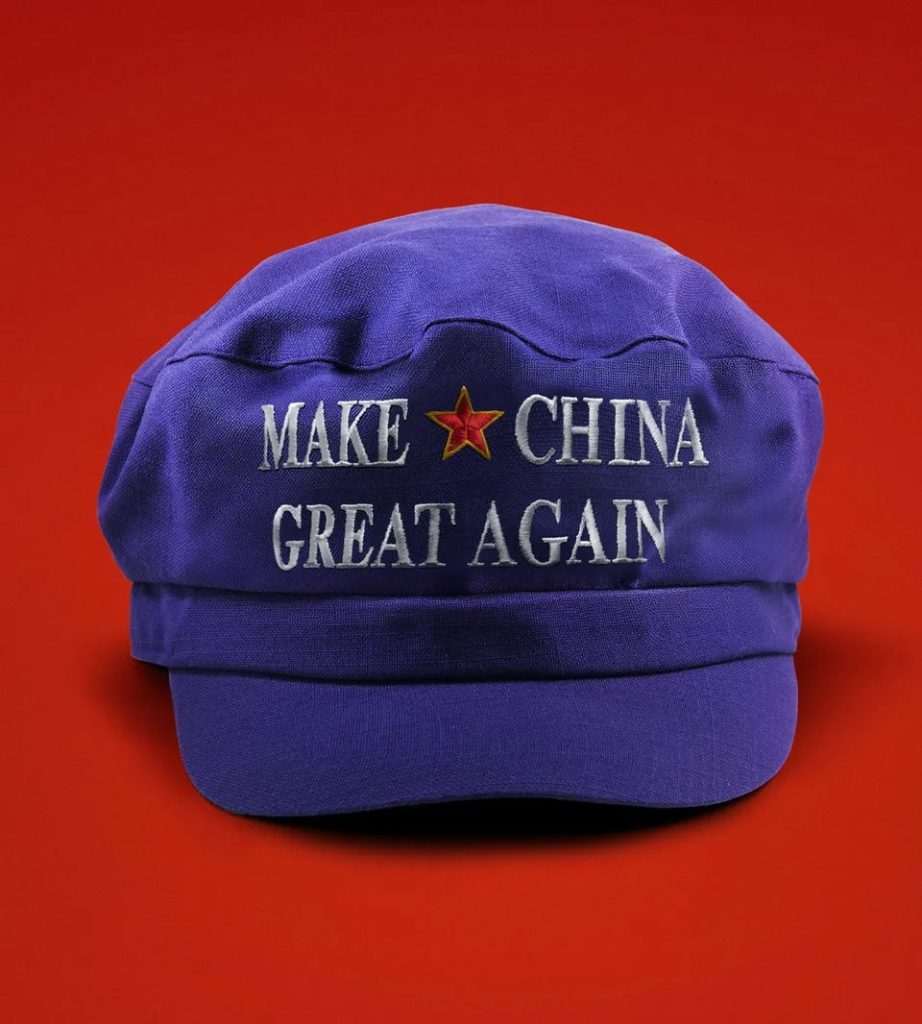
India signed a trade agreement with Europe despite Trump’s objections and had 8.3% growth in the last reported quarter, one of the highest in the world. The cost of protecting Argentina’s bond principal fell from $0.41 per dollar to $0.05, reflecting Milei’s policies, which have been successful in combating inflation and unemployment. Brazil is another country that has generated a lot of news, as it has been unable to curb inflation despite keeping interest rates around 15%. The IMF lowered its GDP growth forecast to 1.6%, a 0.3 percentage point reduction from October. It is interesting to note that Brazil is buying diesel fuel from Russia rather than the U.S. due to a price difference of almost 20%. Brazil has presidential elections in October, and Flavio Bolsonaro, the son of former president Jair Bolsonaro, who was imprisoned, has 45% support against Lula’s 49% in the latest polls. This difference is expected to narrow even further as the elections approach.

Saudi Arabia is cutting back on all its major projects due to the fall in oil prices and has even placed $29 billion of debt on the international markets, which was in demand nine times greater than the supply. It is interesting to note how most Latin American countries are shifting to the right, the latest being Costa Rica, Ecuador, and Chile. The region’s economies have improved greatly due to growth in the United States and the resulting demand for the subcontinent’s main export: raw materials.

Iran is experiencing a severe internal crisis as a result of its nuclear ambitions and lack of investment in the basic needs of its people. Popular protests have led to more than 10,000 deaths, and I do not believe that the current regime will last more than a few months, especially given the pressure it is under from the United States, which has sent military forces ready to intervene if the abuses against the population continue. Forty-seven years of oppression have led a dynamic country to a situation of hunger and 42% inflation with a currency that is almost worthless.

Regarding Venezuela, I feel that Maduro’s departure was necessary because the country was already in total decline, several million people had emigrated from the country, and hunger and unemployment were already prevalent. Perhaps the legal aspect of entering a country and forcibly removing the president is not advisable under international law. Still, the legitimacy of Maduro’s presidency was laughable, and the world is a better place without him in power.

The financial markets had a weak month, with the stock markets rising strongly until the last week when they fell slightly. Bonds yielded only 0.107% due to rising interest rates and the resulting drop in prices. The dollar continued its decline, losing almost 3% against the global basket. Gold and silver skyrocketed, but on the last day of the month, gold fell 10%, and silver 30%, and bitcoin finally plummeted to $77,000.

Further Reading: