
The title refers to the decision that the United States central bank must make, given that it is constitutionally obliged to control both aspects of the economy. Although the economy appears to be maintaining a healthy pace, unemployment has already risen to 4.6%, and hiring barely keeps pace with the layoffs announced by the government and the private sector. This would improve if the Fed lowered interest rates further (President Trump is talking about reducing them to 1% from the 3.5%–3.75% they were lowered to in December), as this encourages economic activity and consumers have more money to spend if the interest they pay on credit cards, etc., is lower. On the other hand, increased consumption is inflationary, and the December report showed a 3% increase in prices compared to the previous year, one point above the Fed’s 2% target.
At the last Fed meeting, where rates were lowered by ¼%, three governors dissented with the decision, the first time that only nine of the twelve agreed, with two voting not to change rates and one, recently nominated by Trump, arguing that the cut should be ½ point, double what the majority approved. It is worth noting that the Fed’s rate cuts do not necessarily lower long-term rates or fixed mortgage rates. In this cycle, the Fed has already reduced the discount rate, the only rate it controls, by 1.75%, and the 10-year bond rate has risen by 1% due to market forces.

In the United States, the Supreme Court has not yet ruled on the president’s authority to impose tariffs, creating significant confusion. In the meantime, many lawsuits have been filed by those who paid tariffs to recover them, if that is the Court’s decision. The OECD has forecast that economic growth will be 2% in 2025 and 1.8% in 2026. It views the impact of investment in infrastructure for artificial intelligence as positive and that of tariffs as negative. On the other hand, the International Monetary Fund expects global GDP to rise from 2.8% to 3.2% as the real impact of US tariffs and their effect on world trade moderates.
In general, the economy continues to report positive figures for consumption, production, and investment, yet people’s sentiment remains negative. The perception of inflation is much higher than the reported figures. Democrats have introduced the concept of unaffordability into all their propaganda, i.e., that people do not have enough to purchase their basic needs, which is not validated by economic reports. Still, it will likely be the central issue in the midterm elections in November.
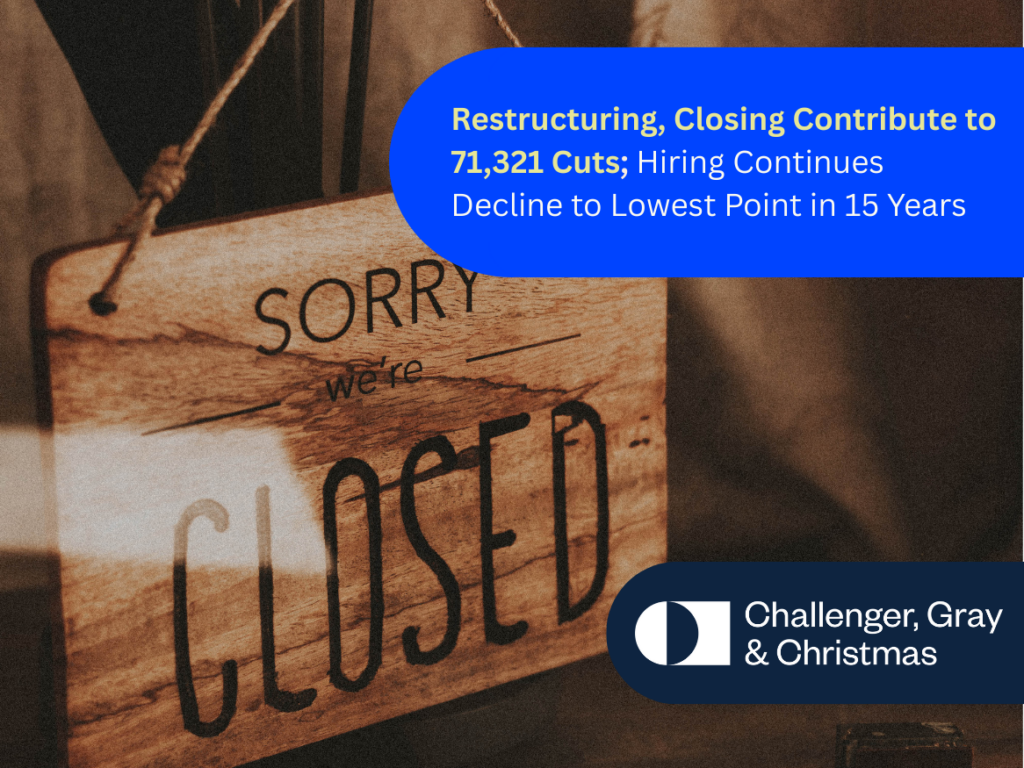
A very popular report among economists is the Challenger report, which monitors layoffs announced by companies. The November figure was 1.2 million, the highest since the pandemic, while the JOLTS report on nationwide vacancies was 7.67 million jobs available, a reasonably stable figure throughout 2025. An interesting piece of data from the employment report was the growth of the U-6, the measure of people who took part-time jobs or stopped looking because they could not find anything suitable. The report also indicated that workers’ average income rose only 0.1%, which is not enough to keep pace with inflation.
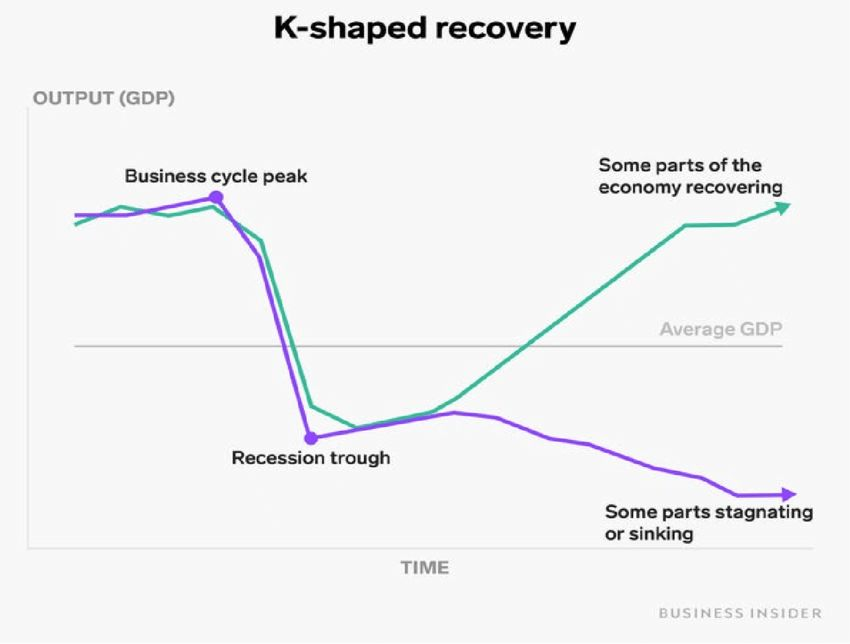
The home sales report was moderately positive, mainly due to a drop in 30-year mortgage rates to 6.2%. Prices rose by only 0.3% from one year to the next, with some areas of the country showing a decline. In the case of condominiums, prices were 1.9% lower than in 2024. An interesting fact: home buyers have to save for a down payment for 7 years, up from 12 years in 2022, but still double the 2010 average of 3.8 years. The US economy has taken on a K-shape, with the wealthy segment continuing to consume unabated, while lower-income people are cutting back and feeling the impact of rising prices. The purchasing power of the American people is estimated at $80 trillion, based on the value of their real estate and the increase in the stock markets over the last three years.
Some analysts are concerned about the increase in bond issuance by the Japanese and Chinese governments and the sharp rise in the price of gold, which could change the mix of countries’ reserves and reduce appetite for US Treasury bonds, especially when financing a nearly $2 trillion budget deficit. If there is greater competition for investors’ money, the debtor has to offer higher interest rates, and we know that each point the government pays increases the deficit by $350 billion.
Most feel that 2026 will be a good year for the economy due to the increase in tax refunds under Trump’s new law, growth in investment, the application of artificial intelligence, which increases productivity, and the forecast drop in interest rates of an additional 0.5%. Sixty-four percent of private equity investments have been in artificial intelligence, and private debt investment increased from $10.1 trillion in 2024 to $136 trillion in 2025, significantly displacing bond issuance in public markets. The number of public companies in the United States has fallen by 50% over the last 15 years, while the money that investors have put into the markets has grown by 170%, which is one explanation for the increase in stock markets. The price of oil reached $55.00/barrel, although it has already risen to $58.00, the lowest since the pandemic, and a help to the FED, as it impacts the inflation of most products and services.
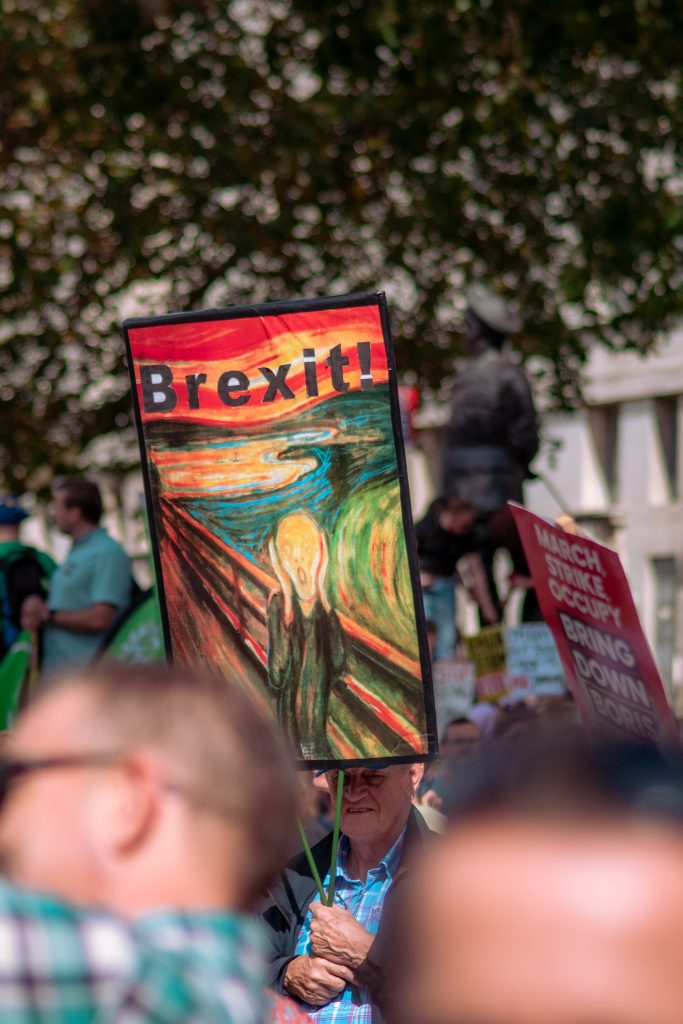
I find it interesting to comment on Trump’s attack on the European Union, which he accused of weakening and declining by losing its individuality and desire to stand out, both in innovation and military preparedness. It is clear that values differ, and that most European citizens prefer belonging to the European Community and would not want to follow the United Kingdom’s example and leave.
Trump’s new budget, already approved by Congress, stipulates a $1,000 gift to every child born between 2025 and 2028, to be used for their future education. At an average interest rate, this figure will grow to $5,050 by the time they turn 18. It is more of a political stance than a very relevant benefit, as I don’t think the amount will change the children’s lives. Michael Dell and his wife made a billion-dollar gift by adding $250 to the $1,000 the government granted.

A couple of interesting facts: Waymo, GOOGLE’s driverless taxi company, is making 450,000 trips a week in the five cities where it has been introduced and will soon add 12 more cities. On the other hand, 55 representatives from both parties have announced that they are retiring and will not seek re-election in November 2026. It is interesting to note the art market’s rebound at auction houses, where sales increased by 28% over 2024, including the sale of a KLIMT painting for $236.3 million and a Frida Kahlo painting for $54.66 million.

Moving on to Mexico, reports of corruption in AMLO’s administration continue, and the current government appears semi-paralyzed by internal protests, fear of US tariffs, and the upcoming USMCA review. As we have said before, Mexico is a country of 135 million inhabitants who spend and go about their lives. Hence, businesses continue to generate sales and profits. Still, the growth of insecurity, extortion, etc., makes people unhappy, especially as judicial security disappears and feelings of powerlessness towards the government grow.

The government’s significant economic needs following the 5.9% deficit in AMLO’s latest budget and the creation of a system of public assistance programs (33 million monthly debit cards) are prompting actions by the tax authorities that many people feel are fiscal terrorism. An example of this is FEMSA, which seeks to reopen a completed and settled review, and there is no legal protection against acts of authority. It will be interesting to see how the Salinas Pliego case ends, as it involves charges of 55 billion pesos in tax evasion. I did not like AMLO’s reappearance to present his book, in which he talks about his memories, especially when he says that he will return if democracy is violated or if there is a blow to Mexico’s sovereignty.
As I do every month, I include positive and negative news about Mexico.
Positive:
· The SAT is using AI to reduce audits and increase revenue.
· The peso remains very strong, breaking the $18 barrier.
· The Business Council was created to promote investment.
· ASUR purchased 20 airports in Brazil.
· El Buen Fin exceeded last year’s results by 31%.
· Industrial activity in November grew 0.7%, the best figure in eight months.
· The water dispute with the US has been resolved, although it will create shortages for domestic agriculture.
· CFE will invest $5.3 billion in new electricity generation.
· Banxico reduced the interest rate for the twelfth time to 7%.
· Retail revenues grew 3.4% on an annualized basis.
· Mexico’s exports grew 9% from January to November, capturing 25% of what China has stopped shipping to the United States.
· In November, government revenue grew 2.3%, and spending fell 0.6%.
Congress approved many new tariffs, especially on Chinese products, including automobiles, to “promote sovereignty, sustainability, and even reindustrialization in Mexico.”
Negatives:
The Manufacturing PMI at 47.3, below 50, represents contraction.
Business confidence in November was at its lowest point in the last three years.
· The minimum wage rose 13%, and the transition to a 40-hour work week is being implemented, generating strong protests from business owners.
· Fixed investment in November fell 0.3% and 6.7% for the year.
· Consumer confidence is at its lowest in four years.
· The US Chamber of Commerce accused the SAT of coercion against foreign companies.
· Analysts’ average projections for GDP growth are 1.31% for 2025 and 1.16% for 2026.
· Shameful brawl in the Federal District Congress over the elimination of the transparency agency, which was reported in all US TV news programs and newspapers.
Israel demonstrated resilience after the initiative to end the Gaza conflict and return the hostages, being ranked by The Economist as the third-best economy in the world in terms of growth. Exports grew 5.8% in Q3 over Q2, and OECD projections are for growth of 3.3% in 2025, 4.9% in 2026, and 4.6% in 2027, with inflation expectations of 3.1% in 2025, falling to 2% in 2027. The country reported that its population reached 10.128 million, and a massive investment by Nvidia was announced, reaffirming Israel’s leadership in technology in the Middle East. A natural gas supply contract with Egypt was also announced, with the sale of $35 billion worth of gas.

Elsewhere in the world, China reported a 2.6% drop in fixed asset investment, the first negative figure since 1998, and sales growth of only 1.3%, the lowest since the pandemic. In China, electricity costs are 50% lower than in the United States, and its capacity is double, giving it an advantage in installing AI processing centers. Surprisingly, despite the decline in exports to the United States, China’s trade surplus increased by $1 trillion and would have been twice as high if it were not for oil and food imports. TikTok announced a $37 billion processing center in Brazil and also a partnership with Oracle to create an independent company in the United States, where the Chinese will not have access to the personal data of American users.
The European Union eased pressure on gasoline car emission levels, France wants to prevent the signing of the free trade agreement between the European Union and Latin America to protect its farmers, and BYD surpassed Tesla in global sales for the first time. According to a report published by The Economist, there are 2,900 billionaires worldwide with a total fortune of $15.7 trillion. Saudi Arabia canceled Vision 2030 projects (their plans for the future) due to the drop in oil prices.

Japan’s GDP contracted 2.3% on an annualized basis, one of the worst in the world, and yet it is one of the few countries raising interest rates as inflation rises sharply. In Brazil, Flavio Bolsonaro, the son of former President Jair Bolsonaro, who was accused of interfering with the elections, announced his intention to run against Lula in the upcoming elections (sound familiar?).

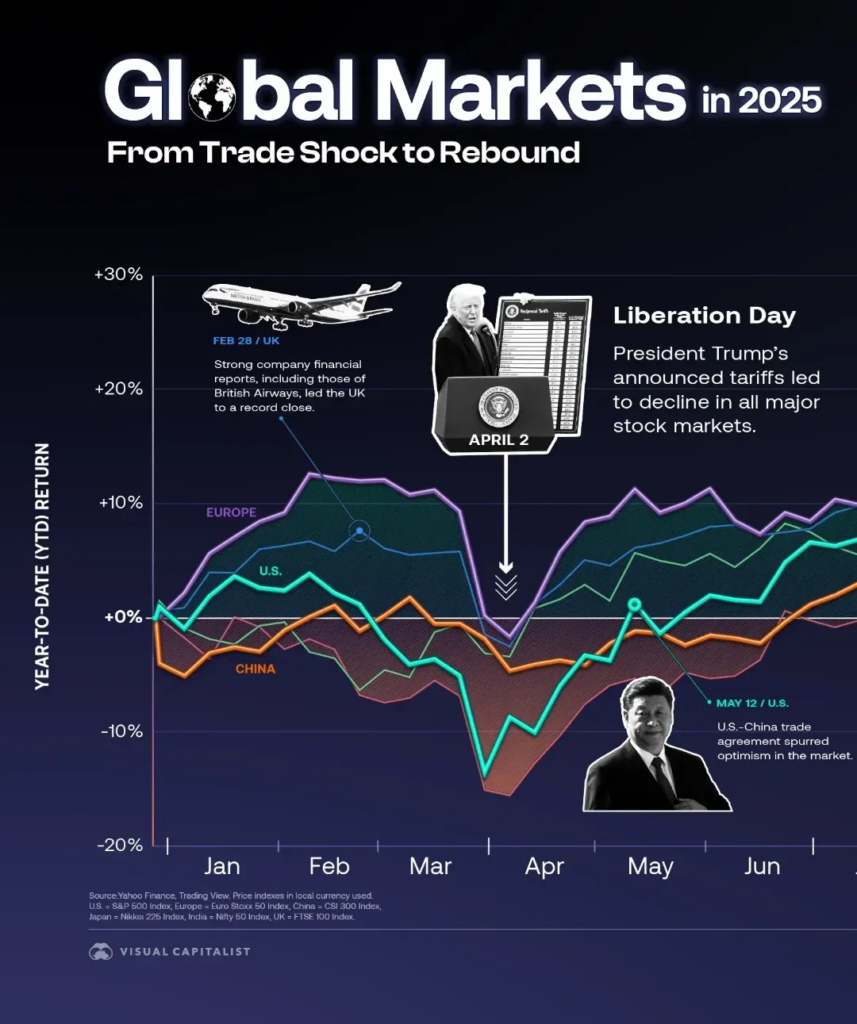
Stock markets ended the year up approximately 16%. Bonds rose, with an annual return between interest and appreciation of 7.31%. The dollar weakened by almost 9% against the global basket of currencies. Gold and silver reached historic highs. Bitcoin ended the year at around $88,000 after reaching $126,000.

Further Reading: