

The United States is experiencing a dichotomy that is difficult to understand and has few historical parallels. Economic statistics show some weakness, with a downward trend—most notably, annualized growth of just 0.6% in the last quarter—but many others point to a slowdown. Unemployment among recent college graduates stands at 57%, and 28% of last year’s graduates still haven’t found work. Incidentally, it is worth noting that artificial intelligence accounted for two-thirds of the quarter’s GDP growth.

The ratio of job openings to unemployed workers—which serves only as a comparison, since a plasterer in California cannot fill a lathe operator position in Ohio—stands at 0.9 for the first time, below the 1-to-1 mark. New home sales have contracted by 5.9%, and the latest report on housing permits shows an 8.9% decline compared to last year. The number of homes repossessed by banks due to mortgage defaults is at its highest level in the last six years. Car sales are projected at 16 million for 2026, one million less than the average over the past five years. Interestingly, 30.6% of that figure consists of electric or hybrid cars, nearly 7% higher than before the dramatic increase in gasoline prices. The labor force participation rate—that is, the percentage of working-age people who are employed—stands at 61.8%, one of the lowest figures in the past 10 years, excluding the pandemic.

Gasoline prices and the prospect of persistent inflation dampen consumer confidence. This is causing consumption of major goods to contract and reinforces the concept of a K-shaped economy, where lower-income individuals are spending less and are worried, while higher-income individuals—who are largely unaffected by inflation and are capitalizing on stock market gains—are spending more than before. It is worth noting that 13.2% of credit cards are 90 days or more past due.
Production reports are strong, with PMI and ISM reports at record highs. The trade deficit has narrowed due to increased exports and import tariffs. Concerns persist that the war in Iran could lead to a significant reduction in exports from countries that are not self-sufficient in oil—particularly European nations—which could trigger a decline in purchases of U.S. products. Employment reports are not bad, although the new monthly average of jobs created is 49,000, compared to 168,000 the previous year. The unemployment rate remains at 4.3% as fewer people are looking for work, including those who have been deported, and because the border is nearly closed and there are no new immigrants seeking employment. It is interesting to note that the average hours worked and hourly wages declined slightly from March to April.
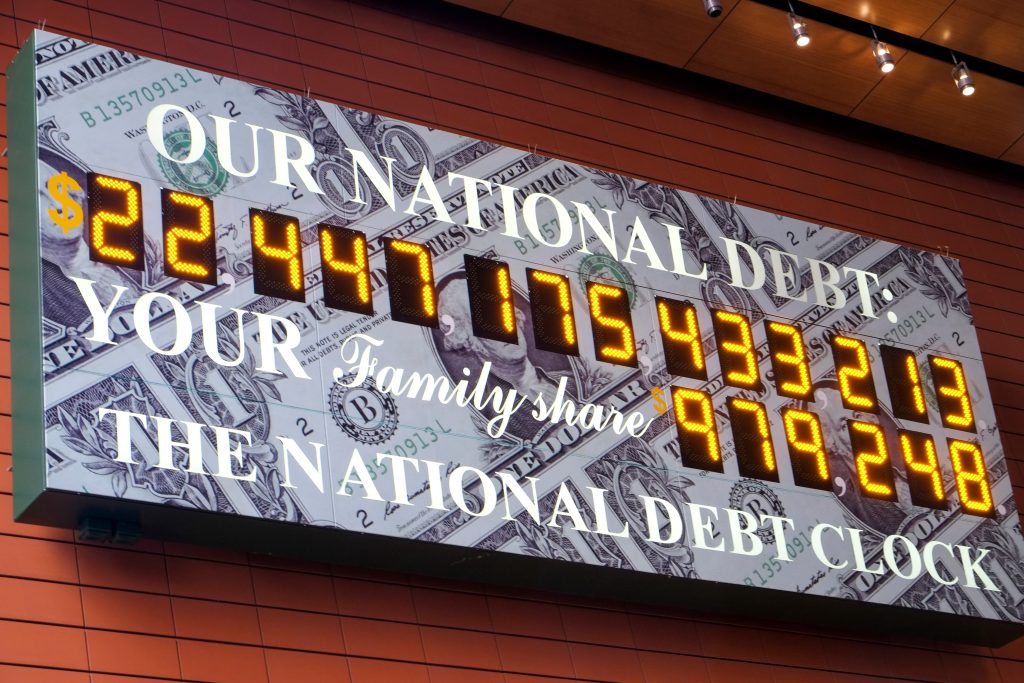
The latest inflation report—which is the most reliable and is used to adjust GDP—indicated that prices rose 3.8% on an annualized basis in the last quarter, a figure much higher than the 2% target set by the Fed. The central bank has already acknowledged that, over the next 10 years, it projects an annual price increase of 2.5%, rather than the 2% it previously targeted. U.S. debt has now reached nearly $31.6 trillion, or 104% of GDP. Although President Trump said it was not excessive for an economy the size of the U.S., the 30-year bond yield hit 5.20%, the highest level in the last 20 years.
The war in Iran has created shortages of various products, including aluminum, fertilizers, and sulfuric acid—necessary for refining copper—and other items, which have impacted both inflation and production capacity. Since the war began, the estimated cost to the American consumer is $45 billion. The dollar has fallen by about 4% and has now given back all the gains it made during the pandemic. In response to this trend, countries have reduced their investment in government bonds, with a $139 billion drop in March, led by Japan, which fell $48 billion to $697 billion, and China, which fell $41 billion to $652 billion. On the other hand, foreign investors still hold $21.3 trillion in U.S. stock market shares.
Some interesting developments in the country over the past month include:
· Only 15% of young people aged 15 to 29 trust the government.
· 47% of women and 38% of men hold a college degree.
· Global oil reserves have fallen by 4 million barrels per day since the start of the war.
· The U.S. government’s deficit relative to its GDP has averaged 3.8% annually over the past 50 years and is projected to be 6.1% over the next 5 years.
· Two-thirds of tech workers in Silicon Valley are foreign-born, and a foreign-born individual founded 55% of startups valued at $1 billion or more.
· Trade between Mexico and the United States totaled $873 billion in 2025.
· Amazon, IBM, Google, and Meta announced AI investments of $700 billion in 2026 and $1 trillion in 2027.
· Elon Musk’s SpaceX is set to go public, a company valued at $1.5T and the largest IPO in history.
· NVIDIA has a market value greater than the combined market value of all publicly traded companies in India and Taiwan.
· Airfare prices have risen 55% due to gasoline costs, and Spirit Airlines, a low-cost carrier, went bankrupt.
· The artificial intelligence company Anthropic increased its first-quarter 2026 sales by 80 times compared to the first quarter of 2025.
· Ted Turner, the founder of CNN, passed away last month and left behind 800,000 hectares of land in various states across the country.
· Princeton University abandoned the honor code for exams that had been in place since 1893 after discovering irregularities.
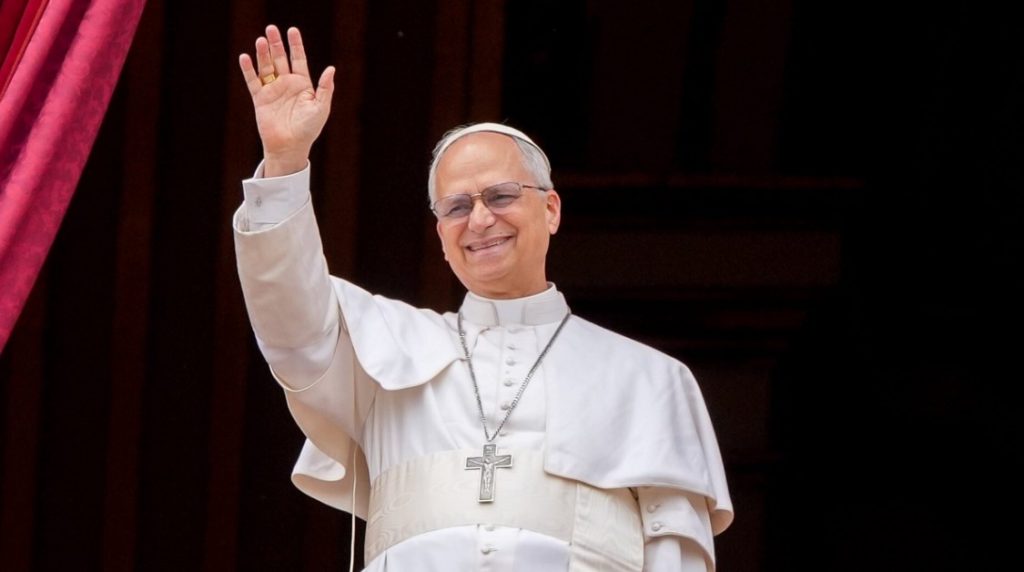
I want to mention the clash between Trump and the Pope, as I don’t understand the reason for the confrontation. The Pope criticized the attack on Iran without mentioning the risk that that country might possess a nuclear weapon, and Trump told him not to meddle in politics. I believe no one wins in a bad relationship, and although the Secretary of State went to the Vatican to try to ease the tension, neither side made any comments. I also want to comment on a 42,300-word papal encyclical on the risks of artificial intelligence, which discusses the dangers but not the achievements of technological advancement.
Turning to Mexico, I feel the situation is deteriorating rapidly and that the country faces complex political and economic challenges that are limiting the government’s options. With the newly proposed reforms to the judiciary, Morena is extending its control over the country and further reducing the possibility of amending the current law, a move that has not been well-received. Plan Mexico, which has many positive aspects, has not attracted the investment it hoped for, and only the National Infrastructure Plan can trigger the expected GDP growth. However, there are not many funds to implement it. A new financing scheme was announced to support private investment. The consensus among analysts is that economic growth will be 1.1% in 2026, which is insufficient for an emerging economy. Some experts believe the deficit relative to GDP will be 5%, not the 3.9% projected by the government.
The World Cup, which begins on June 11, is a great opportunity to showcase a young, dynamic country with great potential. However, the poor condition of the airport, the dispute between Uber and taxi drivers, the threats from the teachers’ union (CNTE) with its ridiculous demand for a 100% increase in teachers’ salaries, and a stadium that is not fully completed are headwinds that I hope will not detract from the positive aspects of the event.

The renewal of the USMCA is very important for both foreign investment and the peso’s stability, and I don’t like that both sides are already saying it may extend beyond July 1, which was the projected date for concluding negotiations. Nor does it sound good that the Canadians are talking about a bilateral treaty that doesn’t include Mexico.
The case of Governor Rocha, the activities of López Obrador’s children, and the issues involving Chihuahua Governor Maru Campos are causing a stir that is interfering with Claudia Sheinbaum’s administration. The relationship with the United States, which, in my opinion, has not directly affected Mexico’s sovereignty, also creates a sense of uncertainty. I am very concerned about the decline in Pemex’s production, which in 2004 accounted for 40% of federal revenue and now accounts for only 16.5%. Total tax revenue accounts for 17% of the treasury’s income, the lowest in the OECD, which averages 36%. It is difficult to gauge the cost of the Iran conflict for Mexico since, despite being an oil-producing country, it is a major importer of refined products, and the decline in oil production is not linked to fuel consumption. The government’s net subsidy for gasoline and diesel stands at 5 billion pesos per week—money the government does not have to spare.
Banxico lowered the interest rate again to 6.5%, but it is expected to enter a period in which it will no longer reduce the rate. President Sheinbaum’s popularity has dropped slightly but remains above 65%, largely due to social programs supporting the most vulnerable through debit cards and the new “defense of national sovereignty.” Another step backward for democracy was the Senate’s approval of a law allowing the government to cancel any election (including the presidential election) if it is determined that other countries interfered in the process. This ensures the ruling party remains in power even if it loses an election.
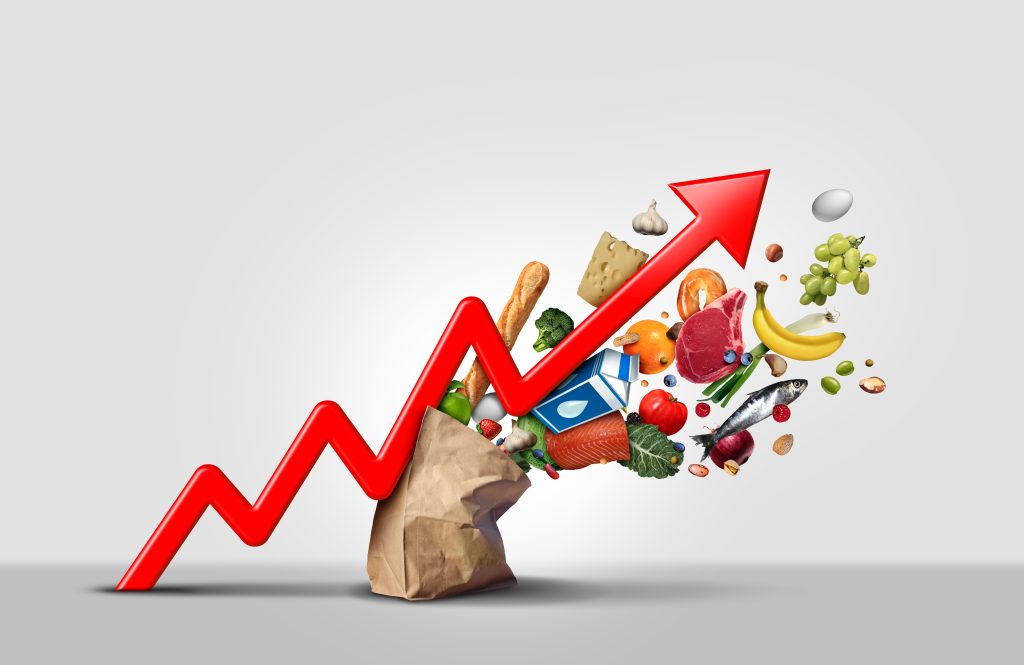
The government published the cost of the basic food basket: $2,599/month in urban areas and $1,966 in rural areas. I’m not exactly sure what’s in that basket, but it sounds like it costs very little. The IMEF reported its latest economic figures for 2026: 1.2% growth, 4.3% inflation, 270,000 jobs created, and the peso at $18.34 by year-end.
As I do every month, I’m including my list of positive and negative news about Mexico.
Positive
· The government will invest $8 billion in pipelines for oil transportation.
· The average of bank analysts’ forecasts reduces GDP from 1.49% to 1.38% this year, but increases the 2027 forecast from 1.82% to 1.88%.
· Car sales rebounded. April saw an 8.6% increase over the previous year. From January to April, 1.62 million cars were sold, 70% of which were exported to the U.S.
· Carso is expanding its energy operations with an investment exceeding $1 billion.
· Mexico City International Airport (AICM) reached an all-time high of 46 flights per hour.
· The SAT is refunding 31.87 billion pesos to taxpayers.
· Finance Secretary Amador forecasts that GDP will grow by 2.3%, much more than analysts predict, that the country will regain its lost credit rating, and that the deficit will be 4.1% of GDP.
· GM announced that it will produce the electric car from its joint venture with a Chinese company in Mexico.
· The trade surplus in April was $3.52 billion.
· Pemex has a new CEO, an expert in the field, and reported that refining is at an 11-year high and that gasoline imports were cut by 13%.
Negatives
· Rating agencies downgraded Mexico’s credit rating: S&P placed it on negative watch, and Moody’s lowered it to BB+, below investment grade.
· From January to April, income tax revenue fell by 1.6%.
· Airports operated by Grupo Aeroportuario del Pacifico (GAP) and Grupo Aeroportuario Centro-Norte (OMA) reported declines for four consecutive months.
· DHC, the water producer and distributor for Cancún, filed for bankruptcy.
· Industrial production contracted by 1.3%.
· Reserves stand at $255.758 billion, up 1.5% for the year, but with no growth in the last three months. The United States is imposing stricter controls on remittances, both regarding who sends them and how they are sent.
· The first-quarter GDP report showed a decline of 0.6%. Two consecutive negative quarters represent a technical recession.
· The NISAR satellite determined that Mexico City is sinking 25 cm per year.
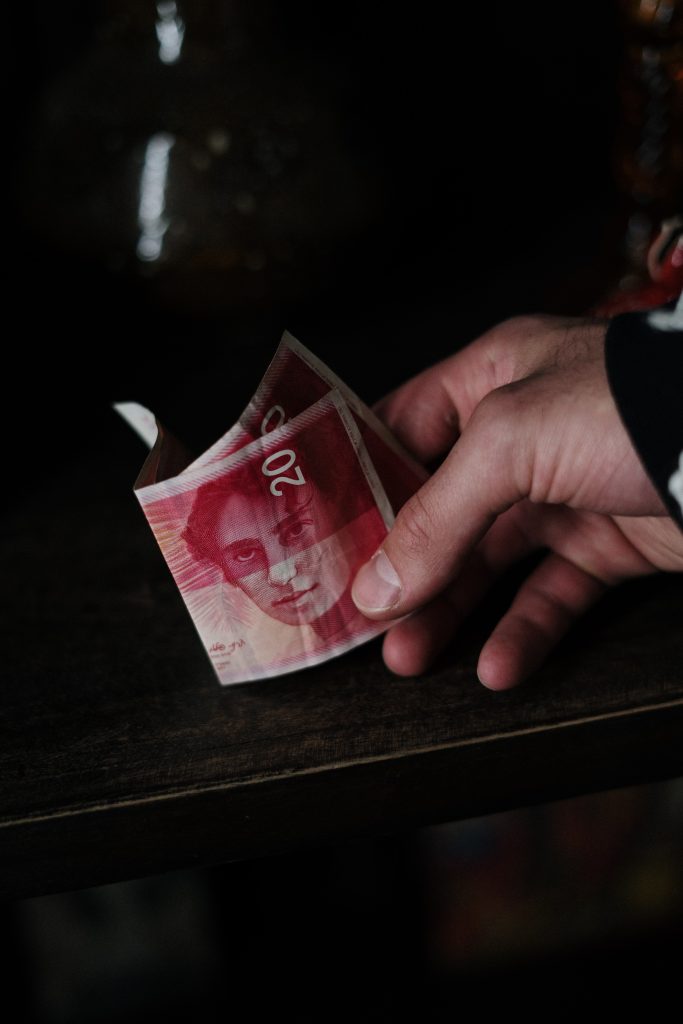
Turning to other countries, Israel remains in a seemingly endless war, with Hezbollah firing hundreds of rockets and drones almost every day and fighting in Gaza, where it already controls 70% of the territory. The shekel is extremely strong at 2.81 per dollar, which puts significant pressure on inflation and benefits importers, though it does not greatly affect exports, as Israel sells products abroad that are not easily replaceable, such as technology and medicine. The first quarter was very weak, with an annualized contraction of 3.3%, although the full-year forecast remains positive at 3.5% to 3.8%. The central bank lowered the rate from 4% to 3.75% in an attempt to curb the shekel’s strength, and thanks to inflation remaining within the target range of 1–3%.
Two of Israel’s universities made the list of the world’s top 10 for entrepreneurs. The government is once again in crisis due to the withdrawal of one of the two ultra-Orthodox parties from Netanyahu’s coalition, which will have to call for elections in the coming months since it lost its majority in parliament.
In news from the rest of the world, Argentina received a credit rating upgrade due to the results of Milei’s policies and U.S. support. Bolsonaro in Brazil has now overtaken Lula in the polls ahead of the upcoming election, and the right-wing candidate won Colombia’s election. However, he secured only 43.7% of the vote, sending him to a runoff in June, where he is expected to win the presidency. Chinese investment in Brazil rose 45% from the previous year; Shell invested $4.25 billion in Brazil; Chile reported that its April copper production was the lowest in 23 years; and Panama imposed a 15% tax on foreign financial firms.
China’s economy continues to contract rapidly, with new loans falling by nearly $36 trillion—a bad omen for the future. The trade surplus stood at $84.5 billion, down from $95.9 billion in 2025, while car sales fell 20% despite a 2% increase in production.

Aramco, Saudi Arabia’s oil company, said that the closure of the Strait of Hormuz affects 100 million barrels of oil per week. Hong Kong has surpassed Switzerland as a repository of foreign wealth, with wealth totaling $2.9 trillion. Europe as a whole has maintained its production; inflation remains moderate despite being a major oil importer, and unemployment has stayed stable, except for the UK, which continues to face significant domestic political issues and a government on the brink of collapse.
Canada reported its second consecutive quarter of GDP decline, placing it in a technical recession.
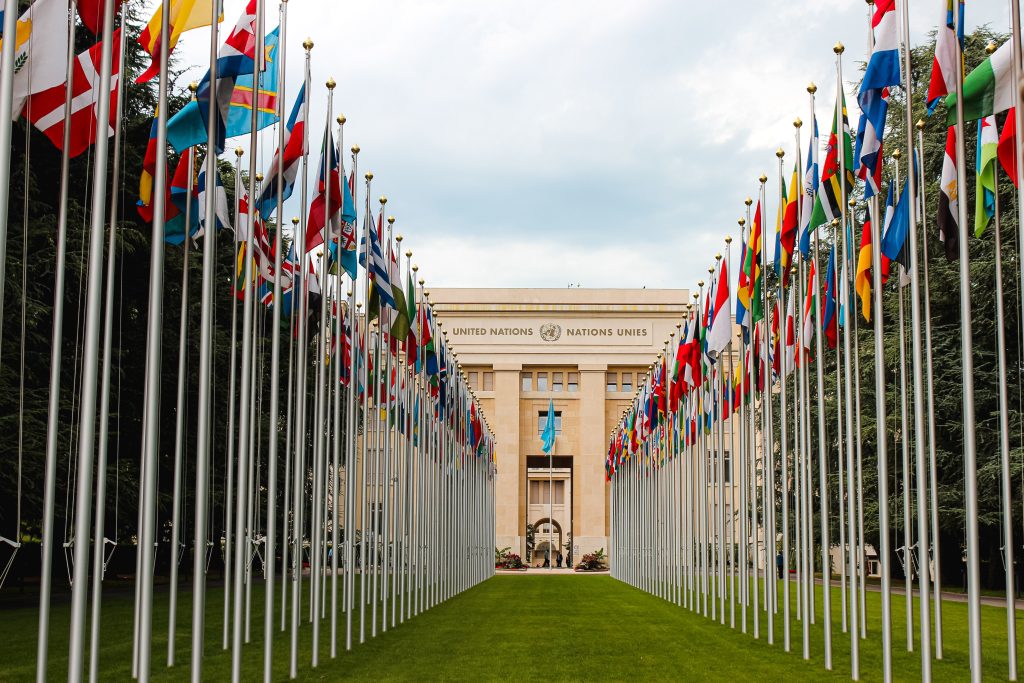
I want to conclude this letter by noting that the UN is on the verge of bankruptcy, as the United States has stopped paying over $4 billion by withdrawing from several of the organization’s programs, and China owes more than $500 million due to disagreements with the UN.
In the financial markets, we saw stock markets reach all-time highs driven by a handful of tech companies, particularly semiconductor and memory firms, all tied to artificial intelligence. Bonds had a stable month with a slight downward trend; currencies weakened against the dollar—which always happens when oil prices rise—and gold remained around $4,500/oz. Bitcoin continues to trend slightly downward, and in general, the more speculative investments did not have a good month.

Further Reading: