
Federico Reyes Heroles
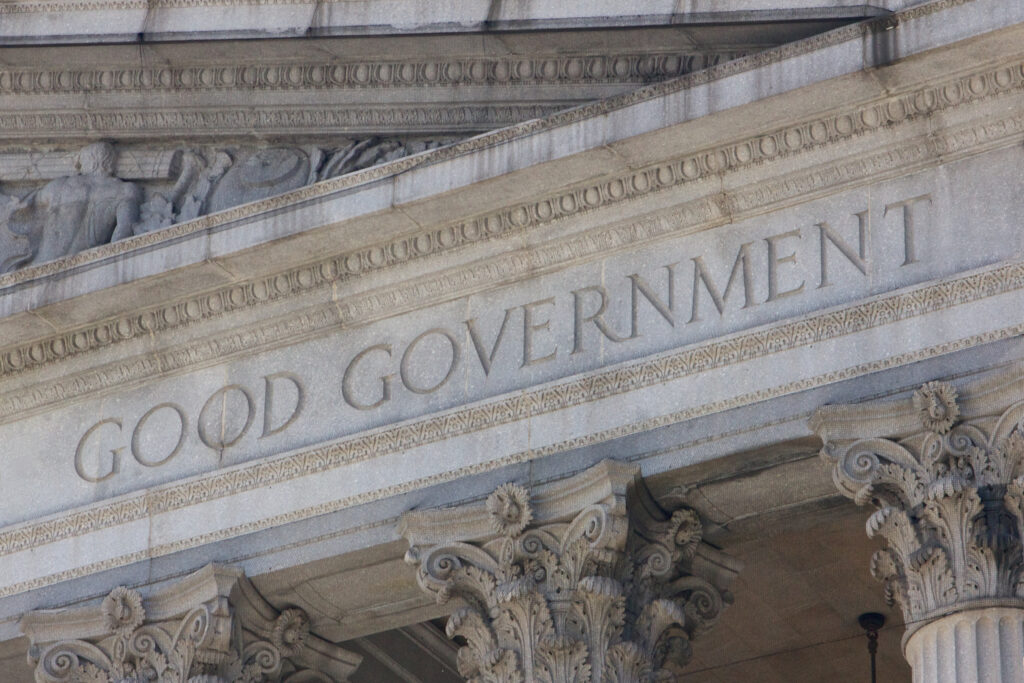
At times, it may seem somewhat ethereal, a formalistic term. But a single word encompasses many requirements. The Royal Spanish Academy (RAE) reminds us of them: “formality, responsibility, accuracy, rigor, or decency in the way one acts or behaves.” All of that is encapsulated in the word “seriousness.” For those who view the term “decency” as a bourgeois attribute—a common perception—the RAE itself explains its origin: “…dignity in actions and words.” This is the reality we face: the actions of an unworthy government lacking in seriousness.

The unworthy legislators—the majority—pass laws without even making the most basic calculations of the consequences. Just imagine what the turnout would have been for the 2027 federal election, combined with the local and judicial elections: 18,930 seats, 17 governors, 1,098 state representatives, 500 federal representatives, 13,515 city council members and trustees, multiplied by, say, seven parties. Tens of thousands of names on the ballots, tens of millions of different votes—the voter registry is approaching 100 million—to be reviewed and tallied. Additionally, millions of citizens need to travel to distant polling stations for different purposes.
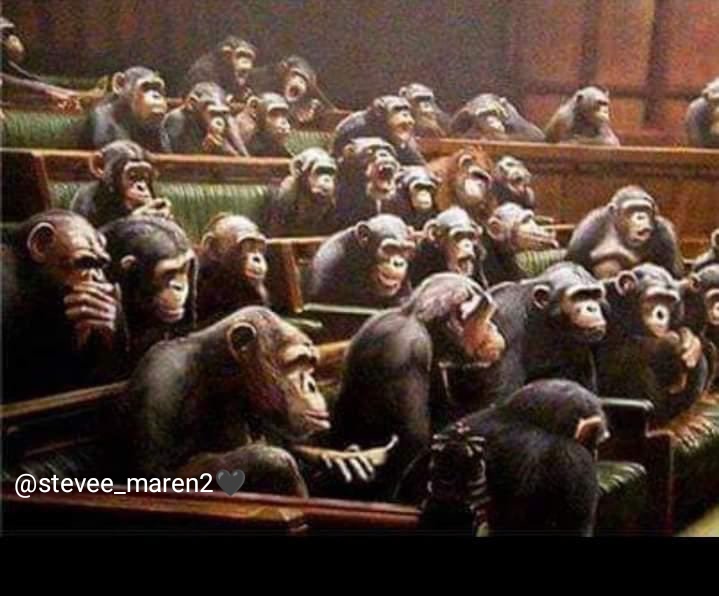
Now that they’re in a bind, due to improvisation and a complete lack of seriousness, they’re moving forward with the reform of the reform. Procedural violations, such as amending a secondary law before the constitutional one has been enacted, are the least of it. The Court has already relaxed the criteria regarding violations of legislative procedures. Great. Due to the electoral calendar and, once again, caught up in the rush, more ideas are popping up along the way. That a group of National Electoral Institute (INE) council members should be in charge of verifying the reliability of the candidates proposed by the parties. Fortunately, the president of the General Council stepped in to remind everyone that being an investigator is not among the institution’s functions.

Caught up in nonsense, Congressman Monreal proposed a reform to annul elections due to foreign interference. The danger lies in the vagueness; anything goes: “Interference, financing, pressure, manipulation, or coercion by foreigners… Political, economic, diplomatic, or media pressure. Intervention to favor or harm candidates…” and so on. The President immediately came out to warn us of a “real risk” of foreign interference. So, if The Economist, the NYT, the Washington Post, El País, El Clarín, or any foreign television network publishes a critical investigation into the management of the Mexican economy or the corruption of a public official, would that be interference? And what about credit rating agencies in the midst of globalization? It is up to the Electoral Tribunal—already co-opted by the ruling party—to annul the election at its discretion. But, of course, Claudia Sheimbaum Pardo is already speaking of “possible irregularities” in the Colombian election. Is that interference?

And what about the “gift-bribe,” as it has been called, given to the Electoral Tribunal magistrates? Four of its members endorsed over-representation in 2024. Now they are authorizing reelection, which could lead them to remain in office for nearly two decades. Those who once demanded systematic turnover now defend the possibility of perpetuating themselves in office. Those who criticized nepotism now need to be traced through complex family trees.

Another one. Sheimbaum asks the public not to “watch TV Azteca.” I declare a conflict of interest, since I contribute to that station. But it doesn’t matter; it could be anyone—from a radio or a newspaper—just as they’ve done to many others for years. It has become customary for the ruling party to discredit the media and individuals through the presidential megaphone. This violates Article 6 of the Constitution, which safeguards the right of citizens to be informed through whatever means they choose. That is true freedom. The cherry on top: a group of Supreme Court justices attends a partisan rally—confirmation of the bias.
To demand seriousness today is to be part of the opposition.

Further Reading: