
Luis Rubio
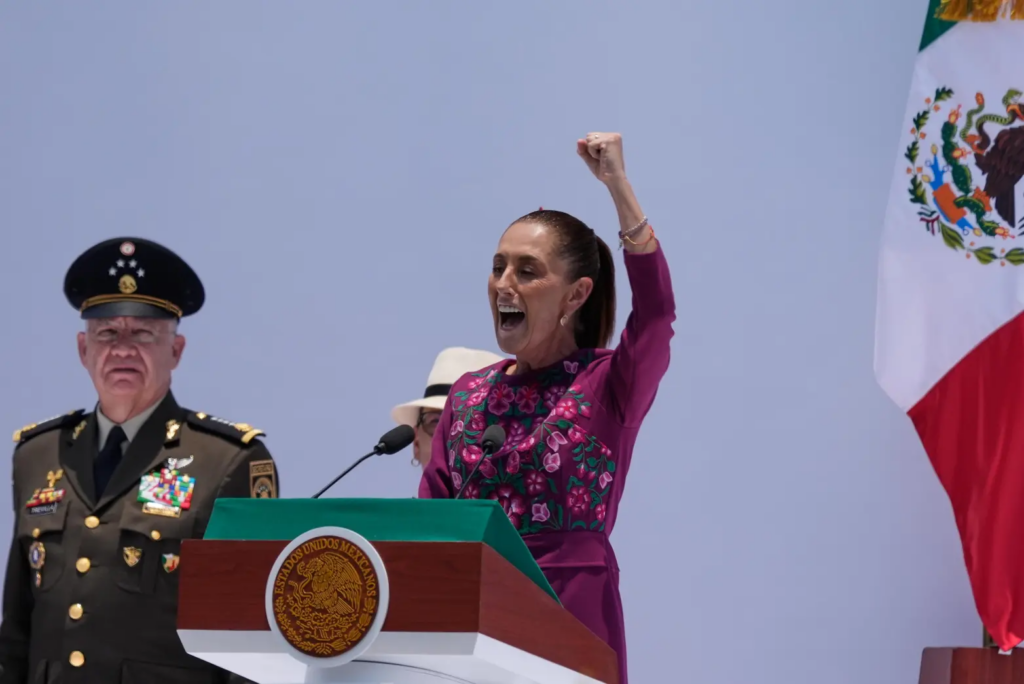
President Sheinbaum has chosen political theater over economic realism.

At a moment when Mexico faces economic stagnation and mounting geopolitical pressures, she has focused not on broadening her coalition or strengthening the country’s prospects, but on reinforcing her political base while lashing out at the very sectors she should be courting. It is another missed opportunity—one that may carry real costs.

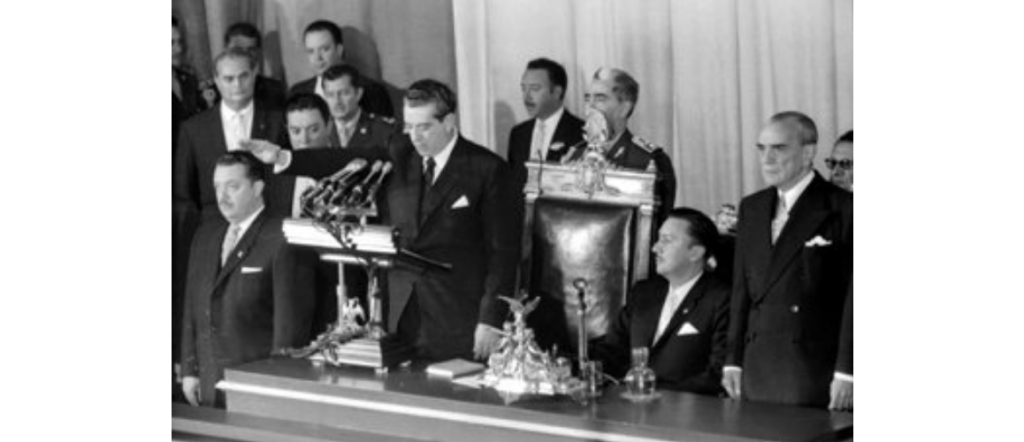
Mexico has faced hostile external environments before, and its leaders have often resorted to nationalist rhetoric to divert attention from domestic weakness. The tactic is familiar. It is also rarely effective. Even López Obrador understood this, avoiding direct confrontation with Washington and instead relying on lengthy historical flourishes that produced more symbolism than substance.
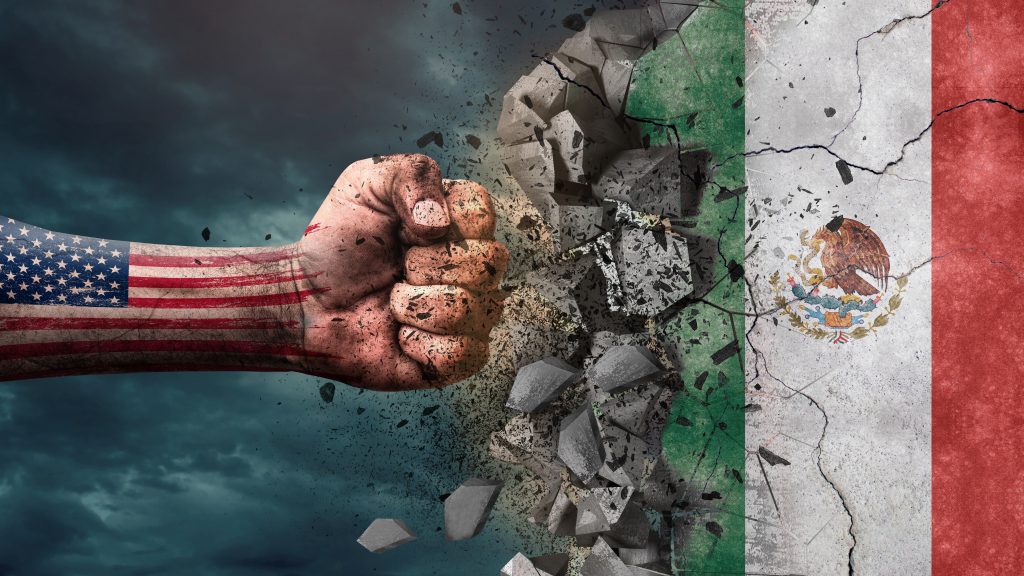
To embrace open confrontation today, however, is something else entirely. When Mexico’s economic lifeblood depends on integration with the United States—and when efforts to attract fresh investment have fallen short—such rhetoric edges into recklessness.

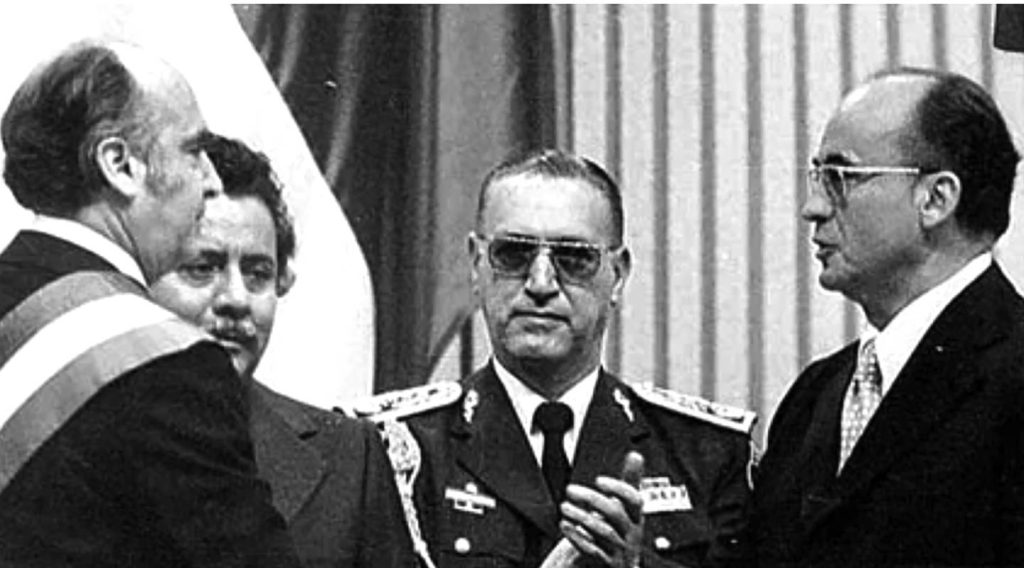
The old PRI-era playbook no longer applies. Back then, anti-American bombast was largely for domestic consumption. Messages rarely crossed borders in real time, U.S. policymakers tolerated rhetorical inconsistency in the name of political stability, and Mexican leaders, whatever their public posturing, never lost sight of geopolitical reality.
That world is gone.

In an interconnected era, political messages reach all audiences instantly. The rhetoric that energizes a domestic base can simultaneously alienate investors, policymakers, and international partners. What sounds like political strength at home can register abroad as instability, hostility, or irresponsibility.

That matters because Mexico’s relationship with the United States is no longer merely important—it is existential. Remittances, exports, migration, and cross-border investment tie the two countries together in ways previous generations never experienced.
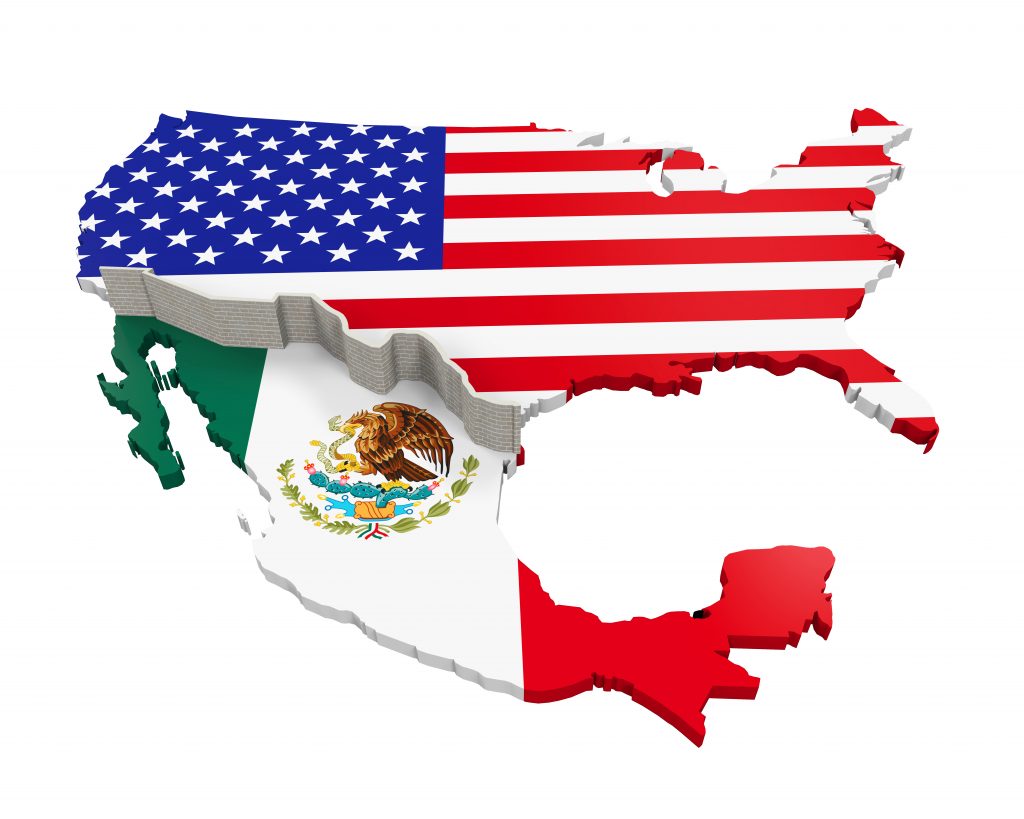
Assuming that Donald Trump’s posture toward Mexico is merely electoral theater reflects a dangerous misunderstanding. It projects Mexico’s own domestic political logic onto a U.S. political landscape shaped by different incentives and shifting structural realities.
History offers a warning. During World War II, after Britain had gained the capacity to retaliate against German bombing, RAF commander Sir Arthur Harris reminded his audience that the Nazis had entered the war believing they could strike others without consequence. “They sowed the wind,” he said, “and now they shall reap the whirlwind.”

Political provocation works much the same way. Every action invites a reaction.

Morena’s domestic dominance appears to have fostered the illusion that political power at home can compensate for external constraints. It cannot. Constitutional overhauls and legislative muscle may consolidate internal control, but they do not generate investment, improve growth prospects, or expand Mexico’s strategic room for maneuver.

The question is whether hegemony can endure without the resources to sustain it.

López Obrador enjoyed freedoms made possible by fiscal and institutional inheritances accumulated by previous governments. Those cushions are now largely gone. The current administration has inherited far less flexibility than it appears willing to acknowledge.

Mexico’s circumstances call for the opposite of confrontation. They demand policies that strengthen domestic institutions, restore economic confidence, and build practical bridges with Washington.

Sheinbaum is right to reject any U.S. attempt to “clean up” Mexican politics from abroad. But rejecting external pressure without pairing it with a credible internal assault on corruption only reinforces the problem.

The result is self-defeating: confrontation with Mexico’s principal economic partner, the erosion of channels for cooperation, and an invitation to escalation.
@lrubiof
The original Spanish version of this article can be found at www.luisrubio.mx
Further Reading: