
Luis Rubio
When the Greek statesman Demosthenes was asked why Athens was in decline, his answer was blunt: stop doing what you are doing. National decline is not inevitable—though it can be politically popular—and yet the warning signs in Mexico are everywhere, whether we choose to see them or not.

Governments, and the citizens who elect them, shape a country’s trajectory through everyday decisions. There is no fixed destiny. As the poet Antonio Machado wrote, the road is made by walking—but every step carries consequences. Laws, budgets, investments, and consumption patterns all push a society in one direction or another. Given its scale, government action matters far more than individual choices. And today, that action points toward a steady, if not yet catastrophic, decline.
This is not about relitigating economic models. Every model has strengths and flaws. The failures of governments before 2018 have been dissected (and exaggerated) endlessly. What can no longer be avoided is an honest assessment of the model pursued by the party in power since then.
Even allowing for disputes over the data, there is little doubt that Morena’s social policies have raised incomes for many families, boosting consumption. That achievement is real and commendable. But it comes with a price: slower economic growth.

Budgets are about trade-offs. By prioritizing cash transfers, recent governments have sharply reduced investment in infrastructure, maintenance, and other growth-enhancing assets. Worse still, the flagship projects of the previous administration were poorly chosen. A lightly used train with minimal domestic inputs does far less for the broader economy than a highway or an airport. It is not just how much the government spends—it is what it spends it on.
Mexico’s growth record underscores the problem. For decades, the economy has expanded at roughly 2% a year, an average that masks deep regional inequality. States like Aguascalientes and Querétaro have grown near 7%, while much of the south has stagnated. Ironically, although the previous government’s megaprojects were concentrated in the south, they were not designed to generate broad economic spillovers there. The result was a double failure: massive resources wasted on low-impact projects that did nothing to lift the country’s most disadvantaged regions, despite all the rhetoric devoted to them.
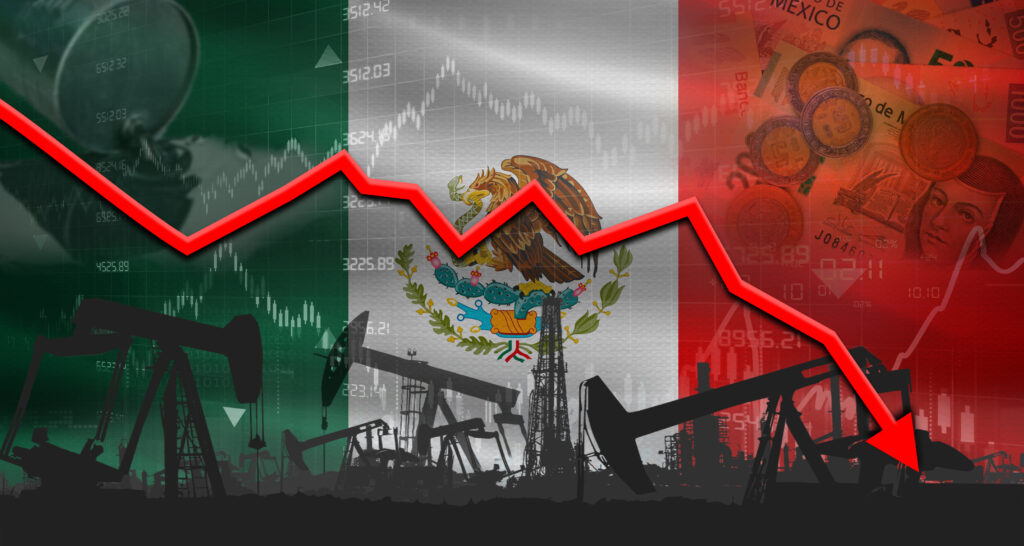
Slower growth means less social mobility, higher unemployment, weaker innovation, lower productivity, and ultimately deeper backwardness. It also means fewer fiscal resources, creating a vicious circle and increasing the risk of losing investment-grade status. The point is not to deny the government’s electoral mandate, but to confront the internal contradictions of its economic strategy.
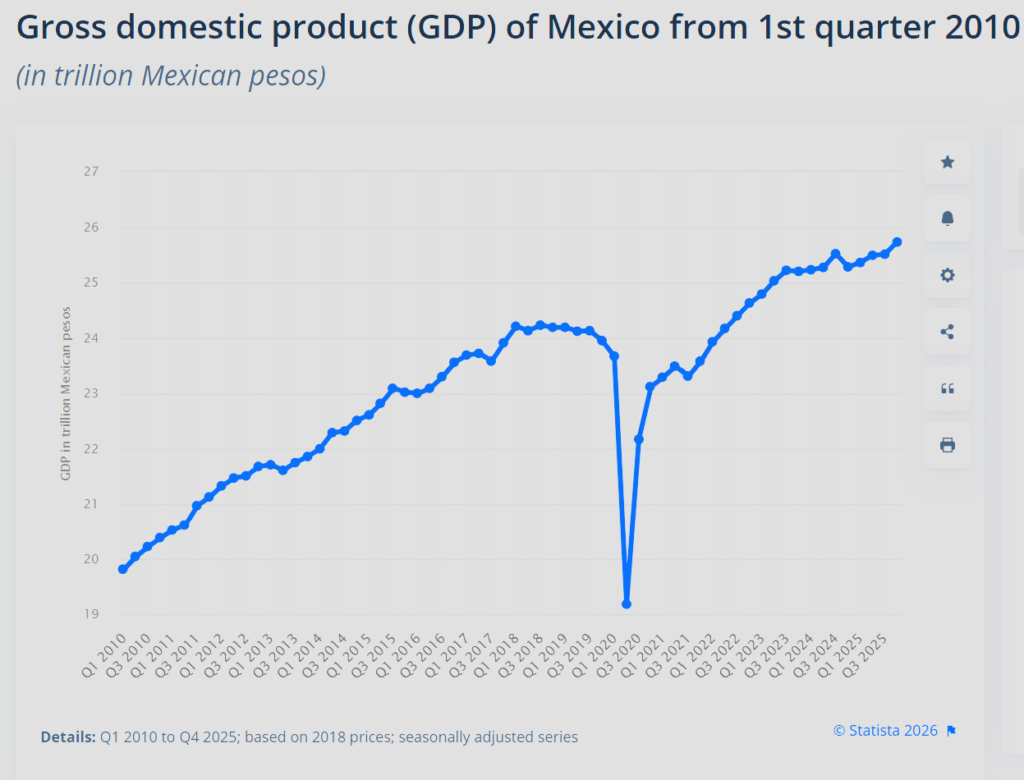
Beneficiaries of the current model are understandably grateful. But gratitude does not erase consequences. Scarce resources mean that far fewer people will benefit than could have under a more balanced approach. That is a troubling legacy.
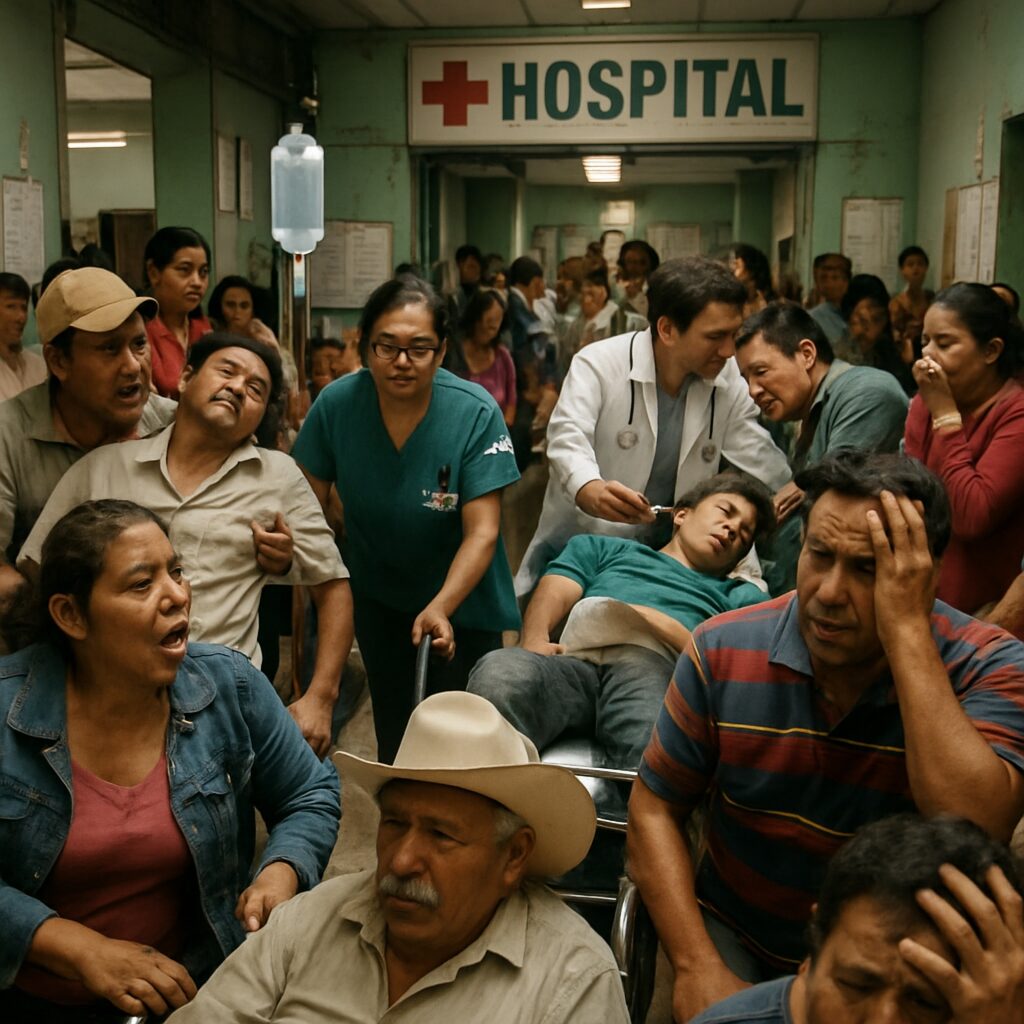
Decline is not caused by raising the minimum wage or expanding social transfers per se, but by the logic behind them. Consider one example: to qualify for the “Building the Future” program, young people must neither study nor work. It is hard to imagine a policy more poorly designed to build an actual future.

What drives decline is the combination of misallocated public resources and policy decisions that actively discourage private investment. A healthier model would reduce inequality with budgetary allocations while creating clear, stable conditions for private investment to drive sustained growth. Instead, Mexico has a social strategy that undermines growth and a political strategy that punishes private investment. Few combinations could be more damaging.

In any healthy democracy, citizens would be mobilizing in response to this reality. Yet many organizations that once championed progress, pluralism, democracy, and development appear to have abdicated that role.

Demosthenes had it right: the path we are on will not get us where we need to go.
@lrubiof
The original Spanish version of this article can be found at www.luisrubio.mx
Further Reading: