
Luis Rubio
History is filled with leaders so consumed by their domestic agendas that they lose sight of the world around them—and end up paying a devastating price. Historian Barbara Tuchman chronicled this pattern repeatedly: rulers blinded by internal political struggles, ideological obsessions, or personal ambition until external realities finally crashed down on them.
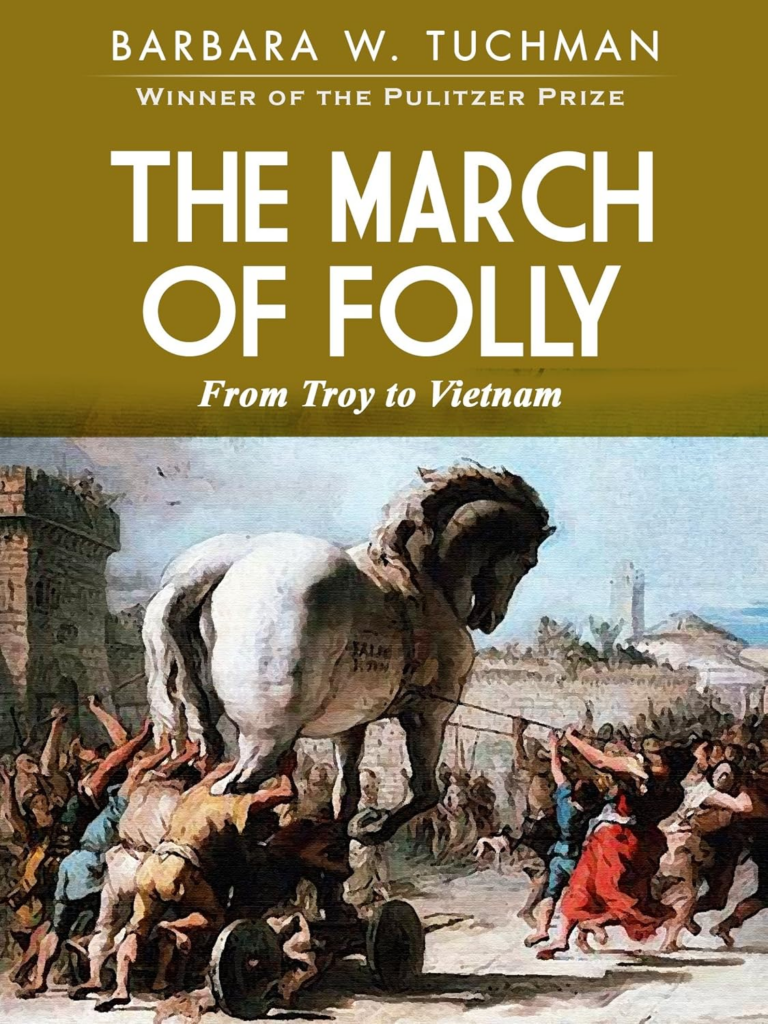
The Renaissance popes became so entrenched in Rome’s patronage politics that they helped trigger the Protestant Reformation. King George III focused so narrowly on parliamentary maneuvering that he failed to grasp how colonial taxation could shatter the British Empire. Lyndon B. Johnson poured his political capital into the Great Society while stumbling into the catastrophe of Vietnam, a country he barely understood. In every case, the warning signs were obvious. The problem was not the absence of alarms, but the refusal to acknowledge them.

Mexico now seems determined to repeat the pattern.

The alarms are everywhere. The U.S. government increasingly views Mexico as a country deeply penetrated by organized crime, with major sectors of the political system compromised by criminal networks. Whether that assessment is entirely fair is almost beside the point. It has become the dominant view in Washington and has been repeated relentlessly by officials at every level, beginning with President Donald Trump. Ignoring that reality will not make it disappear. It will only make the consequences harsher.

Mexico can invoke sovereignty all it wants, but geography and economics impose limits on rhetoric. Mexico’s economic stability depends overwhelmingly on its relationship with the United States. Exports and remittances are not marginal variables; they are pillars of social and economic stability, especially as domestic growth weakens. At the same time, there is something deeply contradictory about defending sovereignty while appearing to shield individuals accused abroad of criminal ties. Far from strengthening Mexico’s position, that posture reinforces suspicions in Washington.

The central question is unavoidable: who exactly is being protected, and at what cost?
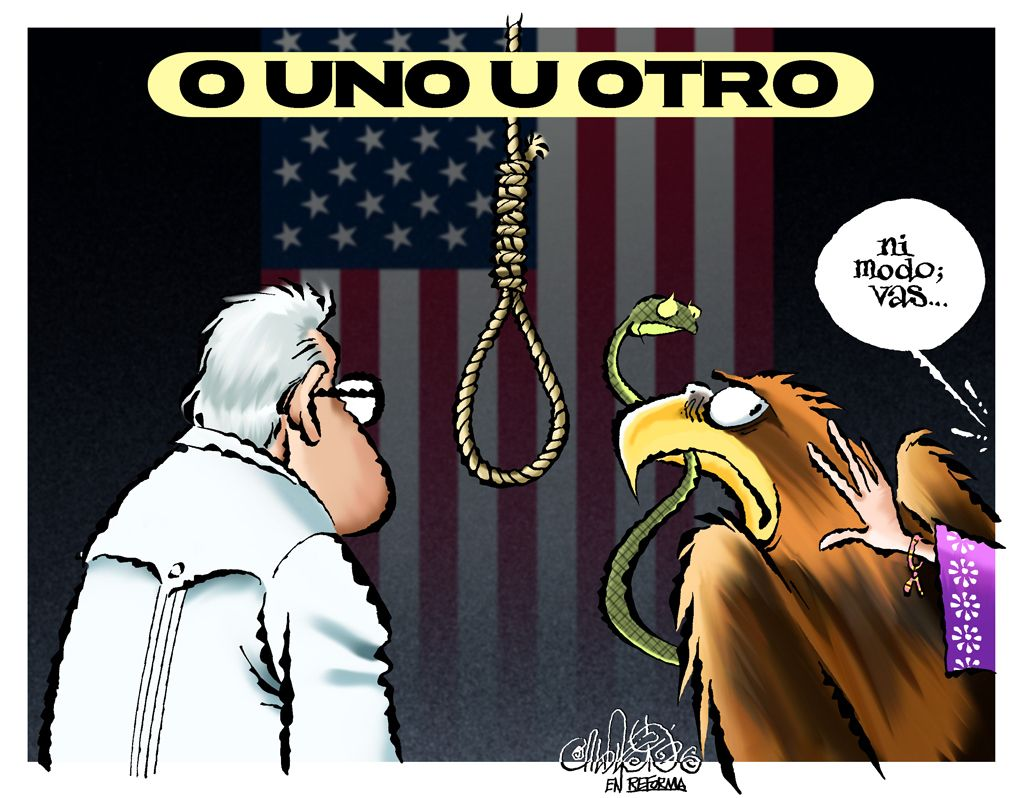
The answer increasingly appears tied to the internal power structure of the ruling party. Since the deaths of two CIA officials in Chihuahua, the government’s communications strategy has focused heavily on domestic political messaging and nationalist rhetoric. But Mexico’s real challenge is external, not internal. The relationship with the United States carries vastly greater consequences than Morena’s factional disputes.
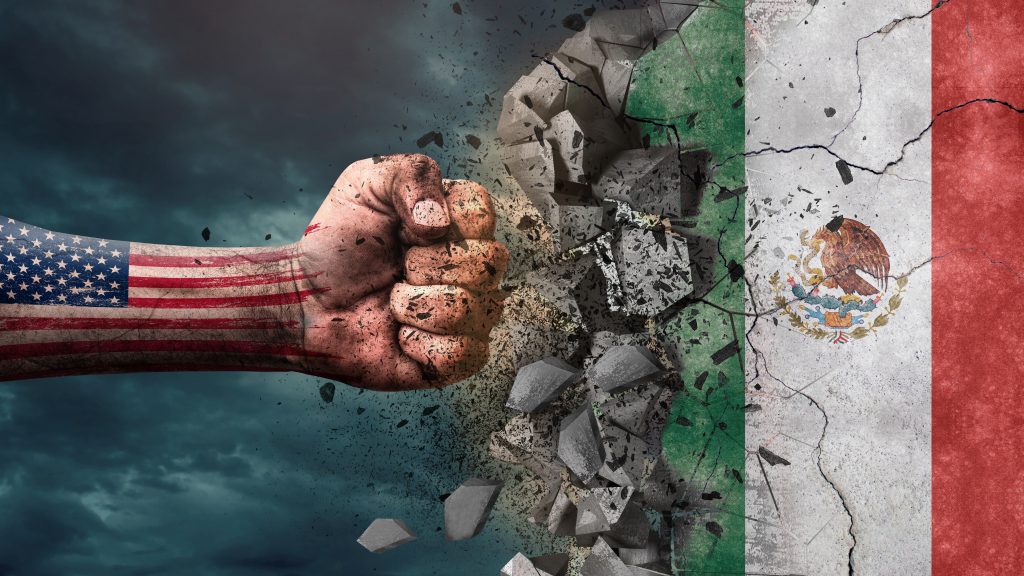
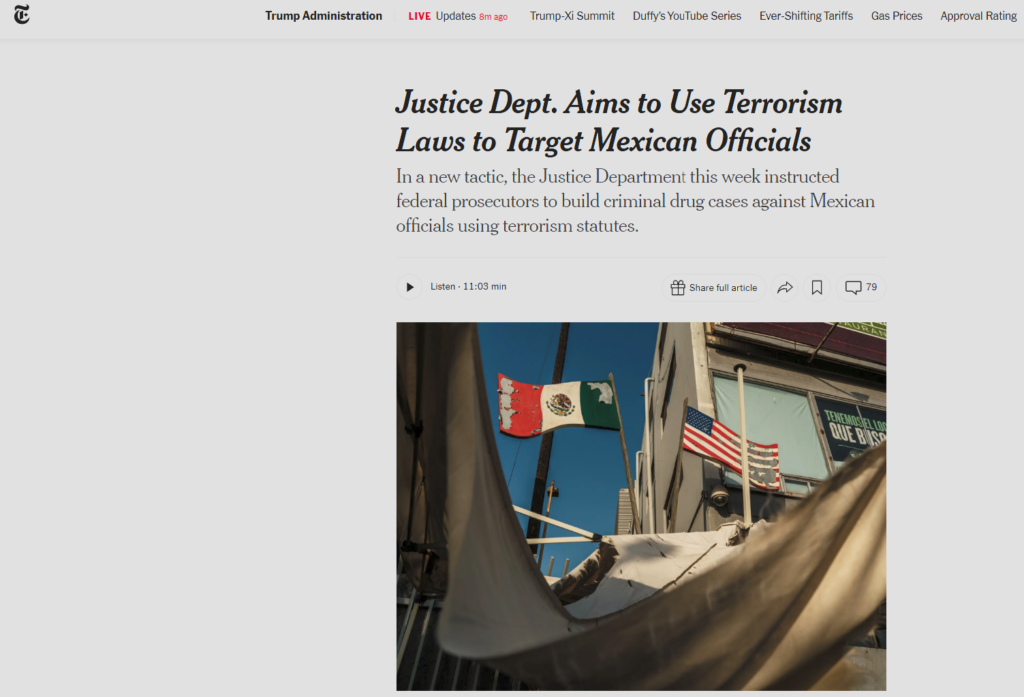
And the risks are enormous. The United States possesses extraordinary legal, financial, political, and economic leverage inside Mexico. Escalating tensions with Washington is not a symbolic exercise. It is a direct challenge to a far more powerful neighbor with ample means of retaliation. Mexico seems to be poking the tiger and assuming the tiger will stay calm.

The government’s response so far has been a steady escalation of rhetoric. American officials are mocked, denounced, and portrayed as morally inferior. The ruling coalition appears convinced that nationalist outrage can serve as a political shield. But neither Americans nor Mexicans are blind to what lies beneath the discourse: influential figures within the governing establishment fear vulnerability to recent accusations and are attempting to wrap themselves in nationalism for protection.
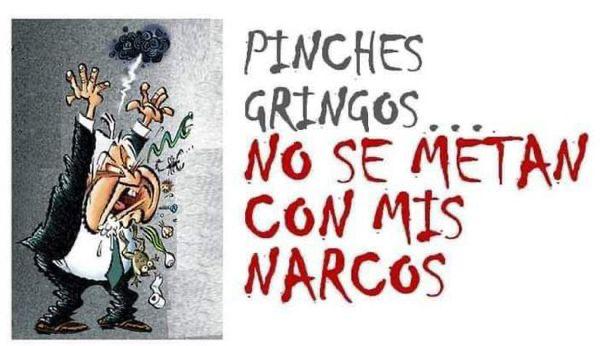
The strategy is unlikely to work.

No rhetorical wall is going to stop a determined White House campaign to “clean up” Mexican politics. And inflammatory language may produce short-term political gains at home while creating far greater dangers abroad.

Mexico would be better served by starting over.

That means abandoning the inflammatory rhetoric and focusing instead on resolving what is fundamentally a domestic, self-inflicted crisis. Weakening independent institutions is one thing; violating international commitments such as extradition treaties is another entirely. Hiding behind nationalist grandstanding may still mobilize political loyalists, but it offers diminishing returns internally while sharply increasing external risks—especially against a U.S. administration that is neither easily intimidated nor inclined to treat Mexico as untouchable.

The time has come to think seriously about costs, consequences, and priorities. Mexico does not need to surrender to every American demand. But the arrogance and condescension now shaping the government’s rhetoric could ultimately leave it with no choice but to do exactly that.
@lrubiofThe original Spanish version of this article can be found at www.luisrubio.mx
Further Reading: