

Luis Rubio
A joke from the old Soviet Union told of a man handing out leaflets at a crowded train station. It didn’t take long for a KGB officer to arrest him, only to discover the leaflets were blank. “What’s the meaning of this?” demanded the agent. The man replied, “What’s there to write? It’s so obvious!” His point was that everyone already knew, or would quickly grasp, the message—because it was common sense. Everyone understood the regime was inefficient and oppressive, though not all had yet concluded it was unsustainable. By drawing attention in a public space, the pamphleteer was giving flight to the discontent that everyone shared, many without even realizing it.
The similarity between Soviet jokes and those about Mexico’s old political system is well-known—and remains all too current. The overwhelming majority of Mexicans never learned about the great electoral revolution of the 1990s, the emergence of democracy, the creation of autonomous institutions, and the rise of checks on executive power. Nor have they noticed the threats looming over those achievements, the ruling party’s growing control, or the risks posed by the possible unraveling of democracy itself. Two Mexicos exist, but they are not entirely disconnected.
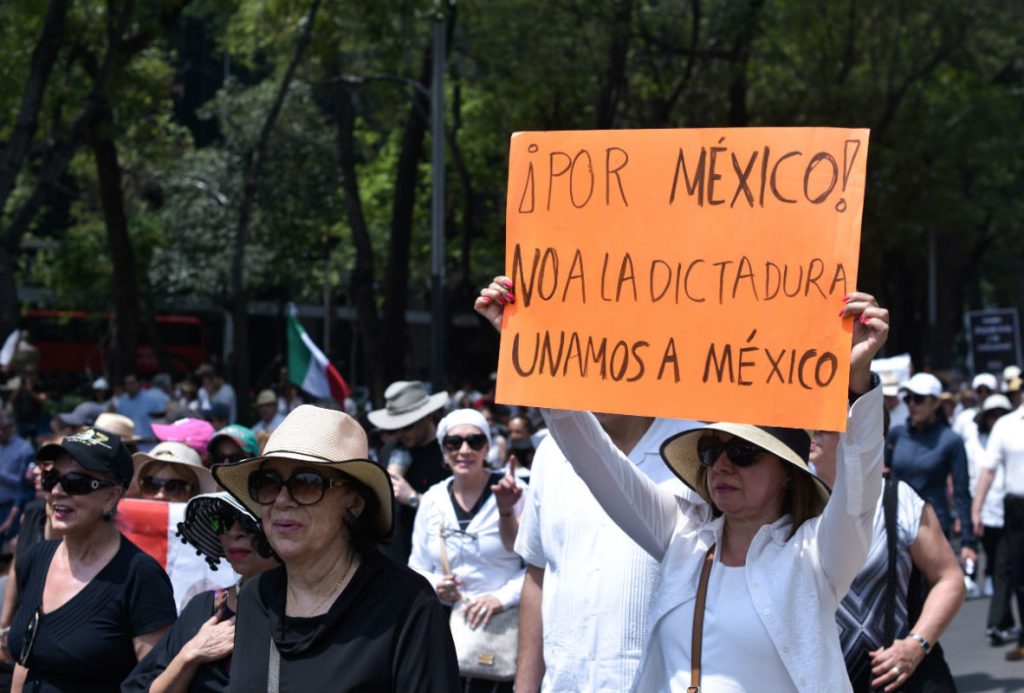
The divide is vast and deep, yet all Mexicans share grievances, unmet demands, and simmering frustrations. The hardships of a peasant in the mountains of Oaxaca may seem trivial to a well-heeled lawyer, but for that farmer, nothing is more important than the lack of water or seed, or the abuses of the official who buys his crops and sells him inputs. The lawyer’s grievances are different, but no less real.

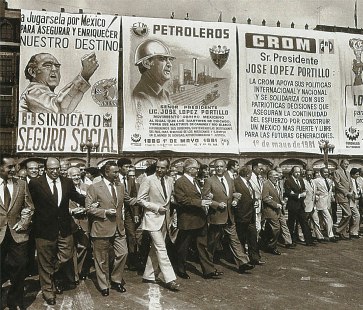
The success of Mexico’s old political system lay less in buying votes than in addressing those grievances. At every level, political operators—government and party alike—were tasked with resolving problems. Not all grievances were addressed, but enough were handled so that the country could function. The system was not designed to foster development—an agenda still pending—but it worked as a mechanism of political stability.
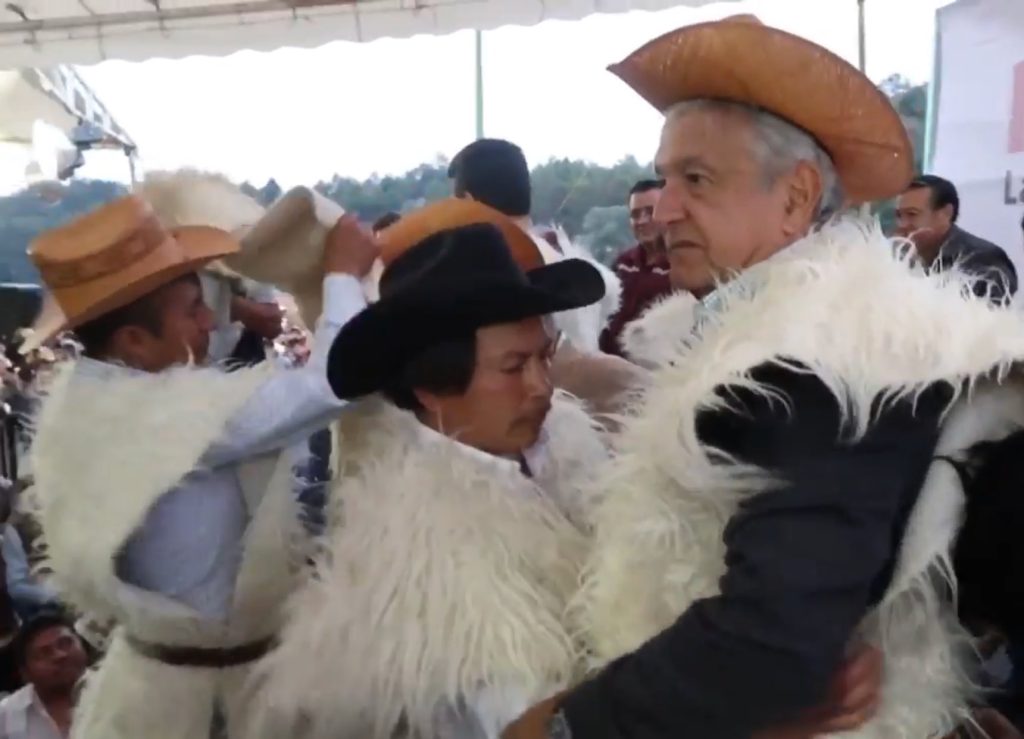
Morena has built its own way of cultivating and feeding its client base. Its strength lies in a structure of exchanges that combines electoral mobilization and public presence (think of presidential visits to a town) with the steady flow of social transfers. AMLO grasped his base like no one before him, binding them emotionally while also tethering them materially with systematic payments—a not-insignificant innovation, as elections and popular satisfaction surveys attest. This, of course, dulls the anger, but it does not resolve the grievances.
As the Soviet joke suggests, the causes of discontent are neither new nor uniform. Few Mexicans can say they don’t feel aggrieved by some facet of the country’s dysfunction. For some, it’s potholes; for others, water shortages or a lack of medicine. Everyone experiences insecurity in one form or another. And surely no one escapes the abuses of bureaucracy, entrenched corruption, the mistreatment by inspectors and officials, the lies of the daily “press conference,” or the political rhetoric detached from reality. If it’s all so obvious, the real question—following the logic of the Soviet anecdote—is why there is no generalized outcry to address both the particular and the collective grievances.

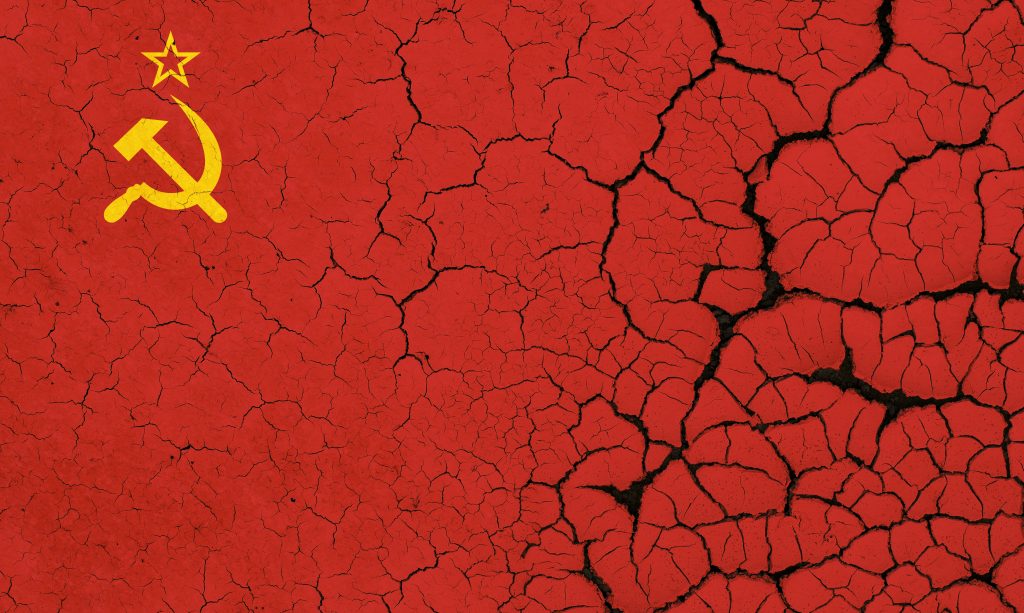
The Soviet Union collapsed because it could not meet even the most basic needs of its people. Mexico, instead of choosing to solve its problems once and for all, opted for partial reforms, which produced two consequences: deepened divisions and the resolution of some longstanding problems, ushering in an era of unusual economic stability.
Those reforms happened in a short span; everything afterward, to borrow an infamous expression from president Fox, was “playing dead,” without confronting the consequences of leaving the nation’s structural problems unattended. Ironically, that neglect created the conditions for today’s wholesale destruction—sweeping away what worked along with what didn’t.
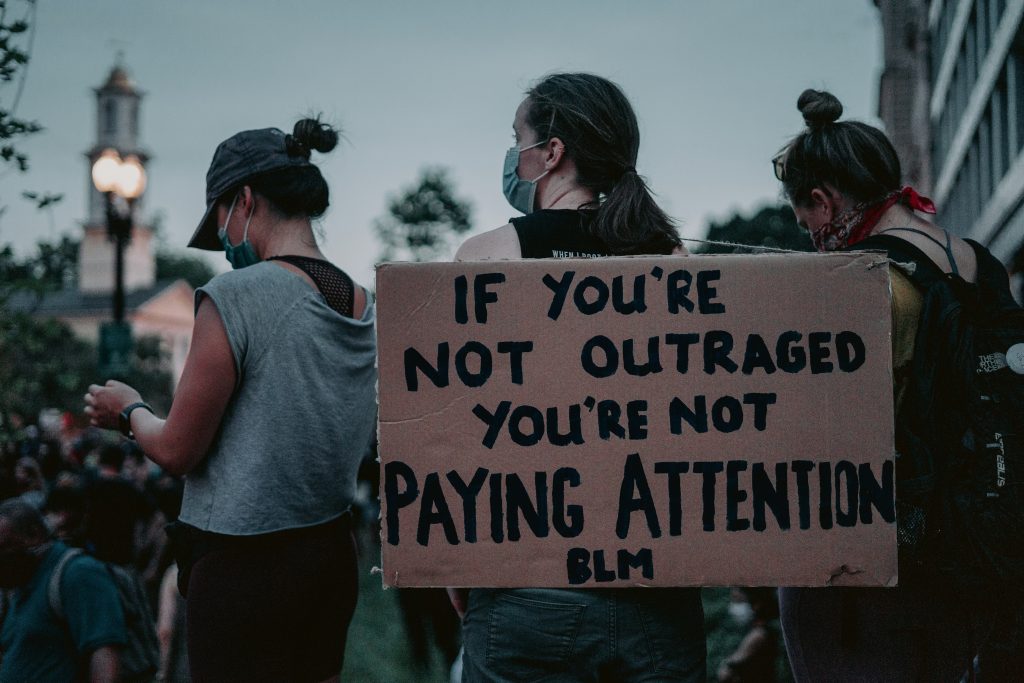
And so we arrive at the fundamental question that Mexicans, consciously or not, keep asking: Is there a way out? The Soviet joke has made me reflect on the one point of convergence nearly the entire population shares: grievances against the abysmal governments we’ve endured, regardless of their rhetoric, colors, or flags. One day, those grievances will become the true and unstoppable banner of national unity.
@lrubiof
The original Spanish version of this article can be found at www.luisrubio.mx
Further Reading: