Ricardo Pascoe Pierce
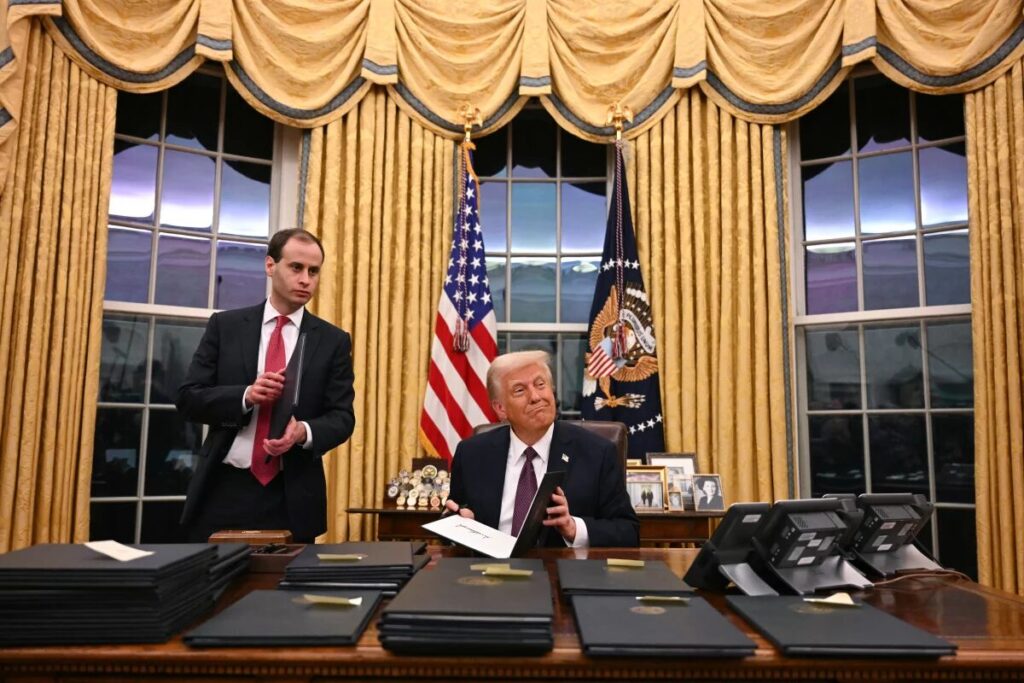
Mexico is entering a phase in which its relationship with the United States has moved beyond purely diplomatic, commercial, and immigration matters to include a much more sensitive dimension: U.S. national security and the extraterritorial prosecution of drug trafficking. The turning point was Washington’s decision to designate Mexican cartels as foreign terrorist organizations. The Trump administration has built a strategy around that decision, combining intelligence, financial sanctions, legal prosecution, immigration restrictions, and diplomatic pressure. The White House maintains that the cartels pose a threat to U.S. national security and that it will use all necessary economic, diplomatic, intelligence, and military tools to weaken them.
This radically changes the situation for the Mexican government. It is one thing to confront drug trafficking as an internal public safety issue. It is quite another for Washington to consider that Mexican officials, police officers, businesspeople, and politicians are part of the protection networks for organizations that the United States deems a terrorist threat.
The case of Rubén Rocha Moya is, so far, the most explosive example. The U.S. Department of Justice formally charged the governor of Sinaloa and nine other current and former officials with crimes related to drug trafficking and weapons, alleging that they collaborated with the Sinaloa Cartel and the Los Chapitos faction. The U.S. Department of Justice itself notes that these are allegations, so all the defendants are still presumed innocent.
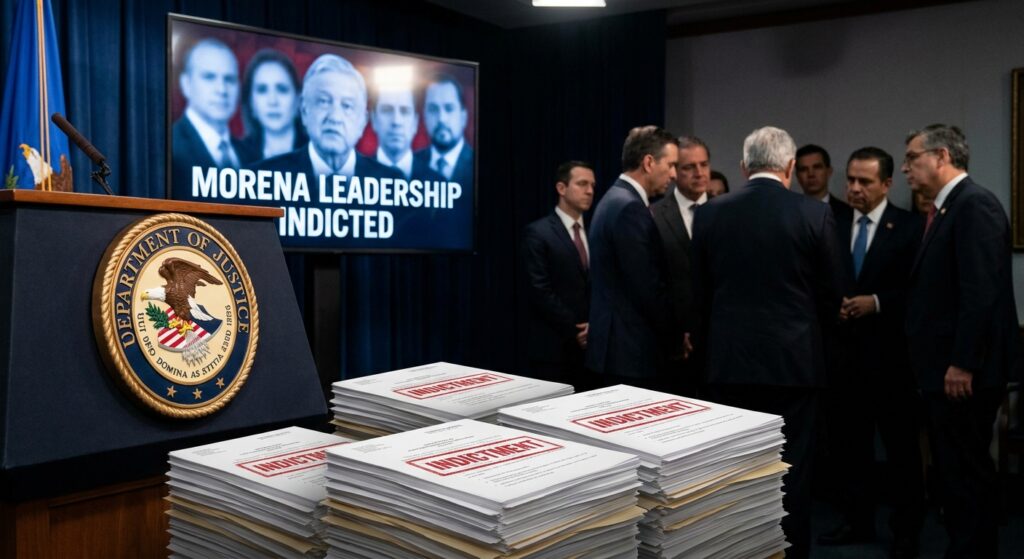
The political significance of the case lies not only in Rocha himself. It lies in the precedent: Washington has shown that it is willing to prosecute a sitting Mexican governor directly. That is where the fear comes in. Not necessarily fear of an invasion or military action. It is a much more sophisticated fear: fear of the information the United States possesses, of financial investigations, of legal charges, of visa revocations, of sanctions, and, eventually, of extraditions.
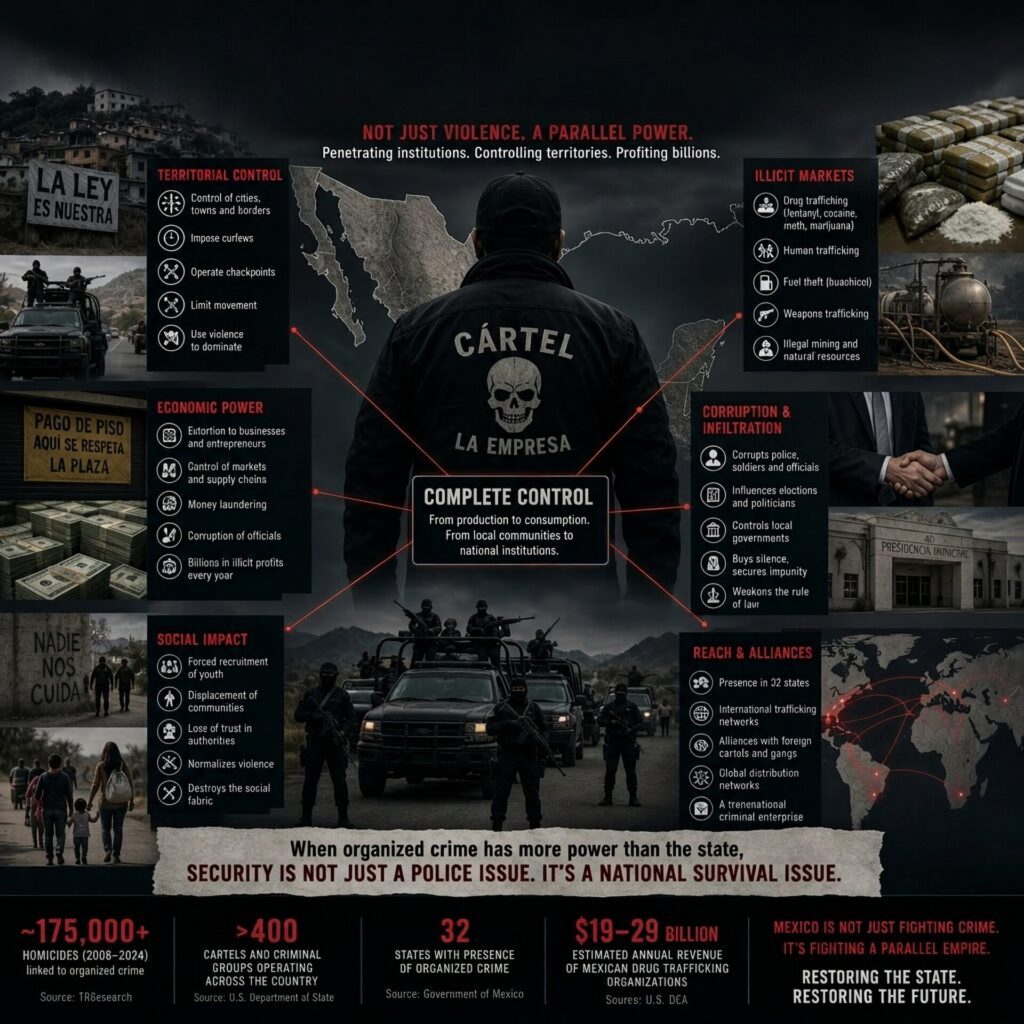
For decades, a symbiotic relationship developed in Mexico between politics, local governments, police forces, and criminal organizations. Since Morena’s rise to power, drug trafficking has gone from being a selectively tolerated clandestine activity to becoming, in certain regions, the dominant economic, territorial, and political force. What is new now is that the United States is willing to uncover and expose these relationships through financial intelligence, wiretaps, informants, undercover operations, testimony from detained drug traffickers, and cooperation with Mexican agencies.
The indictment against Rocha is significant because it presents a case of this nature, in which a criminal organization not only trafficked drugs but also interfered in politics and elections and secured a promise of state protection. Since the Mexican government automatically defends all officials who are implicated, it sends the message that its priority is to protect “narco-politicians” rather than to get to the bottom of the facts.
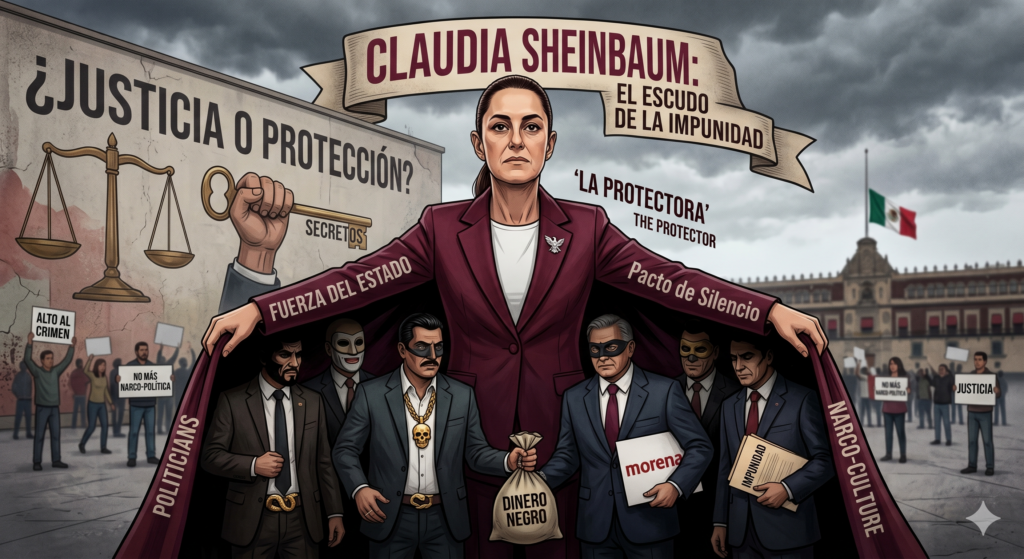
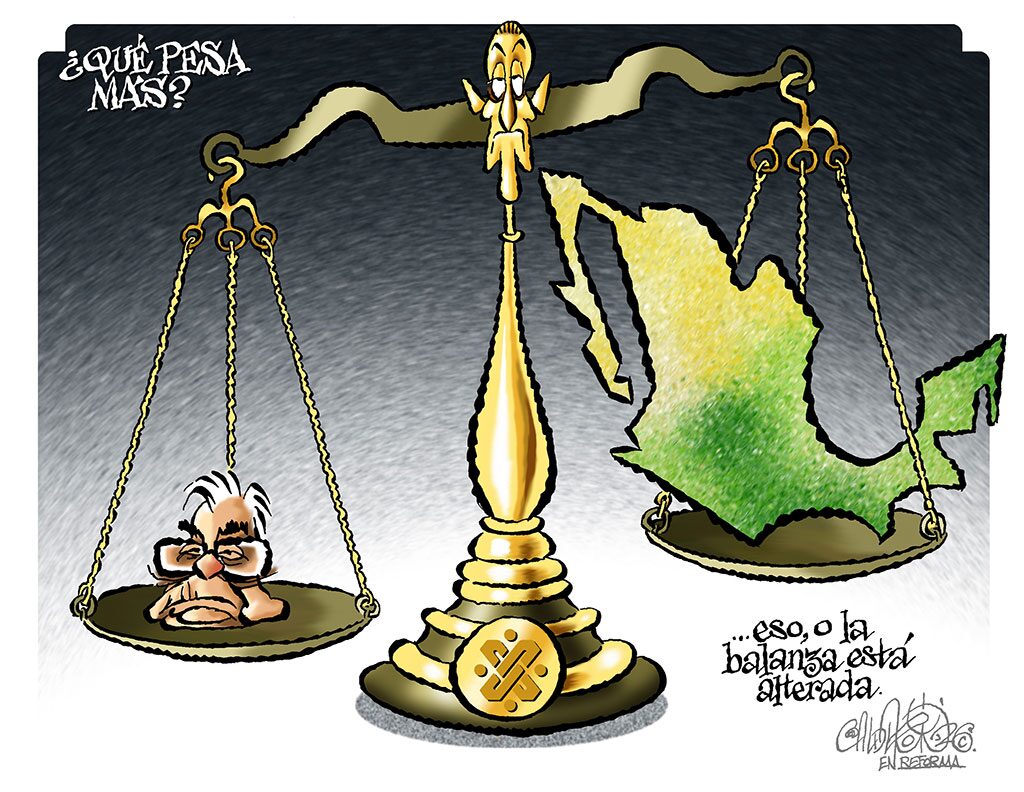
But if it quickly hands over or abandons an official accused by the United States, it creates another problem. It sends a message within the party that it could hand over even its most important members to U.S. justice, potentially even knocking on the former president’s door. The internal impact of such an action would be devastating for the continuity of the political project. Furthermore, it could suggest that Mexican sovereignty is subordinate to Washington.
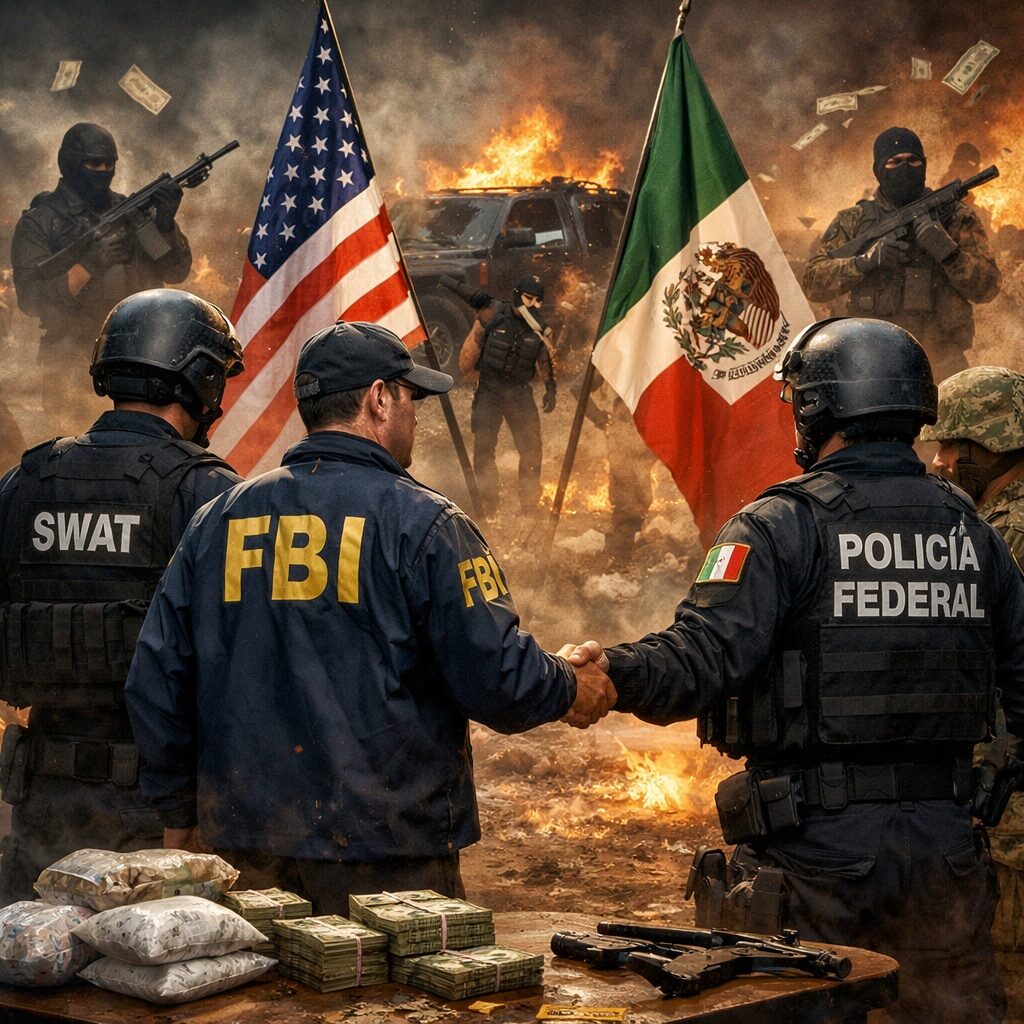
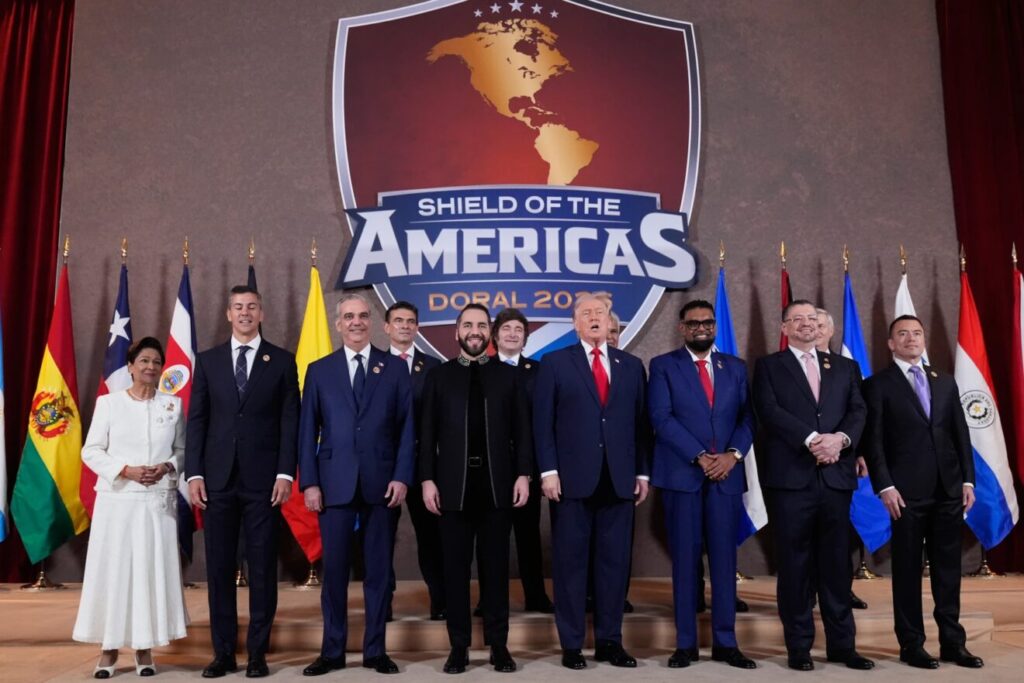
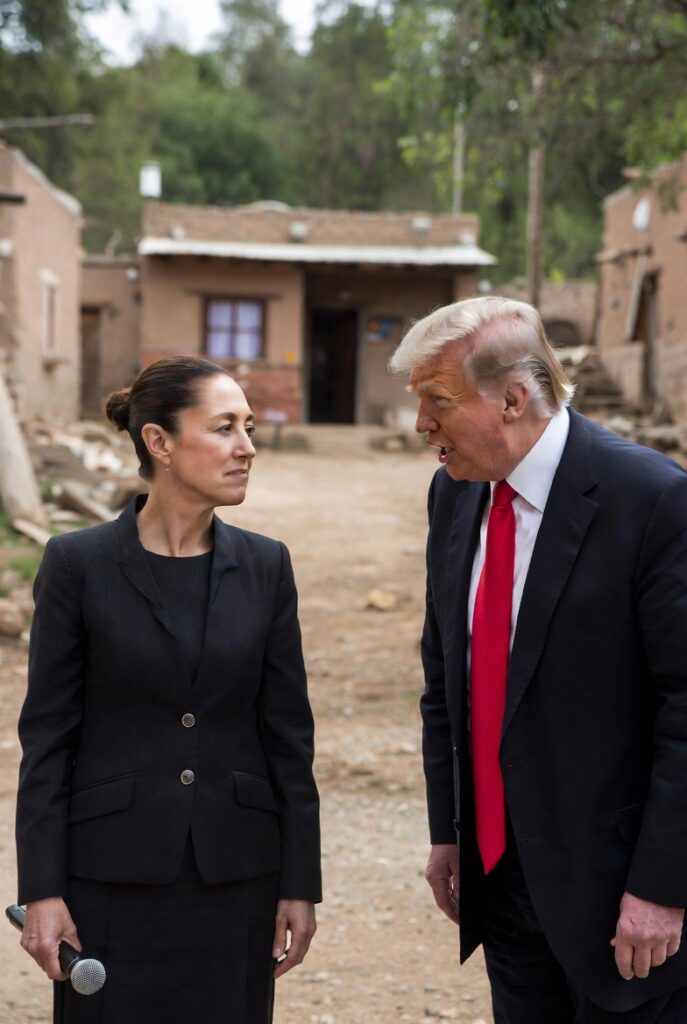
That is why her response inevitably oscillates between two poles: sovereignty and cooperation. Therein lies the paradox Sheinbaum faces. Since she cannot choose just one of the two poles, she also cannot meet with the U.S. President face-to-face in the Oval Office, because she would be forced to commit to one of them. She needs to preserve the relationship with Trump because Mexico depends on the United States commercially, financially, and in terms of security. But at the same time, she needs to prevent the fight against drug trafficking from becoming a mechanism through which Washington determines who can—or cannot—govern Mexico. This explains her contradictory behavior: collaboration on security, the extradition of criminal targets, and the exchange of information—while at the same time publicly insisting on Mexican sovereignty, meaning her refusal to hand over to the U.S. justice system the MORENA politicians accused of being “narco-politicians.”
In this context, the 2027 elections will mean much more than just legislative elections. They will define the immediate and medium-term future of the relationship between the two nations. And here a fundamental issue arises: The United States does not need to intervene in Mexican elections to exert decisive influence over them. All it needs to do is generate information. A criminal indictment against a governor. A financial investigation. The revocation of visas for government officials. The publication of incriminating documents. The identification of bank accounts. A statement from the DEA. Testimony from an extradited drug trafficker. They have an arsenal capable of bringing down a government without firing a single shot. Each incident can become an electoral event.
The recent U.S. decision to restrict visas for 65 individuals linked to the CJNG—without publicly revealing their names—demonstrates precisely the power of that tool. The U.S. government even left open the possibility that Mexican officials or members of security forces might be among those sanctioned. Uncertainty is growing within Mexico’s political class. Its members—officials, politicians, and military personnel—are asking themselves: What does Washington know about me? And that is undoubtedly one of the most powerful ways to foster political fear. A dossier can destroy a candidacy, a governorship, a political career, or a coalition. And it can also bring down a government.
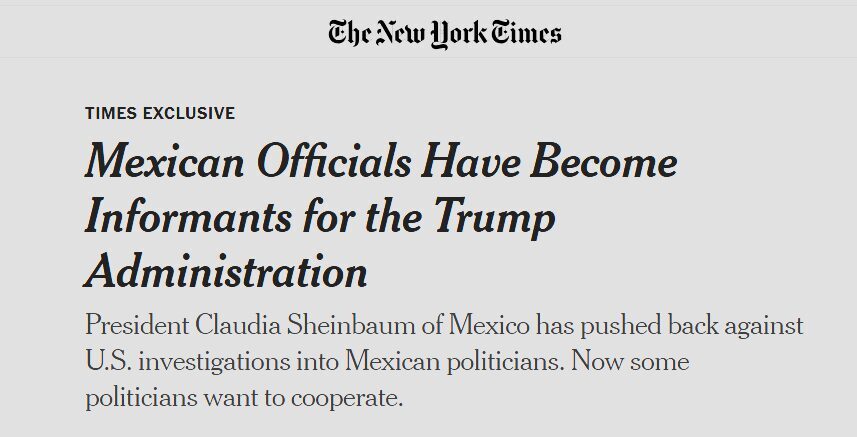
The fear permeating the actions of the Sheinbaum administration opens up three scenarios for Mexico leading up to the 2027 elections.
First scenario: containment. Sheinbaum manages to deepen cooperation with Washington, despite the disapproval of some members of her party and administration. At the same time, the United States focuses its actions against criminal organizations and avoids turning the allegations into a broad campaign against Morena. In this scenario, the ruling party could remain strong heading into 2027.
Second scenario: rupture. Mexico refuses to cooperate with Washington, and the U.S. files new cases against national politicians, governors, mayors, legislators, and regional operatives. The 2027 election then becomes a referendum on the relationship between Morena and organized crime. A series of substantiated cases would be enough to establish in Mexican public opinion the political association between Morena, local power structures, and drug trafficking. Under this scenario, Morena will weaken electorally, likely to the point of losing the political control it currently holds.
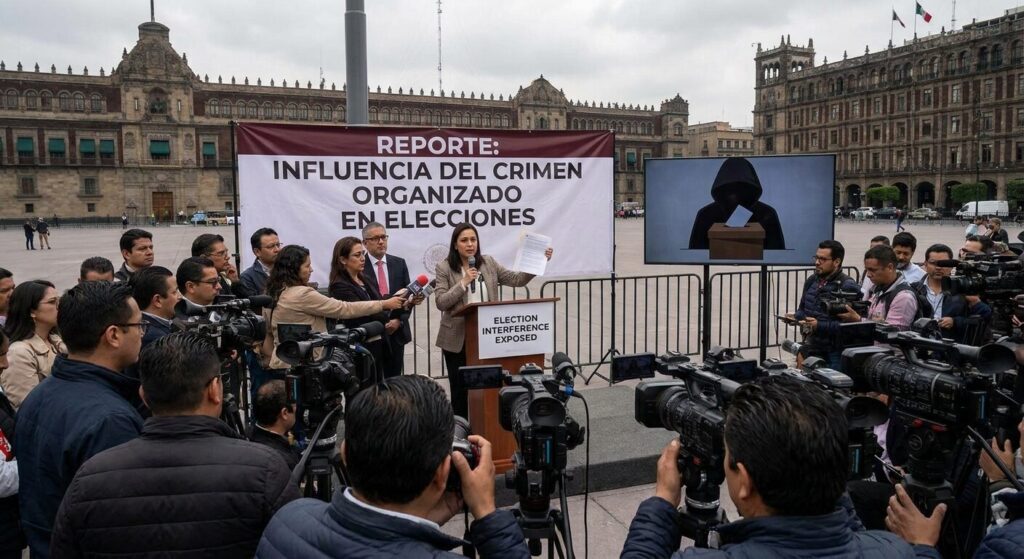
Third scenario: radicalization. The Mexican government decides that U.S. actions have crossed an intolerable line and responds with a policy of confrontation, including radicalized political rhetoric emanating from institutions such as the Supreme Court of Justice of the Nation, with Lenia Batres as its president. This could become a powerful tool for Morena’s nationalist mobilization, but it would also entail extremely high and unpredictable political, economic, and diplomatic costs for Mexico in the future.
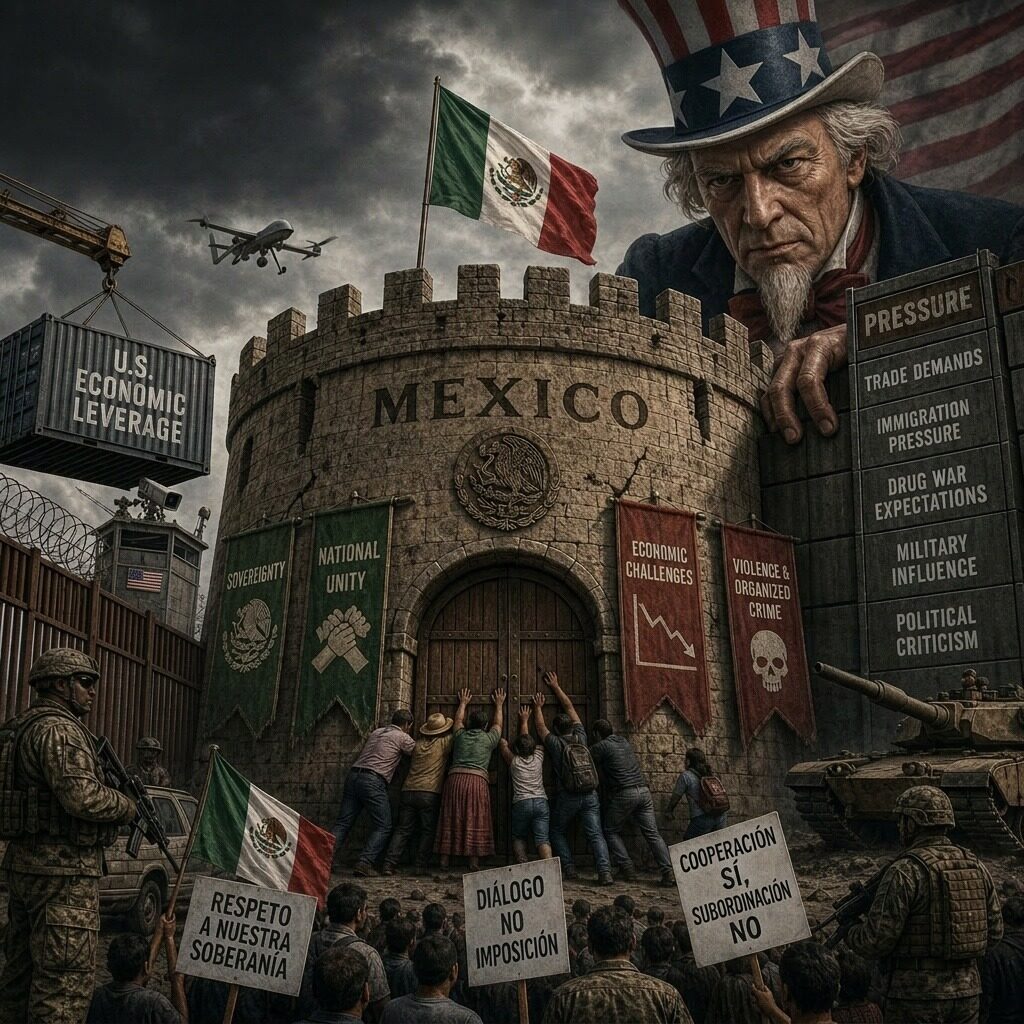
If trade issues, stalled investments, financial sanctions, or conflicts related to the USMCA arise simultaneously, the negative equation deepens. The opposition could then argue that the problem is not Washington, but rather the Mexican government’s inability to guarantee economic growth, legal certainty, and control over organized crime. And that may be the most novel aspect of Mexican politics leading up to 2027: the line between security, justice, intelligence, and electoral politics will become increasingly blurred. This sets the stage for a scenario where fear lies at the root of decision-making.
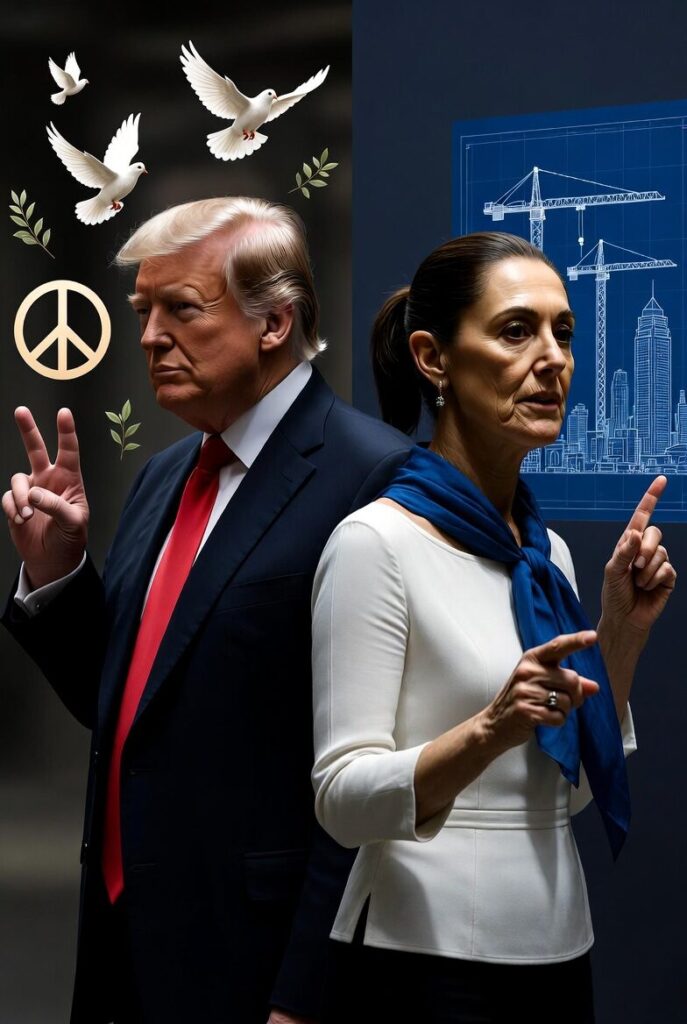
Which of these scenarios will Sheinbaum, Morena, and the movement’s leader choose? The answer will determine not only the political regime that emerges from the 2027 elections but also the very nature of the relationship between Mexico and the United States during the second half of Sheinbaum’s six-year term.
@enelfilo_mx
Further Reading: