
Ricardo Pascoe Pierce
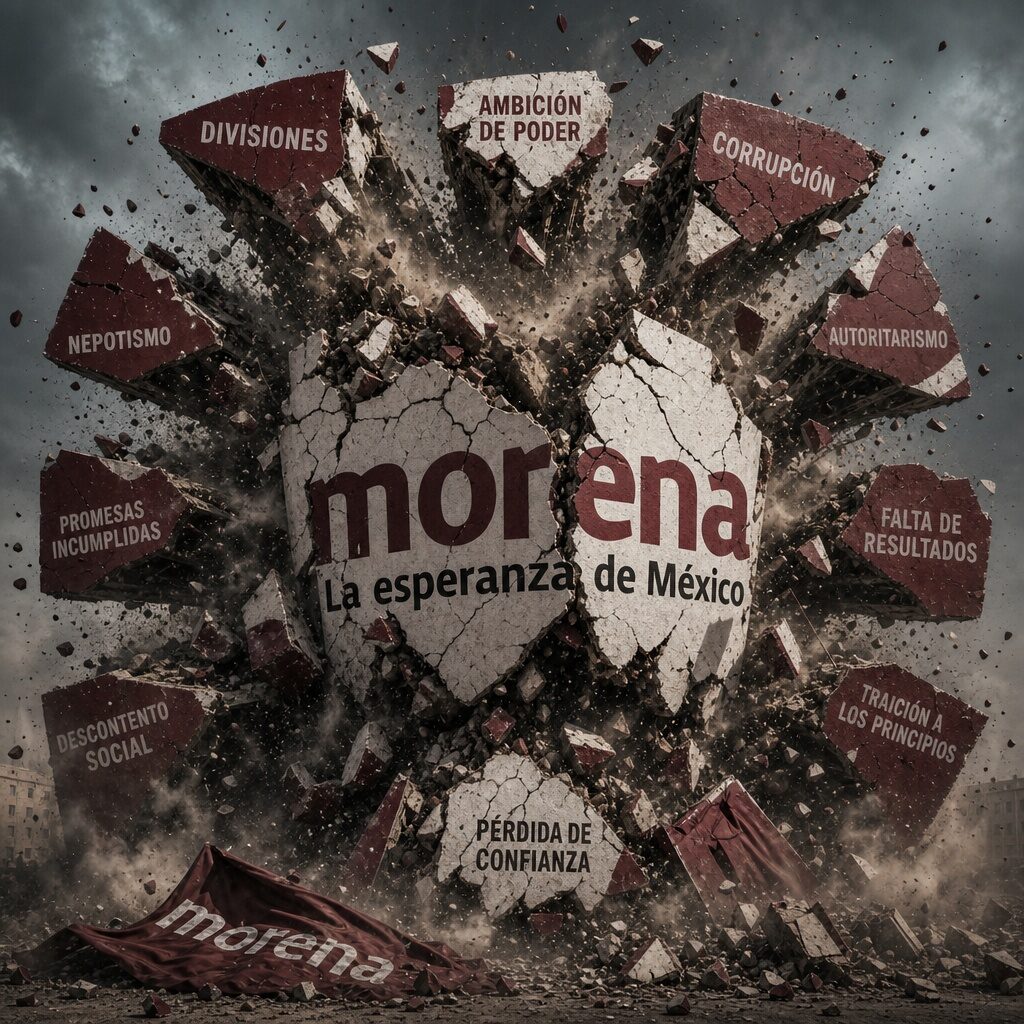
Morena’s internal unity depends on a single factor: the strength of its charismatic leader. Without that decisive factor, its internal lines of command, cohesion, and coordination fragment and break apart. It lacks mechanisms to address its differences. It resorts to the most obvious tools of an authoritarian State to quell its internal conflicts—threats, espionage, and police control—rather than political dialogue.
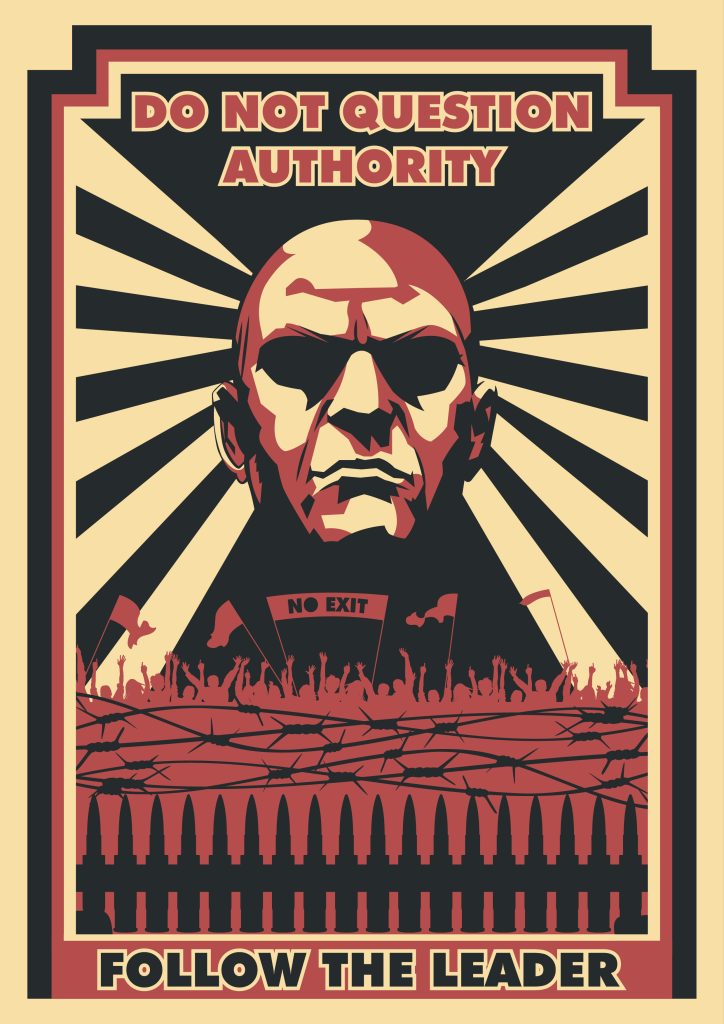
Morena lacks an ideological platform as a source of identity and internal cohesion. Instead of uniting around an ideological platform, it coalesces around a strong leader. In essence, the leader is the platform. The leader’s word or directive is the line to follow. Morena, like the PRD in its day, coalesced around a cause, a grievance, and an injustice—not a vision for the country. In both cases, it was in response to an electoral situation. The PRD was born out of protest against the results of the 1988 elections. That historic moment turned Cuauhtémoc Cárdenas into a leader of the masses. López Obrador emerged from the 2006 presidential elections, alleging fraud—just as Cárdenas did in ’88. And when he broke with the PRD and founded Morena in 2011, it was based on the injustice of not having been recognized as president in 2006.
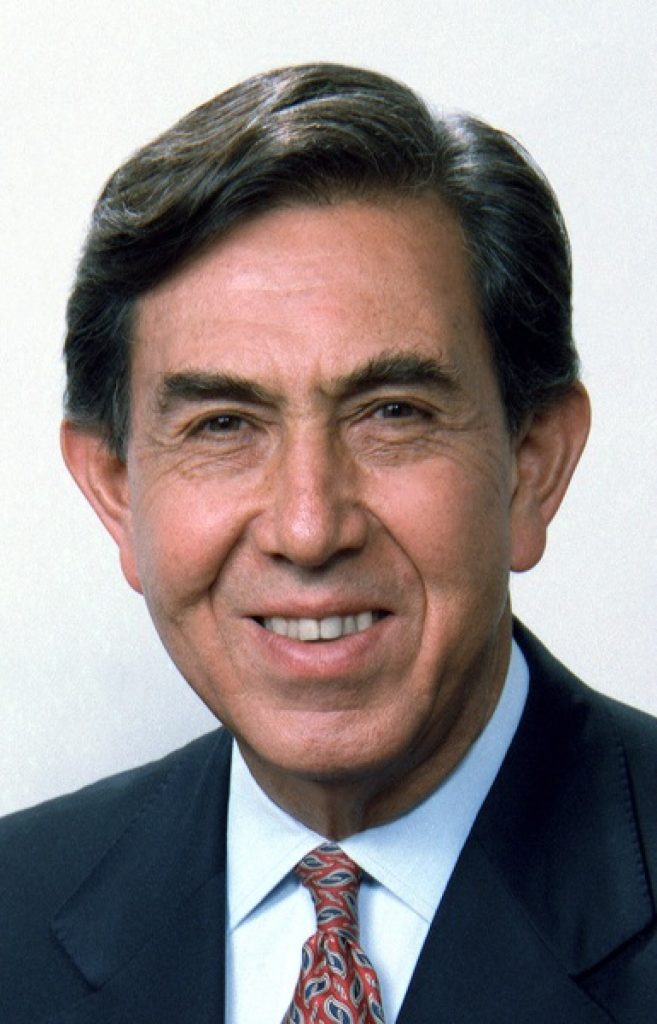
What was the basis of the agreement that allowed for the creation of a new party? It was, quite simply, support for the individual—the defeated candidate and the challenger. The PRD’s banner was Cárdenas. It was not an ideological platform, because such an aspiration was impossible given the diversity of opinions within the party, ranging from the promotion of guerrilla warfare to the interests of capitalists seeking investment opportunities—from capitalists to communists. The PRD’s cohesion existed as long as recognition of Cárdenas’s leadership was maintained. The problem escalated when Andrés Manuel López Obrador decided to strip Cárdenas of his leadership role, to oust him and assume the position himself.
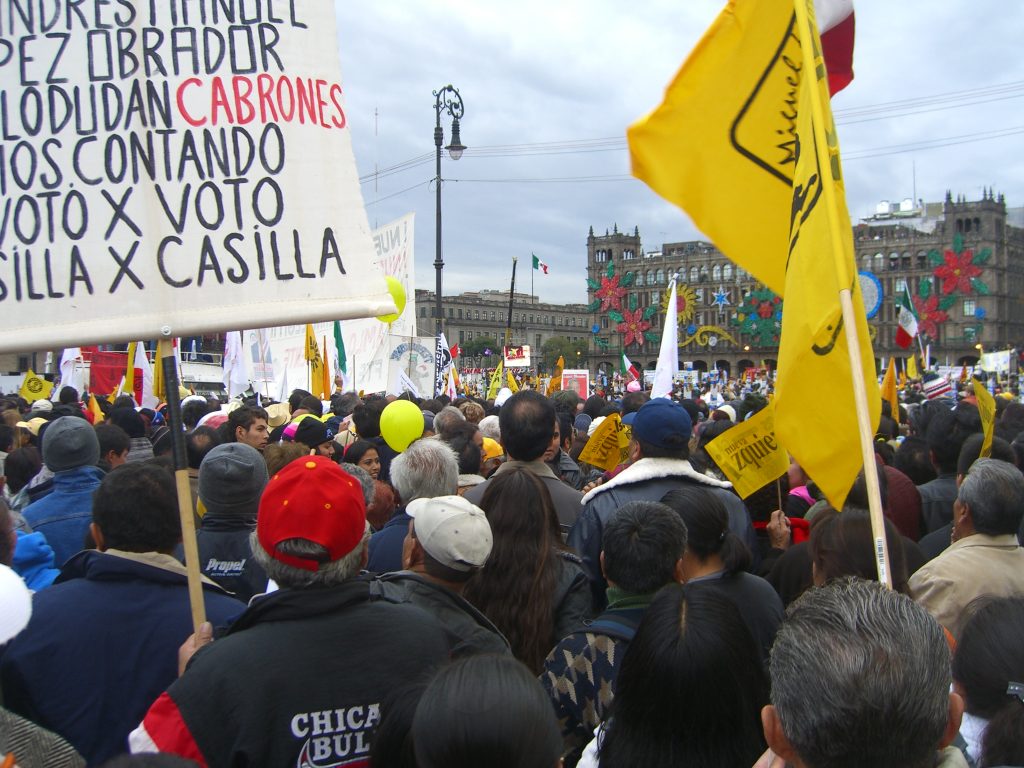
He had the power to achieve his goal because he was the head of the Mexico City government. The dispute between Cárdenas and AMLO was not an ideological issue. In a movement like the PRD—or, as is the case now, Morena—power is not shared. The power of the leader who unites the movement is not shared. It is exercised, and no rivals are tolerated. López Obrador assumed leadership of the PRD. But that was not enough for him; he wanted a movement absolutely subordinate to him. And that was not the case in the PRD, where he encountered those who questioned his decisions. Morena is a creation in López Obrador’s image. It belongs to him and his family. And that power is not relinquished. It can be shared—as he does with Sheinbaum, who serves as president—but it is clear that AMLO is the owner, even if he is absent, distant, or weakened.
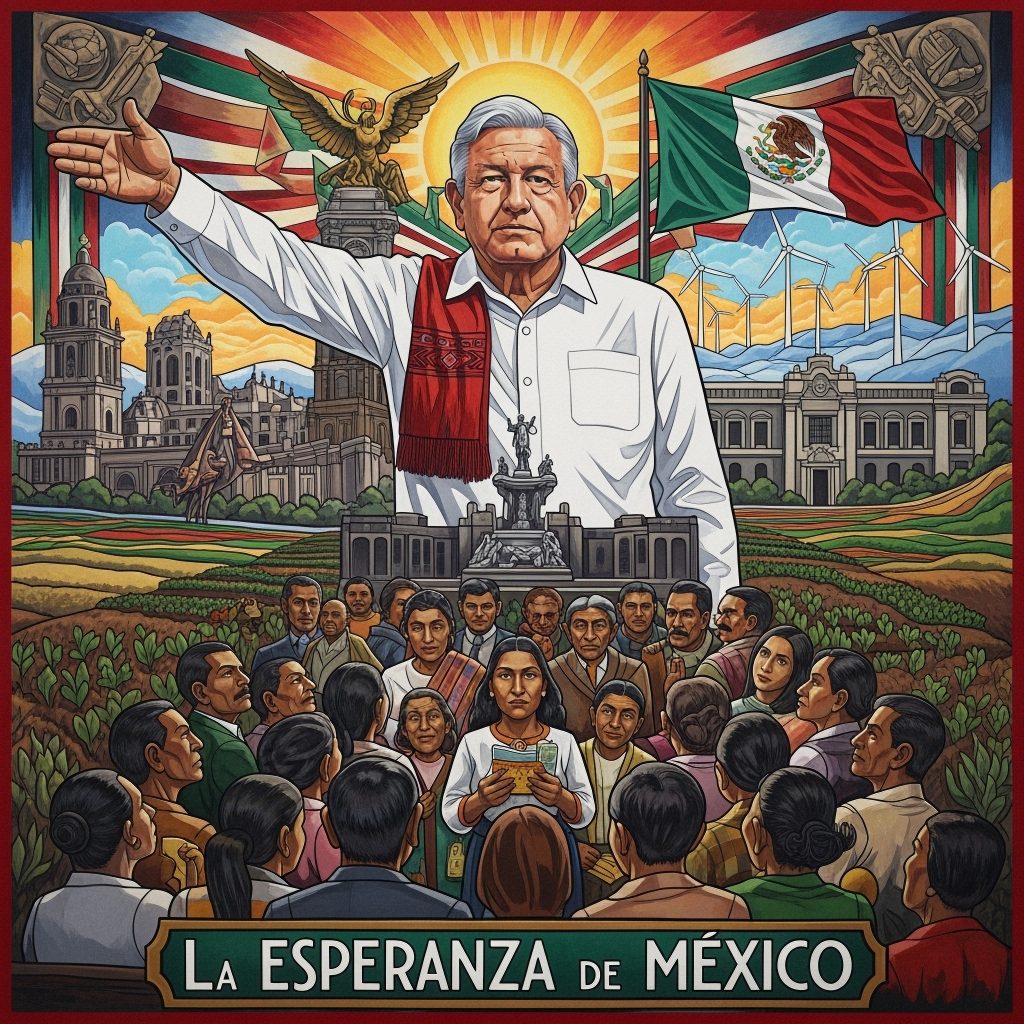
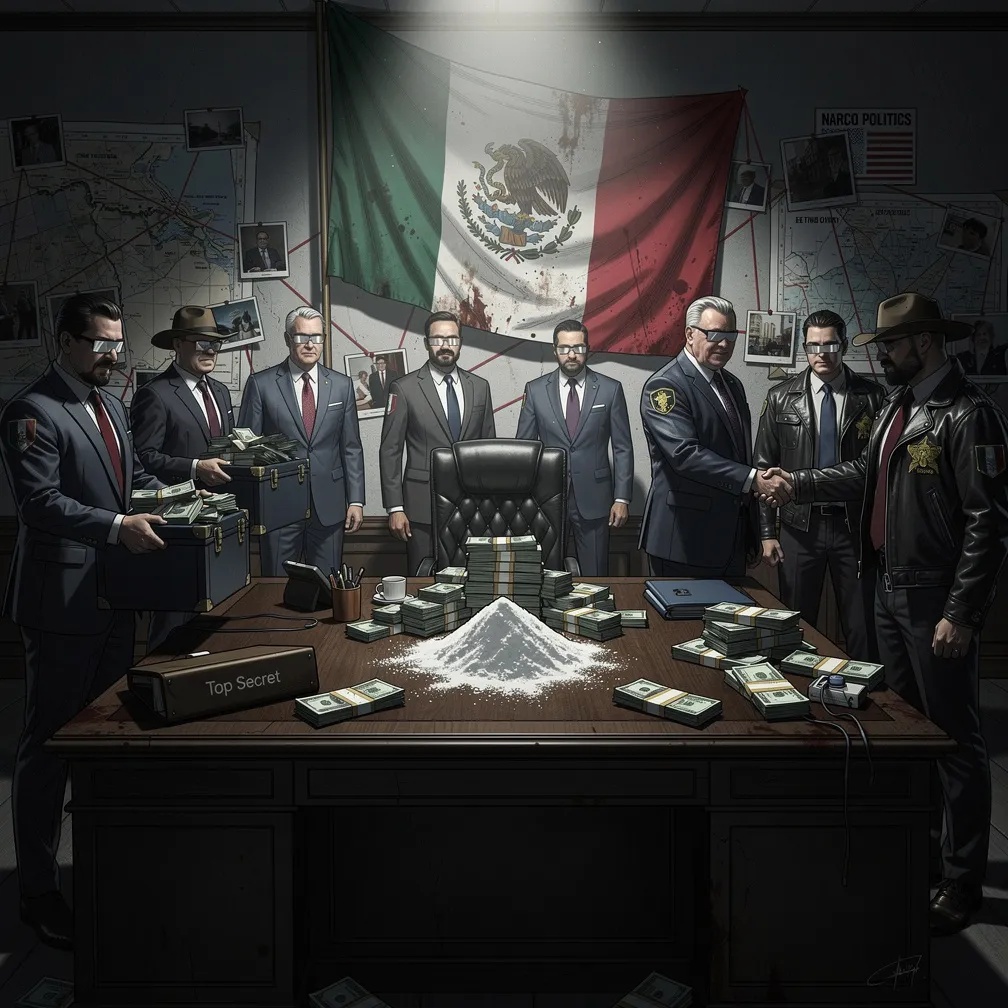
Now, with the candidates’ nomination process underway in Morena, a severe internal conflict has erupted. In 2021, López Obrador made a pact with organized crime that is now coming back to haunt him. He naively thought no one would notice. But everyone learned about the handing over of positions and power to drug cartels, state after state. And today, six years later, organized crime is demanding that the agreement be maintained and repeated. This is compounded by the United States’ intense scrutiny of the decisions made by the Sheinbaum administration and Morena regarding their candidates nominations.
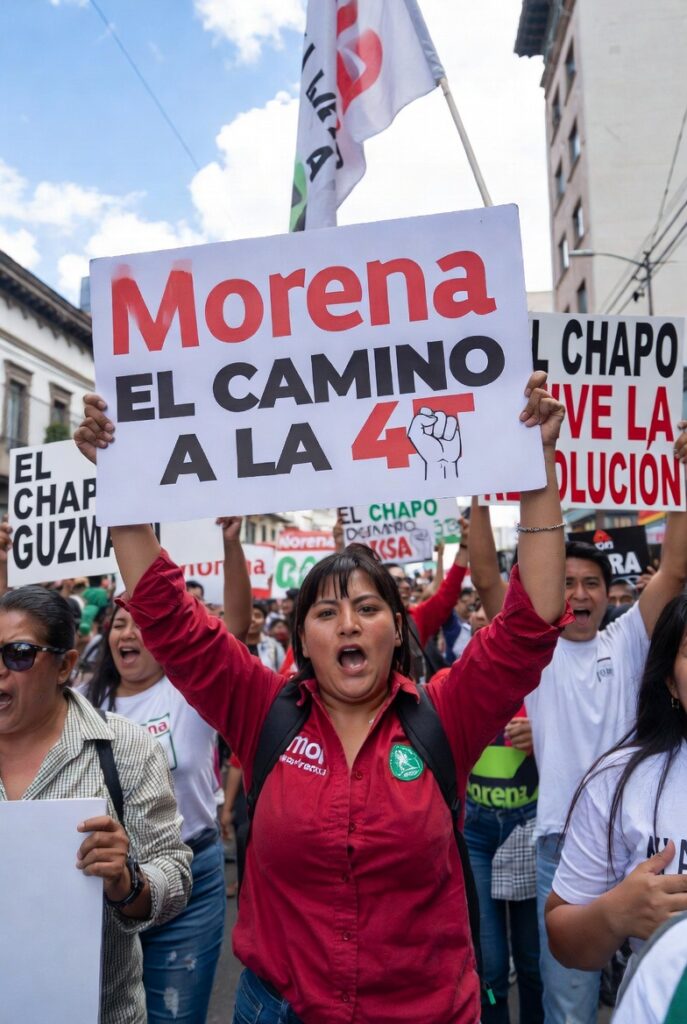
Morena’s existential dilemma is whether to repeat AMLO’s 2021 agreement with the drug cartels or to break with that legacy. The drug cartels are demanding that the president and Morena continue the agreement. And to demonstrate their resolve in the negotiations, they displayed 10 hanged bodies in Zacatecas, one of the states facing the dilemma of whether or not to renew the alliance with the drug cartels.
Morena agreed to name its candidates in June. Suddenly, it paused and postponed the entire process until after November. That decision was made in the wake of the U.S. indictment against Rubén Rocha Moya and nine co-defendants. That action by the United States revealed the extent of the espionage that country carries out against Mexico—and, most notably, regarding the complicity between the Mexican government and Morena with the drug cartels. What Sheinbaum and AMLO thought was their best-kept secret is, in fact, being closely monitored by the intelligence agencies of several countries.
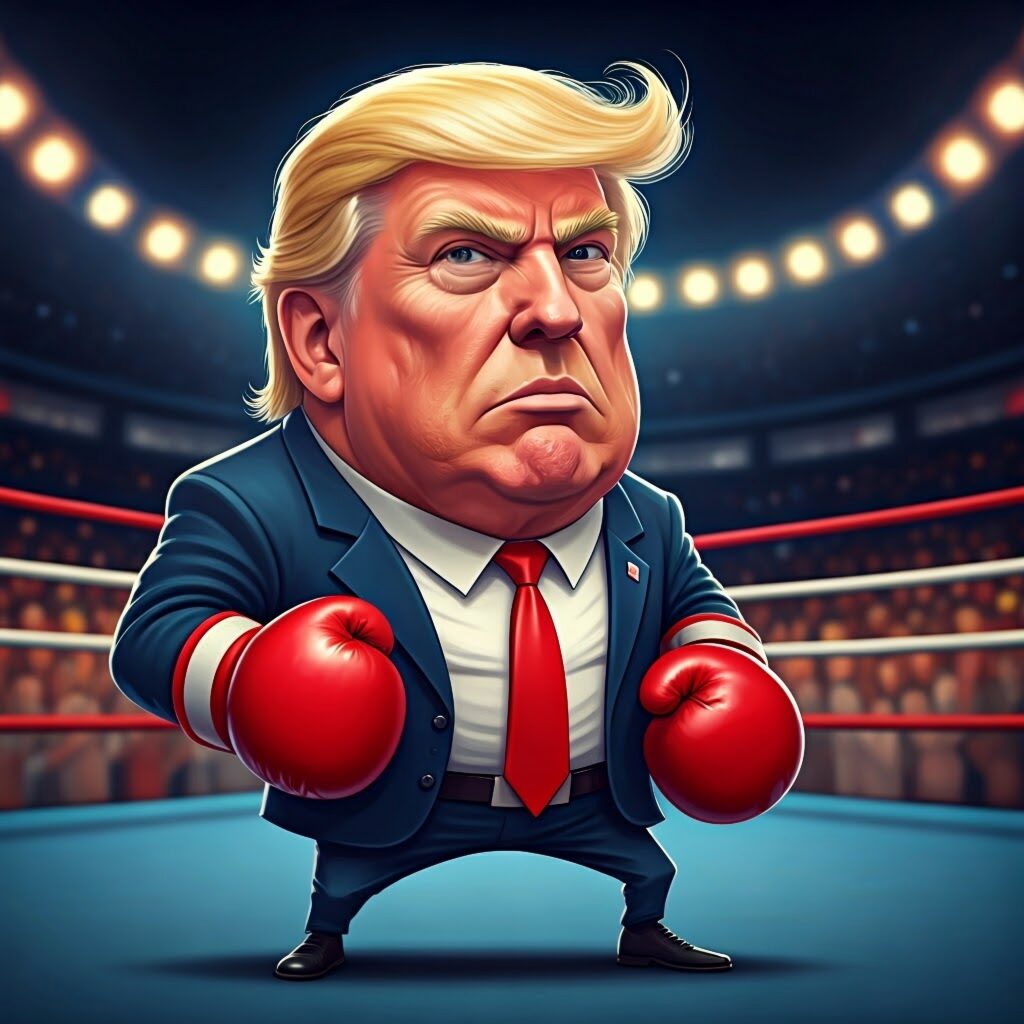
Morena cannot nominate its candidates for fear that Washington will denounce them as figures linked to organized crime. That is how widespread Morena’s political ties to crime are. Consequently, it decided to wait until after the November elections in the United States. It hopes that Trump and his party will fare poorly and lose control of the U.S. Congress. It calculates that such a defeat will soften the U.S. president, making him less aggressive toward Mexico. This is a miscalculation. Trump plays politics using the same method as AMLO. When things go badly for him, he raises the stakes; he doesn’t back down. That is what will happen after November. He will likely be even more aggressive toward Mexico, not less.
This situation is causing serious internal divisions within Morena. Radically opposing political positions are emerging among its members. Some are beginning to negotiate with the United States on their own. Others feel no such need and believe that Morena must sever all ties with organized crime. And then some continue to push the agenda of making deals with drug cartels. Some do so because they gain economic benefits and secure positions in their states. Others propose continuing the agreement with drug cartels because of their “anti-imperialist” spirit. The latter are simply drug cartels in power. These positions represent groups at odds with one another within Morena. Each group or sector seeks to defend its interests by fielding its own candidates.
But the main arbiter, AMLO, is losing power or is simply unable to resolve many issues beyond those that concern him personally. He is isolated, and his influence wanes with each passing day. Yet Sheinbaum lacks the political clout needed to resolve these internal disputes. Polls will be of no use to them and will lack legitimacy, because everyone has their own agenda. Morena’s president is viewed by Morena members as a representative of her faction, albeit with more power than others. But when the time comes, she will have to negotiate her positions.

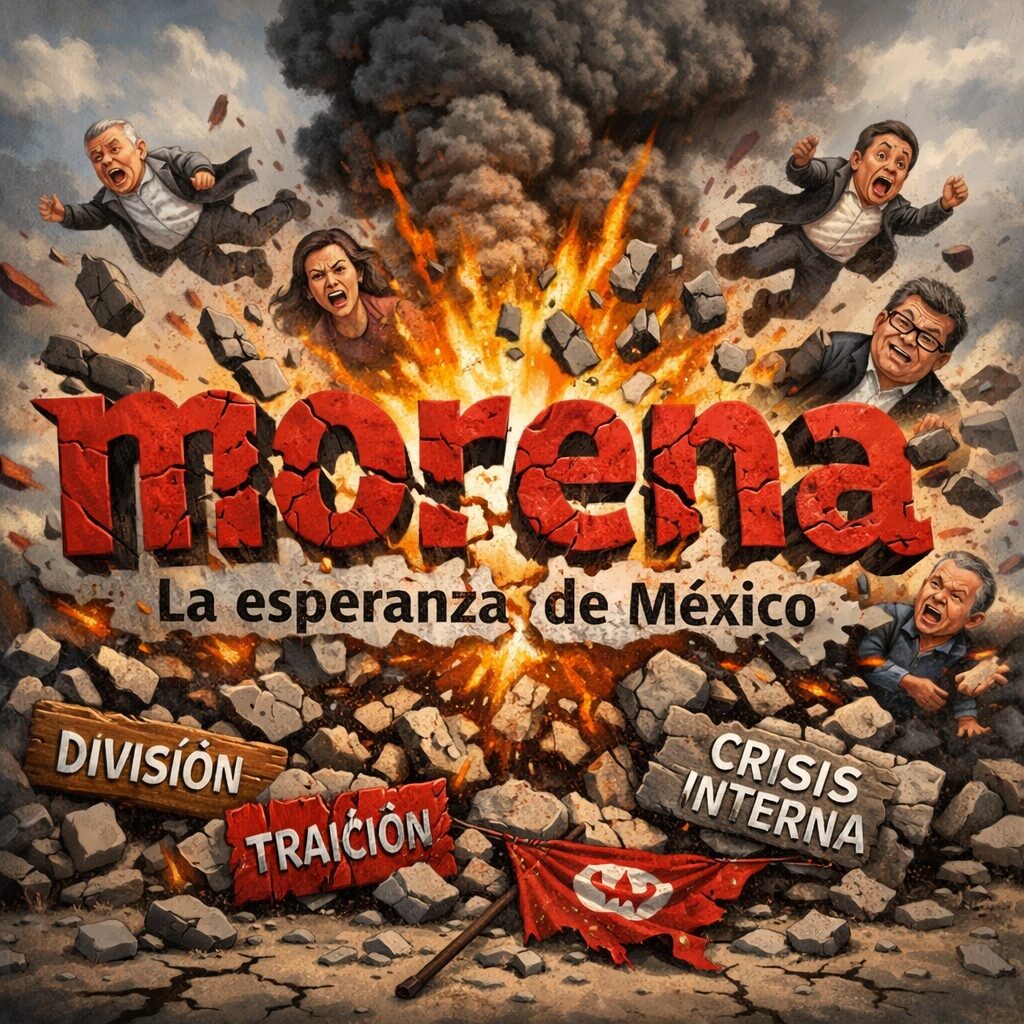
With its internal arbitration mechanism weakened, called into question, and lacking a unifying political force capable of steering the process with authority, Morena will enter the electoral process under threat from the United States and with its ranks in a state of internal civil war, plagued by deep political divisions that undermine its chances of success. What we see is a government and its movement under intense foreign scrutiny, lacking the capacity to resolve its big internal differences and without the necessary tools to chart a new course for the country. The movement is imploding and splitting apart.
@rpascoep
Further Reading: