Ricardo Pascoe Pierce
The New York Times published an article reporting that high-ranking Morenistas are anonymously revealing to U.S. authorities the ties between members of their movement and drug trafficking. The same article suggests that those doing so are doing so to avoid future problems with the U.S. justice system. In other words, the whistleblowers are also involved in the dirty business of narco-politics.
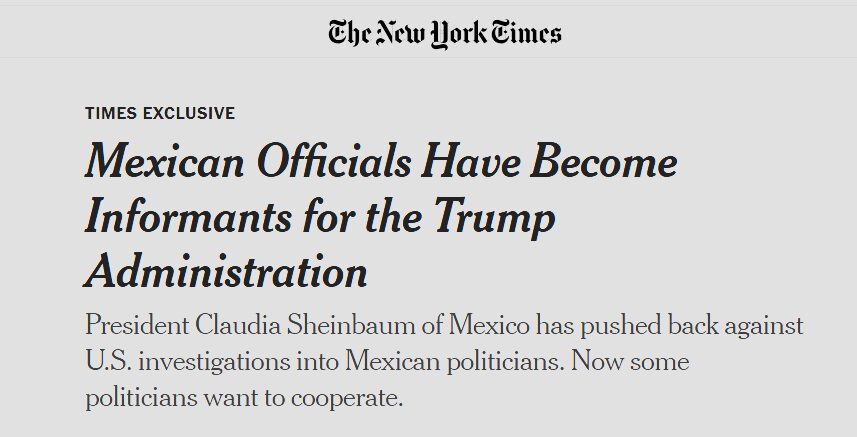
The article highlights that Sheinbaum has turned the defense of Rocha Moya and his clique into a matter of State policy. Her refusal to hand over Mexican narco-politicians amounts, in Washington’s view, to turning her presidency into a bulwark that defends drug trafficking and drug traffickers as if they were strategic allies of the regime.
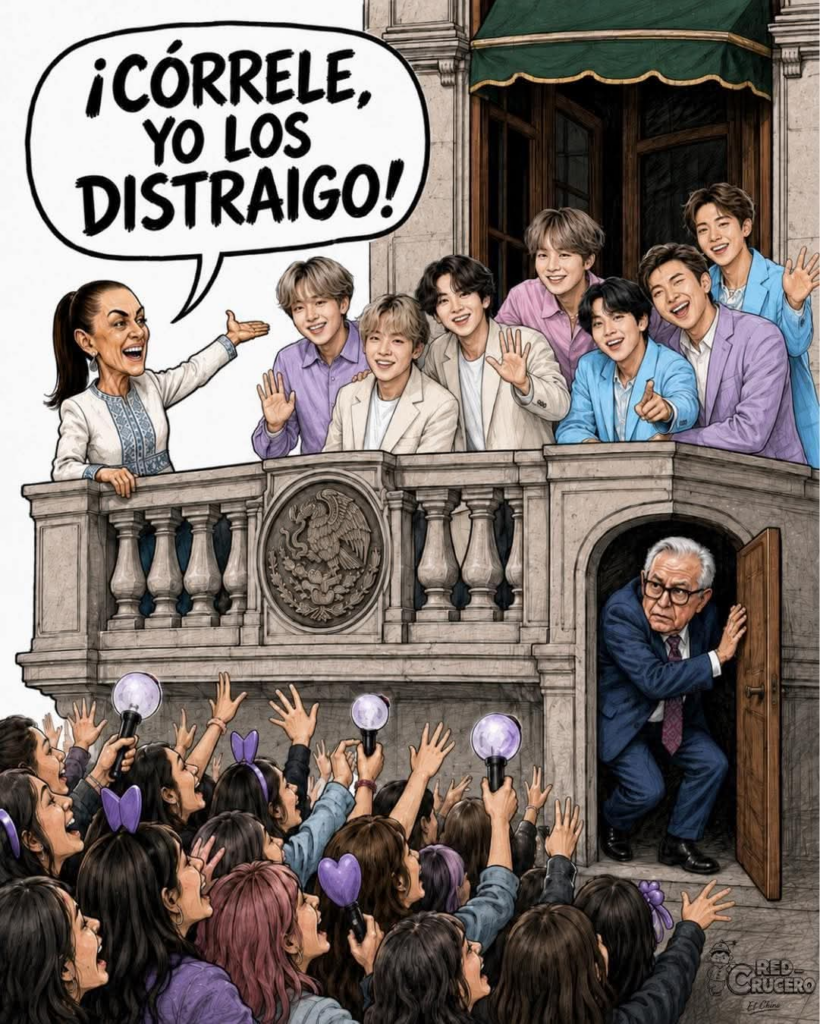
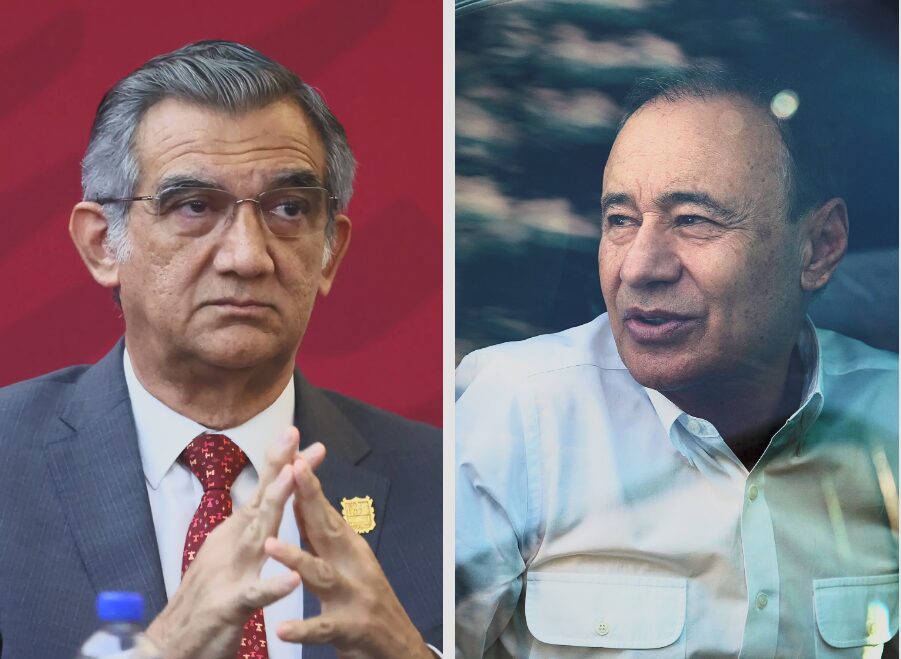
The article also highlights the names of Rocha Moya, Durazo, Villarreal, and del Pilar—the governors of Sinaloa, Sonora, Tamaulipas, and Baja California, respectively. The implication is that they are implicated in narco-politics and, suggestively, could be the “whistleblowers” to U.S. authorities.
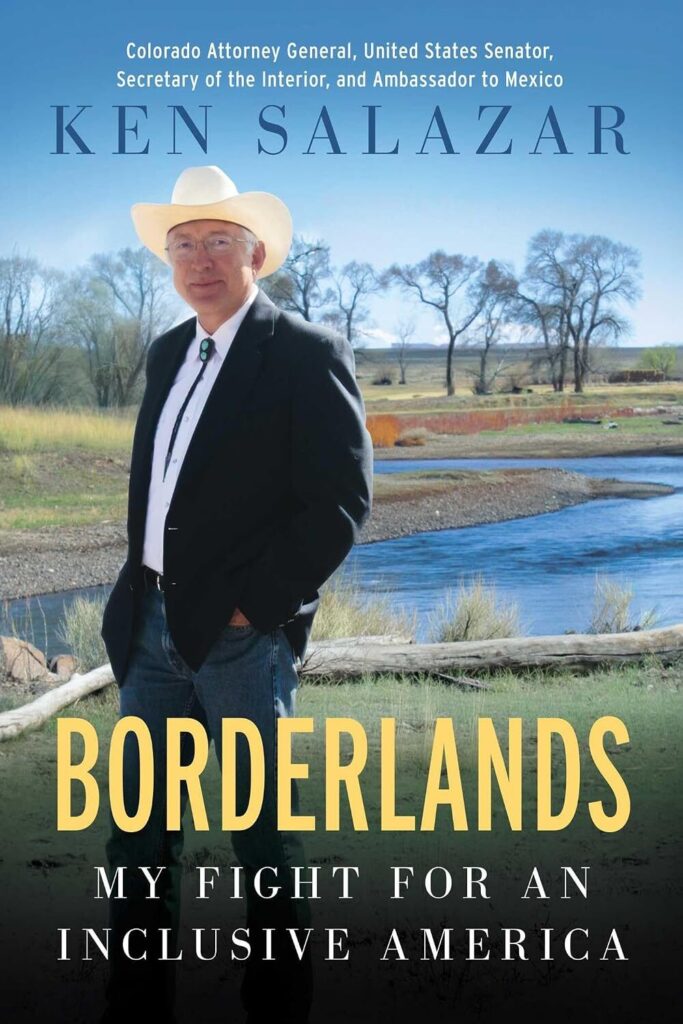
Furthermore, the article mentions the recently published book by former U.S. Ambassador to Mexico Ken Salazar about his tenure, as it has reignited the debate over allegations that the person behind the policy of collaboration between Morena and drug trafficking is none other than former President Andrés Manuel López Obrador. In referring to Salazar’s book, the newspaper also places López Obrador and his controversial children at the center of the debate on narco-politics in Mexico.
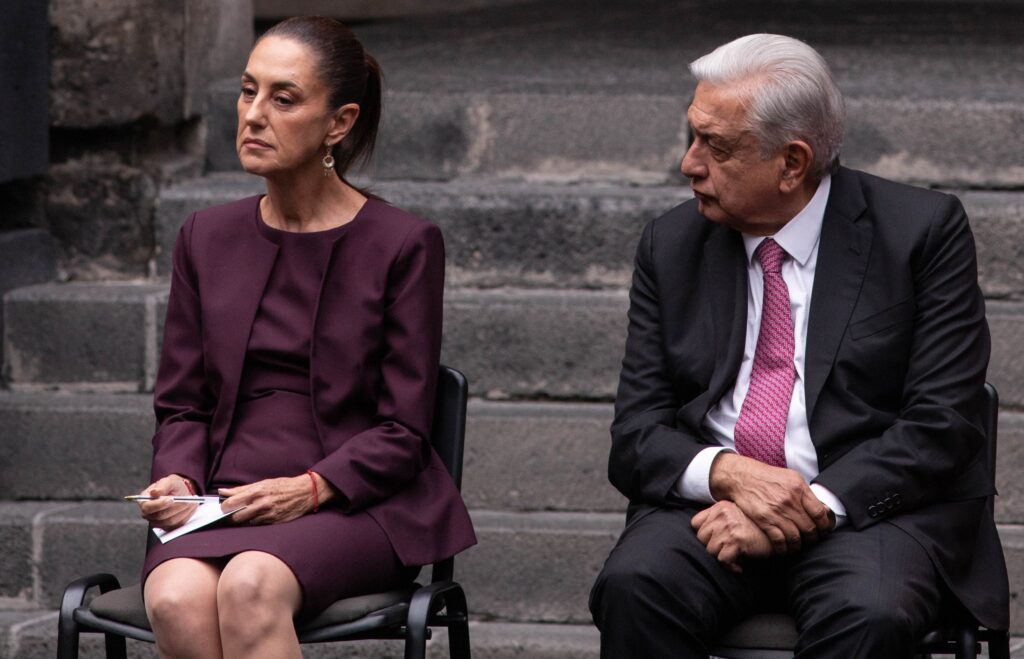
Based on comments about Salazar’s book and the revelation of the fear that López Obrador had—and surely continues to have—regarding the disclosures that Mayo Zambada might make about their relationship, journalists turned their attention to Sheinbaum. She has turned the issue of drug trafficking into a staunch defense of the true leader of her movement. In many ways, López Obrador remains the president. Sheinbaum is his deputy, but her influence is waning. The relationship between them is marked by growing tension.
Journalists from The New York Times portray, with crystal clarity, the tension permeating the movement known as Morena and the 4T government. One faction of the movement believes the time has come to hand Rocha over to U.S. judicial authorities and to propose a “reset” of bilateral relations. Another faction of Morena advocates rejecting any agreement with the United States, accusing it of interventionism and seeking to bring about the party’s defeat in the 2027 elections. Two strategically opposed ideas are confirmed to be in conflict within the ruling majority: conciliation or confrontation.

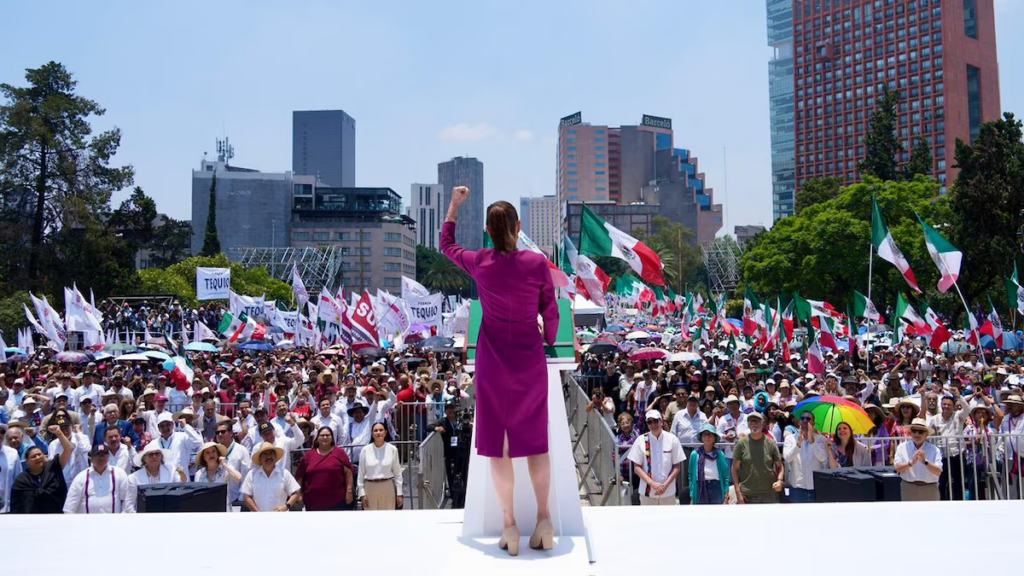
According to the New York newspaper, Sheinbaum has so far aligned herself with the confrontational line toward the United States. She confirmed this in her speech at the Monument to the Revolution and in her subsequent actions and decisions. But the question remains: How long can she sustain this political line before facing the collapse of her own government?
The problem of internal defections is a festering infection that will only grow. As bank accounts are frozen, visas are revoked, and the judicial net tightens around many key figures, it is highly likely that high-ranking officials will be forced to present increasingly damning evidence against the movement’s main leaders. Betrayals will abound. And no one will be able to stop this collapse.
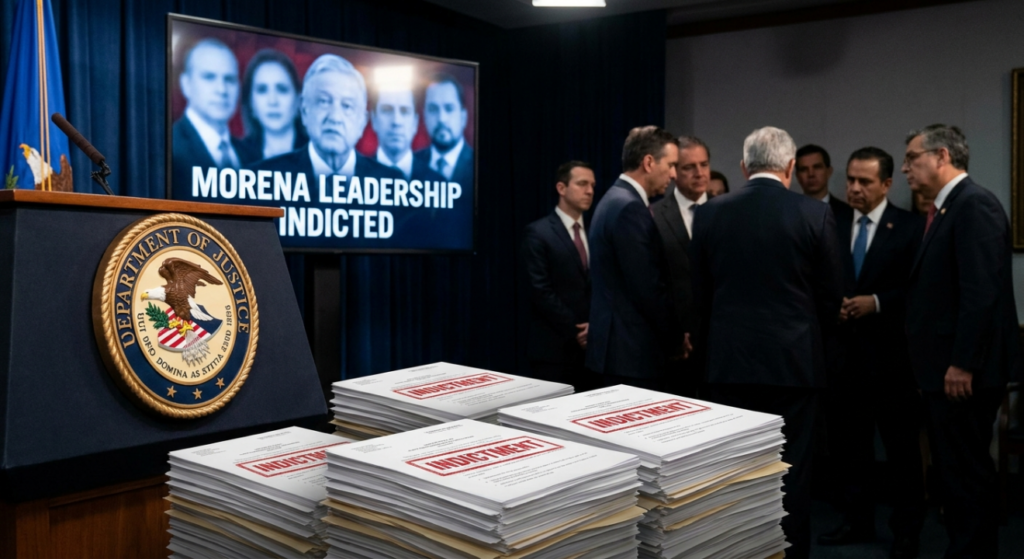
The vast network of legal accusations will discredit the regime, both domestically and worldwide. Before any action is taken, the Morena government will be presented to the world as clearly criminal in nature. It must be said: Washington is crafting a vast and complex legal justification aimed at designating Morena—and, by extension, the government stemming from the movement—as a narco-terrorist organization.
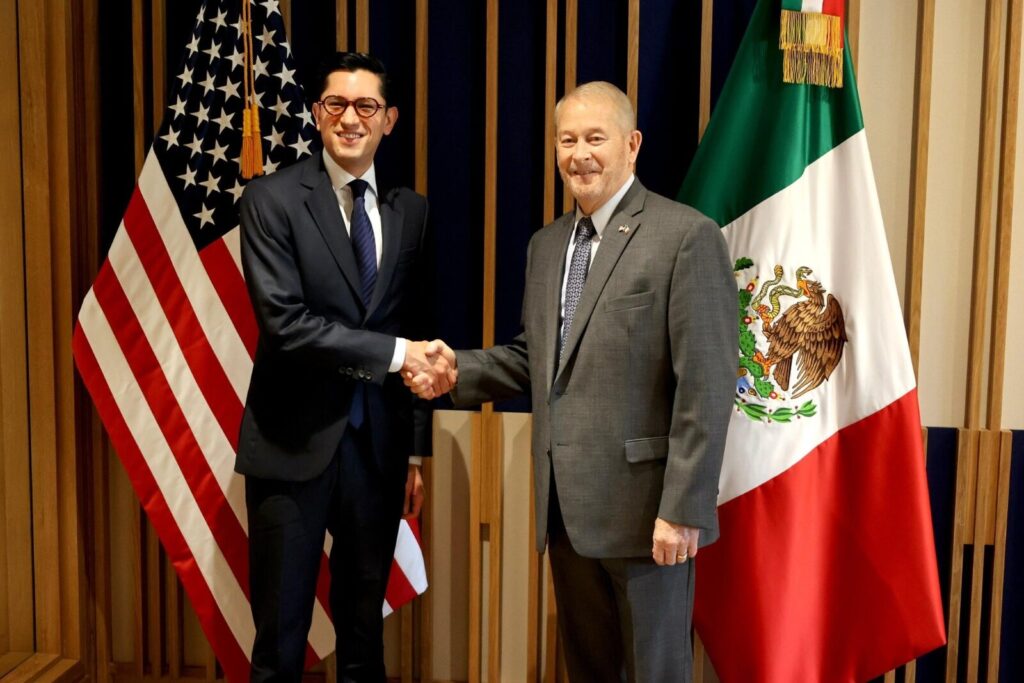
The president must fear betrayals. For example, it has been criticized as a breach of protocol that the Secretary of Foreign Affairs went to the U.S. Embassy for “a working meeting.” But it is worth reflecting on this in these times: Did the secretary need to convey something to the United States that he could only say confidentially at the embassy, because he did not trust that he could say it in his own office?
And what about the recordings of the governor of Baja California?
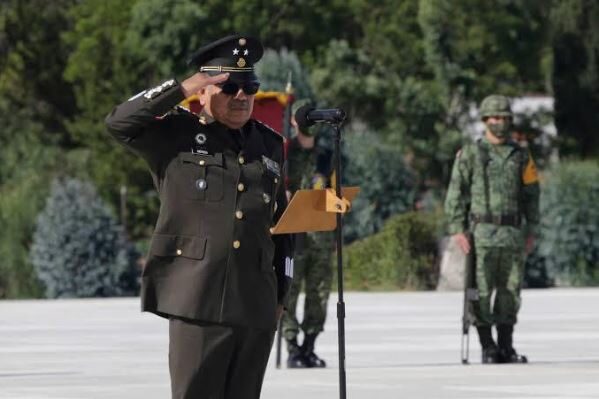
Retired General Mérida understood the situation well. He saw perfectly clearly that the internal decay of the Morena movement was going to deepen rapidly, and he had to come forward to enjoy the privileges of being the first informant. Because the stampede will come next, with diminishing returns for those who are late to the game.
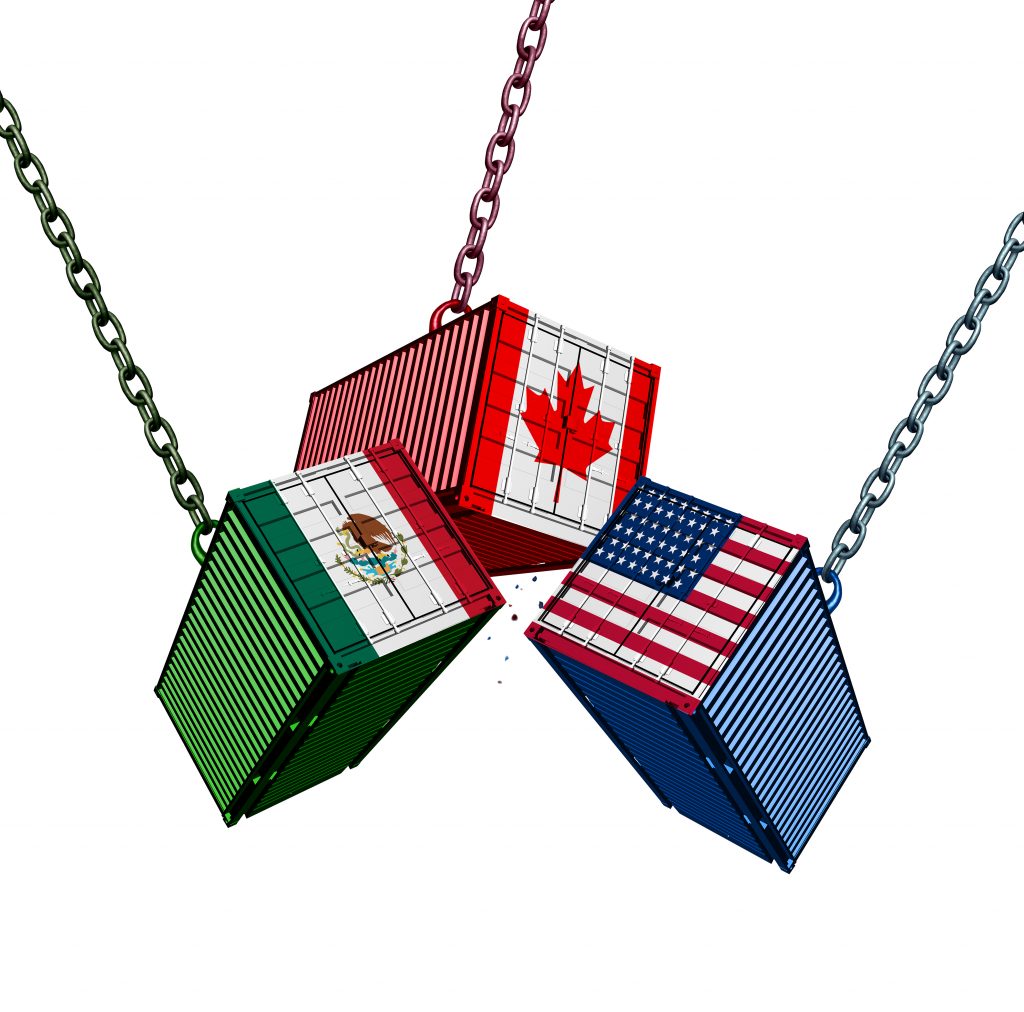
Mexico’s isolation on the Latin American stage grows day by day. The election results in Colombia and Peru exacerbate Mexico’s isolation within the community of nations. Brazil has earned its international standing through its own efforts. Mexico has not done its homework. It has remained navel-gazing and boasting of its moral superiority. And wallowing in self-pity over its proximity to the United States, instead of turning that proximity into a window of opportunity. The Mexican left reluctantly accepts the USMCA, with a frown. It would prefer a trade agreement with Russia and China.
The left’s defeat in Colombia will surely reinforce fears in Mexico of U.S. intervention in the 2027 elections. The new Colombian president’s greeting to Ricardo Salinas Pliego—rather than to the Mexican president—was like rubbing salt in the wound. The election in Colombia offers lessons. One of them is that the left received the majority of its votes—and “shoe ballot boxes”—in areas controlled by guerrillas and drug cartels. In Colombia, that is the contribution of criminality to the corporate vote.

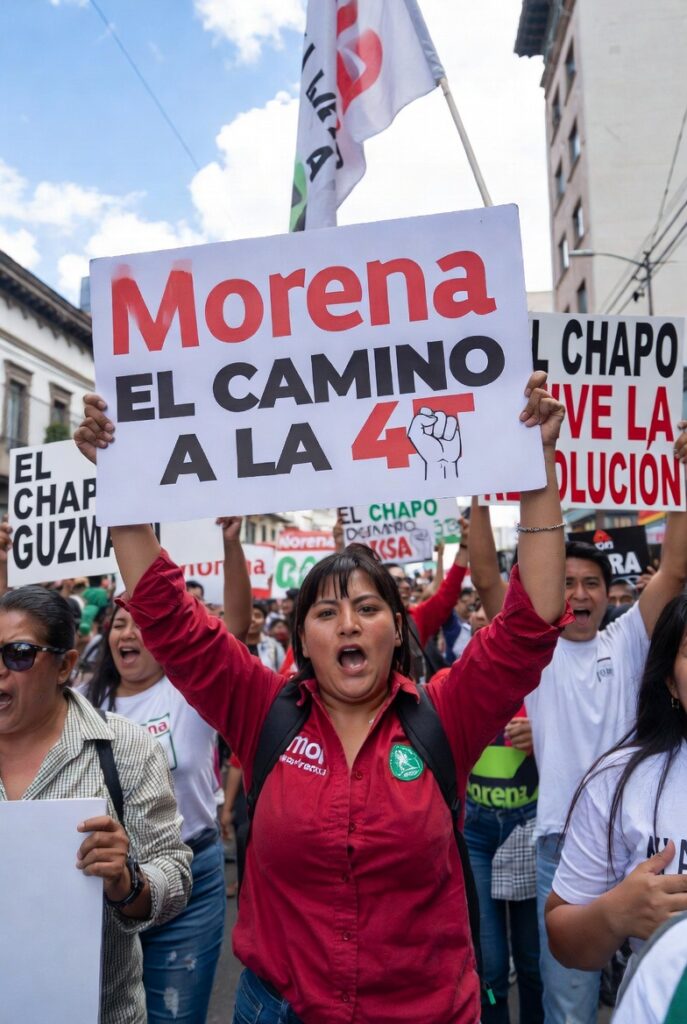
Whistleblowing promises to become the path for Morena supporters who know that the end of the road for Morena is in sight. The president does not have sufficient political authority to halt the process. Internal disintegration will accelerate. Meanwhile, the prosecution of Morena—declared a “narco-terrorist” organization—is a reality. And it will lose its allied parties.
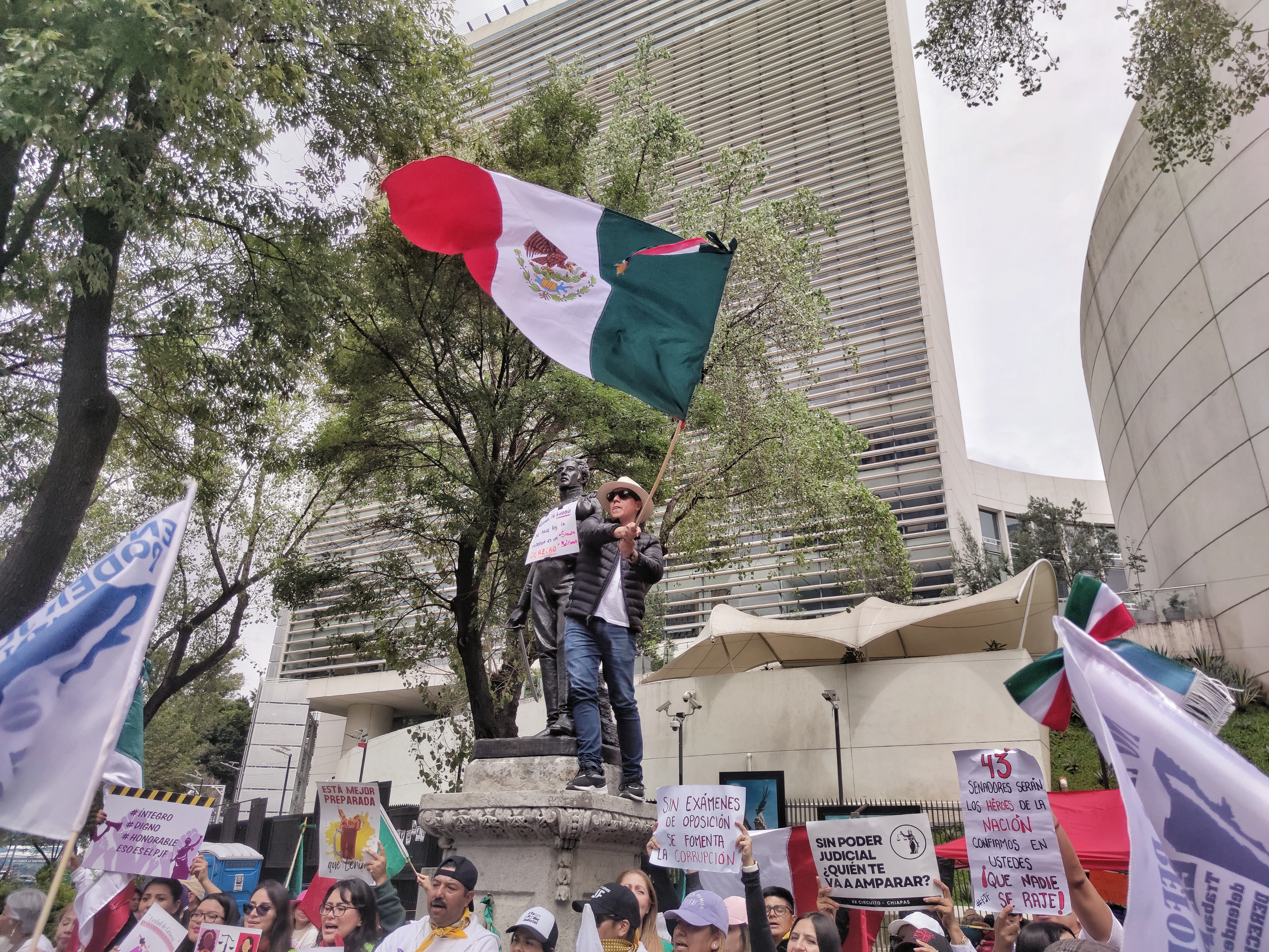
That future demands the opposition’s seriousness and commitment to Mexico. The task of rebuilding the fabric of the democratic republic and the rule of law will be a wake-up call for everyone. Unity and commitment will be indispensable to avert the danger of a civil war.
@rpascoep
Further Reading: