
Ricardo Pascoe Pierce
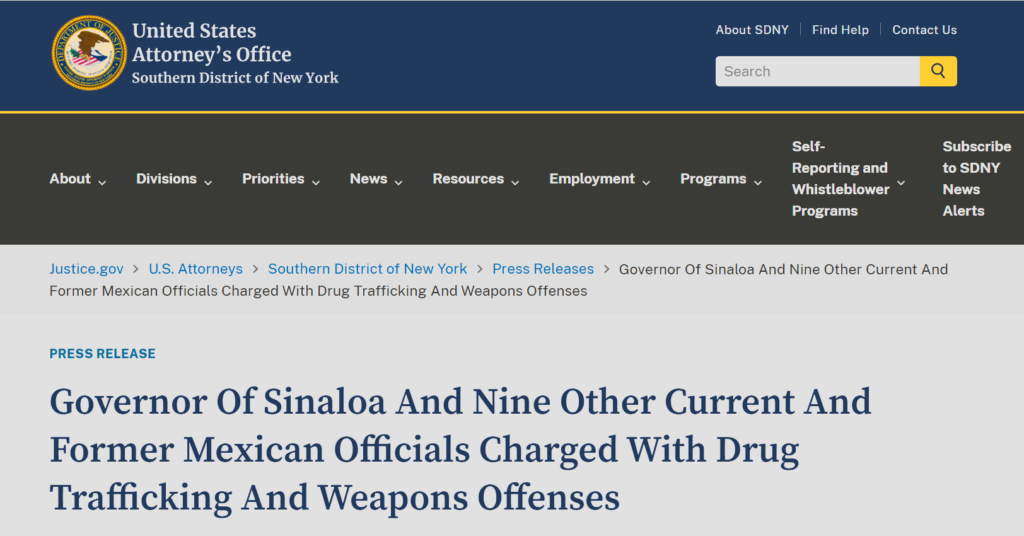
The case involving the U.S. indictment of Rubén Rocha, governor of Sinaloa, raises many questions. The most surprising and significant one concerns its impact on Morena’s electoral strategy for the 2027 elections. Will Morena apply the strategy described in the U.S. indictment in 2027, using cartel gunmen to kidnap opposition operatives and to intimidate and coerce citizens into voting for the ruling party’s candidate to win the election?
Other questions demand immediate answers. What decision will the Mexican government make regarding the extradition request for Rocha and nine other defendants to be held in preventive detention? How will it respond to the accusation of alleged ties between Morena, the state government, its prosecutors’ offices, and state police with the Sinaloa Cartel and the protection of drug trafficking to the United States? Finally, will the defendants be extradited? For the time being, both Rocha and the mayor of Culiacán have requested leaves of absence from their posts, retaining their legal immunity.

The U.S. complaint describes in minute detail the electoral operation coordinated by Morena and the Sinaloa Cartel to ensure Rubén Rocha became governor. The description is chilling. It aligns with what the political opposition reported in Sinaloa at the time of the 2021 election. The reports highlighted the kidnapping of more than a thousand opposition party operatives, the presence of armed men at polling stations to tell citizens whom to vote for, the theft of ballot boxes, and the police’s role in suppressing citizen protests against the fraud. Electoral and prosecutorial bodies were instructed not to accept legal protests or requests to annul polling stations stuffed with fake votes or those that were stolen but reported as “ghost” stations. The operation of imposition and fraud, including the use of terror, was staggering.
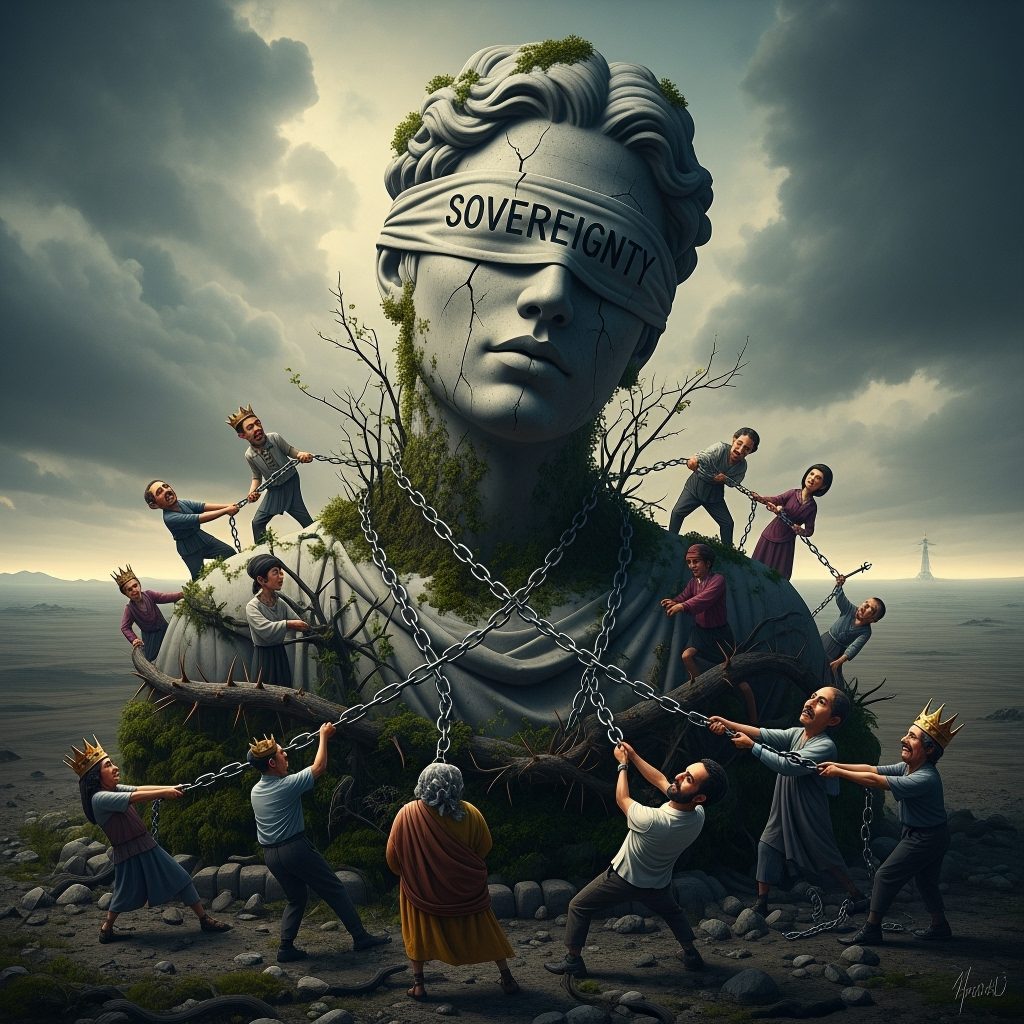
In 2021, López Obrador, Morena, and the electoral bodies ignored the opposition’s complaints. Today, they react to the U.S. complaint with indignation, invoking “sovereignty.” If the electoral crimes prosecutor’s office, controlled by Morena, were to investigate the reported cases, the same narrative would emerge regarding the links between organized crime operators and Morena candidates in Michoacán, Guerrero, Tabasco, Veracruz, Oaxaca, Jalisco, Colima, Nayarit, Zacatecas, Tamaulipas, Sonora, Baja California, and Baja California Sur. We will see if they react to possible new U.S. complaints.
Sinaloa is the test case that confirms the rule and the effectiveness of the partnership between organized crime and Morena for the two stages of power co-optation. The first stage involves joint, coordinated work between the party and organized crime to win the election. The second stage consists of fulfilling commitments to share power, appointing figures in the state executive, legislative, and judicial branches who answer to both masters: Morena and the Sinaloa Cartel. To point out “narco-politics” is to acknowledge this symbiotic relationship between the party, the government, and drug trafficking.
That same criminal partnership exists in some twenty states of the Republic. What this indicates is that the association between Morena and organized crime is structural and cannot be eradicated simply by the ruling party’s electoral defeat. The reason is obvious: in practice, a structural relationship that Morena maintains with organized crime is, by definition, an association that categorically rejects the possibility of political alternation.

In essence, Morena’s decision to govern alongside organized crime completely altered Mexico’s democratic rules, covertly and in secret. The immediate consequence of this criminal pact is that it must prevail in the elections; defeat is not an option. That is why the president stated, “the opposition (the right) is hatred.” She believes this narrative justifies zero tolerance for opponents. The president has become more radical: there will be no extradition, and internal dissent in Mexico will not be tolerated.
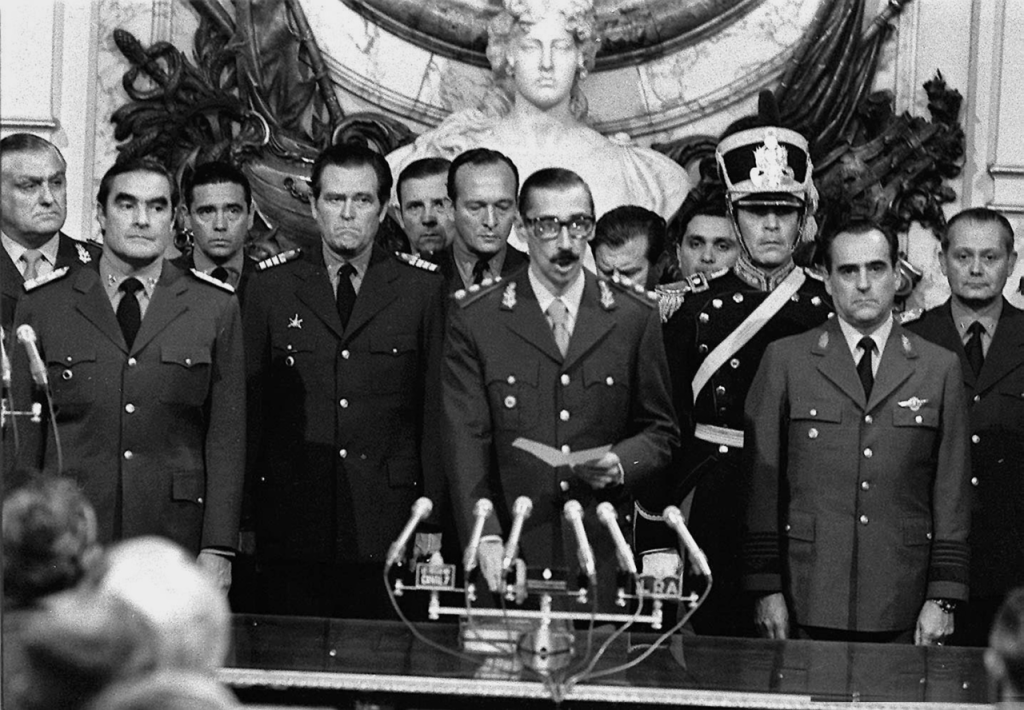
That is the “ideological” narrative used to justify the Morena-drug trafficking alliance. It is similar to the rhetoric used by Argentine generals to justify a coup d’état. Consequently, Morena’s imperative in the upcoming elections is to win by force. That is precisely what Morena is preparing with the changes in the party leadership and the government. It is setting the machinery in motion to secure a qualified majority in 2027.
The Morena model in Sinaloa is what they aim to replicate in 2027. They will use the beneficiaries of social programs (hence the role of Ariadna Montiel, former Secretary of Welfare, as the party’s new president) as a pretext to justify the operations of organized crime cells to force beneficiaries to go out and vote for Morena.
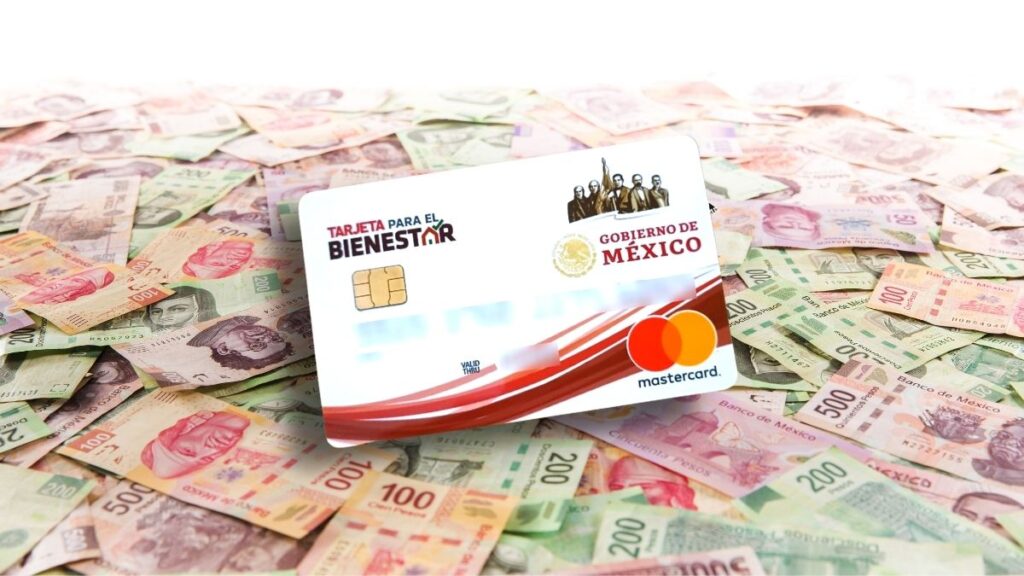
This coercion was already evident in the 2022 recall election against AMLO and the 2025 judicial election. Recipients of social programs do NOT want to go out and vote en masse, and when they do, it is without enthusiasm, but they are pressured by government officials and organized crime hitmen. About 15 million people (17% of the voter registry) voted to re-elect AMLO, and about 13 million (12% of the voter registry) voted for the judiciary. Considering that by the end of 2026, the number of social assistance beneficiaries will be about 42.9 million, only 30%-40% of them will vote.
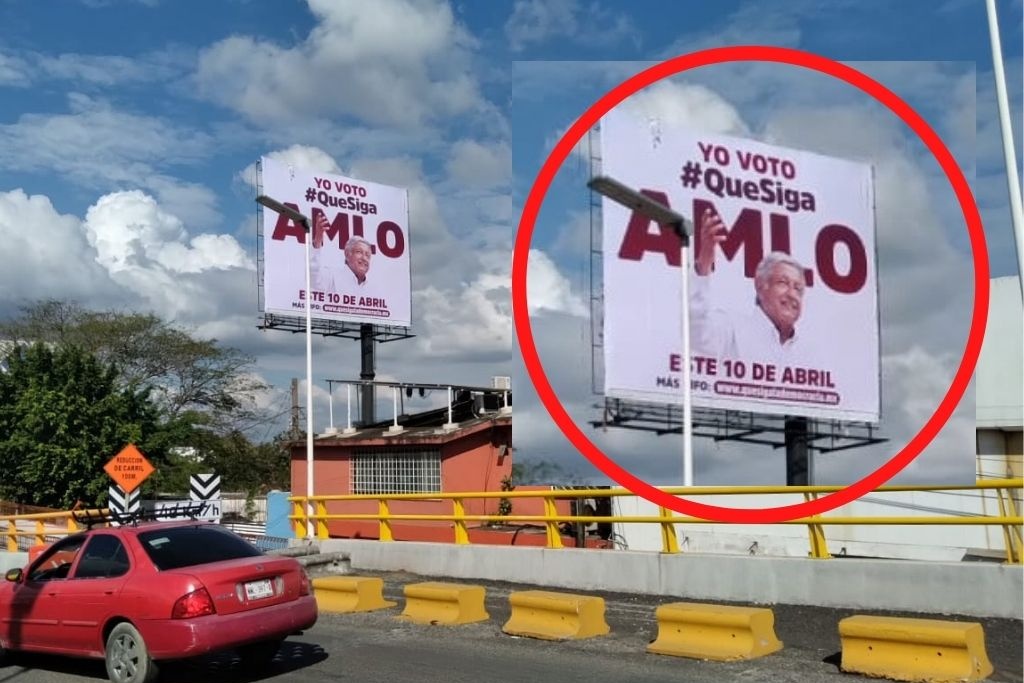
In the 2024 presidential election, 60 million people voted, representing 61% of the voter registry. A general election can mobilize nearly four times as many voters as “special” elections. But these special elections are important because they reflect the true mobilization capacity of the beneficiaries of the government’s cash handouts. A limited capacity is confirmed, and a much greater mobilization is needed to win the constitutional election. This gives greater importance and weight to the Morena-organized crime alliance for mobilizing the voters they control in 2027.
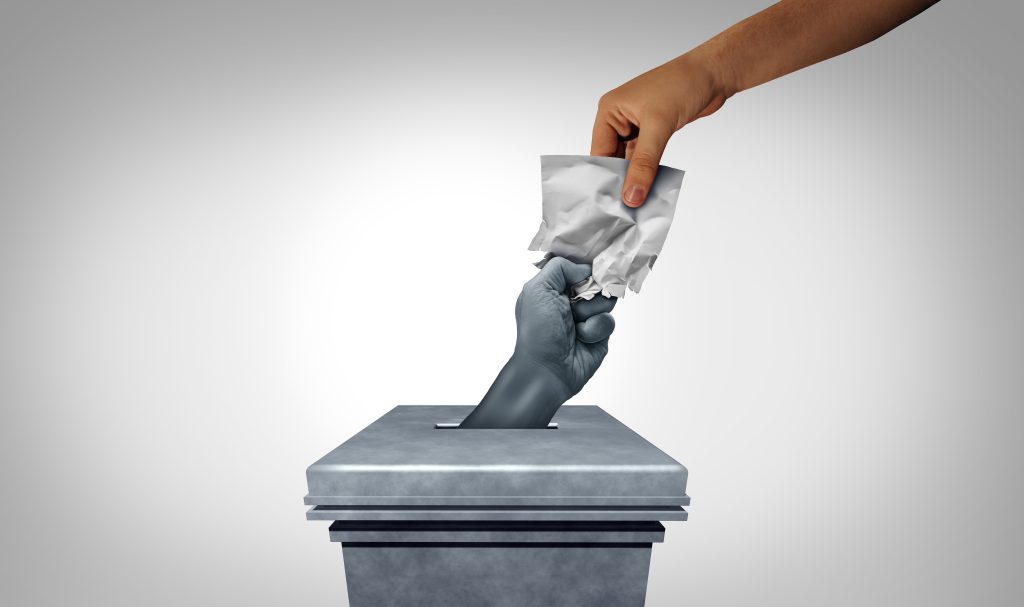
Morena’s new leadership, using Montiel and its registry of beneficiaries as a pretext, will do everything possible to sway as many of those 42 million social program beneficiaries as possible in its favor. It will inevitably require the incentive provided by the presence of organized crime in key areas, especially for those hesitant to vote. To dispel any doubts, the barrel of a gun will be there. Morena’s slogan for the 2027 election is “force all beneficiaries of social programs to vote for Morena.”
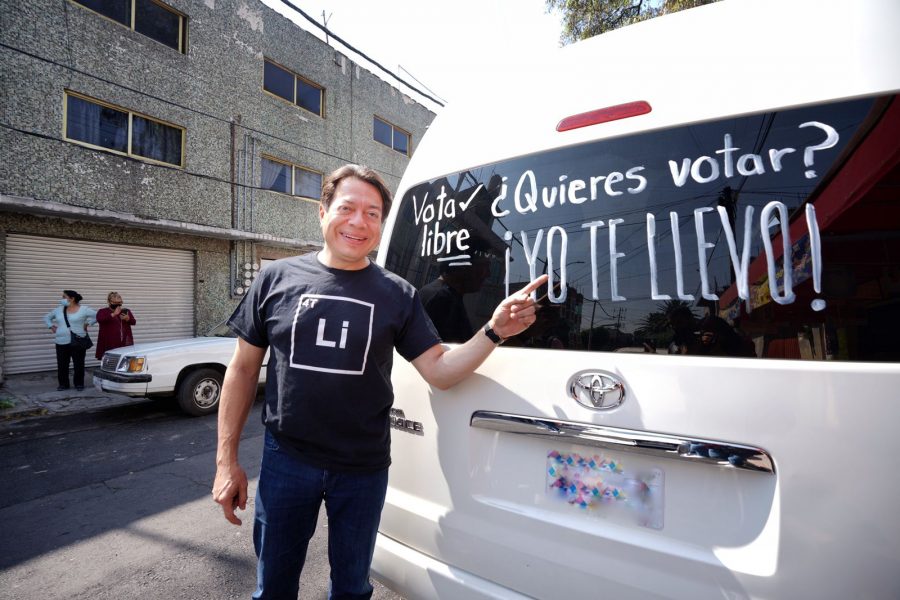
It is worth recalling that the “hugs, not bullets” policy had two priorities: to allow organized crime to expand its territory to grow its business, and, on the other hand, to have that expanded territory serve Morena in extending its capacity for electoral mobilization.
The U.S. indictment of Rocha and nine co-defendants has triggered a deep crisis within Morena. Hence, the emergency meeting in Palenque confirms López Obrador’s leadership over Sheinbaum. The president described the U.S. indictment as “political.” Consequently, she views it as an accusation against Morena, AMLO, and the political system imposed on Mexico by herself and her movement.
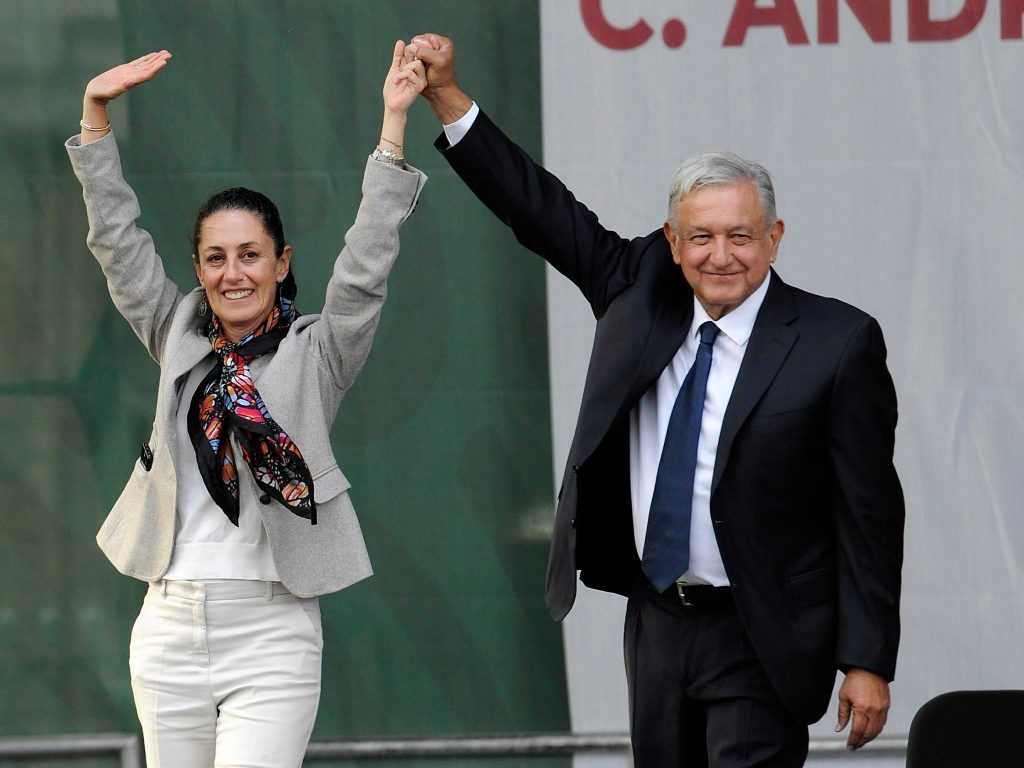
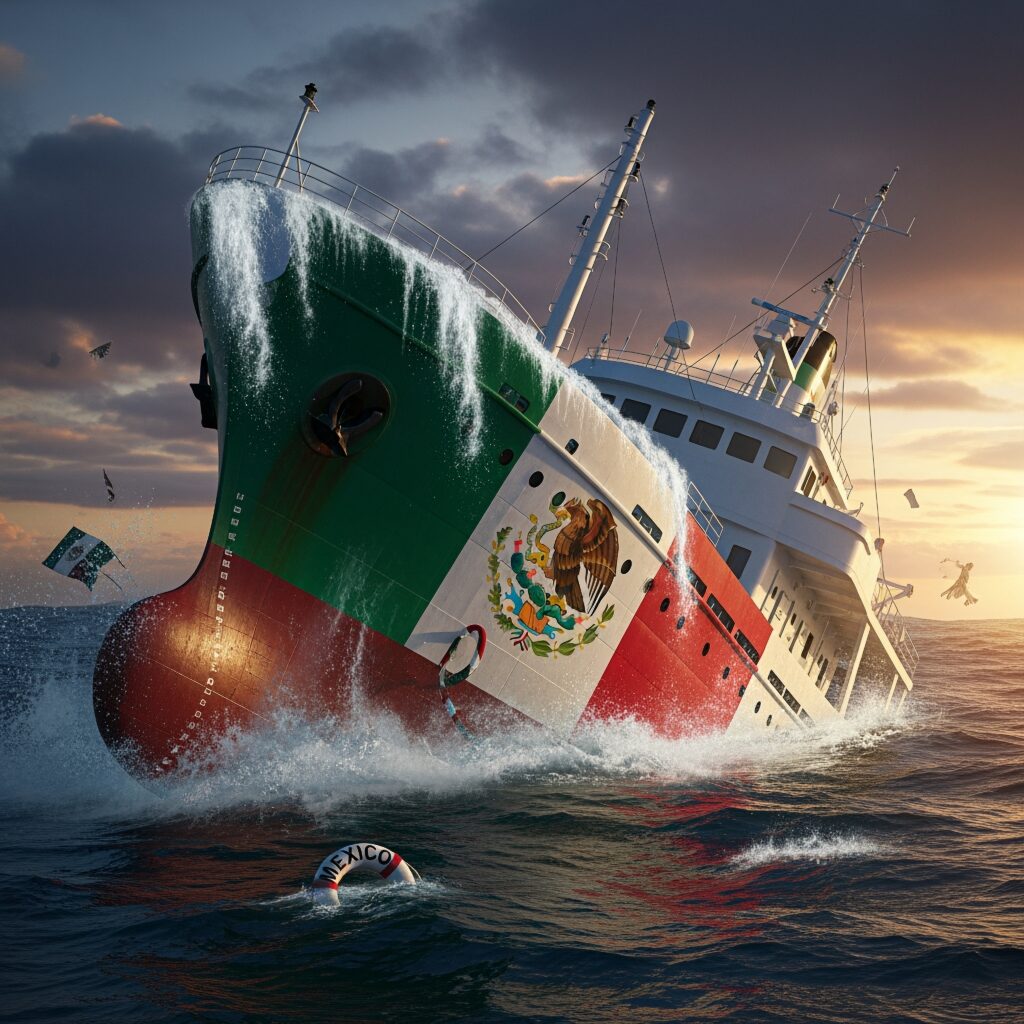
Morena, in its restructuring, is preparing for war. The captain of the ship is López Obrador. The crisis unleashed by the United States, Rocha, and Sinaloa is a long-term one within Morena; it began today, will continue to ripple, and will explode in the 2027 elections.
@rpascoep
Further Reading: