Antonio Navalón
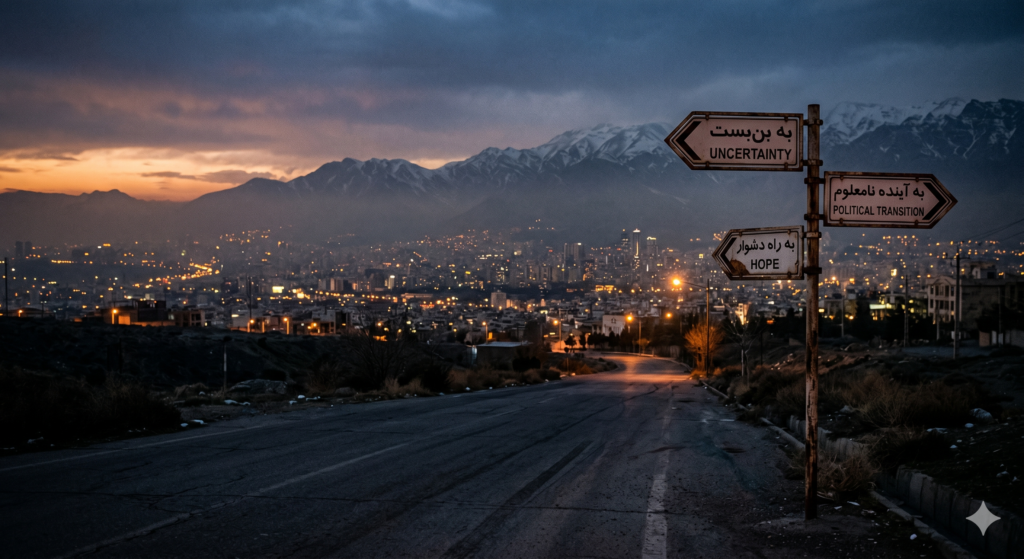
While every country faces its own internal tensions, there is one common factor today that is capturing the world’s attention. This is not only because we are in the midst of an unresolved conflict, but also because what happens within Iran, in Tehran, will shape the immediate future. It is essential to analyze precisely what is happening in Iran at this moment, particularly following the outbreak of the conflict on February 27. From a narrative perspective, despite the material damage caused by both U.S. and Iranian airstrikes on Iranian territory, the truth is that, at the start of the war, there was a higher level of internal discontent against the government than what is currently observed.

This stems from a profound logic: Iran is not an artificial state born of colonial experience, as was the case with other countries in the region—such as Saudi Arabia—but rather the heir to a millennia-old empire. The ancient Persian Empire, which at various times was one of the most advanced centers in cultural, political, and military terms, remains a central element of national identity. With a population of approximately 93 million, there is a strong sense of historical belonging that transcends the regime itself.
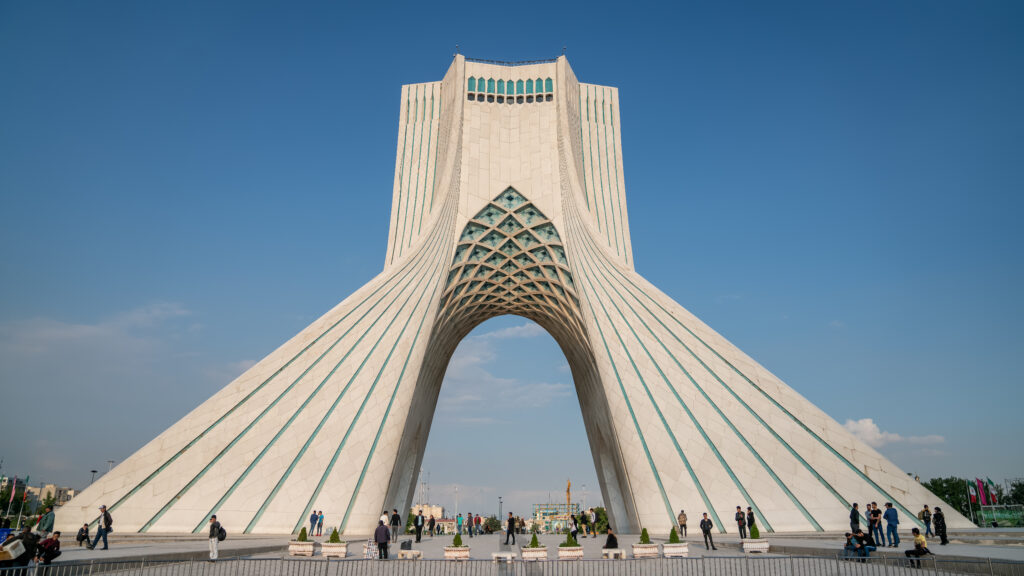
That national pride, which the Ayatollahs’ regime attempted to dilute in favor of a religious-ideological identity, has resurfaced with force. Today, for a significant portion of the population, an Iranian identity prevails over support for or rejection of the government. However, this phenomenon coexists with a context of systematic repression against any expression of dissent.
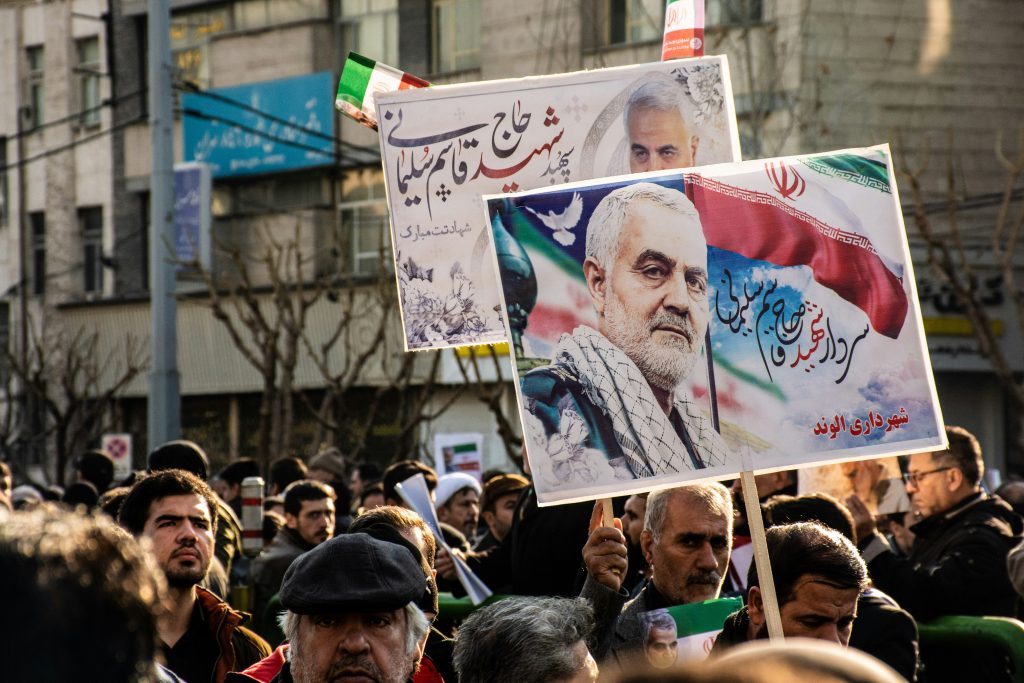
From an internal perspective, it is crucial to distinguish between two dimensions: on the one hand, material destruction, war, and its victims; on the other, a sense of national cohesion that the conflict has generated, at least temporarily. The big question is what will happen once the conflict is formally declared over. As long as there is no structural realignment of power—and particularly as long as the Shiite elite maintains its control, which today seems highly unlikely to change in the short term—the confrontation between Iran and Israel will tend to persist, albeit in other forms.
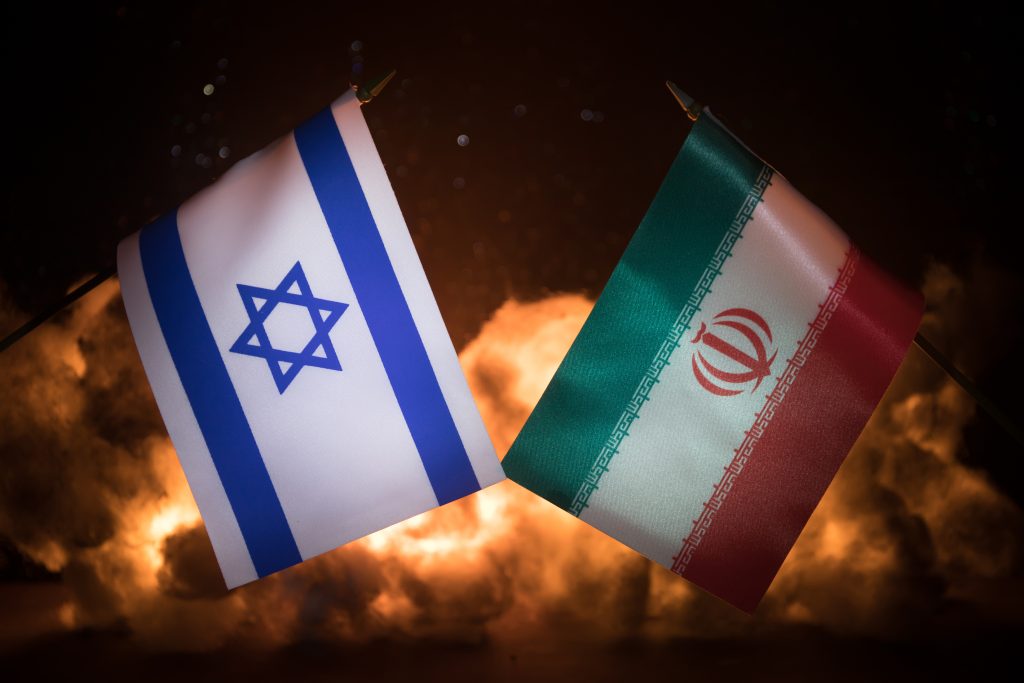
Added to this is the United States’ tactical need to declare a political victory that would allow it to bring the conflict to a close in strategic terms. In this context, it becomes particularly important to understand not only the external dimension of the war but also Iran’s internal reality.
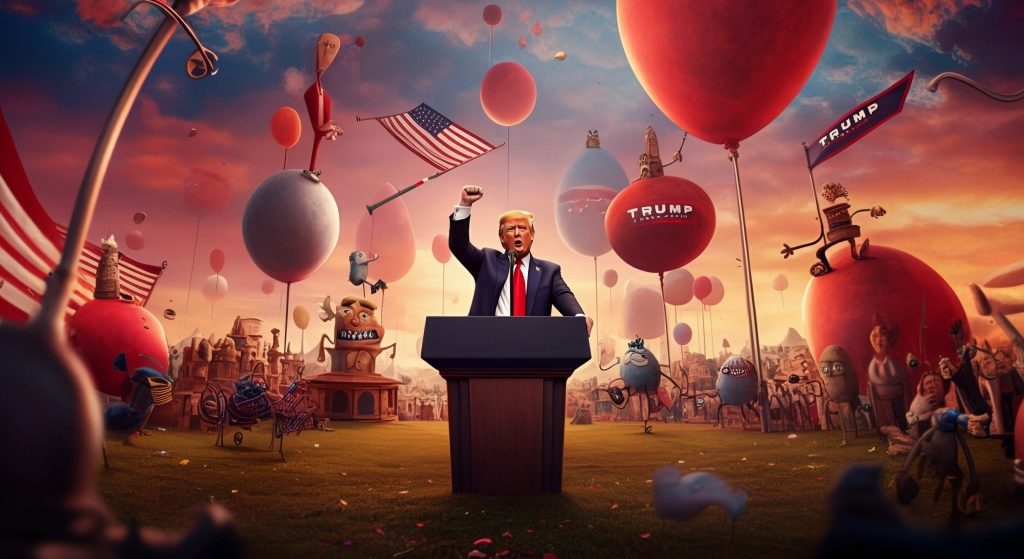
Post-war Iran faces a severe structural crisis, particularly regarding water. The capital, Tehran, faces critical levels of water stress. According to data from the Iranian Ministry of Energy and international organizations such as the World Bank, more than 80% of Iranian territory is in a state of drought or semi-drought, and the country’s main dams are operating below capacity. Water has become the country’s primary structural problem. The overexploitation of aquifers, poor resource management, lack of investment in water infrastructure, and climate change have led to a critical situation. In several regions, access to drinking water is irregular, and desertification is advancing steadily.
A deeply deteriorated economic context exacerbates this crisis. Inflation has been structurally high for years. In 2024, it stood at around 30–35%. International Monetary Fund projections for 2026 place it near or above 60%, at crisis levels. For that same year, the IMF estimates a GDP contraction of around -6.1%, driven by the war, tightening international sanctions, and a decline in exports, particularly energy exports. Added to this is the deterioration accumulated over decades of prioritizing ideological and military spending over infrastructure investment. For years, the regime focused its efforts on sustaining its sources of foreign exchange revenue—particularly oil—and on financing its geopolitical ambitions, neglecting key sectors such as water, transportation, and basic services.

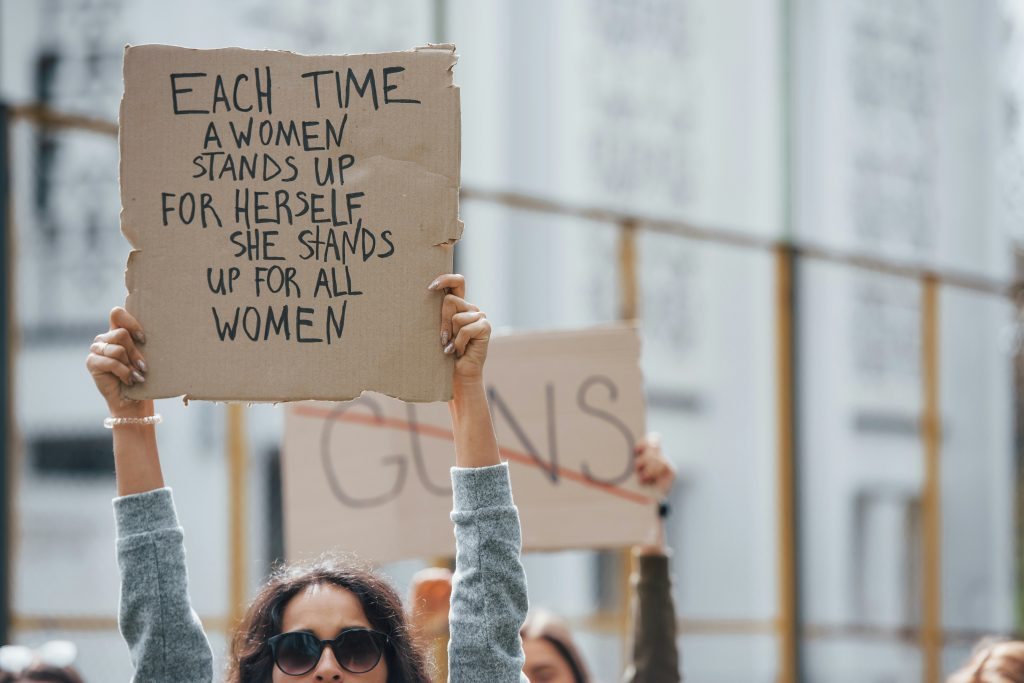
In this context, it is becoming increasingly difficult to sustain Tehran’s administrative and economic centrality. The pressure on its infrastructure is such that scenarios involving the partial decentralization of state functions are already being discussed to prevent an operational collapse. The regime’s governance model faces clear limits. Systematic repression, control of information—including internet blackouts during protests—and the lack of fundamental rights, especially for women, have led to a buildup of social tensions. It is estimated that tens of millions of women live under structural restrictions on individual freedoms.
At the same time, the geopolitical confrontation with the Sunni world and the competition for regional hegemony with Saudi Arabia will remain determining factors. This conflict will not disappear, but it could be reconfigured under new conditions in the post-war period. No one can predict the outcome with certainty, but all signs indicate that U.S. political and budgetary constraints limit the direct duration of the conflict. It is unlikely that its military involvement will extend beyond a few additional weeks without broader legislative backing.

Therefore, the analysis must now shift toward the post-war period. This will not only entail a reconfiguration of the balance of power in the Middle East but also a redefinition of the global energy market. The price of oil will be shaped by critical factors, including the stability of the Strait of Hormuz, a strategic chokepoint through which nearly 20% of the world’s oil passes. Beyond the regional dimension, the conflict acts as a catalyst for a broader realignment of the international system. The world has entered a phase of structural fragility—political, military, technological, and financial—that demands new balances of power. In reality, who can know what the final realignment will be of what undoubtedly represents the end of the world as we knew it?
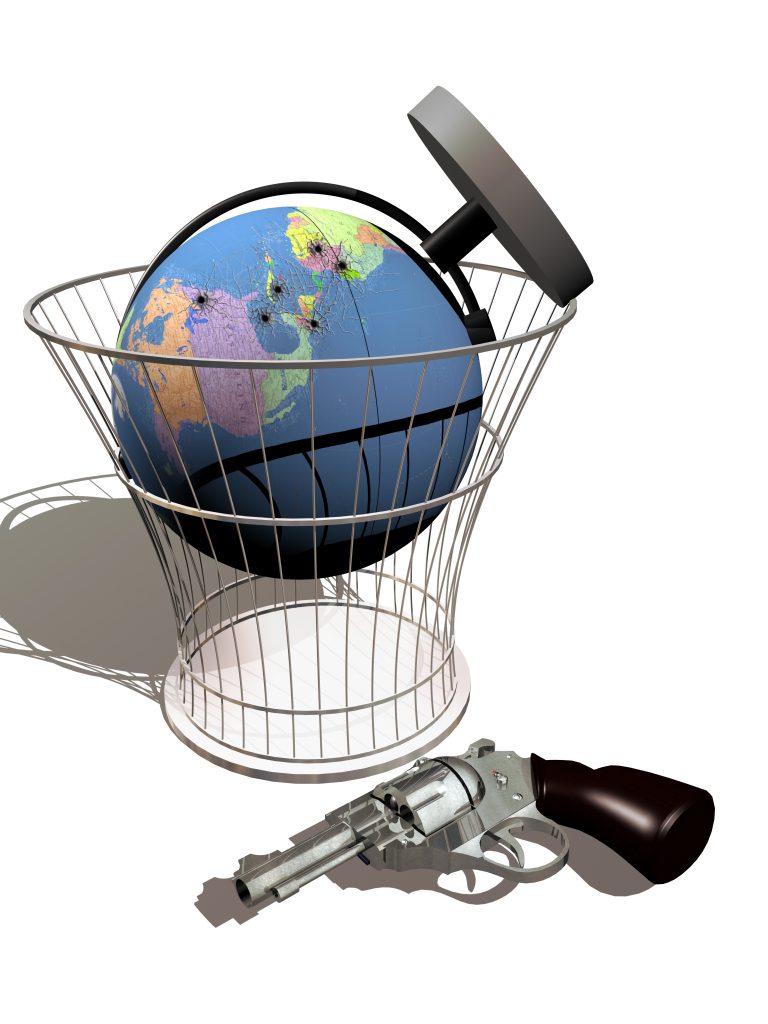
Everything seems to indicate that, with the official end—at least from the U.S. perspective—of hostilities with Iran, the path is not only cleared for a potential visit by Trump to China. Much more importantly, it opens the possibility that the two great empires might attempt to reach an understanding capable of regulating the functioning of the rest of the international system. The United States and China, for their own reasons, need this strategic agreement. Both require a framework to order the world to come, even if that order no longer resembles the one we knew.
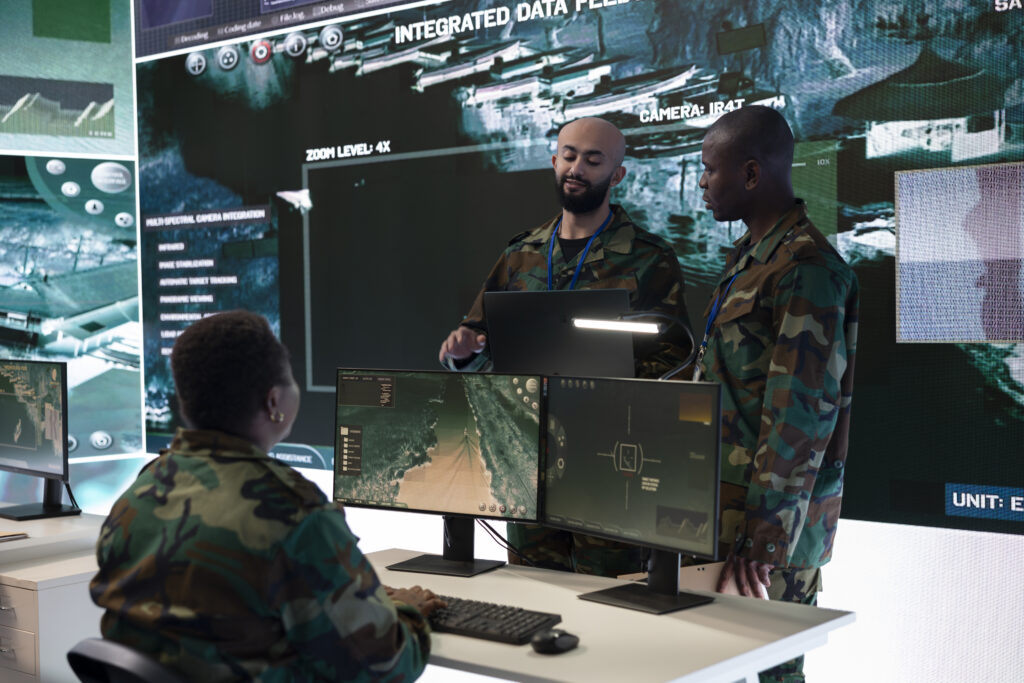
Nor is it difficult to imagine that, between now and the fall, the war in Ukraine will enter a decisive phase. There are military indications that the emergence of drones, autonomous systems, and robotic platforms—tested and accelerated on various fronts, including the war in Gaza—could profoundly alter the dynamics of the battlefield. However, it would be irresponsible to claim that this technological transformation guarantees a Ukrainian victory. What can be said is that the war is entering a new phase: one in which industrial capacity, artificial intelligence, electronic warfare, drones, and unmanned systems are beginning to carry as much weight as traditional armies. That is the possible outlook for the world that remains after this attempt. A world that does not end with the American withdrawal, but rather with a redistribution of power brought about, to a large extent, by the agreements the United States has been forced to impose.
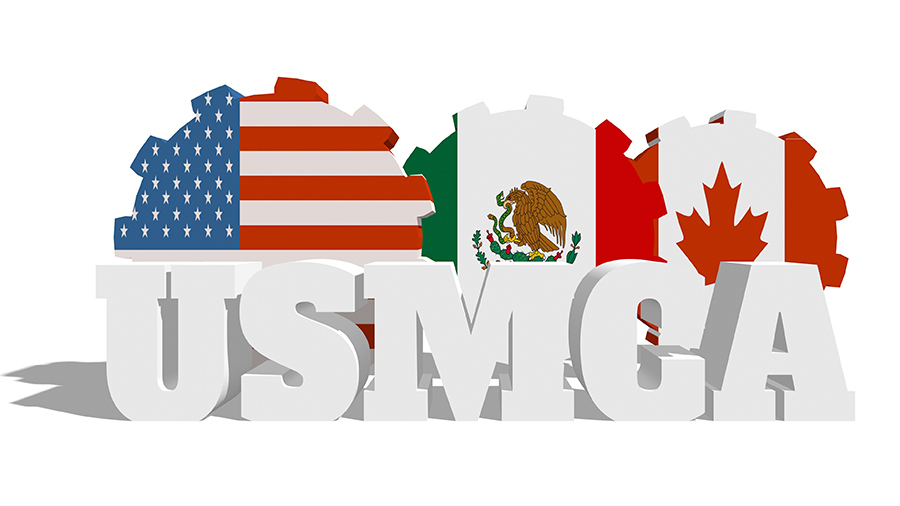
Postscript: In Mexico, meanwhile, the siege is narrowing to a two-front battle. On one hand, the fight against drug trafficking is intensifying with the trial against the Sinaloa Cartel. On the other hand, the actions surrounding the Governor. Ultimately, the country is revving up in preparation for the upcoming USMCA negotiations.
Further Reading: